
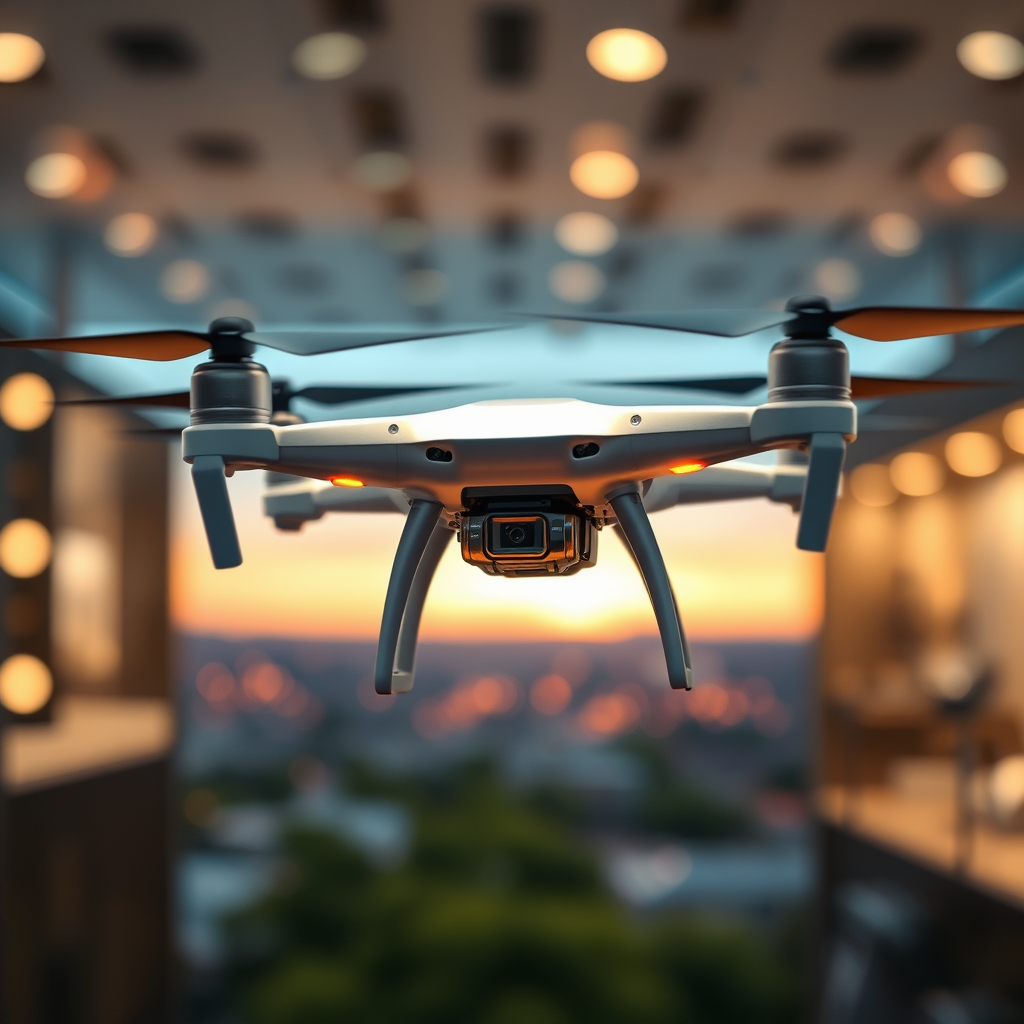
Drones can typically fly at altitudes of up to 400 feet above ground level, as regulated by aviation authorities. This altitude limit is set for safety reasons, ensuring that drones do not interfere with manned aircraft operations. However, the actual flying height of a drone can vary based on several factors, including the type of drone, regulatory frameworks, and specific mission requirements. In this article, we will explore the intricacies of drone flight altitude, the regulatory environment, the capabilities of different types of drones, and the technology that supports their operation.
Understanding Drone Altitude Regulations
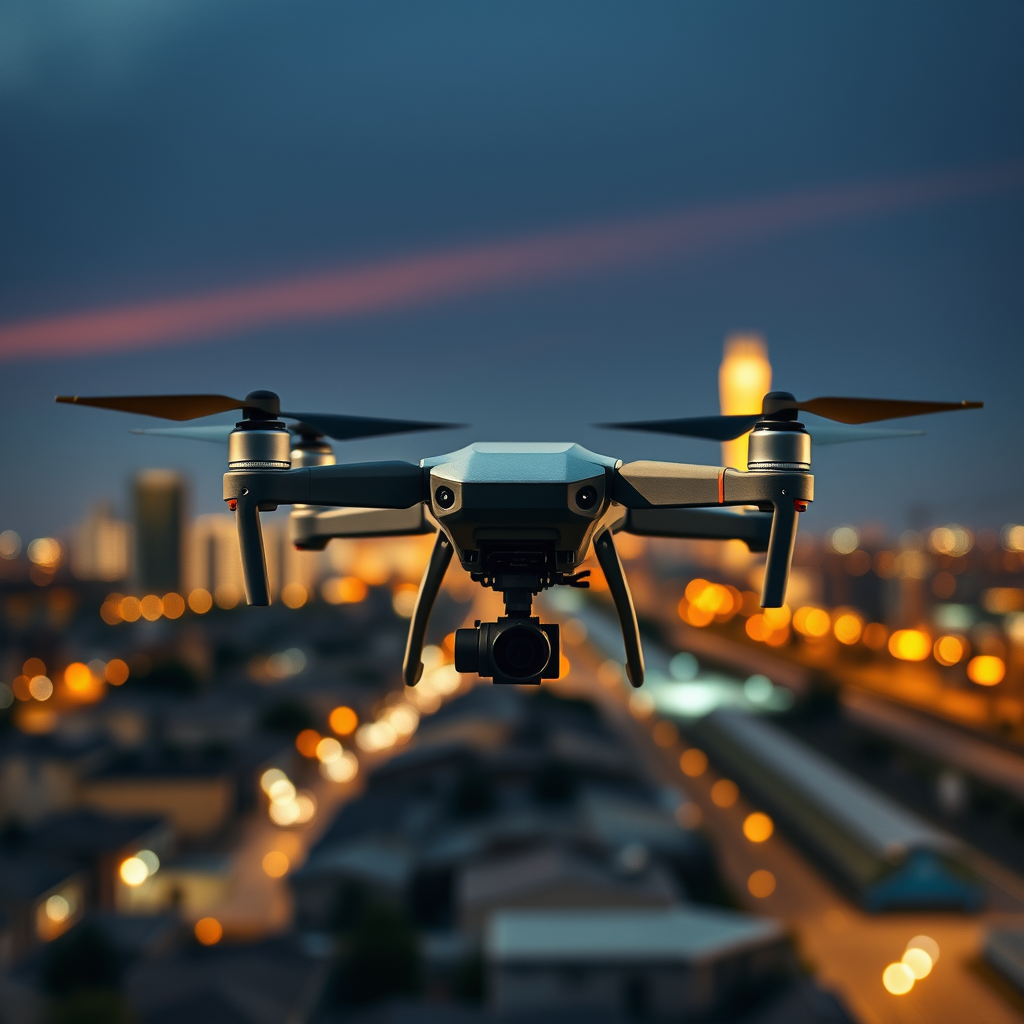
Most countries, including the United States, have established a maximum altitude limit of 400 feet for drone operations. This regulation is primarily enforced by organizations such as the Federal Aviation Administration (FAA) in the U.S. The 400-foot ceiling is designed to minimize the risk of collision with manned aircraft, which typically operate at altitudes above this limit. For instance, commercial airliners cruise at altitudes ranging from 30,000 to 40,000 feet, while general aviation aircraft often fly below 10,000 feet.
In addition to the altitude limit, drone operators must also comply with airspace classifications, which dictate where drones can fly. For example, drones are generally prohibited from flying in controlled airspace without specific authorization. This regulatory framework is critical for maintaining safe air traffic operations and ensuring that recreational and commercial drone activities do not pose risks to public safety.
Types of Drones and Their Capabilities
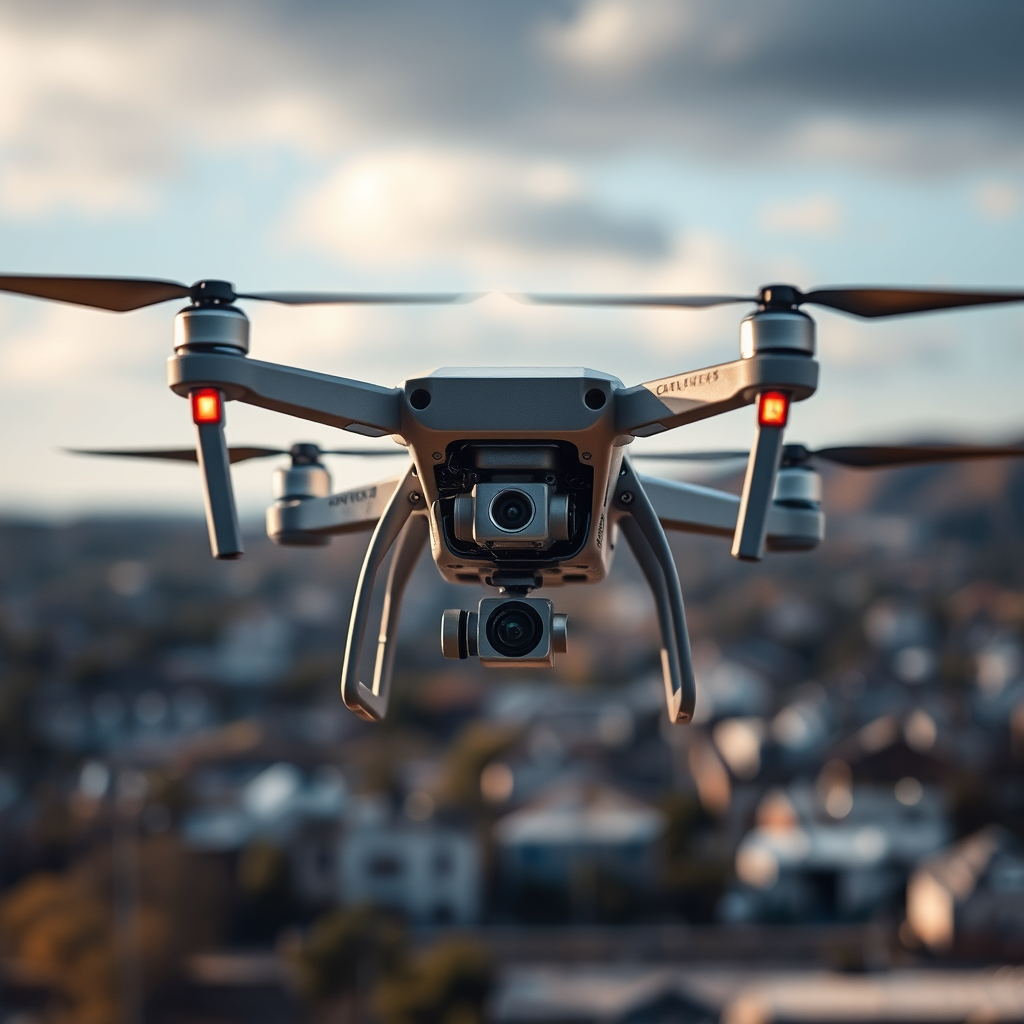
Drones are classified into several categories, each with varying altitude capabilities based on their design and intended use. Consumer drones, often used for recreational purposes, typically have a maximum altitude of around 400 feet. These drones are designed for ease of use, with built-in safety features that adhere to regulatory requirements. Popular models, such as the DJI Phantom series, are well-known for their reliability and user-friendly interfaces, making them ideal for hobbyists and amateur photographers.
On the other hand, commercial drones are engineered for specialized applications, such as surveying, agriculture, and infrastructure inspection. Some of these drones are capable of flying at higher altitudes, depending on their mission. For instance, drones used in agricultural monitoring may need to survey large fields from greater heights, while those employed in search and rescue operations might require altitude versatility to navigate challenging environments.
Factors Influencing Drone Flight Height
Several factors can influence the effective flight height of a drone beyond the regulatory limits. Environmental conditions play a significant role; for instance, air density decreases at higher altitudes, which can affect lift and overall performance. Wind conditions can also pose challenges, as strong gusts may require pilots to fly at lower altitudes for stability and control, particularly during takeoff and landing.
Battery life is another critical consideration. Drones operate on rechargeable batteries, and as altitude increases, the power requirements for maintaining stable flight can rise significantly. Heavier payloads, such as cameras or sensors, further impact battery consumption and, consequently, the maximum achievable altitude. Therefore, drone operators must carefully evaluate their equipment and mission requirements to optimize flight performance.
The Role of Technology in Drone Altitude
Modern drones are equipped with sophisticated technology that enhances their ability to maintain stable flight at desired altitudes. GPS systems are critical for navigating and positioning drones accurately, enabling operators to set predefined altitudes for their flights. Altitude sensors, including barometers and ultrasonic sensors, provide real-time data to ensure that drones maintain their intended flying height throughout the flight.
Many advanced drones also feature altitude hold functions, which allow for precision flying. This technology is particularly beneficial for aerial photography and videography, as it enables operators to capture stable images without the risk of altitude fluctuations. Moreover, some drones utilize automated flight planning software, which can optimize flight paths and altitudes based on mission requirements, further enhancing operational efficiency.
Potential for Higher Altitude Flight
As the drone industry continues to evolve, research into high-altitude drones for scientific and commercial purposes is gaining momentum. These drones are being designed to operate at altitudes above the conventional limits of 400 feet, allowing for applications such as atmospheric research, telecommunications, and surveillance. For example, high-altitude balloons and drones are being tested for their potential to collect data from the stratosphere, which can provide insights into weather patterns and climate change.
Future advancements in drone technology may enable safe operations at greater heights. Innovations in battery technology, materials science, and propulsion systems are likely to play a pivotal role in expanding the operational envelope for drones. As regulations evolve to accommodate these advancements, we may witness a transformation in how drones are utilized across various industries, opening new avenues for exploration and innovation.
Safety Considerations for High Altitude Flying
While the potential for high-altitude drone operations is exciting, it comes with a host of safety considerations. Pilots must remain acutely aware of airspace regulations to avoid fines, penalties, or accidents. It is essential to understand local laws, particularly when operating in areas near airports or other restricted zones. Additionally, obtaining the necessary permits and authorizations for flights beyond the standard altitude limits is crucial.
Monitoring weather conditions is equally vital for safe flying at elevated altitudes. Changes in weather can quickly affect drone performance, particularly in terms of wind speed and turbulence. Pilots should conduct thorough pre-flight checks and remain vigilant throughout the flight to ensure both their safety and that of others in the airspace. Investing in training and education on drone operations can significantly enhance pilots’ ability to navigate these challenges effectively.
In conclusion, while the general limit for drone flight is 400 feet, various factors—including drone type, technology, and regulations—play a significant role in determining how high a drone can actually fly. Understanding these elements is crucial for operators to maximize the capabilities of their drones while ensuring compliance with safety regulations. As the drone industry continues to evolve, staying informed about advancements in technology and regulatory changes will be essential for safe and responsible flying.
Frequently Asked Questions
What is the maximum altitude limit for drones in the United States?
In the United States, the Federal Aviation Administration (FAA) generally allows drones to fly at a maximum altitude of 400 feet above ground level. This limit is designed to prevent collisions with manned aircraft and ensure safe airspace management. However, if flying from a structure that is taller than 400 feet, the drone can be flown up to 400 feet above the height of that structure, provided the operator maintains visual line-of-sight.
How does altitude affect drone performance and battery life?
As drones ascend to higher altitudes, several factors can impact their performance and battery life. Increased altitude can lead to lower air pressure and reduced lift, which may require more power to maintain stability. Additionally, flying at higher altitudes often demands more energy to overcome wind resistance, ultimately shortening flight time. It’s essential to consider these factors when planning flights to ensure optimal performance and safety.
Why are there altitude restrictions on drone flights?
Altitude restrictions on drone flights are primarily in place for safety reasons. These regulations help prevent collisions with manned aircraft, which typically operate above 400 feet. Additionally, these rules help protect sensitive areas, such as airports and military bases, ensuring that drones do not interfere with vital air traffic operations. Understanding these restrictions is crucial for responsible drone usage.
What are the best practices for flying a drone at high altitudes?
To fly a drone safely at higher altitudes, it is essential to adhere to local regulations and maintain visual line-of-sight. Additionally, ensure that your drone is equipped for high-altitude flight, with features like strong motors and adequate battery life. It’s also wise to check weather conditions and avoid flying in windy or turbulent environments, as these can significantly affect drone stability and control.
Which drones are capable of flying at high altitudes?
Several drones are designed for high-altitude flights, typically those intended for professional or industrial use. For instance, the DJI Matrice series and the Yuneec Typhoon H are known for their ability to operate effectively at higher altitudes. When selecting a drone for high-altitude operations, look for models with robust performance specifications, such as powerful motors and advanced stabilization systems, to ensure safe and effective flights.
References
- https://en.wikipedia.org/wiki/Drone
- https://www.faa.gov/uas/
- https://www.nasa.gov/mission_pages/earthscience/technology/drones.html
- https://www.ncbi.nlm.nih.gov/pmc/articles/PMC6465981/
- https://www.abc.net.au/news/2021-03-18/faa-drone-altitude-regulations/13259610
- https://www.reuters.com/article/us-usa-drones-regulations-idUSKBN2A32Y
- https://www.sciencedirect.com/science/article/pii/S2352864821000358
- https://www.techrepublic.com/article/how-high-can-drones-fly-and-why-it-matters/
