
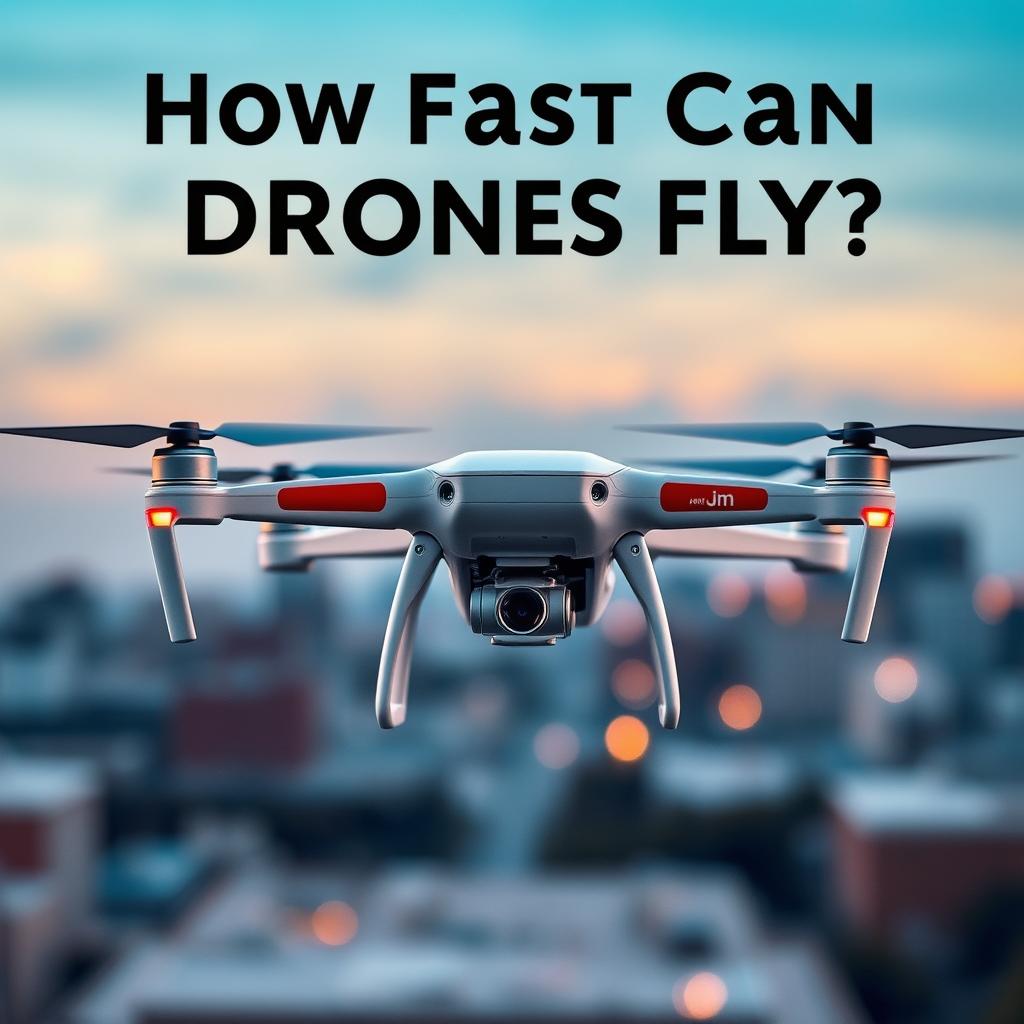
Drones can fly at speeds ranging from 15 mph for beginner models to over 200 mph for racing drones. This range is influenced by various factors, including the drone’s design, purpose, and technology. As enthusiasts and professionals explore the capabilities of drones, understanding their speed potential becomes crucial. In this article, we will delve into the different categories of drones and their respective flight speeds, alongside the various factors that affect drone velocity.
Types of Drones and Their Speed Ranges
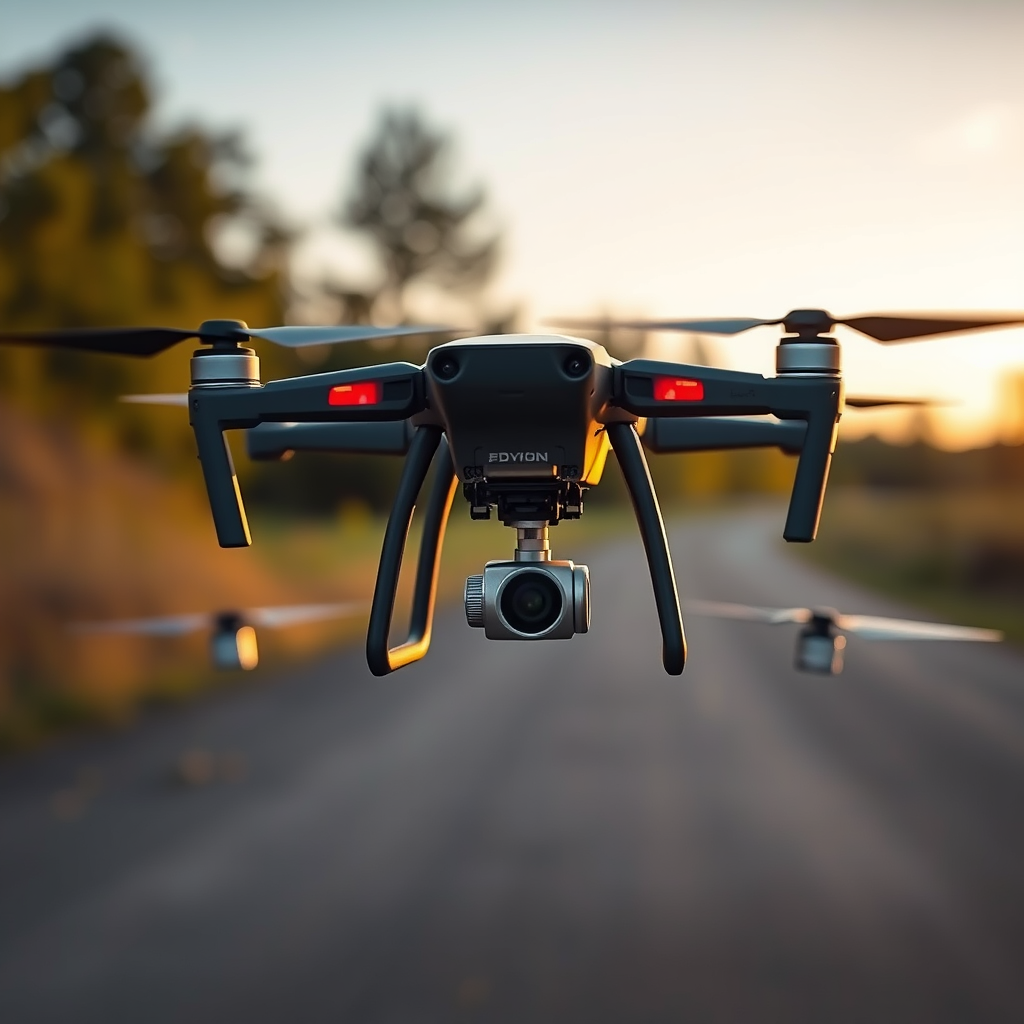
Drones can be categorized into several types, each with its own specific design and operational speed range.
– Consumer Drones: These are the most common types of drones used by hobbyists and photographers. Typically, consumer drones fly between 15 to 50 mph. For instance, popular models like the DJI Mavic Air 2 can reach speeds of up to 42.5 mph, making them suitable for capturing dynamic aerial footage while maintaining stability. Their moderate speed ensures they can navigate various environments without compromising their functionality.
– Racing Drones: Designed for speed and agility, racing drones can reach speeds of 100 mph or more. These drones are built with lightweight materials and powerful motors, allowing skilled pilots to maneuver through intricate courses at breakneck speeds. The ImmersionRC Vortex 250 Pro, a notable example, can achieve speeds exceeding 80 mph, making it a favorite among competitive racers. The thrill of racing drones lies not only in their speed but also in the precision required to control them effectively.
– Commercial Drones: Drones used for commercial purposes, such as agriculture, surveying, and delivery services, generally operate within a speed range of 30 to 60 mph. For example, the DJI Matrice 300 RTK, often employed for industrial applications, can reach speeds of up to 51 mph. These drones prioritize efficiency and reliability, ensuring they can cover large areas quickly while gathering crucial data or delivering goods.
Factors Influencing Drone Speed
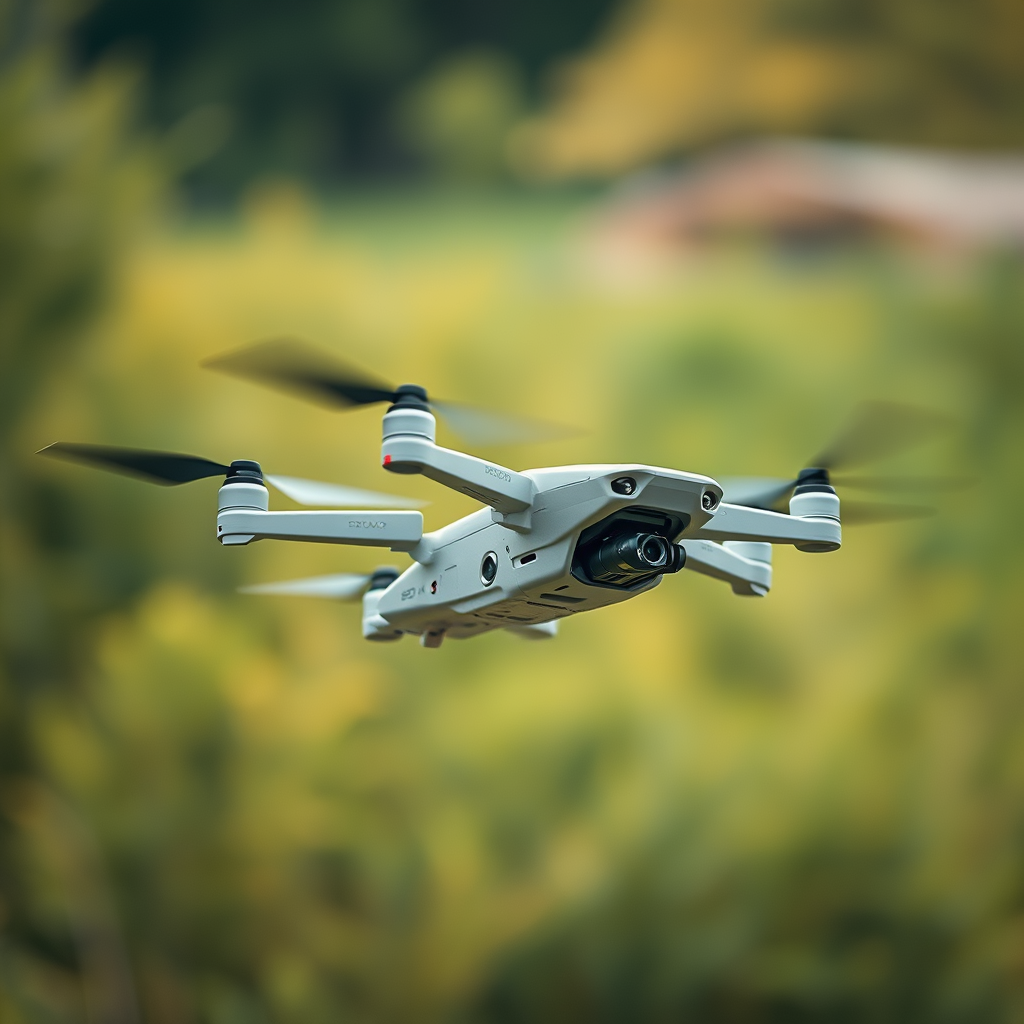
Several key factors influence the speed of a drone, making it essential for users to understand how these elements interact.
– Design and Construction: The aerodynamics of a drone plays a significant role in its flying speed. Drones with streamlined designs can cut through the air more efficiently, reducing drag and increasing speed. Additionally, the weight of the drone affects its ability to ascend quickly and maintain high speeds. Lightweight materials such as carbon fiber are often used in racing drones to enhance performance.
– Motor Power: The wattage of a motor is directly correlated with its ability to propel a drone at higher speeds. High-performance drones often feature brushless motors that provide more power and efficiency compared to traditional motors. For example, racing drones typically use motors rated at over 2000 kV, enabling them to achieve rapid acceleration and high top speeds.
– Battery Life: The capacity and discharge rates of a drone’s battery can limit its speed. Higher capacity batteries provide more energy, allowing for sustained high-speed flight. However, heavier batteries can also add weight, which may affect overall performance. Therefore, balancing battery life and weight is crucial for maximizing speed.
Speed Records in Drone Racing
The world of drone racing has seen incredible advancements in speed, showcasing the potential of this technology.
– Notable Speed Achievements: In 2019, drone racing pilot Chad Nowak set a world record by flying a racing drone at an astonishing speed of 179.6 mph during a competition. This achievement highlights the extreme capabilities of racing drones when piloted by skilled operators. Additionally, many drone racing leagues, such as the Drone Racing League (DRL), continuously push the boundaries of speed and technology.
– Impact of Technology: Innovations in drone technology, such as enhanced flight controllers and advanced communication systems, have significantly influenced speed records. These advancements allow for more precise control and faster response times, enabling pilots to navigate complex courses at high velocities. As technology progresses, we can expect even more remarkable speed achievements in the future.
Regulations Affecting Drone Speed
Understanding the regulatory landscape is vital for drone operators, as it can directly impact flight operations.
– FAA Guidelines: In the United States, the Federal Aviation Administration (FAA) regulates drone operations, including speed limits. According to FAA guidelines, drones must not exceed 400 feet in altitude and should operate at speeds that do not interfere with manned aircraft. While the FAA does not impose specific speed limits for drones, operators must always ensure their flights conform to safety regulations.
– Local Restrictions: Beyond federal regulations, local jurisdictions may impose their own restrictions on drone operations, including speed limits. For instance, some urban areas may have laws that restrict drone flights to lower speeds to minimize disturbances or hazards. It is essential for drone operators to familiarize themselves with local laws to avoid legal issues and ensure safe flying practices.
Future Trends in Drone Speed
The future of drone technology promises exciting advancements that could revolutionize speed and efficiency.
– Innovations in Materials: The development of lightweight materials such as titanium and advanced composites is set to enhance drone speed significantly. These materials offer strength without adding excessive weight, allowing for faster and more agile designs. As manufacturers adopt these innovations, we can expect drones to achieve even greater speeds in various applications.
– Electric Propulsion Systems: The shift towards electric propulsion systems is another trend that could lead to faster drones. These systems offer higher efficiency and lower maintenance compared to traditional combustion engines, allowing drones to maintain higher speeds for longer durations. As battery technology improves, the potential for faster, more efficient flight increases.
Practical Applications of Drone Speed
Understanding drone speed is crucial in various practical applications where time is of the essence.
– Delivery Services: Speed significantly impacts the effectiveness of drone delivery systems. Companies like Amazon and UPS are exploring the use of drones for quick package deliveries, and faster drones can reduce delivery times, enhancing customer satisfaction. For instance, a drone capable of flying at 50 mph can deliver packages much quicker than traditional delivery methods, especially in urban settings.
– Emergency Response: In search and rescue operations, speed is vital. Drones can quickly cover large areas, providing real-time data to emergency responders. For example, using drones to locate missing persons or assess disaster zones allows for rapid response times, potentially saving lives. The ability to deploy drones that can fly at higher speeds can significantly enhance the effectiveness of emergency operations.
In summary, the speed of drones varies widely based on their type and intended use. Consumer drones offer moderate speeds suitable for recreational use, while racing drones push the limits of velocity, and commercial drones balance speed with efficiency. Understanding these speeds and the factors influencing them can help users select the right drone for their needs. As technology continues to advance, staying informed about developments in drone capabilities will maximize performance, ensuring users can leverage the full potential of this innovative technology.
Frequently Asked Questions
What is the average speed of consumer drones?
The average speed of consumer drones typically ranges between 15 to 50 miles per hour (24 to 80 kilometers per hour). However, high-performance models, such as racing drones, can achieve speeds exceeding 100 miles per hour (160 kilometers per hour). Factors such as weight, battery life, and design significantly influence a drone’s speed.
How can I improve my drone’s flying speed?
To improve your drone’s flying speed, consider upgrading to a more powerful battery, using lighter materials for modifications, or optimizing the drone’s aerodynamics. Additionally, ensuring that your drone is well-maintained and calibrated can enhance its performance. Remember to always adhere to local regulations regarding drone modifications to maintain safety and compliance.
Why do racing drones fly faster than standard drones?
Racing drones are designed specifically for speed, featuring lightweight frames, high-performance motors, and optimized aerodynamics. Unlike standard drones, which often prioritize stability and camera capabilities, racing drones focus on agility and quick acceleration, allowing them to achieve maximum speeds in competitive environments. Their specialized components and minimal weight contribute to their enhanced speed performance.
Which drones are the fastest on the market?
Some of the fastest drones on the market include the DJI FPV, which can reach speeds of up to 87 miles per hour (140 kilometers per hour), and the Eachine Wizard X220, capable of hitting around 70 miles per hour (112 kilometers per hour). For enthusiasts looking for speed, racing drones like the ImmersionRC Vortex 250 Pro are also popular due to their high-speed capabilities and responsive handling.
How does altitude affect a drone’s speed?
Altitude can significantly affect a drone’s speed and performance. At higher altitudes, the air density decreases, which can reduce lift and thrust, potentially leading to slower flight speeds. However, some drones are designed to perform efficiently at various altitudes, and pilots can use techniques such as adjusting their flight settings to optimize performance based on the altitude they are flying at.
References
- https://en.wikipedia.org/wiki/Drone
- https://www.bbc.com/news/technology-48770930
- https://www.faa.gov/uas/
- https://www.sciencedirect.com/science/article/pii/S2352864819302060
- https://www.nasa.gov/mission_pages/solution/technologies/aircraft/drones.html
- https://www.techrepublic.com/article/how-fast-can-drones-fly/
- https://www.nytimes.com/2022/09/01/technology/drones-speed.html
