

Drones can fly in light rain, but it’s generally not advisable due to potential risks. Water exposure can damage electronic components, affect flight stability, and reduce battery efficiency. Understanding the implications of flying a drone in rainy conditions is crucial for operators who wish to protect their equipment and ensure safe operations. This article explores the factors you should consider before flying a drone in rainy conditions.
Understanding Drone Specifications
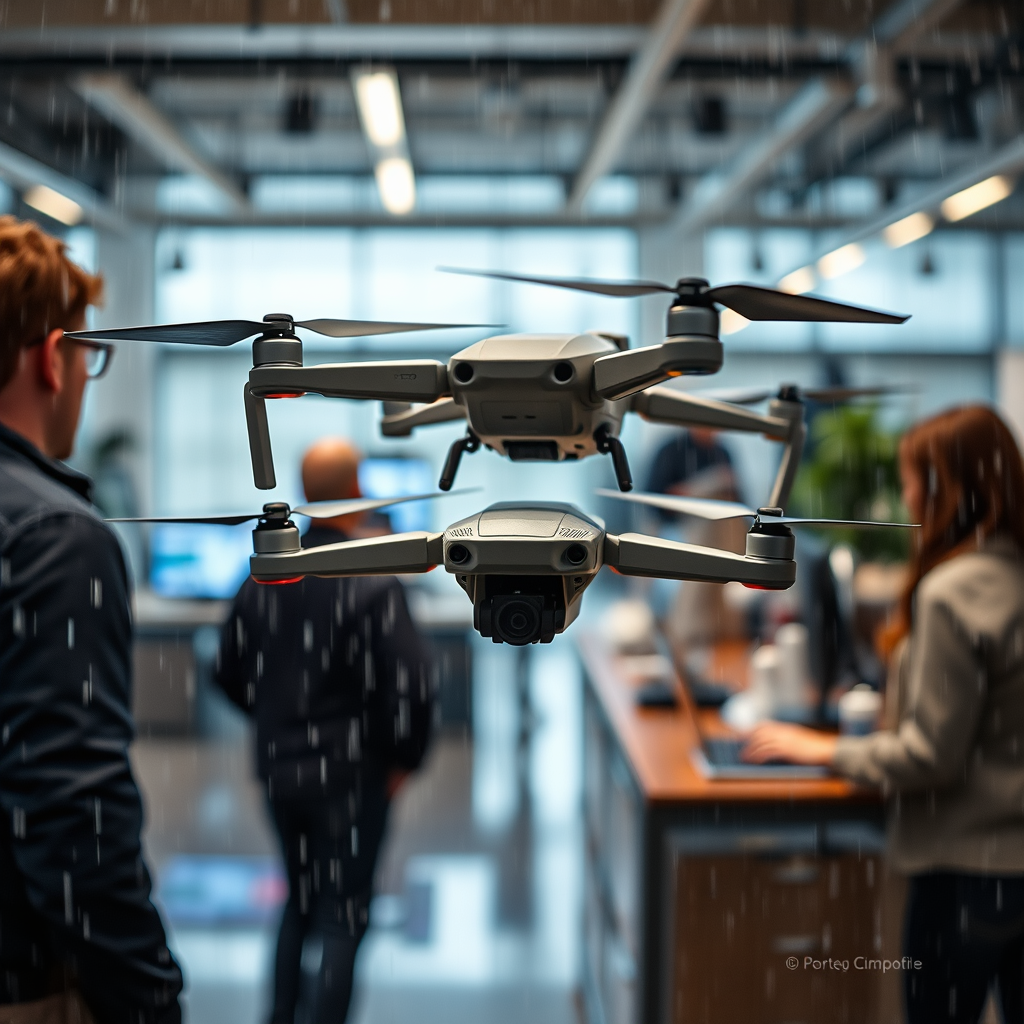
Different drones have varying levels of water resistance, which is a critical factor when considering flying in the rain. Many consumer drones are not built to withstand moisture and can suffer serious damage from even light rain. When evaluating whether a drone can handle wet conditions, it is essential to check the manufacturer’s specifications and guidelines regarding weather conditions. Some drones come with an IP rating, which indicates their level of protection against dust and water. For instance, a drone rated IP67 can withstand immersion in water up to one meter for a limited time, making it more suitable for inclement weather than those without such ratings.
Additionally, the materials used in the drone’s construction can influence its resilience against rain. Drones with weather-sealed components and corrosion-resistant materials are better suited for flying in rainy conditions. Furthermore, understanding the operational limits outlined in the user manual can help avoid potential pitfalls associated with flying in adverse weather.
Risks of Flying Drones in Rain
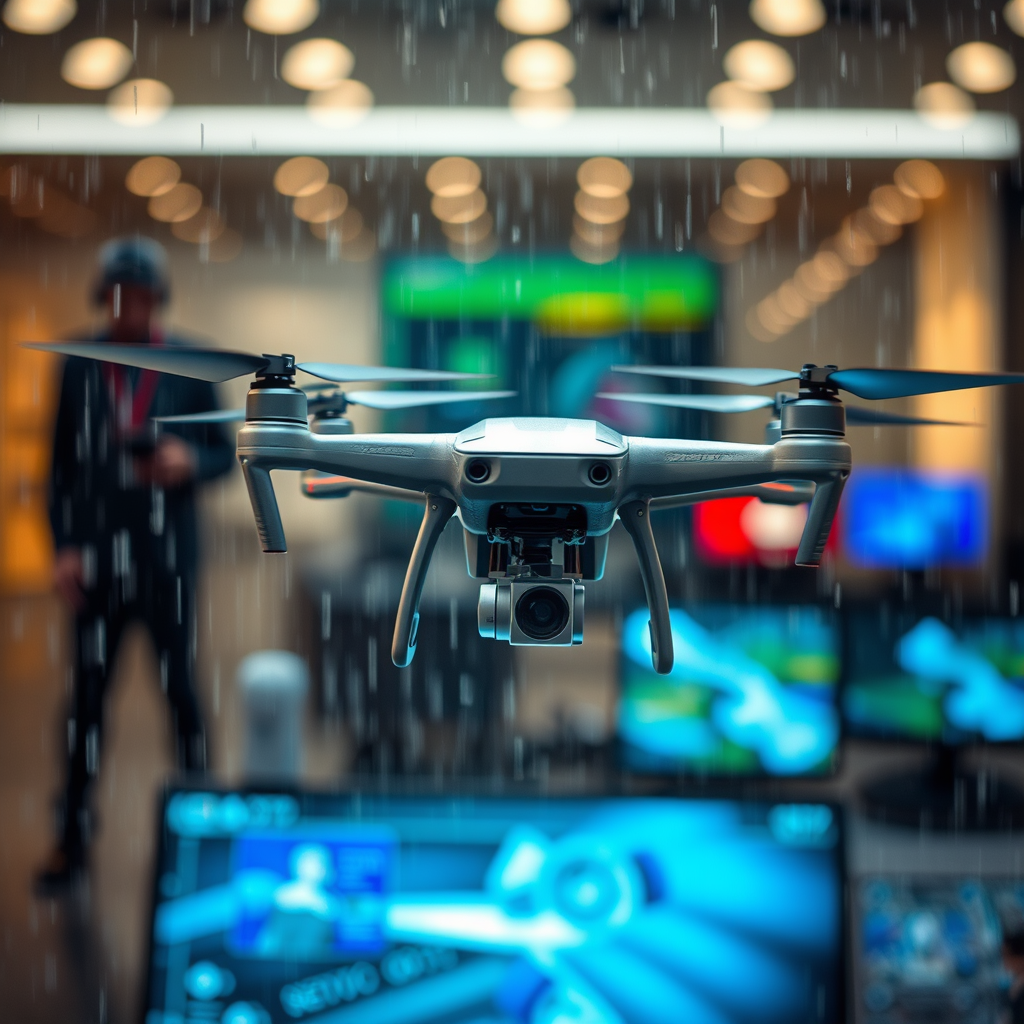
Water exposure can damage sensitive electronics within the drone, leading to malfunctions or complete failure during flight. Key components such as the flight controller, motors, and battery are particularly vulnerable to moisture, which can lead to short circuits or corrosion. This risk is compounded by the fact that rain can reduce visibility, creating an increased likelihood of crashes or collisions with obstacles.
Moreover, wet or slippery conditions can affect the drone’s sensors and GPS accuracy, leading to erratic flying behavior. For example, a drone equipped with a downward-facing camera for altitude hold may struggle to maintain its position if rain obstructs the lens. These factors can significantly compromise the safety of the flight, making it inadvisable to operate drones in rainy weather.
Types of Drones Suitable for Rain
While most consumer drones are not designed for wet conditions, some models are specifically engineered to handle adverse weather. Military drones, such as the MQ-9 Reaper, are built to operate in various environments, including rain and snow, thanks to their robust construction and advanced weatherproofing technologies. Additionally, certain commercial models have been developed for industries such as agriculture or surveillance, where flying in less-than-ideal weather is sometimes necessary.
For example, the DJI Matrice 200 series is designed for professional applications and features IP43-rated weather resistance, allowing it to withstand light rain and snow. Operators looking for a drone that can handle wet conditions should prioritize models that explicitly state their weather resistance capabilities and ensure that they are adequately equipped for such environments.
Best Practices for Rainy Weather Flying
If you decide to fly your drone in rainy conditions, it is vital to employ best practices to mitigate risks. First and foremost, use drones equipped with weatherproof casings designed to prevent water ingress. Additionally, limit flight time to reduce the exposure of electronic components to moisture. It is advisable to avoid flying during heavy rain or storms, as the risks associated with wind gusts and reduced visibility increase significantly.
Before each flight, conduct a thorough pre-flight check. Inspect the drone for any signs of water accumulation, and ensure that all connections are secure. Consider using a protective cover for the drone’s sensitive components, such as gimbals and cameras, during flight. Furthermore, familiarize yourself with the area you plan to fly in, as wet surfaces can create additional hazards, such as mud or standing water that may interfere with takeoff and landing.
Alternatives to Flying in Rain
If the weather forecast indicates rain, it may be wise to consider alternatives to flying your drone. Waiting for suitable weather conditions is often the best course of action, as flying in rain can lead to costly repairs and safety hazards.
In the interim, explore indoor flying options or utilize drone simulators that allow you to practice your piloting skills without the risks associated with real-world conditions. Many drone manufacturers offer simulators that replicate flying experiences, enabling you to hone your skills in a safe environment. This practice can prove invaluable when the weather clears, and you are ready to take to the skies again.
Legal Considerations
Before flying a drone in inclement weather, it is crucial to review local regulations regarding drone operation. Many jurisdictions have specific rules that govern flying in adverse weather conditions, particularly regarding safety and airspace restrictions. Understanding these regulations can help you avoid fines and legal repercussions.
Moreover, consider the potential liability and insurance implications of flying in rain. If an accident occurs due to weather conditions, you may face challenges in claiming insurance or be held liable for damages. Ensure that your drone insurance policy covers operations in varying weather conditions, and consult with an insurance professional to clarify any uncertainties.
Maintenance After Rainy Flights
Post-flight maintenance is essential, especially after operating in wet conditions. Thoroughly dry the drone to prevent any moisture from causing damage. Use a soft, lint-free cloth to wipe down the exterior and remove any water droplets. Pay special attention to motors and battery compartments, ensuring that they are free of moisture before storing the drone.
Additionally, inspect the drone for any signs of water damage or corrosion. Regular maintenance checks can help identify issues before they escalate, potentially saving you from costly repairs. Keeping an eye on the drone’s performance after exposure to rain is also advisable, as any abnormalities may indicate underlying problems that require attention.
In conclusion, while some drones can handle light rain, it’s crucial to understand the risks and limitations involved. Water exposure can lead to significant damage, reduced visibility can compromise safety, and not all drones are built for adverse weather. Always prioritize safety and consider waiting for clearer skies before taking to the air, ensuring that both you and your drone remain in prime condition for future flights.
Frequently Asked Questions
Can drones fly in the rain without getting damaged?
While some drones are designed to withstand light rain or moisture, most consumer models are not waterproof and can suffer damage if exposed to heavy rain. Water can infiltrate the drone’s electronics, motors, and battery, leading to malfunctions or permanent damage. It’s crucial to consult the manufacturer’s specifications to determine a drone’s water resistance level before flying in any rain.
How does flying a drone in rain affect its performance?
Flying a drone in the rain can significantly affect its performance due to reduced visibility, increased weight from water accumulation, and potential interference with the drone’s sensors. Rain can cause the drone to become less stable in the air and may lead to shorter flight times as the motors work harder to compensate for the added weight. It’s advisable to avoid flying in rain to ensure optimal performance and safety.
Why is it dangerous to fly drones in wet weather conditions?
Flying drones in wet weather poses several risks, including reduced visibility for the pilot and potential loss of control due to slippery surfaces on the drone’s body. Additionally, water exposure can lead to electrical failures or short-circuits, which can cause the drone to crash. Pilots should prioritize safety by avoiding flights in adverse weather conditions to prevent accidents and equipment damage.
What are the best practices for flying a drone in light rain?
If you must fly a drone in light rain, ensure that you have a water-resistant model and limit your flight duration to minimize exposure. Use propeller guards to protect the drone’s components and keep it as dry as possible. Always conduct a pre-flight check to ensure that all systems are functioning properly, and be prepared to land quickly if conditions worsen. However, flying in rain is generally discouraged for safety reasons.
Which drones are specifically designed for flying in wet conditions?
Several drones are built for wet conditions, including the DJI Matrice 200 series, which is weather-resistant and suitable for various environmental challenges. Other commercial drones, such as the Yuneec Typhoon H Pro, also offer some level of water resistance. When choosing a drone for wet conditions, it’s essential to look for models with an IP rating indicating their level of water and dust resistance, ensuring safe operation in challenging weather.
References
- https://www.wired.com/story/can-drones-fly-in-the-rain/
- https://www.nytimes.com/2020/12/09/technology/drones-rain-weather.html
- https://www.sciencedirect.com/science/article/pii/S2352864821001405
- https://www.nasa.gov/feature/nasa-drones-can-fly-in-the-rain
- https://www.faa.gov/uas/
- https://www.abc.net.au/news/2021-05-27/drones-flying-in-the-rain/100185640
- https://www.theguardian.com/technology/2020/jul/21/drones-weather-rain-snow-ice
- https://www.bbc.com/news/technology-48940886
