
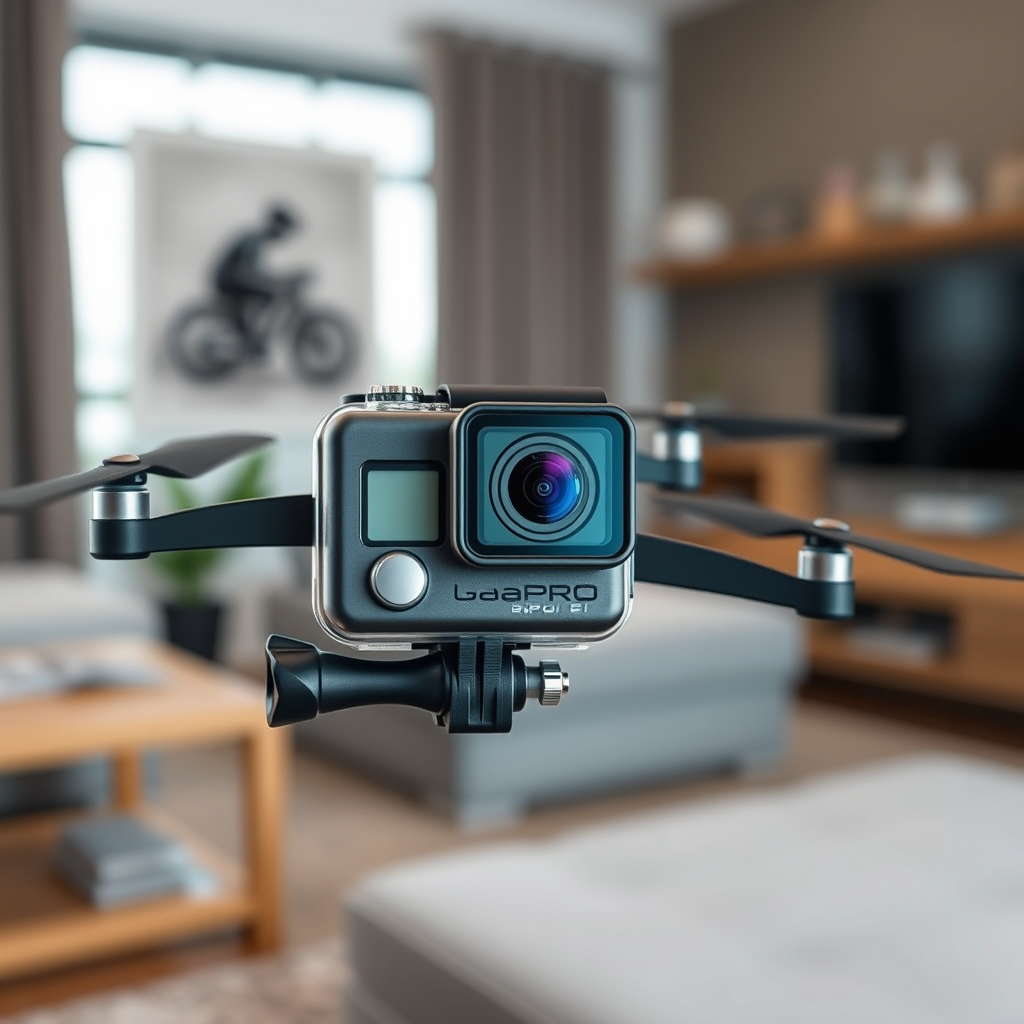
Yes, you can use a GoPro for FPV (First Person View) drone cameras. GoPro cameras are compact, lightweight, and offer excellent video quality, making them a popular choice among drone enthusiasts. However, integrating a GoPro into your FPV setup requires careful consideration of various factors, including compatibility, video quality, and safety regulations. In this article, we will explore these elements in detail to help you make an informed decision about using a GoPro for your FPV drone.
Understanding FPV Drone Systems
FPV drones are designed for real-time video transmission, allowing pilots to experience flying from the drone’s perspective. Typically, these drones are equipped with lightweight cameras that can transmit live video feeds to the pilot’s goggles or monitor, facilitating a seamless flying experience. While GoPro cameras are renowned for their high-quality recording capabilities, they may not inherently support real-time video streaming without additional equipment.
Most FPV setups utilize analog or digital cameras that prioritize low latency and lightweight design. GoPros, on the other hand, are primarily built for capturing high-resolution video rather than live streaming. To effectively use a GoPro for FPV flying, you may need to invest in additional gear such as a video transmitter (VTX) or HDMI output module. This additional equipment can significantly enhance the usability of the GoPro in an FPV context.
Compatibility Considerations
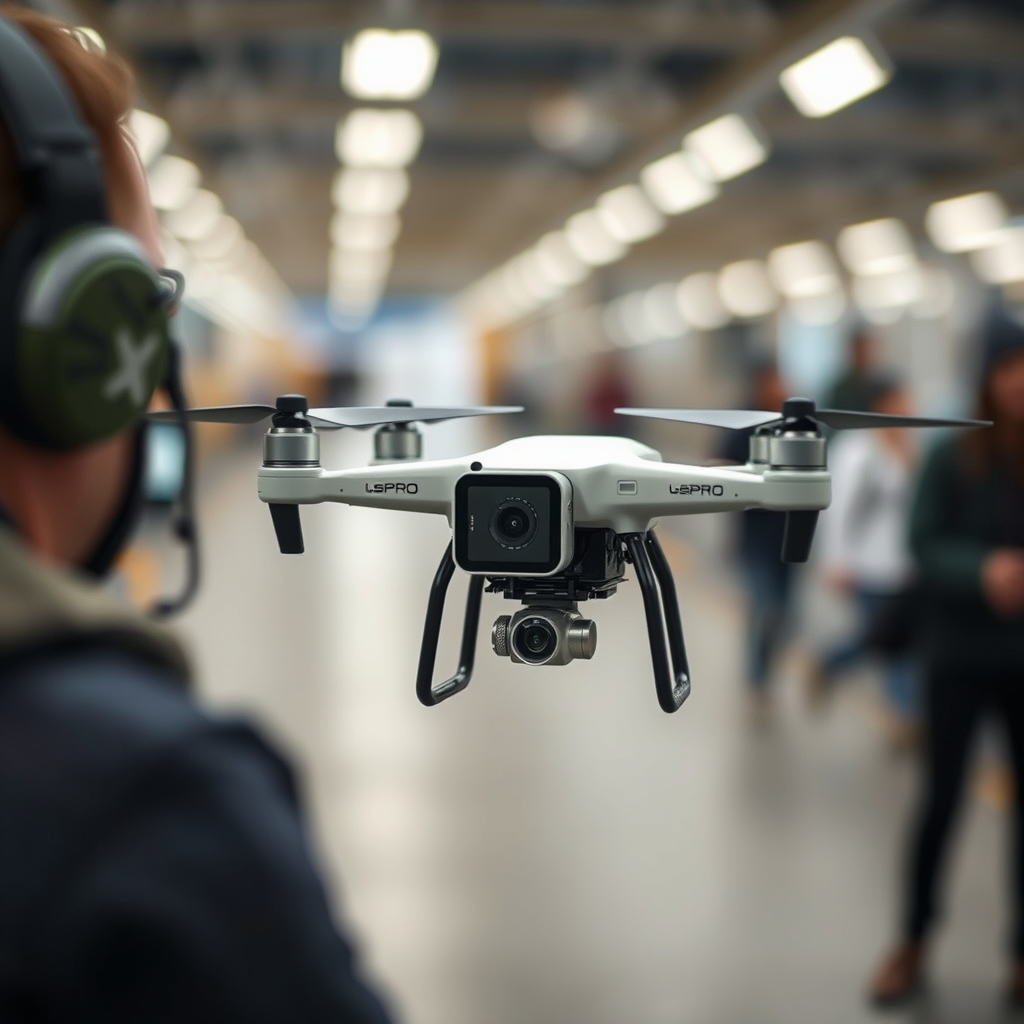
When considering the integration of a GoPro into your FPV drone setup, it’s essential to evaluate the compatibility of your drone. One of the primary factors to assess is the weight limit of your drone. FPV drones are typically designed to carry lightweight components, and the added weight of a GoPro can affect flight performance. For instance, if your drone has a maximum payload capacity of 250 grams and the GoPro Hero 10 weighs approximately 153 grams, you will need to factor in the weight of any additional mounts or equipment.
Additionally, proper mounting solutions are crucial for securely attaching the GoPro to your drone. Many drone enthusiasts opt for custom mounts or off-the-shelf options specifically designed for GoPro cameras. A well-designed mount not only secures the camera but also positions it optimally for capturing aerial footage. It is advisable to conduct thorough research or consult community forums to find the best mounting solutions tailored to your drone model.
Video Quality Advantages
One of the standout features of GoPro cameras is their exceptional video quality. Known for their superior video stabilization, high resolution, and vibrant color accuracy, GoPros can capture stunning aerial footage that enhances your drone’s filming capabilities. For example, the GoPro Hero 10 Black offers 5.3K video at 60 frames per second, along with advanced HyperSmooth stabilization technology, which minimizes the effects of drone vibrations and sudden movements.
This high-quality recording is particularly beneficial for filmmakers and content creators looking to produce cinematic drone footage. By combining an FPV drone’s agility with a GoPro’s superior camera capabilities, you can achieve dynamic shots that were previously challenging to capture. Whether you’re shooting for personal projects or professional assignments, the improved video quality can elevate your content and provide a competitive edge.
Powering the GoPro in Flight
Another crucial consideration when using a GoPro for FPV drone cameras is the power requirements. GoPros typically have limited battery life, which can be a constraint during extended flights. For instance, the GoPro Hero 10 Black has a battery life of around 1.5 to 2 hours under optimal conditions, which may not suffice for longer FPV sessions. Therefore, it is essential to plan for power management effectively.
To extend the flight time of your GoPro-equipped drone, consider utilizing external battery solutions or power banks. Some drone enthusiasts employ power-sharing methods that allow the drone’s battery to charge the GoPro during flight, ensuring that the camera remains operational for the entire duration. It’s also beneficial to carry extra batteries and develop a rotation system to minimize downtime between flights. Thoroughly testing your setup in a controlled environment can help you determine the most efficient power solutions.
Mounting Techniques for Optimal Performance
The mounting of your GoPro is vital for capturing high-quality footage without distortion caused by drone vibrations. Utilizing vibration dampening mounts can significantly reduce unwanted shakes and jolts in your video, leading to smoother results. These mounts are designed to absorb the vibrations from the drone, allowing the camera to remain stable during flight.
Ensure that the camera is securely fastened to prevent it from detaching during flight. A strong mounting solution not only provides stability but also protects the camera from potential damage during crashes or rough landings. Conducting pre-flight checks to confirm that the camera is secure and positioned correctly is essential for ensuring optimal performance.
Legal and Safety Regulations
Before integrating a GoPro into your FPV drone setup, it is imperative to familiarize yourself with local regulations regarding drone weight limits and camera usage. Different countries and regions have specific laws governing the operation of drones, particularly concerning the weight of the drone and any attached cameras. For instance, in the United States, the Federal Aviation Administration (FAA) has established guidelines that must be followed, including weight limits for recreational and commercial drone operations.
Moreover, safety must be a top priority when flying a drone equipped with a GoPro. Always fly responsibly and be aware of your surroundings to prevent accidents and respect the privacy of others. This includes maintaining a safe distance from people, buildings, and restricted airspace. Engaging with the drone community and staying updated on regulations will help ensure that your drone flying experience remains enjoyable and compliant.
In conclusion, using a GoPro for FPV drone cameras is not only feasible but can also enhance your aerial filming experience dramatically. However, it is crucial to consider various factors such as compatibility, power management, and safety regulations to ensure optimal results. By being mindful of these elements, you can successfully integrate a GoPro into your FPV setup, enabling you to capture stunning aerial footage and enjoy the thrill of flying from a first-person perspective. Happy flying and filming!
Frequently Asked Questions
Can you use a GoPro camera for an FPV drone setup?
Yes, you can use a GoPro camera for an FPV (First Person View) drone setup. GoPro cameras are popular among drone enthusiasts for their high-quality video and image stabilization features. However, you will need to ensure that your drone has the proper mounting system and weight capacity to support the GoPro, as these cameras tend to be heavier than standard FPV cameras.
What are the advantages of using a GoPro for FPV drone footage?
Using a GoPro for FPV drone footage offers several advantages, including superior video quality, excellent color reproduction, and advanced stabilization technology like HyperSmooth. These features help to create smooth, cinematic footage that can enhance the viewing experience. Additionally, GoPros are built to withstand various weather conditions, making them suitable for outdoor flying.
How do you mount a GoPro on an FPV drone?
To mount a GoPro on an FPV drone, you’ll need a compatible mounting bracket or adapter, which can often be found at drone accessory stores. Ensure that the camera is securely attached to avoid vibrations that can lead to shaky footage. It’s also essential to consider the drone’s center of gravity when positioning the GoPro to maintain optimal flight performance.
Why is it important to choose the right GoPro model for FPV flying?
Choosing the right GoPro model for FPV flying is crucial because different models offer varying features such as video resolution, frame rates, and stabilization capabilities. For instance, models like the GoPro Hero 9 or Hero 10 provide 4K video and advanced stabilization, making them ideal for capturing high-quality aerial footage. Selecting a model that meets your specific filming needs will enhance the overall quality of your FPV videos.
Which GoPro accessories enhance FPV drone filming?
Several GoPro accessories can enhance FPV drone filming, including ND filters, which reduce glare and improve video quality in bright conditions, and extended battery packs for longer flight times. Additionally, using a sturdy mount that isolates vibrations can significantly improve video stability. Investing in these accessories can help you achieve professional-looking results during your FPV flights.
References
- https://en.wikipedia.org/wiki/First-person_view
- https://www.theverge.com/2018/7/30/17630700/gopro-fpv-drone-camera
- https://www.techradar.com/news/gopro-hero-9-black-review
- https://www.pcmag.com/picks/the-best-drones
- https://www.wired.com/story/a-beginners-guide-to-fpv-drones/
- https://www.faa.gov/uas/
- https://www.dronepilotgroundschool.com/what-is-fpv-drone-racing/
