
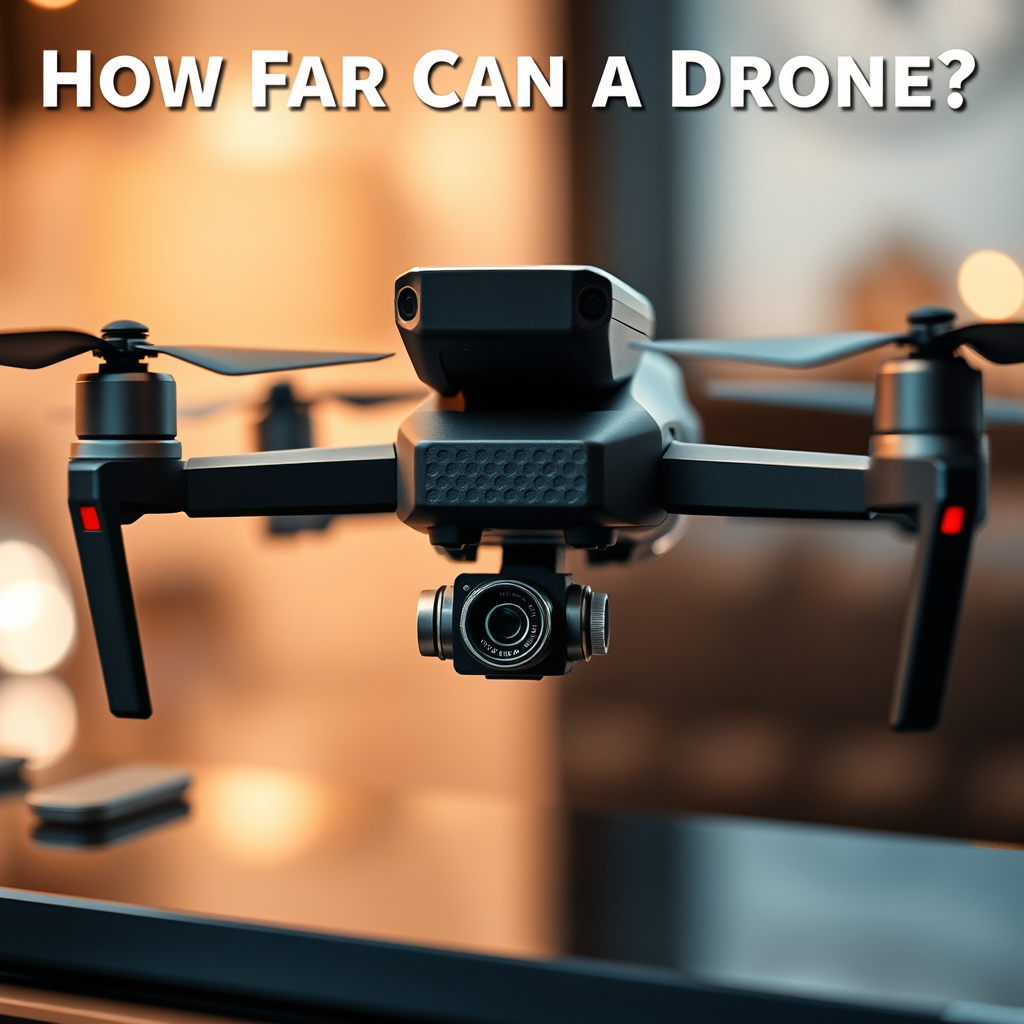
Most consumer drones can fly anywhere from a few hundred meters to several kilometers, depending on their specifications and the environment. The range of a drone is influenced by multiple factors, including battery life, signal strength, and the weight of the drone. In this article, we will dive into the factors that affect drone range, explore the technology behind it, and provide tips for maximizing distance.
Understanding Drone Range

The range of a drone is a critical factor that varies significantly based on several key elements. Battery life, signal strength, and the weight of the drone are the primary influencers. Battery capacity directly affects how long a drone can stay airborne, while signal strength determines how far the drone can effectively communicate with its controller. Additionally, the weight of the drone, including any payload, can impact its overall performance and range.
When distinguishing between types of drones, consumer models typically have a range of 1 to 5 kilometers, while professional models can extend this range to 10 kilometers or more, depending on their design and purpose. For instance, the DJI Mavic Air 2 has an impressive range of up to 10 kilometers, making it suitable for various applications, from photography to agriculture.
Battery Life and Its Impact
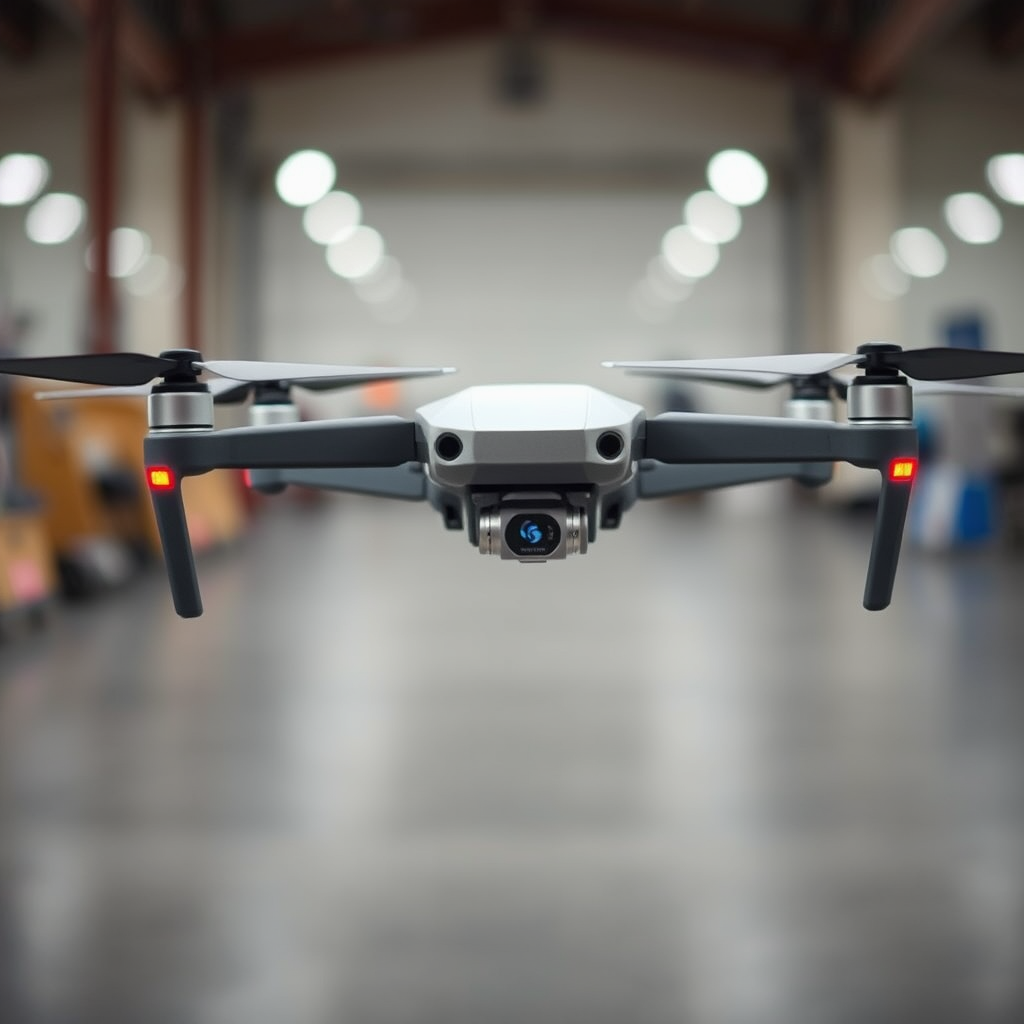
Battery life is crucial for drones, as it dictates how long they can remain airborne. The capacity of the battery, measured in milliamp-hours (mAh), plays a significant role in determining flight duration. For example, a drone with a 3000 mAh battery may achieve about 20 to 30 minutes of flight time, depending on its usage patterns.
The average flight times for different drone models can vary widely. Entry-level drones might only last around 10-15 minutes, while high-end models can sustain flight for more than 30 minutes. This variance directly affects the distance a drone can cover. If a drone consumes high energy due to heavy payloads or adverse conditions, it may not achieve its maximum range, as it will need to return to the launch point sooner than expected.
Signal Strength and Connectivity
Signal strength is another vital factor influencing a drone’s operational range. Most drones rely on GPS for navigation and radio signals for communication between the drone and its controller. A strong GPS signal ensures accurate positioning, while robust radio signals maintain control over longer distances.
However, interference can significantly reduce the effective distance during flight. Obstacles such as buildings, trees, and even other electronic devices can disrupt the signal, leading to potential loss of control or degraded performance. For example, flying a drone in a heavily urbanized area may result in a reduced range compared to flying in open, rural landscapes.
Environmental Factors
Environmental conditions play a critical role in determining how far a drone can fly. Weather elements, such as wind, rain, and temperature, can all affect flight performance. High winds can make it challenging for drones to maintain stability, thus limiting their operational range.
Terrain also influences drone range; flying over uneven landscapes or obstacles can hinder signal strength and battery life. Urban environments, with their myriad of structures, pose unique challenges for drone operators. In contrast, rural settings often provide an open line of sight, allowing drones to operate at maximum efficiency and distance.
Maximizing Drone Flight Distance
To optimize flight distance, drone operators can employ several techniques. One of the primary methods is extending battery life. This can be achieved by flying in optimal conditions—calm weather and moderate temperatures—as well as reducing payload weight whenever possible.
Another effective strategy is to optimize signal strength. Operators should familiarize themselves with the drone’s specifications and limitations, ensuring that they fly within the recommended distance from the controller. Using antennas or signal boosters can also enhance connectivity, allowing for greater distances. Finally, avoiding areas with known interference—such as near radio towers or large electronic devices—can help maintain a stable connection throughout the flight.
Future of Drone Range Technology
As technology continues to advance, the potential for extending drone range capabilities is promising. Emerging technologies such as advanced battery solutions, including lithium-sulfur and solid-state batteries, are being researched to improve energy efficiency and flight duration. Additionally, the development of improved communication technologies, such as 5G networks, may enhance the reliability and range of drone operations.
Predictions suggest that as these technologies mature, we could see drones capable of flying distances exceeding current capabilities, opening doors for new applications and industries. This evolution could lead to significant advancements in sectors such as logistics, surveillance, and agriculture.
Real-World Applications of Drone Distance
Drones are increasingly being utilized for tasks that require long-distance flight. For instance, in the logistics sector, companies like Amazon are exploring drone delivery services that necessitate reliable long-range capabilities. The ability to fly several kilometers could drastically reduce delivery times and costs.
Surveying and mapping also benefit from drones that can travel extended distances. For example, companies in the construction and agriculture industries use drones to survey vast areas of land, capturing data and images that would be time-consuming and costly to obtain through traditional methods. Case studies, such as the use of drones for monitoring crop health over large fields, showcase the efficiency and effectiveness of long-range drone capabilities in real-world applications.
In conclusion, understanding how far a drone can go involves considering various factors such as battery life, signal strength, and environmental conditions. As technology continues to evolve, the potential for longer drone flights will expand, making them even more versatile for a range of applications. As we look to the future, the advancements in drone technology promise to reshape industries and enhance the capabilities of these remarkable flying machines.
Frequently Asked Questions
How far can a consumer drone typically fly?
The average range for consumer drones varies significantly based on the model and technology used. Most consumer drones can fly anywhere from 1 to 5 miles (1.6 to 8 kilometers) when operating under optimal conditions. However, factors like battery life, signal strength, and environmental obstacles can affect this range, so it’s important to consult the manufacturer’s specifications for the exact distance capabilities of your particular drone.
What factors affect a drone’s flying distance?
Several factors can influence a drone’s flying distance, including battery capacity, weight, and weather conditions. Additionally, the type of controller used (such as Wi-Fi or radio frequency) plays a crucial role; drones that utilize radio frequency typically have a longer range than those relying on Wi-Fi. Interference from obstacles like trees or buildings, as well as regulations regarding line-of-sight flying, can also limit how far a drone can travel.
How can I extend the flying range of my drone?
To extend the flying range of your drone, consider investing in a high-capacity battery or additional batteries for longer flight times. Upgrading to a more powerful transmitter or using signal boosters can also enhance the connection between the drone and the controller. Additionally, flying in open areas away from obstacles and ensuring the drone is maintained in optimal condition can help maximize its range.
Why do different types of drones have varying flight ranges?
Different types of drones have varying flight ranges due to their design, purpose, and technology. For example, racing drones are built for speed and agility but may have shorter ranges, while professional camera drones are engineered for stability and can often fly much farther. The technology used to communicate between the drone and controller, such as Wi-Fi versus radio frequencies, also significantly impacts the maximum distance a drone can effectively operate.
Which drone models offer the longest flight range?
If you’re looking for drones with the longest flight range, models such as the DJI Mavic 3 and the DJI Air 2S are popular choices, with ranges exceeding 6 miles (10 kilometers) under optimal conditions. Other models like the Autel Robotics EVO Lite and Skydio 2 also offer impressive flight ranges and robust performance. When selecting a drone for extended flying, always check the manufacturer’s specifications to ensure it meets your needs.
References
- https://en.wikipedia.org/wiki/Drone
- https://www.faa.gov/uas/getting_started/part_107/
- https://www.nytimes.com/2021/01/05/us/drones-delivery.html
- https://www.reuters.com/technology/us-faa-finally-issues-new-drone-rules-2021-01-15/
- https://www.sciencedirect.com/science/article/pii/S2352864821000661
- https://www.nasa.gov/aeroresearch/programs/airspace/uas-research
- https://www.bbc.com/news/technology-48524739
- https://www.theguardian.com/technology/2020/jan/14/drone-delivery-services-what-you-need-to-know
- https://www.itu.int/en/ITU-R/study-groups/rsg5/Pages/default.aspx
- https://www.usda.gov/topics/farming/precision-agriculture/drones-agriculture
