
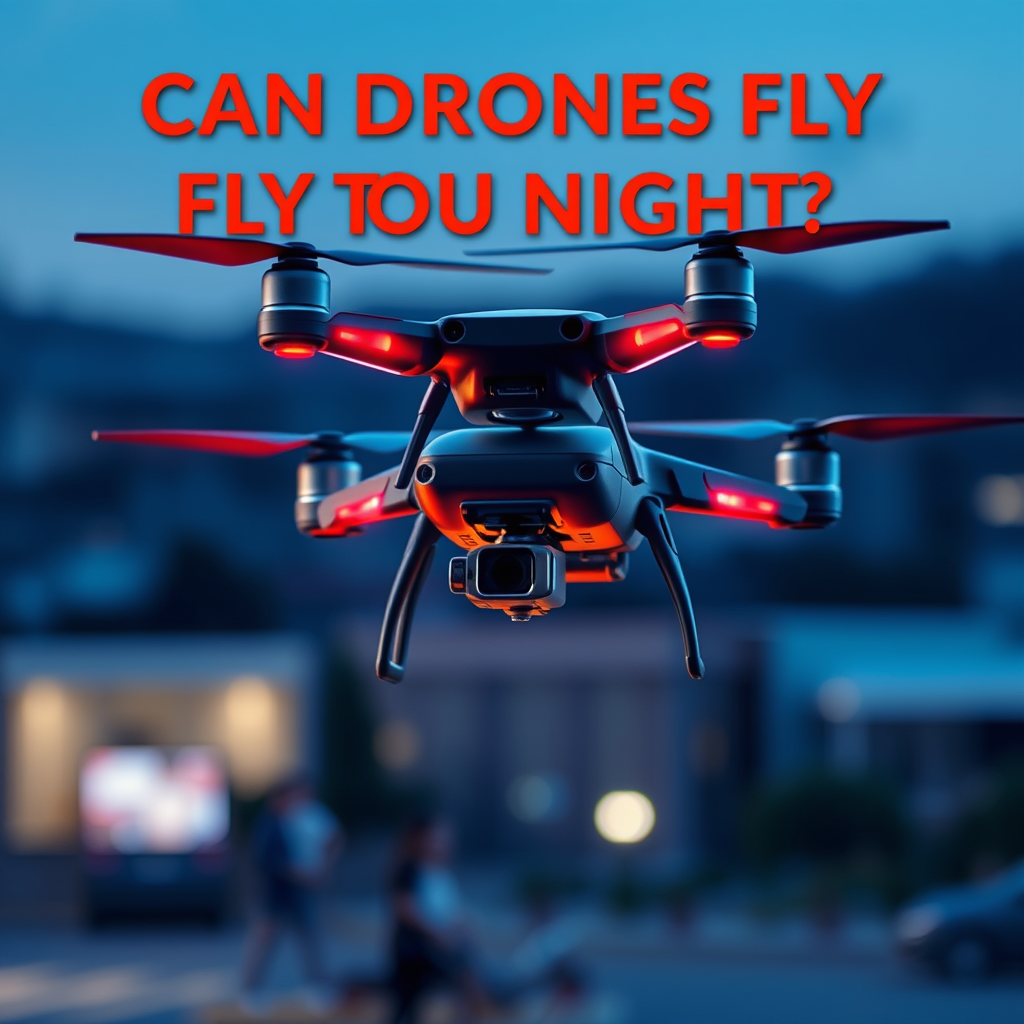
Yes, drones can fly at night, but there are specific regulations and safety considerations that must be followed. In many countries, including the United States, the use of drones after sunset requires adherence to strict guidelines established by aviation authorities to ensure safe operating conditions. These regulations are designed to mitigate risks associated with reduced visibility and to promote safe airspace use, allowing both recreational and commercial operators to harness the unique capabilities of drones during nighttime hours.
Understanding Night Flight Regulations

In the United States, the Federal Aviation Administration (FAA) has established clear rules governing night flights for drones. According to FAA regulations, flying a drone at night is permissible for operators who hold a Part 107 certification, which is required for commercial use. One of the primary stipulations for night flying under Part 107 is that the drone must be equipped with anti-collision lights that are visible for at least three statute miles. These lights must also be capable of being seen from the drone’s flight path, aiding in the visibility of the aircraft to both the operator and others in the vicinity.
Additionally, it is crucial for operators to maintain visual line-of-sight (VLOS) with their drone at all times, even during night flights. This can be challenging due to the limited visibility, hence why adherence to lighting requirements is essential. In certain jurisdictions, there may be additional local regulations that further restrict night flying or require additional permits, making it vital for drone operators to familiarize themselves with both federal and local laws before taking to the skies after dark.
Types of Drones Approved for Night Flights
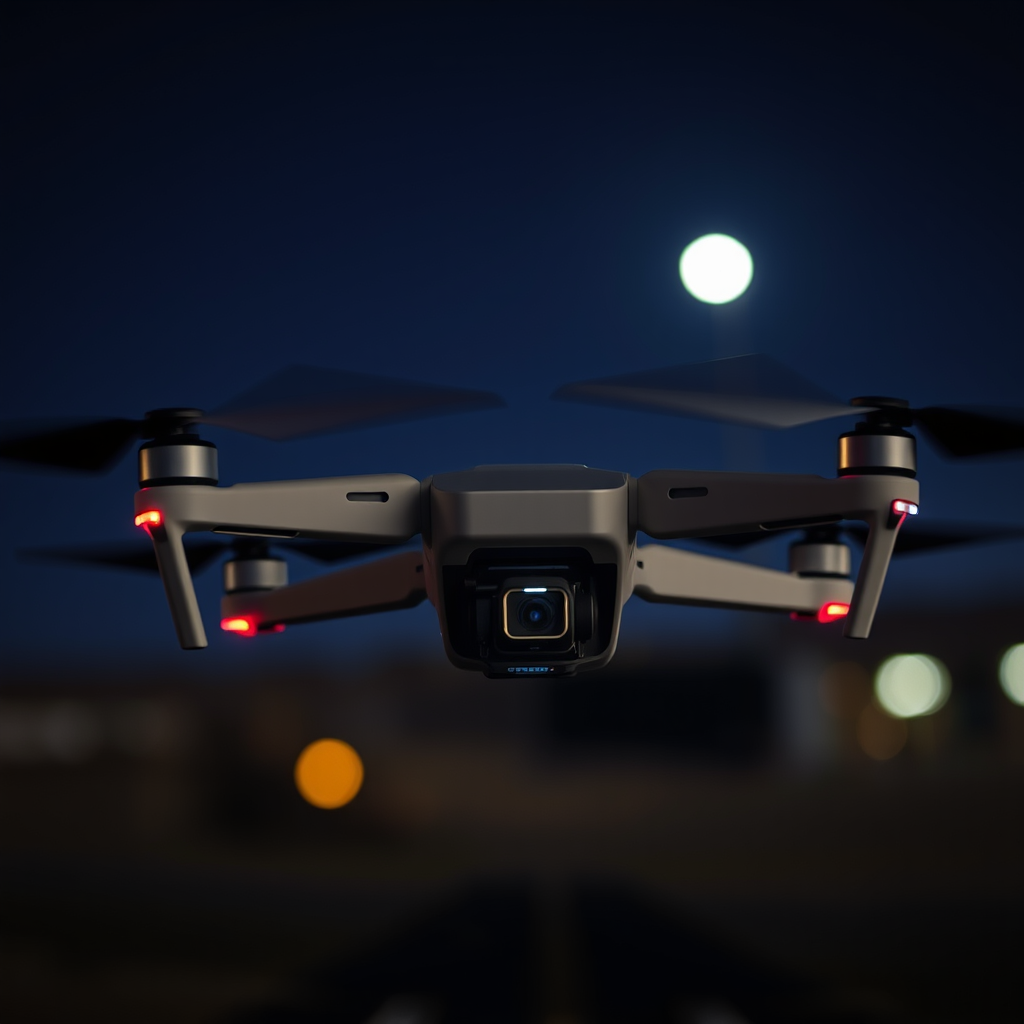
Not all drones are equipped for safe night operations. Drones that are suitable for night flying typically come with advanced lighting systems and enhanced visibility features. For instance, models like the DJI Phantom 4 Pro and the Autel Robotics EVO Lite are equipped with powerful LED lights that not only comply with FAA regulations but also provide excellent visibility in low-light conditions.
Beyond lighting, some drones incorporate advanced navigation systems that assist operators during night flights. Drones with GPS capability, obstacle avoidance sensors, and real-time telemetry can greatly enhance safety and operational efficiency. It is advisable for potential night flyers to review the specifications of their drones carefully and ensure that they meet the necessary regulatory standards for night operations.
Safety Considerations for Night Flying
Flying a drone at night poses unique safety challenges that operators must navigate. The most significant concern is visibility. While anti-collision lights are required, they might not provide sufficient illumination for detailed navigation or obstacle detection. It is critical for operators to plan their flight paths meticulously, identifying any potential hazards such as trees, buildings, or other obstacles that might not be easily visible in the dark.
Moreover, nighttime flying can also lead to disorientation for the operator. The stark contrast between the illuminated drone and its dark surroundings can create a false sense of security, making it difficult to maintain spatial awareness. To mitigate these risks, operators should practice flying in low-light conditions before attempting nighttime missions. This preparatory experience is invaluable in enhancing confidence and skill.
Pre-Flight Checks for Night Operations
Before embarking on a night flight, a comprehensive pre-flight checklist is essential to ensure readiness and safety. Operators should verify that all required lighting is functioning properly; this includes both navigational lights and any additional illumination systems that may be installed on the drone.
Furthermore, a thorough inspection of the drone’s battery levels is crucial, as night flights can consume more power due to increased lighting usage. Operators should also confirm that the drone’s firmware is up to date, and that all systems are functioning correctly. Conducting a dry run of the planned flight path during daylight hours can provide invaluable insights into potential challenges that may arise during the actual night operation.
Technology Enhancements for Night Flying
Recent advancements in drone technology have made night operations safer and more feasible than ever before. Innovations such as thermal imaging and night vision cameras allow operators to navigate and capture images in complete darkness. These technologies are particularly beneficial for applications in search and rescue, wildlife monitoring, and security surveillance, where visibility is paramount.
Additionally, enhanced navigation systems equipped with advanced sensors can assist in obstacle avoidance, reducing the likelihood of accidents. Drones like the DJI Matrice 300 RTK come with built-in AI capabilities that help identify and navigate obstacles, which is crucial when flying in low-light environments. As drone technology continues to evolve, we can expect even more sophisticated tools that will improve the safety and effectiveness of night flying.
Common Night Flying Scenarios
Night flying offers unique opportunities for various use cases, including photography, videography, and surveillance. Aerial photographers often take advantage of the dramatic lighting and unique perspectives that nighttime offers, creating stunning images that capture the ambiance of urban landscapes or natural settings. For commercial operators, drones are increasingly used for nighttime infrastructure inspections, where the need for visual assessments can occur outside of standard working hours.
However, there are important considerations that differentiate commercial from recreational night flying. Commercial operators are bound by stricter regulatory requirements and must adhere to comprehensive safety protocols. Recreational users, while still required to follow regulations, may have more flexibility in their operations, albeit at the cost of additional safety risks associated with less experience and preparation.
Future of Night Drone Operations
The future of night drone operations appears promising, with ongoing trends in both regulatory frameworks and technological advancements. As the demand for nighttime drone services grows, regulatory bodies are likely to adapt, potentially streamlining the approval process for night operations and expanding the scope of permissible activities.
Furthermore, technology will continue to play a pivotal role in enhancing the safety of night flying. Innovations such as better battery life, improved lighting systems, and advanced data analytics for real-time decision-making will shape the landscape of night drone operations. These advancements will not only improve operational efficiency but also attract more operators to explore the potential of flying drones at night.
In conclusion, while drones are permitted to fly at night under certain conditions, operators must be well-informed about the regulations and safety measures necessary for a successful flight. Adhering to FAA guidelines, leveraging advanced technology, and conducting thorough pre-flight checks can significantly enhance the safety and effectiveness of night operations. Whether for work or hobby, understanding these aspects will undoubtedly improve your night flying experience, opening up a world of possibilities in the dark sky.
Frequently Asked Questions
Can drones fly at night legally?
Yes, drones can fly at night legally, but specific regulations must be followed. In the United States, the Federal Aviation Administration (FAA) requires drone pilots to have a Part 107 certification and the drone must be equipped with anti-collision lights visible for at least three statute miles. It’s crucial to check local laws and regulations, as they may have additional restrictions on nighttime operations.
What equipment do I need for nighttime drone flying?
To fly a drone at night, you need to ensure your drone is equipped with proper lighting, such as anti-collision lights that are visible from a distance. Additionally, having a drone with a good quality camera can enhance visibility and capture better footage in low-light conditions. It’s also advisable to use a drone with GPS capabilities for safer navigation during nighttime operations.
Why is flying drones at night more challenging?
Flying drones at night is more challenging primarily due to reduced visibility and the difficulty in maintaining orientation. Pilots may struggle to see landmarks and other obstacles, increasing the risk of accidents. Furthermore, the lack of ambient light can make it harder to judge altitude and distance, which is why proper lighting and experience are critical for safe nighttime flying.
What are the best practices for flying drones at night?
The best practices for flying drones at night include ensuring your drone is equipped with bright, visible lights, flying in familiar areas, and maintaining a line of sight with your drone at all times. It’s also wise to conduct a pre-flight check of your equipment, avoid crowded places, and limit flight duration to ensure battery life is sufficient for safe return and landing.
Which drones are best suited for night flying?
Drones specifically designed for night flying typically have high-quality cameras, robust lighting systems, and advanced navigation features. Models like the DJI Mavic Air 2 and the DJI Phantom 4 Pro come equipped with excellent night vision capabilities and bright LED lights, making them ideal for low-light conditions. When choosing a drone for night flying, prioritize those with good stability and low-light performance to enhance safety and video quality.
References
- https://en.wikipedia.org/wiki/Drone#Regulations
- https://www.faa.gov/uas/getting_started/part_107
- https://www.nytimes.com/2021/04/12/us/drones-safety-night.html
- https://www.reuters.com/technology/why-drones-are-flying-more-nights-2021-09-14/
- https://www.faa.gov/newsroom/faa-issues-new-rules-night-operations-small-unmanned-aircraft-systems
- https://www.mit.edu/research/drones-night-operations
- https://www.nasa.gov/centers/armstrong/news/FactSheets/FS-084-DFRC.html
- https://www.aa.com.tr/en/science-technology/us-initiates-steps-to-permit-drones-to-fly-at-night/1948808
- https://www.insideunmannedsystems.com/faa-issues-new-guidance-for-night-operations-of-small-drones/
