
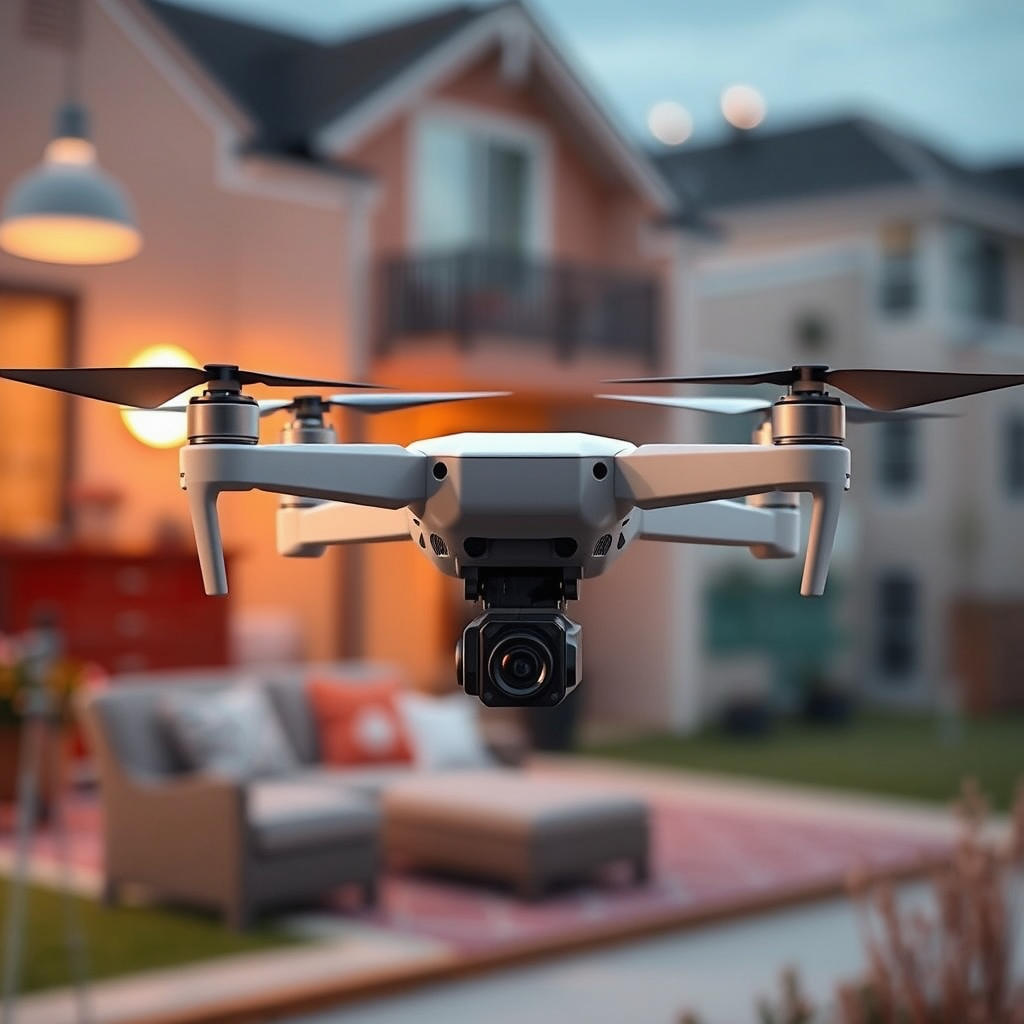
Yes, you can fly a drone in your neighborhood, but there are important rules and regulations you must follow to ensure safety and compliance. Understanding local laws, airspace restrictions, and community guidelines will help you enjoy flying your drone responsibly while minimizing conflicts with neighbors and authorities. With the increasing popularity of drones for recreational and commercial purposes, being informed about how to operate them legally and ethically has never been more critical.
Understanding Local Laws and Regulations
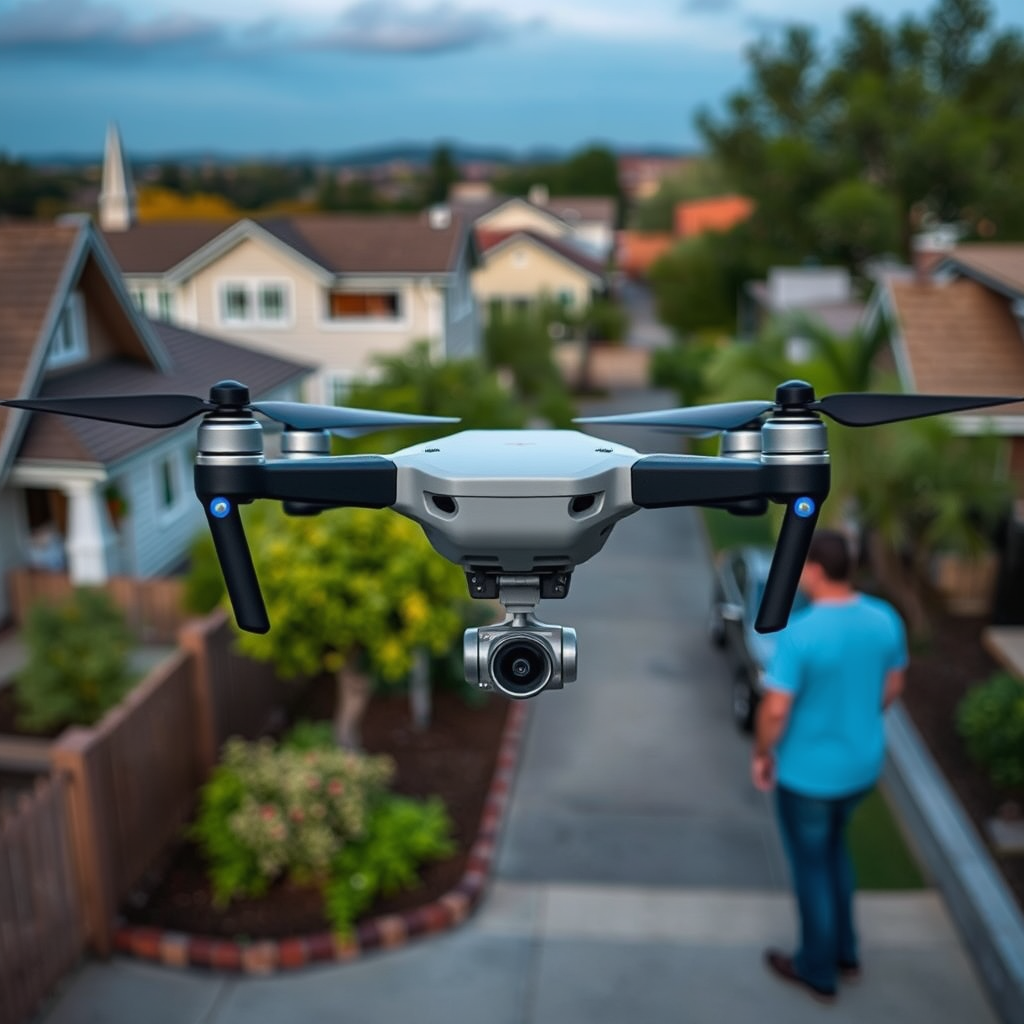
To fly a drone legally in your neighborhood, the first step is to familiarize yourself with the Federal Aviation Administration (FAA) regulations. The FAA categorizes drones based on their weight and intended use, which dictates how and where you can operate them. For instance, most recreational drone operators must register their drone if it weighs more than 0.55 pounds. Furthermore, the FAA mandates that you adhere to guidelines such as flying below 400 feet, staying away from airports, and not flying at night unless you have the appropriate waivers.
In addition to federal regulations, it’s essential to check for any local or state laws that may impose further restrictions on drone use. Many cities have enacted ordinances governing drone operations, particularly in urban areas where privacy concerns are heightened. Some states may have specific laws regarding drone use in parks, while others might restrict drone flying near schools or other sensitive areas. Always consult your local government’s website or contact a local representative to determine the specific regulations applicable to your area.
Airspace Restrictions
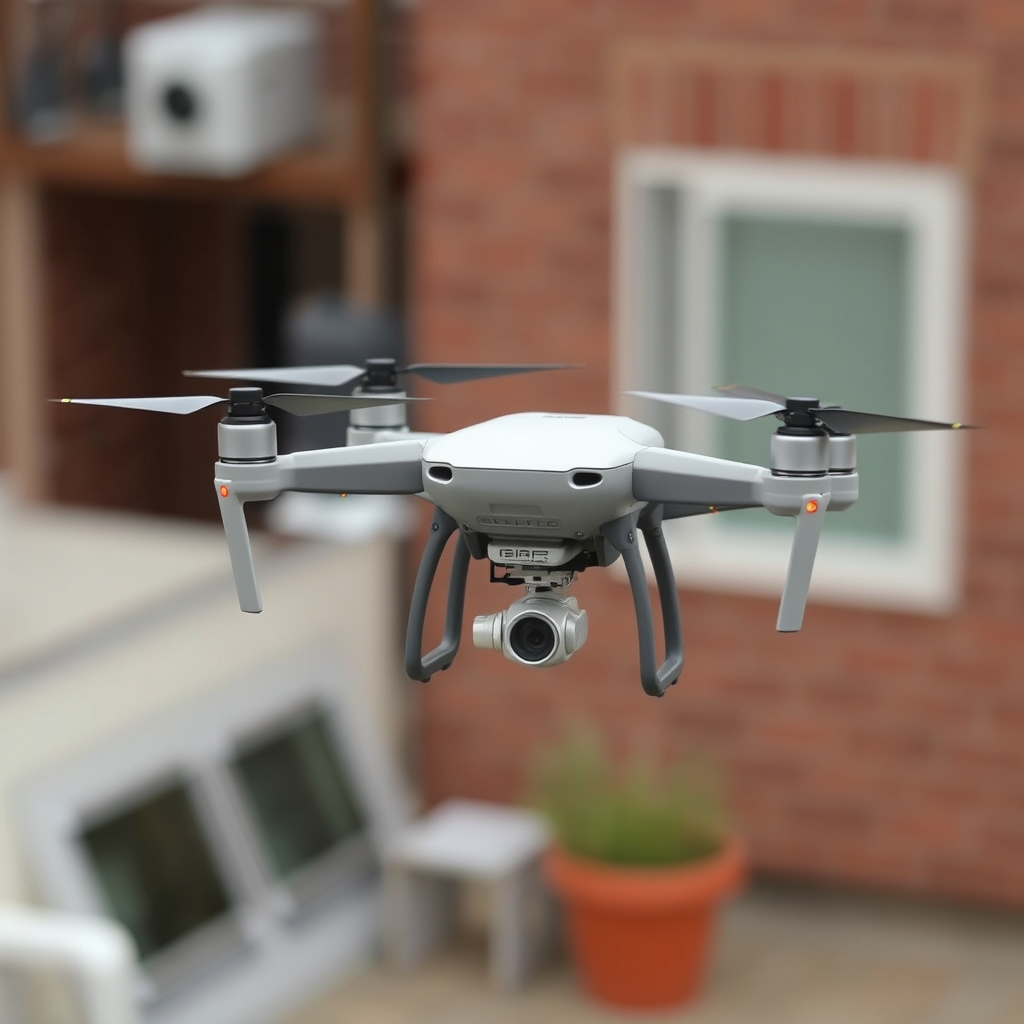
Airspace around your neighborhood can be complex and varies based on proximity to airports, heliports, and other restricted zones. It is imperative to identify any restricted airspace zones that may affect your ability to fly your drone. For instance, flying near an airport may require special permissions or may be completely prohibited due to safety concerns regarding manned aircraft operations.
To facilitate this process, utilize apps or websites that provide real-time airspace data and restrictions. Tools such as the FAA’s B4UFLY app or AirMap can help drone operators visualize airspace classifications and alert them to any temporary flight restrictions (TFRs) affecting their planned operations. By staying informed about airspace restrictions, you can avoid potential fines and safety hazards related to unauthorized drone flights.
Community Guidelines and HOA Rules
Before launching your drone, it’s wise to review any homeowners association (HOA) rules that may restrict flying. Some neighborhoods have specific guidelines regarding noise levels, property boundaries, and privacy concerns that can impact drone usage. For example, an HOA may prohibit flying drones altogether or limit flights to specific times of the day to minimize disturbances.
Moreover, consider your neighbors’ opinions and comfort before flying your drone. Open communication can go a long way in fostering goodwill and understanding. If you plan to fly regularly, consider discussing your intentions with those living nearby to address any concerns they may have. This proactive approach can prevent misunderstandings and complaints, promoting a more harmonious community atmosphere.
Safety Practices for Flying Drones
Safety should always be your top priority when operating a drone. To ensure safe and responsible flying, maintain a visual line of sight with your drone at all times. This practice not only helps you avoid obstacles but also ensures that you can quickly respond to any unexpected situations that may arise.
Additionally, avoid flying over people, animals, or private property without explicit permission. Not only could this lead to potential accidents, but it could also result in legal repercussions if someone feels their privacy has been violated. Always be mindful of the environment around you and choose safe, open areas for your flights. Educating yourself about the drone’s capabilities and limitations will also enhance your flying skills and situational awareness.
Insurance and Liability Considerations
Researching drone insurance options is crucial for protecting yourself against potential accidents and liabilities. While not legally required, having insurance can provide peace of mind and financial protection in the event of damage to property or injury to a person. Various companies offer drone insurance that covers liability, physical damage, and personal injury.
Understanding your liability is also important. If your drone causes damage or injury, you may be held financially responsible, leading to significant costs. For instance, if your drone crashes into a neighbor’s property or injures someone, you could face legal action or be required to cover repair costs. Ensuring you have adequate insurance coverage can mitigate these risks and safeguard you against unforeseen circumstances.
Best Practices for Responsible Flying
To promote responsible flying, it is advisable to operate your drone during daylight hours when visibility is optimal. Night flying, unless you have the proper equipment and permissions, can complicate navigation and increase the risk of accidents.
Furthermore, be respectful of noise levels, particularly in quiet neighborhoods. Drones can generate significant noise, which may disturb residents and pets. Choosing flight times that minimize disruption, such as during mid-morning or early evening, can enhance your relationship with your community. Additionally, consider flying in designated areas or parks that are known for drone activities to avoid conflicts with neighbors.
In conclusion, while you can fly a drone in your neighborhood, it is crucial to be aware of and adhere to local laws, community rules, and safety practices. Always prioritize the comfort of your neighbors and maintain responsible flying habits to foster a positive experience for everyone involved. By following these essential guidelines, you can enjoy the thrill of flying your drone while being a considerate and law-abiding member of your community.
Frequently Asked Questions
What are the legal regulations for flying a drone in my neighborhood?
The legal regulations for flying a drone in your neighborhood can vary significantly based on your location. In the United States, the Federal Aviation Administration (FAA) requires drone operators to register their drones and follow guidelines that include flying below 400 feet, keeping the drone within visual line-of-sight, and avoiding flying over people. Additionally, local laws or homeowner association rules may impose further restrictions, so it’s essential to check both federal and local regulations before flying your drone.
How can I find out if it’s safe to fly my drone in my neighborhood?
To determine if it’s safe to fly your drone in your neighborhood, start by checking for any local no-fly zones, such as near airports, schools, or stadiums, using tools like the FAA’s B4UFLY app. Additionally, consider weather conditions, as high winds or rain can affect flight safety. Engaging with community forums or local drone clubs can also provide insights regarding safe flying spots in your area.
Why do I need to ask my neighbors before flying my drone?
Asking your neighbors before flying your drone is a courtesy that can help maintain good relationships and avoid potential conflicts. Drones can be noisy, intrusive, and may raise privacy concerns for those who feel uncomfortable with their use. By communicating with your neighbors, you can inform them of your intentions, address any concerns they may have, and foster a more positive flying experience.
What are the best practices for flying a drone in residential areas?
The best practices for flying a drone in residential areas include flying during appropriate hours to minimize noise disturbance, maintaining a safe distance from people and property, and ensuring you are aware of any local restrictions. It’s also advisable to practice safe flying techniques, such as keeping your drone in line-of-sight and avoiding crowded areas to prevent accidents. Respecting privacy by not flying over private property without permission is also crucial.
Which drones are best suited for flying in neighborhoods?
The best drones for flying in neighborhoods are typically those that are quieter, lightweight, and equipped with safety features like obstacle avoidance. Models such as the DJI Mini series or the Parrot Anafi are popular choices due to their compact size, relatively quiet operation, and user-friendly controls. Additionally, look for drones with longer battery life and stable flight capabilities to enhance your flying experience while minimizing disruption to your neighbors.
References
- https://www.faa.gov/uas/getting_started/flight_restrictions
- https://www.nasa.gov/feature/nasa-and-faa-announce-new-drone-traffic-management-partnership
- https://www.reuters.com/technology/us-faa-announces-new-drone-rules-2021-12-16/
- https://www.nytimes.com/2020/06/12/business/drone-regulations.html
- https://www.faa.gov/uas/faq/
- https://www.wired.com/story/drone-regulations/
- https://www.nist.gov/news-events/news/2019/05/what-you-need-know-about-flying-drones-your-neighborhood
- https://www.nationalgeographic.com/science/article/drones-are-they-really-allowed-to-fly-in-your-neighborhood
- https://www.abcnews.go.com/Technology/faa-drone-rules-flying-neighborhoods/story?id=64217058
