
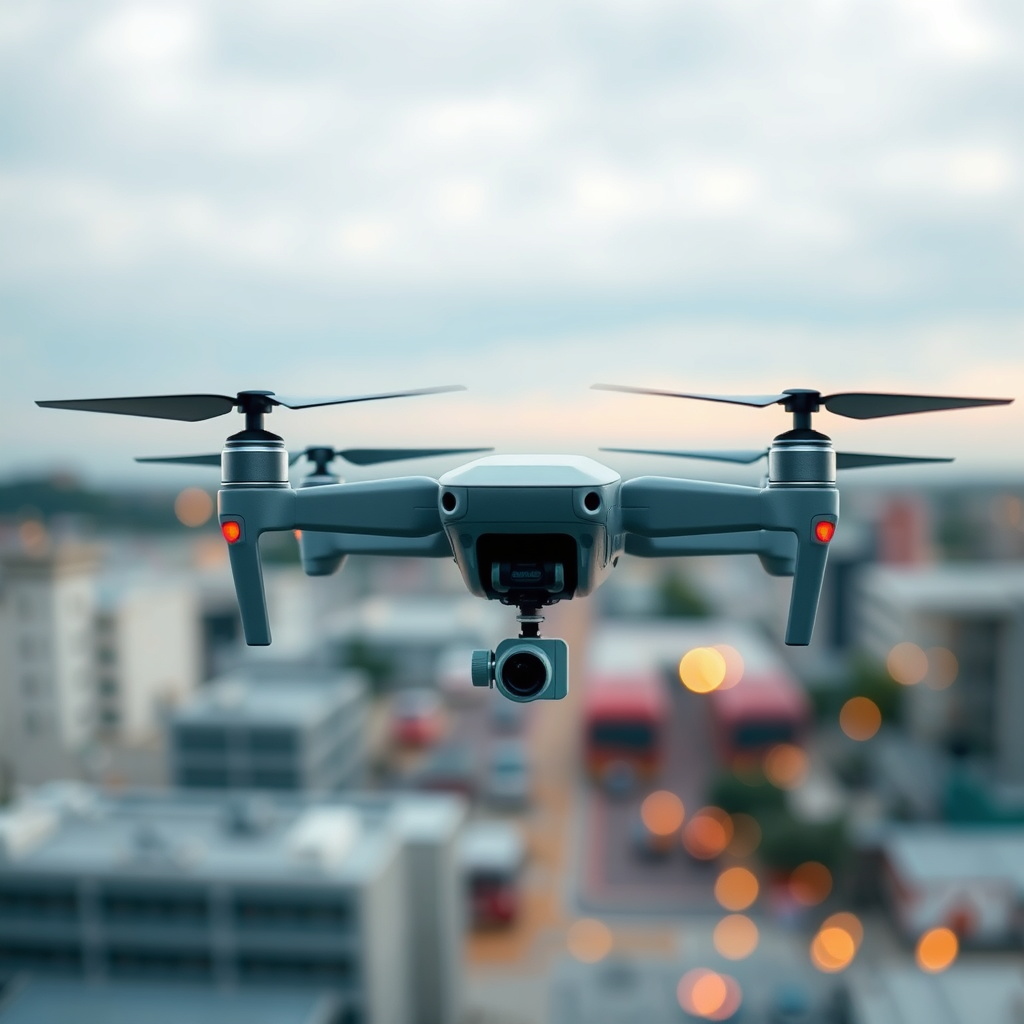
Yes, you can take a drone on a plane, but there are specific regulations and guidelines you must follow. Understanding these rules is essential for a smooth travel experience with your drone. As the use of drones becomes increasingly popular among hobbyists and professionals alike, knowing how to transport them safely and legally is vital. This article provides a comprehensive overview of the necessary steps to take before you embark on your journey with your drone.
Airline Policies
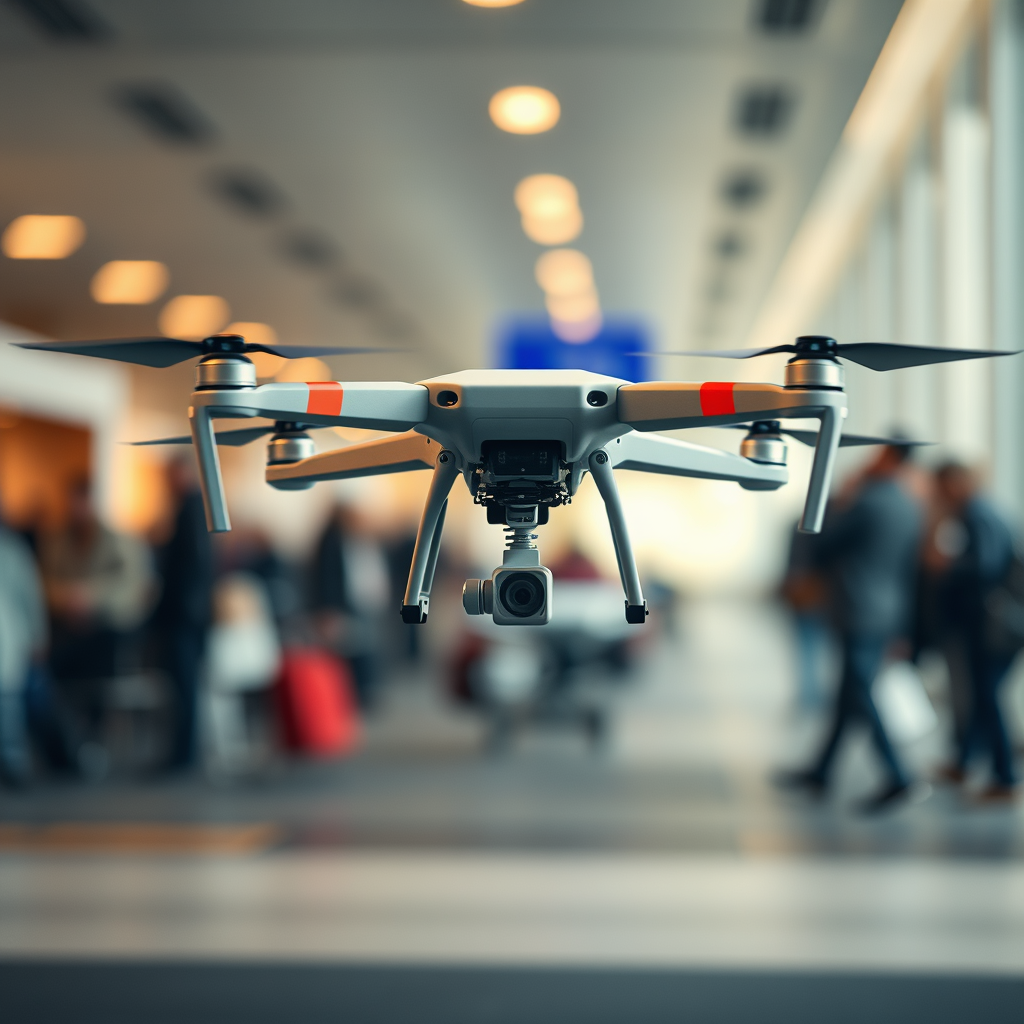
When planning to take a drone on a plane, one of the first considerations should be the specific policies of the airline you are flying with. Each airline has its own regulations regarding the transportation of drones, which can vary significantly. Some airlines may allow drones to be carried in both carry-on and checked luggage, while others might have restrictions on battery size or weight.
For instance, airlines like Delta and United have specific guidelines regarding lithium batteries, which are commonly used in drones. It is advisable to visit the airline’s official website or contact their customer service to clarify any uncertainties. Failure to comply with these policies can lead to delays at the airport or even confiscation of your drone. Moreover, consider printing out the airline’s policy to present at the airport if necessary, as this can help clarify any discrepancies with security personnel.
TSA Regulations
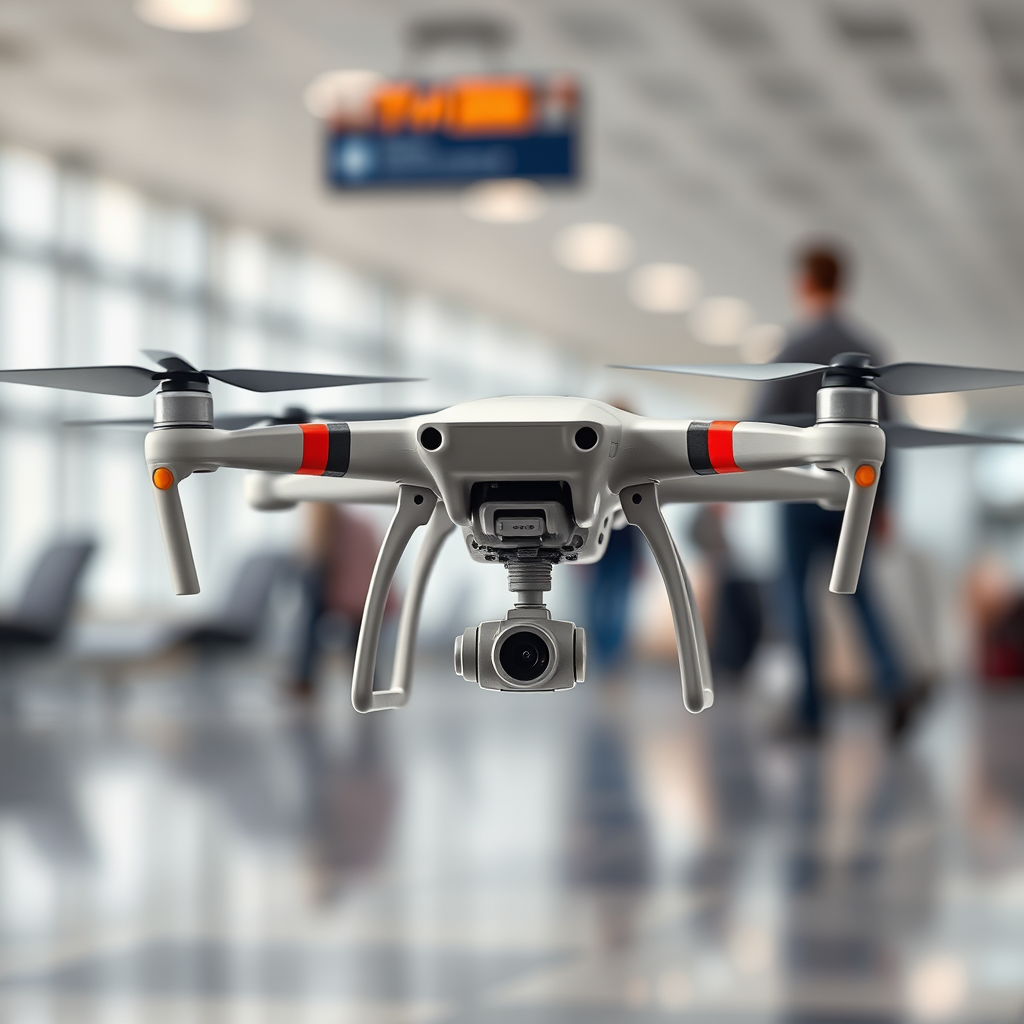
The Transportation Security Administration (TSA) plays a critical role in the transportation of drones within the United States. According to TSA regulations, drones are permitted in carry-on luggage, provided that they comply with the general safety standards set for electronic devices.
One of the most important aspects to consider when packing your drone is the lithium batteries. The TSA requires that lithium-ion batteries with a capacity greater than 100 watt-hours must be carried in carry-on luggage and not checked. Additionally, batteries should be packed properly to prevent short circuits. This often means using protective cases or battery-specific bags that are designed to prevent accidental contact between terminals. For more information, you can refer to the TSA’s official website to stay updated on any changes to these regulations.
Local Laws and Restrictions
While you may have successfully transported your drone on the plane, it is essential to research local laws and regulations regarding drone usage at your destination. Different countries and even states within the U.S. may have specific rules governing where and how drones can be flown. For example, in certain urban areas, there may be strict regulations that prohibit flying drones over populated spaces or near airports.
Additionally, some countries may require drone registration before flying, while others may impose complete bans on drone usage in certain areas, like national parks. Always check the local aviation authority’s website or consult local drone clubs for up-to-date information. Being informed about these laws can prevent you from facing fines or legal issues during your travels.
Packing Tips
Proper packing of your drone is crucial to ensure its safety during transport. Using a protective case designed specifically for your drone model can significantly reduce the risk of damage from impacts or pressure changes during the flight. Many cases also come with compartments for batteries and accessories, ensuring everything is organized and secure.
It is also advisable to disassemble your drone, if possible, before packing it. This not only makes it easier to fit into your luggage but also facilitates smoother security checks. For example, removing props can help reduce the drone’s size and prevent any potential breakage. While packing, ensure that you keep all components, including remote controls and batteries, in easily accessible compartments so you can present them quickly during security screening.
Insurance Considerations
Traveling with a drone comes with inherent risks, including potential loss or damage. Therefore, considering insurance for your drone is a prudent decision. Some companies offer specialized drone insurance that covers various incidents, including theft, crash damage, and liability in case of accidents.
Moreover, it’s wise to check if your travel insurance policy includes coverage for drone-related incidents. Many comprehensive travel insurance plans may cover damage or loss of personal belongings, including drones. Before you travel, read the fine print of your insurance policy to understand your coverage limits and any exclusions related to drone usage. This proactive step can save you from unexpected costs and provide peace of mind while flying with your drone.
Post-Arrival Procedures
Once you arrive at your destination, it is crucial to familiarize yourself with the local area and any no-fly zones that may apply. Many cities and regions have designated areas where drone flying is prohibited, especially near airports, military bases, or crowded events. Utilizing apps that provide real-time airspace information can be extremely helpful in navigating these restrictions.
Additionally, if local laws require drone registration, ensure that you complete this process as soon as possible. In some countries, failing to register your drone can lead to fines or confiscation. Finally, consider joining local drone enthusiast groups or forums where you can get advice from experienced pilots familiar with the area. They can provide valuable insights on the best flying locations and any unique regulations that may not be readily apparent.
In summary, taking your drone on a plane is entirely feasible, but it necessitates a thorough understanding of airline policies, TSA regulations, local laws, and proper packing techniques. By taking these precautions and planning ahead, you can ensure that your drone travels safely and that you can enjoy flying it at your destination. Always stay informed and prepared, and happy flying!
Frequently Asked Questions
Can I take a drone on a plane as carry-on luggage?
Yes, you can generally take a drone on a plane as carry-on luggage, but it’s essential to check with your airline’s specific regulations. Most airlines allow small drones in the cabin, provided the drone’s battery complies with the airline’s battery guidelines. Make sure to pack the drone securely to avoid damage and keep the battery terminals protected to prevent short circuits.
What are the restrictions for flying with a drone on a plane?
When flying with a drone, you must adhere to specific TSA and airline regulations. Drones with lithium batteries are subject to restrictions, typically limited to batteries under 100 watt-hours in carry-on luggage. Additionally, check your destination’s laws regarding drone usage, as some countries may have strict regulations or bans on drones.
How do I prepare my drone for air travel?
To prepare your drone for air travel, start by removing any propellers and packing them separately to avoid damage. Ensure that your drone’s battery is fully charged but not exceeding the airline’s watt-hour limits. Use a durable, padded case for protection during transit, and make sure to keep all parts organized and easily accessible for airport security checks.
Why do some airlines have different rules about traveling with drones?
Airlines have different rules regarding traveling with drones primarily due to safety concerns and regulations related to lithium batteries. Each airline assesses risks such as fire hazards and the potential for damage to aircraft systems. It’s crucial to review each airline’s policy before traveling to avoid any surprises at the airport.
Which countries allow the import and use of drones for tourists?
Many countries allow tourists to bring and use drones, but regulations vary widely. Countries like Canada, Australia, and most of Europe have clear guidelines for drone usage, often requiring registration. Before your trip, research the specific drone laws in your destination country to ensure compliance and avoid fines, as some nations, such as Japan or the UAE, have strict restrictions.
References
- https://www.faa.gov/uas/travel
- https://www.tsa.gov/travel/security-screening/whatcanibring
- https://www.wired.com/story/flying-with-drones-what-you-need-to-know/
- https://www.cnet.com/tech/mobile/can-you-take-a-drone-on-a-plane/
- https://travel.state.gov/content/travel/en/international-travel/International-Travel-Country-Information-Pages.html
- https://www.nytimes.com/2019/06/17/travel/drones-air-travel.html
- https://www.bbc.com/news/world-us-canada-41655109
