
Drones can typically fly anywhere from a few hundred meters to several kilometers from the controller, depending on various factors like the drone model, environmental conditions, and regulations. Understanding these limitations is crucial for users to maximize their drone’s performance, ensure safe operation, and comply with legal guidelines. This blog will explore the intricacies of drone range, the factors influencing it, legal considerations, types of drones, methods to enhance range, and important safety practices to follow.
Understanding Drone Ranges
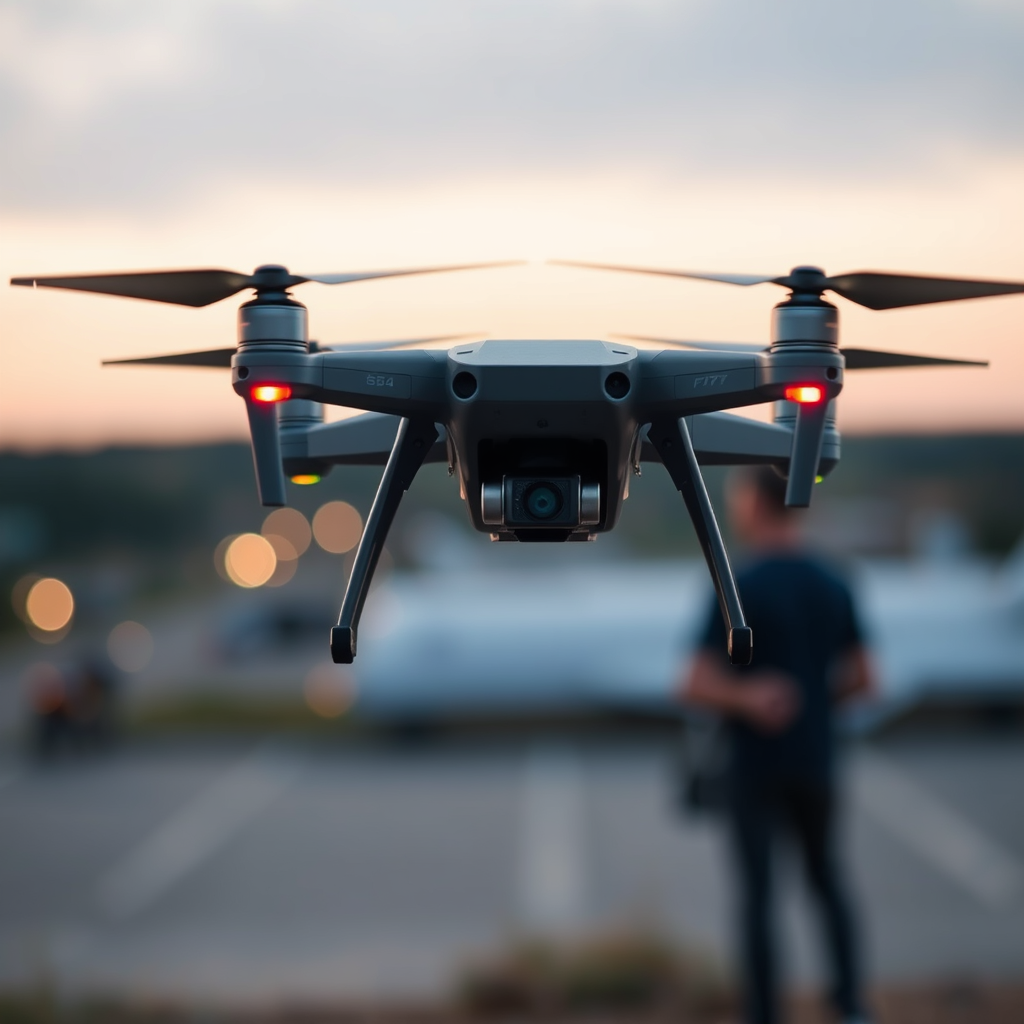
Different drone models have varying maximum ranges, often specified by the manufacturer. For instance, consumer drones like the DJI Mini 2 may have a range of up to 10 kilometers under optimal conditions, while entry-level models might only reach a few hundred meters. Professional-grade drones, such as the DJI Mavic 3, can extend this range significantly, thanks to advanced communication technologies and robust battery systems. The manufacturer’s specifications often provide a general guideline, but real-world conditions can affect these numbers dramatically.
Factors influencing range include signal strength, battery life, and environmental obstacles. The transmission technology used in the drone also plays a pivotal role. For example, many modern drones employ digital transmission systems, which can transmit data over longer distances than older analog systems. Therefore, understanding the specific capabilities of your drone model is essential for planning your flights effectively.
Factors Affecting Flight Distance
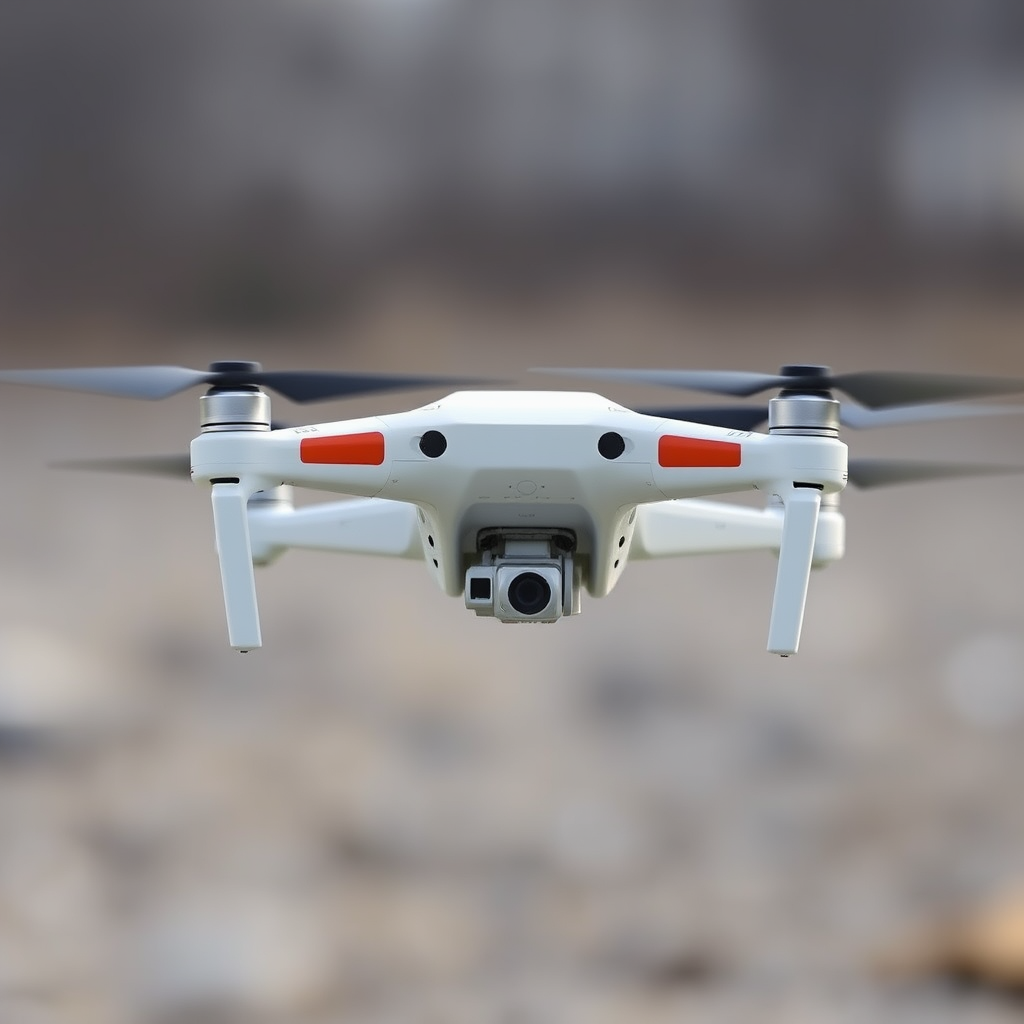
Line of sight is a critical factor in maintaining a drone’s operational range. Keeping a clear line of sight between the drone and the controller enhances signal strength and reduces the likelihood of interference. In many regions, regulations mandate that drone operators maintain visual contact with their flying drones. This requirement not only ensures safety but also helps in maintaining the drone’s connectivity with the controller.
Environmental interference is another significant factor that can impact flight distance. Urban areas filled with tall buildings, dense trees, and other obstacles can disrupt the signal between the drone and the controller, reducing the effective range. Conversely, flying in open areas with fewer obstructions allows for greater distances. Weather conditions, such as wind and rain, can also affect flight performance and distance. For instance, flying against strong winds can drain battery life faster, limiting how far the drone can travel.
Legal Regulations and Restrictions
Many countries have regulations that limit how far a drone can fly from its operator. In the United States, for example, the Federal Aviation Administration (FAA) requires drone pilots to keep their drones within a visual line of sight. This regulation is meant to ensure the safety of both the drone operator and the general public. Similarly, in Europe, the European Union Aviation Safety Agency (EASA) has established guidelines that include maximum distances and altitude restrictions for drone flights.
Familiarizing yourself with local laws is crucial for safe and legal drone operation. Many jurisdictions have designated no-fly zones, such as near airports, military installations, and urban centers. Ignoring these regulations not only jeopardizes safety but can also lead to hefty fines or legal repercussions. Using dedicated apps that display no-fly zones and other relevant information can help operators stay compliant while planning their flights.
Types of Drones and Their Capabilities
Consumer drones often have shorter ranges compared to professional or racing drones. For instance, the DJI Spark is designed for casual users and has a maximum range of about 2 kilometers, while racing drones, built for speed and agility, can sometimes fly much farther due to their lightweight design and advanced communication systems. However, the racing drones typically sacrifice battery life and stability for speed, making them less suitable for extended aerial photography or videography.
Advanced drones may come equipped with features like extended-range antennas, which improve connectivity and allow for longer flight distances. For example, drones equipped with Occusync technology can maintain a stable connection even in challenging environments. This technology enables the drone to fly farther while still transmitting high-definition video feeds back to the controller. Understanding the specifications of different drone types can help users choose the right model for their specific needs.
Enhancing Your Drone’s Range
Upgrading antennas or using signal boosters can help extend your drone’s communication range. Many enthusiasts explore aftermarket accessories designed to improve signal transmission. For example, high-gain antennas can enhance the range and quality of the connection between the drone and the controller, allowing for longer flights without losing signal. However, users should always ensure that any modifications comply with legal regulations.
Regular maintenance of both the drone and controller is essential for optimal performance. Keeping the firmware updated not only enhances the drone’s capabilities but also addresses potential issues that could impair range. Additionally, checking the battery health and ensuring that the drone is free from physical obstructions can help maintain its operational range. Conducting pre-flight checks and calibrating the drone before each flight can further enhance its reliability.
Safety Considerations
Always prioritize safety by adhering to distance regulations and avoiding restricted areas. Adopting best practices, such as flying during daylight hours and avoiding crowded areas, can significantly reduce risks associated with drone operation. Utilizing the drone’s built-in safety features, such as geofencing and altitude limits, can help operators remain within safe flying parameters.
Using return-to-home features is also crucial to prevent losing the drone when it goes out of range. Many modern drones have intelligent fail-safe mechanisms that automatically return to the launch point if the signal is lost or if the battery is running low. Familiarizing yourself with these features before flying can provide peace of mind and enhance safety during flights.
Understanding how far a drone can fly from the controller is essential for safe and effective operation. By considering the factors that affect range and adhering to legal guidelines, users can enjoy a better flying experience while maximizing their drone’s capabilities. Always stay informed and ensure you are operating within safe limits to take full advantage of this exciting technology.
Frequently Asked Questions
How far can a typical consumer drone fly from its controller?
The range of a typical consumer drone varies significantly depending on the model and manufacturer. Most consumer drones have a flight range of about 1 to 3 miles (1.6 to 4.8 kilometers) from the controller under optimal conditions. Factors such as signal interference, battery life, and the terrain can affect this range, so it’s essential to check the specifications of your specific drone model for precise information.
What factors affect how far a drone can fly from the controller?
Several factors influence a drone’s flight range, including the type of drone, the frequency of the controller signal (2.4 GHz vs. 5.8 GHz), battery capacity, and environmental conditions. Obstacles like buildings, trees, and weather conditions such as wind or rain can also disrupt the signal and limit the effective range. Understanding these factors can help you better plan your drone flights and ensure optimal performance.
Why is the maximum flight distance of a drone important to know?
Knowing the maximum flight distance of your drone is crucial for safe operation and effective flight planning. It helps prevent loss of signal, which can lead to the drone becoming unresponsive or crashing. Additionally, understanding the range allows you to comply with local regulations and ensure that you can return your drone safely to its starting point before the battery runs low.
How can I extend the flying range of my drone?
To extend the flying range of your drone, consider upgrading the antenna on your controller or using a range extender specifically designed for your drone model. Flying in open areas with fewer obstacles and avoiding interference from other electronic devices can also enhance range. Additionally, maintaining a fully charged battery and ensuring your drone’s firmware is up to date can contribute to better performance.
Which drones have the longest flight range available on the market?
Some of the drones with the longest flight range include models like the DJI Mavic 3, which boasts a range of up to 15 kilometers (about 9.3 miles) in optimal conditions, and the DJI Phantom 4 Pro, which can reach around 7 kilometers (approximately 4.3 miles). When considering a drone for longer distances, it’s essential to research the specifications and user reviews to ensure it meets your needs for range and reliability.
References
- https://en.wikipedia.org/wiki/Drone
- https://www.faa.gov/uas/getting_started/
- https://www.faa.gov/uas/
- https://www.nytimes.com/2020/01/10/technology/drone-flying-regulations.html
- https://www.reuters.com/article/us-usa-drone-regulations-insight-idUSKBN2A12X7
- https://www.techopedia.com/what-is-the-range-of-a-drone/2/34084
- https://www.cnet.com/tech/mobile/how-far-can-drones-fly/
- https://www.dronepilotgroundschool.com/drone-range-how-far-can-drones-fly/
