
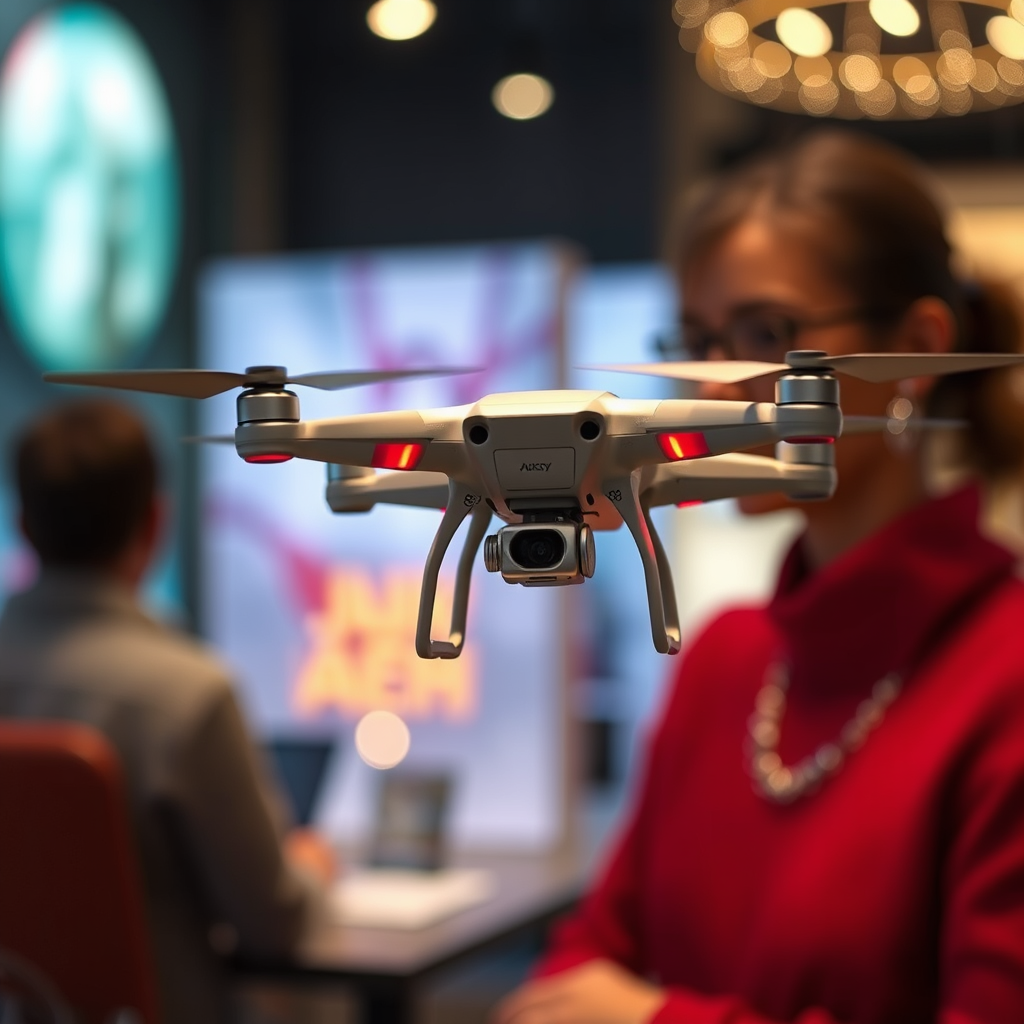
Yes, drones can carry a person, but this capability is still largely experimental and faces various regulatory, safety, and technological challenges. Despite these hurdles, advancements in drone technology have made the concept of passenger-carrying drones increasingly feasible. As industries and governments explore this innovative mode of transportation, it is essential to examine how it works, current developments, and what the future holds for aerial mobility.
Current Drone Technology

The landscape of drone technology is diverse, encompassing a wide range of types including fixed-wing drones, multirotors, and hybrid models. Most commercial drones today are designed for specific applications such as aerial photography, surveying, or delivery services. However, the push towards developing passenger drones has led to significant innovations.
Passenger drones are generally larger and more sophisticated than traditional drones, requiring enhanced power systems and advanced materials to support the increased weight and passenger capacity. For instance, companies like Joby Aviation and Volocopter are designing electric vertical takeoff and landing (eVTOL) aircraft, which combine the agility of a helicopter with the efficiency of a drone. These vehicles are engineered with multiple rotors to provide redundancy and stability, ensuring that passengers can travel safely even in the event of a malfunction.
Additionally, advancements in battery technology, such as lithium-sulfur and solid-state batteries, are crucial to extending the range and flight time of these passenger-carrying drones. As these technologies continue to evolve, we can expect greater payload capacities and longer distances, making air travel more accessible and practical.
Regulatory Challenges
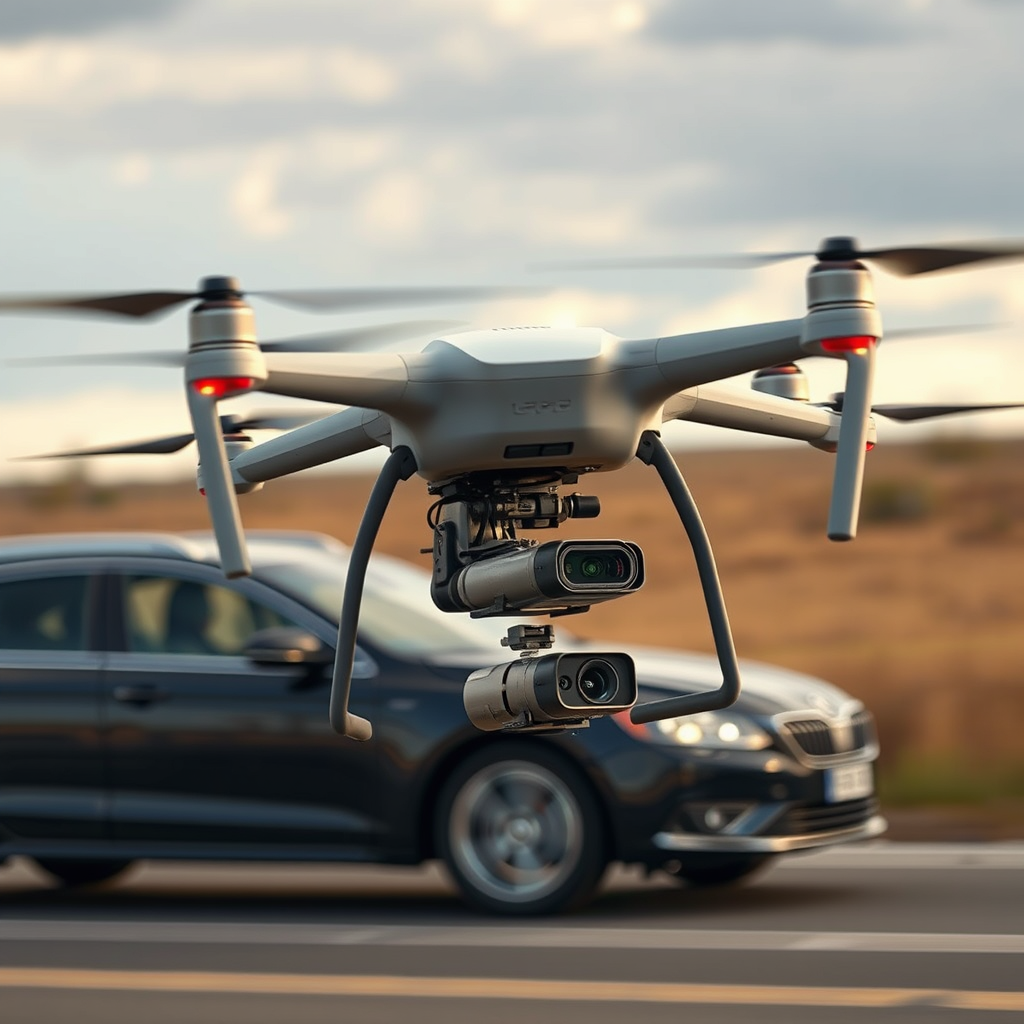
The journey towards integrating passenger drones into the airspace is fraught with regulatory challenges. Governments and aviation authorities across the globe are still grappling with how to regulate this new form of transportation. In the United States, the Federal Aviation Administration (FAA) has established guidelines for drone operations, but specific regulations for passenger drones are still in development.
Regulatory bodies must address various aspects, including air traffic management, flight altitude restrictions, and pilot certification requirements. Safety standards are paramount, as the introduction of passenger drones will require rigorous testing and validation to ensure public safety. The European Union Aviation Safety Agency (EASA) has begun laying the groundwork for regulatory frameworks concerning eVTOL aircraft, which may serve as a model for other countries.
Moreover, public acceptance plays a critical role in shaping these regulations. Authorities must ensure that passenger drones can operate safely alongside traditional aircraft and do not compromise air traffic safety.
Safety Considerations
The safety of passengers is the foremost concern in the development of drone technology. Analyzing potential risks associated with carrying passengers is vital in creating effective safety measures. Risks may include mechanical failures, mid-air collisions, and pilot error.
To mitigate these risks, manufacturers are implementing advanced safety features, such as redundant systems, automated flight controls, and emergency landing protocols. For example, many passenger drones are designed to have multiple rotors, so if one rotor fails, the drone can still maintain stability and safely land.
Additionally, the integration of artificial intelligence (AI) and machine learning can enhance safety by enabling drones to make real-time decisions in response to potential hazards. The use of geofencing technology can also help prevent drones from entering restricted airspace. As safety measures continue to evolve, the public’s confidence in flying in passenger drones is likely to increase.
Examples of Passenger Drones
Several companies are at the forefront of developing passenger drones, showcasing the potential of this technology. Joby Aviation, for instance, has developed an eVTOL aircraft capable of carrying four passengers at speeds up to 200 mph. The company recently received significant investment from industry giants, indicating strong confidence in their vision for urban air mobility.
Volocopter is another key player, having conducted successful test flights of its electric two-seater aircraft. Their vision includes a network of air taxis operating in urban environments, offering a practical solution to traffic congestion.
Additionally, Chinese company EHang has developed an autonomous aerial vehicle capable of carrying a passenger and has successfully conducted multiple test flights. These prototypes offer valuable insights into the practicalities of passenger drone technology and highlight the progress being made towards commercial viability.
Future Trends in Drone Transportation
The future of drone transportation is poised to be transformative, driven by technological advancements and increased investment. In the coming years, we can expect significant developments in battery efficiency, automation, and air traffic management systems tailored for drones.
The integration of drones into public transport systems is also on the horizon. Companies are exploring partnerships with urban planners to create air taxi services that complement existing transportation infrastructure. This could lead to a more efficient use of urban space and reduced congestion on the ground.
Furthermore, advancements in AI and machine learning will enable drones to navigate complex urban environments autonomously, ensuring safe and efficient operations. As technology continues to mature, the dream of aerial commuting may soon become a commonplace reality.
Public Perception and Acceptance
Public perception plays a crucial role in the successful integration of passenger drones into society. While many people express excitement about the concept of flying in drones, concerns about safety, noise pollution, and privacy remain prevalent.
Factors influencing public acceptance include transparency in safety protocols, the reliability of the technology, and the perceived benefits of drone transportation. Conducting public demonstrations and providing comprehensive education about the capabilities and safety measures of passenger drones can help alleviate fears and foster acceptance.
In regions where drone technology has been successfully integrated, such as in certain Asian cities, public sentiment has gradually shifted towards favoring aerial mobility solutions. Building trust and addressing the concerns of the community will be essential as this technology evolves.
While the idea of drones carrying people is becoming a reality, it still requires significant advancements in technology, regulation, and public acceptance. As developments continue, staying informed will be crucial for anyone interested in the future of aerial transportation. The evolution of passenger drones holds the promise of revolutionizing how we navigate our cities, transforming our transportation landscape for the better.
Frequently Asked Questions
Can drones legally carry a person?
As of October 2023, the legality of drones carrying a person varies by country and region. In the United States, the Federal Aviation Administration (FAA) has not yet approved commercial passenger-carrying drones, though some experimental projects are underway. In contrast, countries like China have begun testing and implementing regulations for passenger drones, indicating a growing acceptance of this technology.
What types of drones are designed to carry people?
Drones designed to carry people are known as eVTOLs (electric vertical takeoff and landing vehicles). These specialized drones, such as the Joby Aviation eVTOL and the Volocopter, are engineered with multiple rotors for stability and safety, and they often feature autonomous flight capabilities. These innovations aim to make urban air mobility both practical and safe in the near future.
How safe are passenger-carrying drones?
Safety is a primary concern for passenger-carrying drones, and manufacturers are implementing rigorous safety protocols, including redundant systems and advanced navigation technologies. While current testing shows promising results, the full safety assurance will depend on regulatory approval and ongoing assessments. As the technology matures, safety regulations will likely evolve to ensure passenger security.
Why are drones being developed to carry passengers?
Drones are being developed to carry passengers primarily to alleviate urban congestion, reduce travel times, and offer a new mode of transportation. With rapid urbanization and increasing population densities, eVTOLs present an innovative solution to traditional transportation challenges, potentially transforming how we navigate congested cities and remote locations.
Which companies are leading in the development of passenger drones?
Several companies are at the forefront of developing passenger drones, including Joby Aviation, Volocopter, and Archer Aviation. These companies are conducting extensive research and development to create eVTOLs that are not only efficient but also safe for public use. Their ongoing partnerships with aviation authorities and investments in technology are critical in advancing the commercial viability of passenger drones.
References
- https://en.wikipedia.org/wiki/Personal_air_vehicle
- https://www.nytimes.com/2021/08/10/business/drones-passengers.html
- https://www.theguardian.com/us-news/2021/aug/04/drones-passengers-flying-taxis-air-taxis
- https://www.faa.gov/uas/recreational_flyers/
- https://www.nasa.gov/aero/what-are-urban-air-mobility-vehicles
- https://www.sciencedirect.com/science/article/pii/S0094576521001988
- https://www.wired.com/story/flying-taxis-drones-transportation/
