
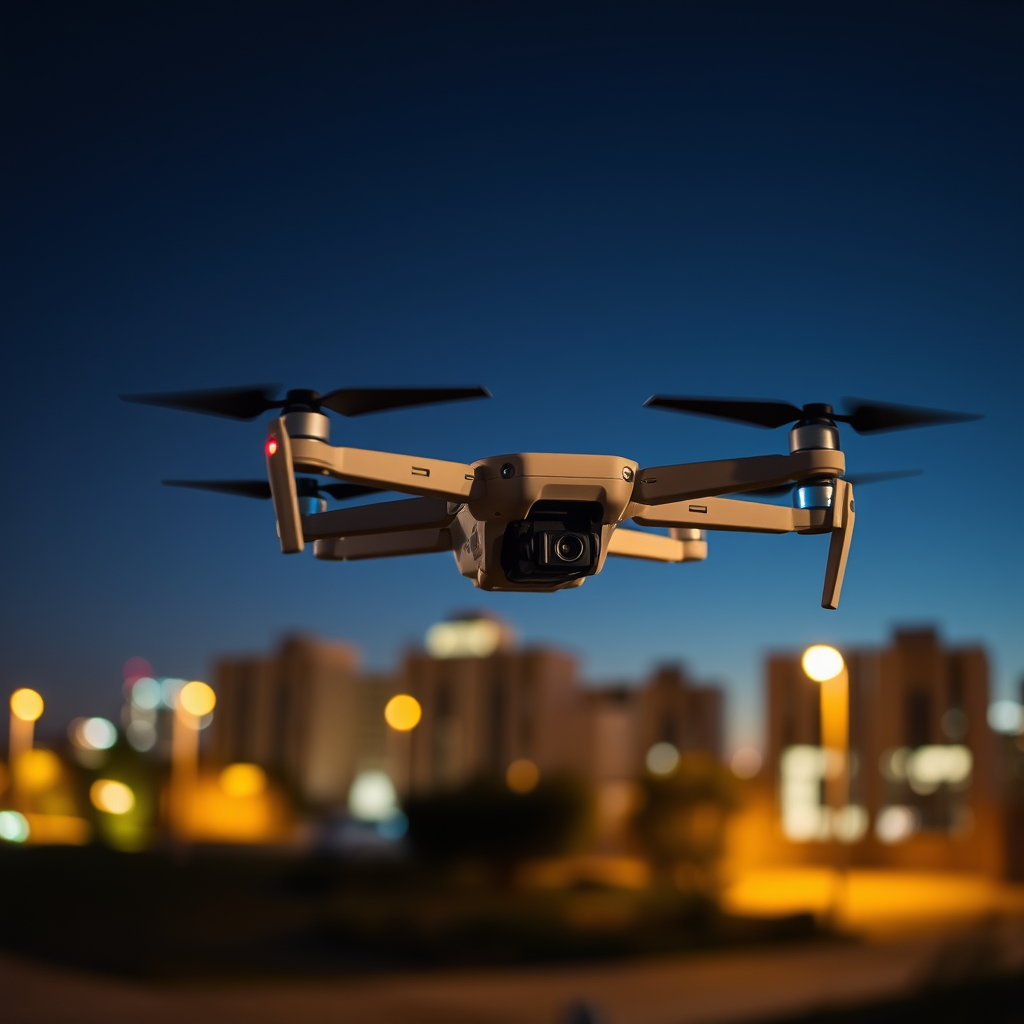
Yes, you can fly a drone at night, but there are specific regulations and safety measures you must follow. Understanding these rules is crucial for ensuring a safe and legal flying experience. Night flying offers unique opportunities for stunning photography and videography, but it also presents additional challenges that require careful planning and adherence to regulations set by authorities like the Federal Aviation Administration (FAA).
Understanding FAA Regulations
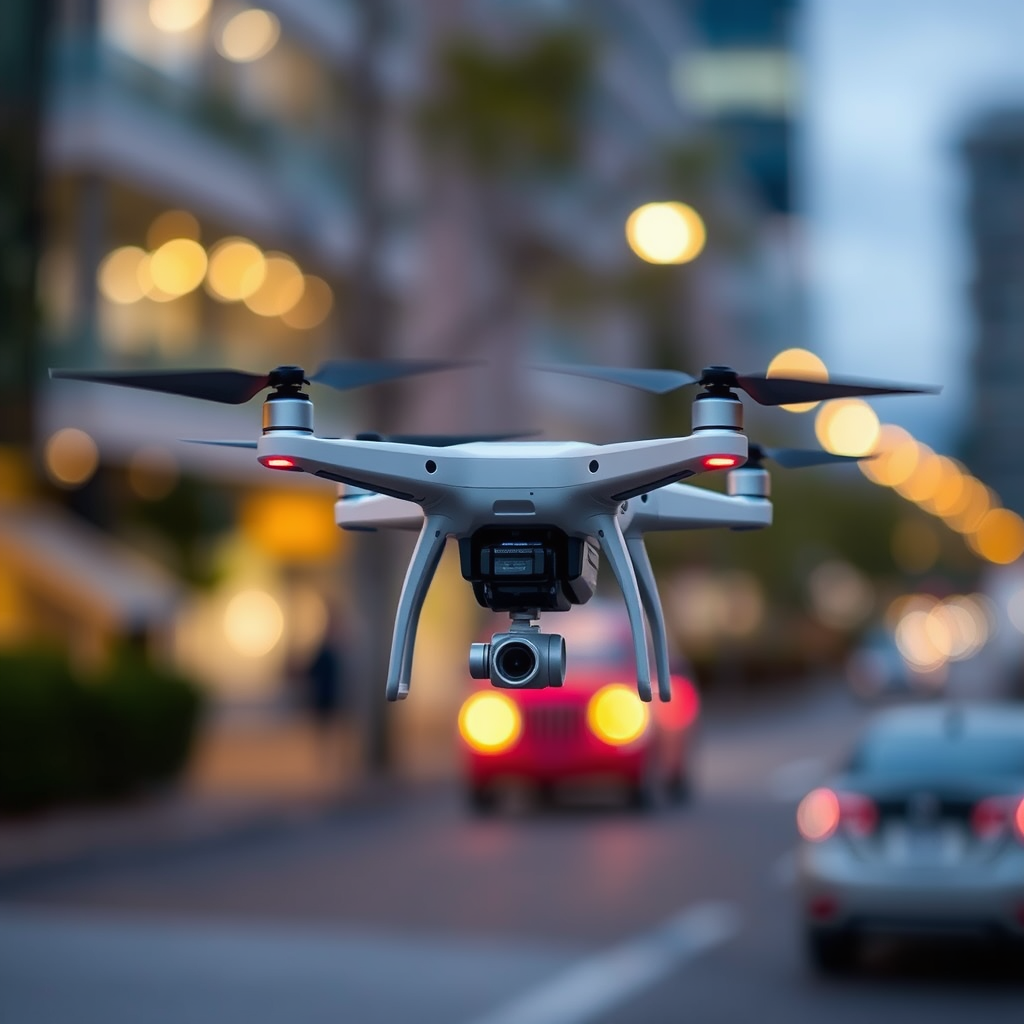
The Federal Aviation Administration (FAA) allows night flying under certain conditions, particularly for commercial drone operators and recreational users. According to FAA regulations, any drone operation at night must comply with Part 107 rules. This means that drones must be equipped with anti-collision lighting that is visible for at least three statute miles. These lights are essential for ensuring that the drone can be seen by other aircraft and ground observers.
For commercial drone pilots, the FAA requires that they obtain a Part 107 certification, which includes passing an aeronautical knowledge test. This certification demonstrates that pilots understand the necessary regulations and safety protocols for flying drones, including at night. For recreational flyers, while a Part 107 certification is not required, it is crucial to comply with local laws and the FAA’s guidelines for safe flying, including maintaining visual line-of-sight and flying below 400 feet.
Night Flying Requirements
To operate a drone commercially at night, pilots must possess a valid Part 107 certification and have completed additional training specific to night operations. This training typically covers the unique challenges associated with low-light flying, such as limited visibility and the importance of maintaining situational awareness.
Recreational drone pilots, while not required to have a Part 107 certification, must still adhere to FAA guidelines. This includes understanding the limitations of flying in low-light conditions and ensuring compliance with local regulations. It is advisable for recreational pilots to familiarize themselves with the specific requirements and any restrictions that may apply in their area.
Safety Measures for Night Flying
Safety should always be a priority when flying drones at night. One of the most critical safety measures is ensuring that your drone is equipped with adequate lighting for visibility and navigation. The FAA mandates that anti-collision lights be operational; however, additional lights, such as those that illuminate the drone’s body or landing gear, can enhance visibility and help the pilot navigate effectively.
Conducting thorough pre-flight checks is essential, particularly at night when visibility is poor. Before taking off, pilots should inspect their drone for any potential hazards, ensuring that all systems are functioning correctly. It is also advisable to fly in familiar areas where obstacles such as trees, buildings, or power lines are known and can be avoided. Using a spotter who can assist in observing the drone’s surroundings can also enhance safety during night flights.
Tips for Successful Night Flights
To maximize the success of your night flights, consider using a drone equipped with a high-quality camera that has low-light capabilities. Drones like the DJI Mavic 2 Pro or the Autel Robotics EVO Lite+ are excellent choices, as they can capture stunning images and videos even in low light.
Before venturing out for a night flight, familiarize yourself with your drone’s controls and features during daylight hours. Understanding how to operate your drone and utilize its features will give you confidence when flying at night. Additionally, practicing navigation skills, including how to use GPS and how to respond to unexpected situations, will prepare you for a successful flying experience.
Local Laws and Restrictions
In addition to FAA regulations, it is crucial to check for specific local laws that may further restrict night flying in your area. Some cities and states have their own drone regulations, which can include additional restrictions on flying at night. Parks, nature reserves, and other public spaces may have prohibitions against drone use during nighttime hours, so it is essential to research and comply with these laws to avoid fines or penalties.
Before flying, consult local regulations through official government websites or local drone clubs that can provide updated information on any restrictions that might be in place. Being informed about these regulations can help ensure that your night flying remains compliant and avoids potential legal issues.
Insurance and Liability Considerations
When flying a drone at night, it is wise to consider drone insurance to protect against potential accidents and damage. Drone insurance can cover property damage, liability claims, and other unforeseen incidents that may arise during your flight. Many insurance providers offer policies specifically tailored for drone operators, which can provide peace of mind when flying in challenging conditions.
Understanding your liability as a pilot is also critical. If an accident occurs, you may be held responsible for damages caused by your drone. Having insurance can provide a safety net, but it is equally important to operate your drone responsibly and within the confines of the law to mitigate any potential risks.
In conclusion, flying a drone at night is permissible under specific conditions set by the FAA and local regulations, but adhering to these regulations and implementing critical safety measures is essential. By ensuring your drone is equipped with the proper lighting, conducting thorough pre-flight checks, and understanding the local laws, you can enjoy a successful and enjoyable night flying experience. Proper preparation and knowledge will not only keep you compliant with the law but will also enhance the safety and enjoyment of your night flights.
Frequently Asked Questions
Can I fly a drone at night legally?
Yes, you can fly a drone at night legally in many countries, including the United States, but you must follow specific regulations. The FAA requires that you have a Part 107 certification or a special waiver to operate drones after dark. Additionally, your drone must be equipped with anti-collision lights visible for at least three statute miles, ensuring safety and compliance with legal requirements.
What are the safety considerations for flying a drone at night?
Flying a drone at night presents unique safety challenges due to reduced visibility, which makes it harder to see obstacles and maintain situational awareness. To enhance safety, ensure your drone is equipped with proper lighting, perform thorough pre-flight checks, and maintain visual line-of-sight. It’s also advisable to fly in familiar areas and avoid crowded spaces to minimize risks.
How do I prepare my drone for night flying?
To prepare your drone for night flying, start by ensuring it has bright, visible lights installed to comply with FAA regulations and improve visibility. Also, familiarize yourself with the flying area during the day to identify potential hazards. Additionally, conduct a thorough pre-flight inspection of your drone’s battery, GPS, and camera settings to ensure everything is functioning correctly before you take off.
Why is flying a drone at night considered more challenging?
Flying a drone at night is considered more challenging primarily due to decreased visibility, which can make it difficult to spot obstacles, other aircraft, or even your own drone. The lack of natural light can also hinder your ability to judge distances accurately. This means that pilots must rely heavily on their drone’s sensors and lighting systems, which can increase the complexity of night operations.
What are the best practices for night drone flying?
The best practices for night drone flying include ensuring your drone is equipped with bright, flashing lights to enhance visibility, conducting pre-flight checks in well-lit areas, and flying in familiar locations to mitigate risks. Additionally, it’s important to keep your flight within visual line-of-sight and avoid flying over populated areas to comply with safety regulations and reduce the risk of accidents.
References
- https://www.faa.gov/uas/getting_started/fly_basics/nights
- https://www.faa.gov/aircraft/flight_operators/uas/
- https://www.suasnews.com/2020/10/can-i-fly-my-drone-at-night/
- https://www.nasa.gov/mission_pages/UAS/
- https://www.dronepilotgroundschool.com/can-you-fly-a-drone-at-night/
- https://www.ncbi.nlm.nih.gov/pmc/articles/PMC7310984/
- https://www.nps.gov/articles/drones-in-national-parks.htm
- https://www.huffpost.com/entry/drone-night-flying_n_5f7f2c9bc5b6a2c8e7cbbd8e
