
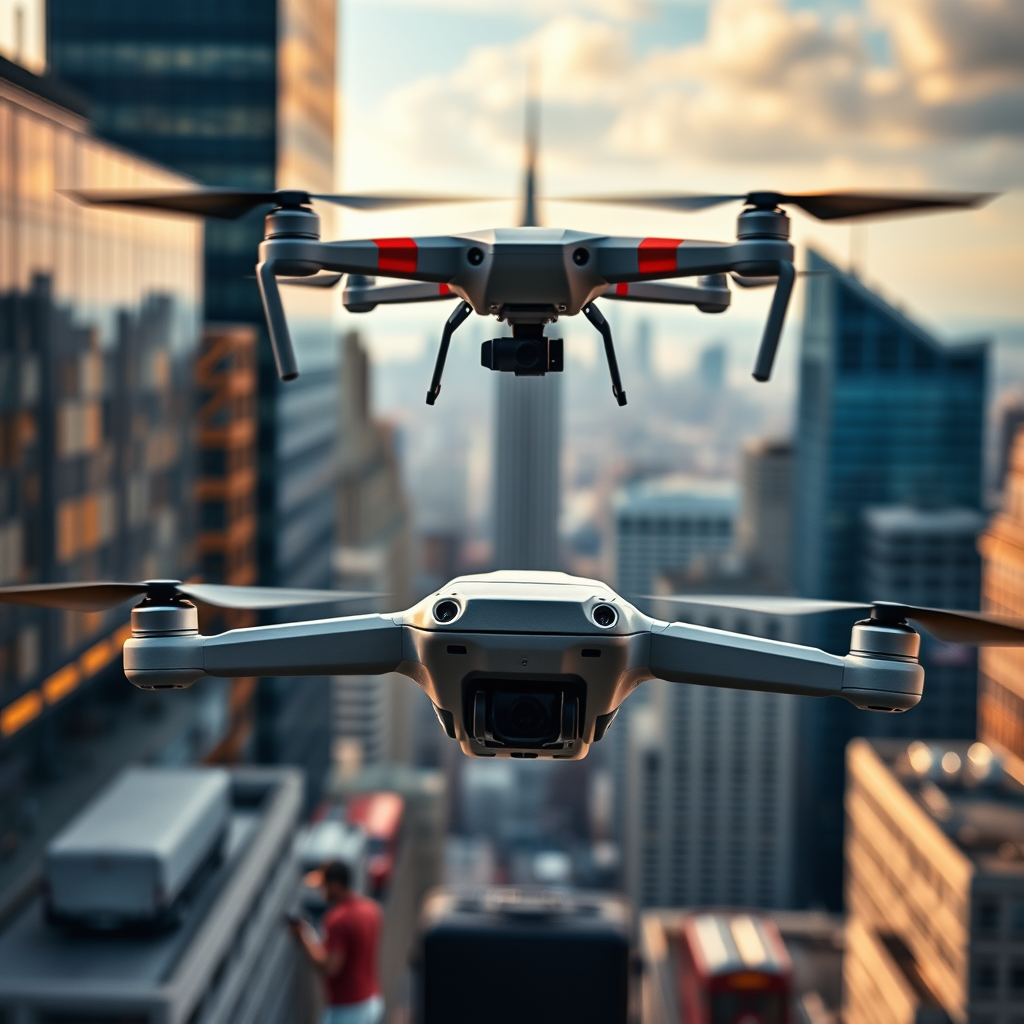
Yes, you can fly drones in New York City, but there are strict regulations and restrictions you must follow. The urban landscape presents unique challenges and considerations for drone pilots, making it essential to stay informed about federal and local laws to ensure safe and lawful operation. With its iconic skyline, vibrant culture, and bustling activity, NYC can be an exhilarating place to fly a drone; however, potential drone operators must navigate a complex web of rules to avoid legal repercussions and ensure public safety.
Overview of Drone Regulations in NYC

Flying drones in New York City is primarily governed by regulations established by the Federal Aviation Administration (FAA). These federal rules apply nationwide and set a baseline for safe drone operation, including requirements such as registering your drone, adhering to altitude limits (typically a maximum of 400 feet), and ensuring that your drone is within visual line-of-sight at all times. However, New York City imposes additional local laws that further restrict where and how drones can be flown.
For instance, NYC prohibits drone flights in certain public parks, near schools, and over congested areas where the risk of injury or damage is heightened. Additionally, New York state laws may impose further restrictions, particularly around sensitive locations like government buildings or public events. It’s crucial for drone pilots to familiarize themselves with both FAA guidelines and local regulations to navigate this complex regulatory environment successfully.
Restricted Areas for Drone Flight

New York City has established several no-fly zones where drone operation is strictly prohibited. High-profile locations include Central Park, Times Square, and near major airports such as John F. Kennedy International Airport (JFK) and LaGuardia Airport. These areas are heavily trafficked and pose significant safety risks, making them off-limits for recreational or commercial drone use.
Moreover, flying over people or private property without explicit permission is not allowed under both federal and local laws. Operators must obtain consent from property owners before flying over their land, and they should be especially cautious in densely populated areas where crowds gather. Furthermore, any drone activity that could interfere with emergency response operations is strictly forbidden.
To clarify, it’s essential to use resources like the FAA’s B4UFLY app, which provides real-time information about airspace restrictions, including temporary flight restrictions that may arise due to events or emergencies.
Obtaining Necessary Permissions
If you intend to use a drone for commercial purposes in NYC, you will need to acquire a Remote Pilot Certificate from the FAA. This certification requires passing a knowledge test that covers topics such as airspace classification, flight operation, and emergency procedures. Once certified, commercial operators must still comply with local laws and may need to seek additional permissions for specific locations or events.
For instance, if you wish to fly a drone during a special event like a parade or concert, you may need to submit a request to the relevant authorities, such as the New York City Police Department (NYPD) or the NYC Department of Parks & Recreation, to obtain a Temporary Flight Authorization (TFA). This process can take time, so it’s advisable to plan ahead and submit requests well in advance of your intended flight date.
Additionally, it is wise to maintain a clear understanding of the operational limitations that accompany your permissions. For example, even with certification, flights may still be restricted during certain hours or under specific conditions, such as high winds or low visibility.
Safety Guidelines for Flying Drones
Safety should always be a top priority when flying drones in a bustling metropolis like New York City. To ensure safe operation, drone pilots should adhere to several key guidelines:
1. Maintain Visual Line-of-Sight: Always keep your drone within your visual line-of-sight during flight. This practice allows you to monitor the drone’s surroundings and avoid potential collisions with buildings, people, or other aircraft.
2. Avoid Adverse Weather Conditions: Factors such as high winds, rain, or low visibility can significantly impair your ability to control the drone. It is advisable to check weather forecasts and avoid flying in conditions that could compromise safety.
3. Use Proper Pre-Flight Checks: Before takeoff, conduct thorough pre-flight checks of your drone, including battery levels, GPS functionality, and controls. This can help mitigate the risk of malfunctions during flight.
4. Stay Informed About Local Events: Be aware of local events or gatherings that may affect your flight plans. Large crowds can lead to additional risks, and authorities may impose temporary restrictions in response to public safety concerns.
By following these safety guidelines, drone operators can contribute to a safer flying environment and promote responsible drone use within New York City.
Consequences of Illegal Drone Use
Neglecting to adhere to drone regulations in New York City can lead to severe consequences. Penalties for illegal drone operation may include hefty fines, confiscation of the drone, and potential criminal charges. For instance, operating a drone in a no-fly zone can result in fines ranging from hundreds to thousands of dollars, depending on the severity of the violation.
In addition to financial penalties, repeated offenses can lead to loss of flying privileges, and serious violations may even result in legal action being taken against the operator. It is essential to recognize that law enforcement agencies, including the NYPD, actively monitor drone activities and can take immediate action against those who violate regulations.
Furthermore, reckless drone operation can pose risks to public safety. Incidents involving near-misses with manned aircraft or accidents that result in injury can lead to civil liability and significant legal repercussions. Therefore, it is crucial for drone pilots to understand and respect all regulations to avoid these severe outcomes.
Resources for Drone Pilots in NYC
To assist drone pilots in navigating the complexities of flying in New York City, several resources are available:
1. FAA Resources: The FAA provides extensive information on drone regulations, including guidelines for safe operation and certification processes. Their B4UFLY app is particularly useful for checking airspace status and identifying no-fly zones.
2. Local Aviation Authorities: Websites and resources provided by local authorities, such as the New York City Department of Parks & Recreation and the NYPD, offer guidance on specific regulations and restrictions pertaining to drone use in the city.
3. Drone Community: Joining local drone clubs or online communities can be beneficial for networking with other drone enthusiasts, sharing tips, and staying updated on local developments. These communities often provide valuable insights into the unique challenges of flying in urban environments.
4. Drone Mapping Apps: Various applications help drone pilots visualize no-fly zones and airspace restrictions, making it easier to plan safe flights. These tools can assist in avoiding restricted areas while promoting responsible drone operation.
By leveraging these resources, drone pilots can enhance their knowledge, comply with regulations, and ensure a positive flying experience in New York City.
Flying drones in New York City is indeed possible, but it is imperative to adhere to a myriad of rules and regulations. Understanding federal and local laws is vital for safe operation, especially in a city with such high traffic and dense populations. By staying informed, obtaining necessary permissions, and following safety guidelines, drone enthusiasts can enjoy the thrill of flying while minimizing risks. Ultimately, responsible drone operation not only enhances the experience for the pilot but also contributes to the safety and well-being of the community at large.
Frequently Asked Questions
Can you fly drones in New York City without a license?
In New York City, flying drones for recreational purposes requires compliance with federal regulations set by the Federal Aviation Administration (FAA). While a specific license is not required for hobbyists, you must register your drone if it weighs more than 0.55 pounds. Additionally, you must follow local laws and restrictions, which often prohibit flying in certain areas, particularly over populated regions, parks, and near airports.
What are the restrictions for flying drones in New York City?
Drones are heavily regulated in New York City, with strict restrictions that include not flying in areas like Central Park, near the Statue of Liberty, or within five miles of airports without prior authorization. You must also maintain a visual line of sight with your drone and cannot fly above 400 feet. It’s essential to familiarize yourself with both local ordinances and FAA regulations to avoid penalties or legal issues.
How can I obtain permission to fly a drone in restricted areas of NYC?
To obtain permission to fly a drone in restricted areas of New York City, you must apply for a waiver from the FAA. This process involves demonstrating your understanding of safety guidelines and how you plan to operate the drone responsibly. Additionally, you may need to contact local authorities to ensure compliance with city-specific regulations and obtain any necessary permits for your intended flight area.
Why are drone regulations so strict in New York City?
Drone regulations in New York City are strict primarily due to safety and privacy concerns. The dense urban environment, high population density, and numerous landmarks mean that flying drones could pose risks to people, property, and aircraft. To mitigate these risks, regulations are in place to protect public safety and ensure that drone operations do not interfere with emergency services or private activities.
What is the best way to stay updated on drone laws in New York City?
The best way to stay updated on drone laws in New York City is by regularly checking the FAA’s official website, which provides the most current regulations and guidelines for drone operations. Additionally, local government websites and community forums can offer insights on city-specific regulations and any changes to local laws. Joining drone enthusiast groups on social media or attending local meetups can also keep you informed about recent developments and best practices in drone flying.
References
- https://www.faa.gov/uas/getting_started/where_to_fly
- https://www.nyc.gov/site/dot/initiatives/drone-regulations.page
- https://www.nytimes.com/2021/02/25/nyregion/drone-laws-new-york.html
- https://www.wired.com/story/faa-drone-regulations-new-york-city/
- https://www.nyc.gov/assets/dot/downloads/pdf/Drone-Regulations.pdf
- https://www.nps.gov/articles/drones-in-national-parks.htm
- https://www.faa.gov/uas/faq/
- https://www.nytimes.com/2019/06/27/technology/drone-regulations.html
