

Drones can reach speeds of up to 100 mph (160 km/h) depending on their type and design. Understanding the factors that influence a drone’s speed is essential for selecting the right model for specific applications, whether for recreational flying, aerial photography, or professional use. This article will delve into the various aspects that determine how fast different drones can fly, offering insights into their design, capabilities, and the environmental factors that contribute to their speed.
Types of Drones and Their Speeds
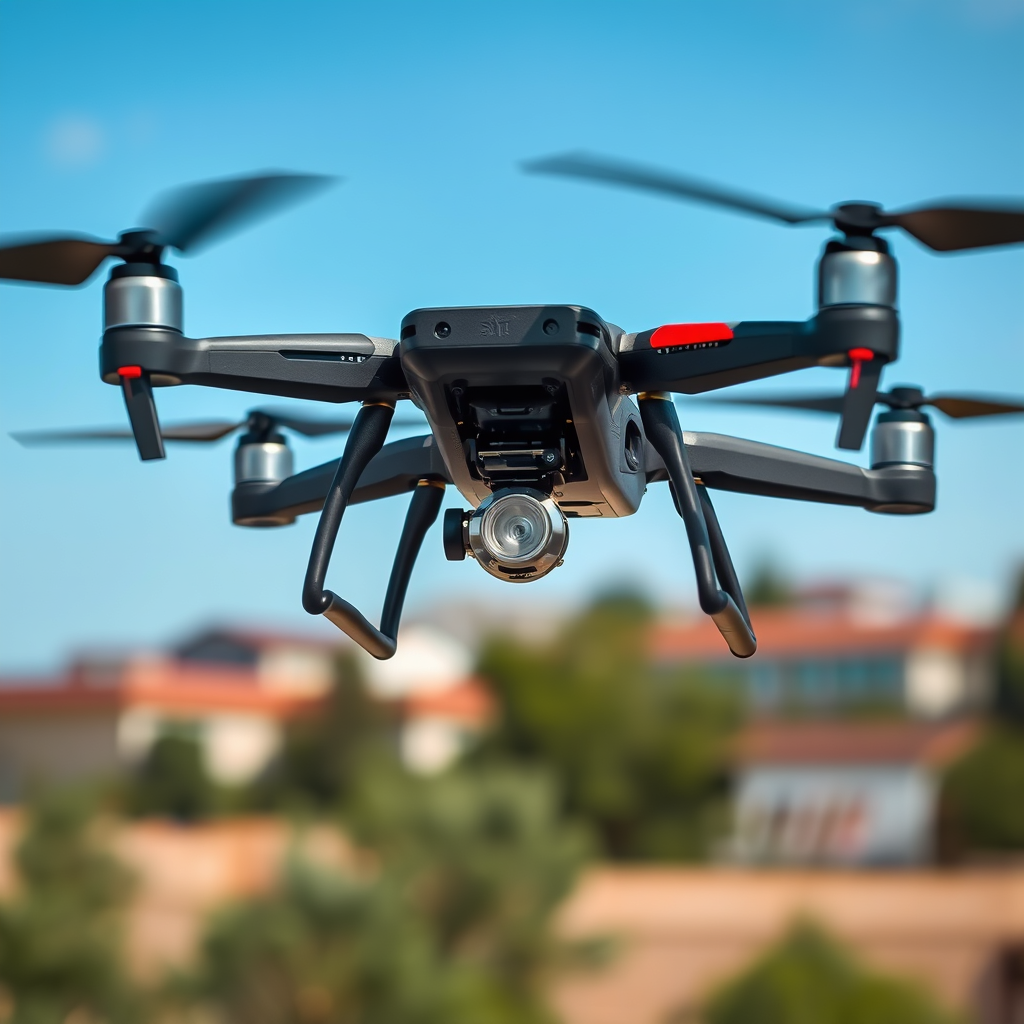
When examining the speed capabilities of drones, it is vital to recognize the distinct categories that exist within the market. Racing drones are engineered for high performance, often achieving speeds exceeding 100 mph. These drones are lightweight and designed with agility in mind, enabling them to execute rapid turns and maneuvers, which is essential for competitive racing. Brands like Fat Shark and Emax produce racing drones equipped with advanced technology that supports high-speed flight, allowing pilots to experience thrilling races and challenges.
On the other hand, consumer drones, commonly used for photography and recreational purposes, typically have a more moderate speed range of 15 to 50 mph. Popular models such as the DJI Phantom and Mavic series are designed to carry cameras and stabilizing equipment, which may limit their maximum speeds in favor of stability and image quality. For instance, the DJI Mavic Air 2 can reach speeds up to 42 mph, making it suitable for capturing dynamic aerial shots while still maintaining control.
Factors Affecting Drone Speed
Several factors influence the speed capabilities of drones, and understanding these can help users make informed choices. One of the primary factors is weight. Heavier drones generally face increased drag, which can hinder their ability to reach higher speeds. For instance, a drone loaded with additional equipment or accessories may experience a significant reduction in performance, impacting both speed and flight time.
Another crucial element is motor power. Drones equipped with high-performance motors can achieve greater speeds and improved acceleration. The efficiency of the motors directly affects how quickly a drone can reach its maximum speed. For example, a racing drone with powerful brushless motors can achieve rapid acceleration and maintain high speeds during flight, while a consumer drone with less robust motors may struggle to keep pace.
Speed Comparison: Consumer vs. Professional Drones
In comparing consumer and professional drones, it’s important to note their intended applications and speed capabilities. Consumer drones, like the DJI Mavic series, can reach speeds up to 44 mph, making them suitable for casual users and hobbyists looking to capture stunning aerial imagery. These drones are optimized for ease of use, often featuring automated flight modes that help users navigate without extensive piloting experience.
Conversely, professional drones are designed for commercial applications, such as surveying, mapping, and delivery services. These drones can exceed speeds of 60 mph, allowing for efficient operation in various industries. For instance, the DJI Matrice 600, often used for filmmaking and industrial applications, can reach speeds up to 40 mph, but its design allows for the integration of heavy payloads and advanced camera systems, which are critical for high-quality production work.
The Role of Battery Life
One of the often-overlooked aspects of drone speed is its relationship with battery life. High-speed flights can significantly drain a drone’s battery, leading to reduced flight time. For example, a racing drone that pushes its limits may only achieve a few minutes of flight before needing a recharge. Understanding the battery capacity and its implications on speed and endurance is crucial for effective drone operation.
Users should also consider the trade-off between speed and battery life. While flying at maximum speeds can be exhilarating, it often comes at the cost of shorter flight durations. Many drone manufacturers provide specifications regarding expected flight times at various speeds, which can help users plan their flights accordingly. For optimal performance, it is recommended to balance speed with battery efficiency, ensuring that the drone can complete its objectives without running low on power.
Legal Regulations on Drone Speed
As drone technology becomes more widespread, so too do the regulatory frameworks governing their use. Different regions may impose specific speed restrictions for drones to enhance safety and reduce risks associated with high-speed flights. In the United States, for instance, the Federal Aviation Administration (FAA) has established guidelines that govern drone operations, including altitude restrictions and speed limits in certain airspaces.
Awareness of local laws is essential for compliance and safe flying practices. Drone pilots should familiarize themselves with regulations in their specific regions or countries, as failure to do so can result in penalties or loss of flying privileges. Keeping abreast of these regulations not only ensures legal compliance but also promotes a safer environment for all airspace users, including manned aircraft.
Tips for Getting the Most Speed from Your Drone
To maximize the speed capabilities of your drone, there are several practical tips that can help. First, optimizing the drone’s weight is crucial. Removing unnecessary accessories and payloads can significantly improve speed and overall performance. For instance, if a drone is equipped with a gimbal or extra cameras that are not needed for a specific flight, consider flying without them to achieve faster speeds.
Additionally, regular maintenance is vital for ensuring optimal speed. This includes checking propeller conditions and motor efficiency. Damaged or worn propellers can create additional drag, reducing speed and flight stability. By routinely inspecting and maintaining your drone, you can ensure that it operates at peak performance, allowing for the best possible flying experience.
In conclusion, the speed of a drone is influenced by various factors, including its type, design, and operational conditions. Whether you are racing, capturing breathtaking aerial footage, or conducting professional work, understanding these speed characteristics is essential for making informed decisions. By considering the factors outlined in this article, you can explore your options and find the perfect drone that meets your speed requirements, ensuring an enjoyable and effective flying experience.
Frequently Asked Questions
What is the maximum speed of consumer drones?
The maximum speed of consumer drones varies widely depending on the model and purpose. Generally, most consumer drones can reach speeds between 15 to 50 mph (24 to 80 km/h). However, high-performance racing drones can exceed speeds of 100 mph (161 km/h). When selecting a drone, it’s important to consider its intended use, as speed may not always be the most critical factor.
How can I make my drone fly faster?
To increase your drone’s speed, consider optimizing its weight, battery, and propeller size. Reducing unnecessary weight by removing non-essential accessories can improve performance. Additionally, upgrading to larger or more efficient propellers can enhance thrust. Lastly, ensure your drone’s firmware is up to date, as manufacturers often release updates that can improve speed and overall flying efficiency.
Why do some drones fly faster than others?
Drones have varying speeds due to differences in design, motor power, and intended usage. Racing drones are specifically engineered for speed, often featuring lightweight frames and high-performance motors. Conversely, camera drones prioritize stability and flight time over speed, resulting in lower maximum velocities. Understanding these distinctions can help consumers choose the right drone for their needs.
Which drone is the fastest on the market?
As of October 2023, the fastest drone on the market is the DRL RacerX, capable of reaching speeds up to 179 mph (288 km/h). This racing drone is designed for professional competitions and features advanced aerodynamics and high-powered motors. For those seeking speed, it’s essential to consider both the drone’s specifications and your skill level, as high-speed drones require advanced piloting abilities.
What factors affect a drone’s speed and flight performance?
Several factors influence a drone’s speed and overall flight performance, including battery capacity, weight, wind conditions, and motor power. A heavier drone may be slower due to increased inertia, while strong winds can impede speed and stability. Additionally, the drone’s design, including propeller size and aerodynamics, plays a crucial role. Understanding these factors can help you optimize your drone’s performance for your specific flying conditions.
References
- https://en.wikipedia.org/wiki/Drone
- https://www.faa.gov/uas/getting_started/
- https://www.nytimes.com/2021/05/03/technology/drone-speed.html
- https://www.theguardian.com/technology/2020/jun/22/the-future-of-drones-speed-and-technology
- https://www.nap.edu/catalog/25264/aircraft-drones-and-the-future-of-aviation
- https://www.sciencedirect.com/science/article/abs/pii/S009367001830164X
- https://www.wired.com/story/how-fast-are-drones/
