
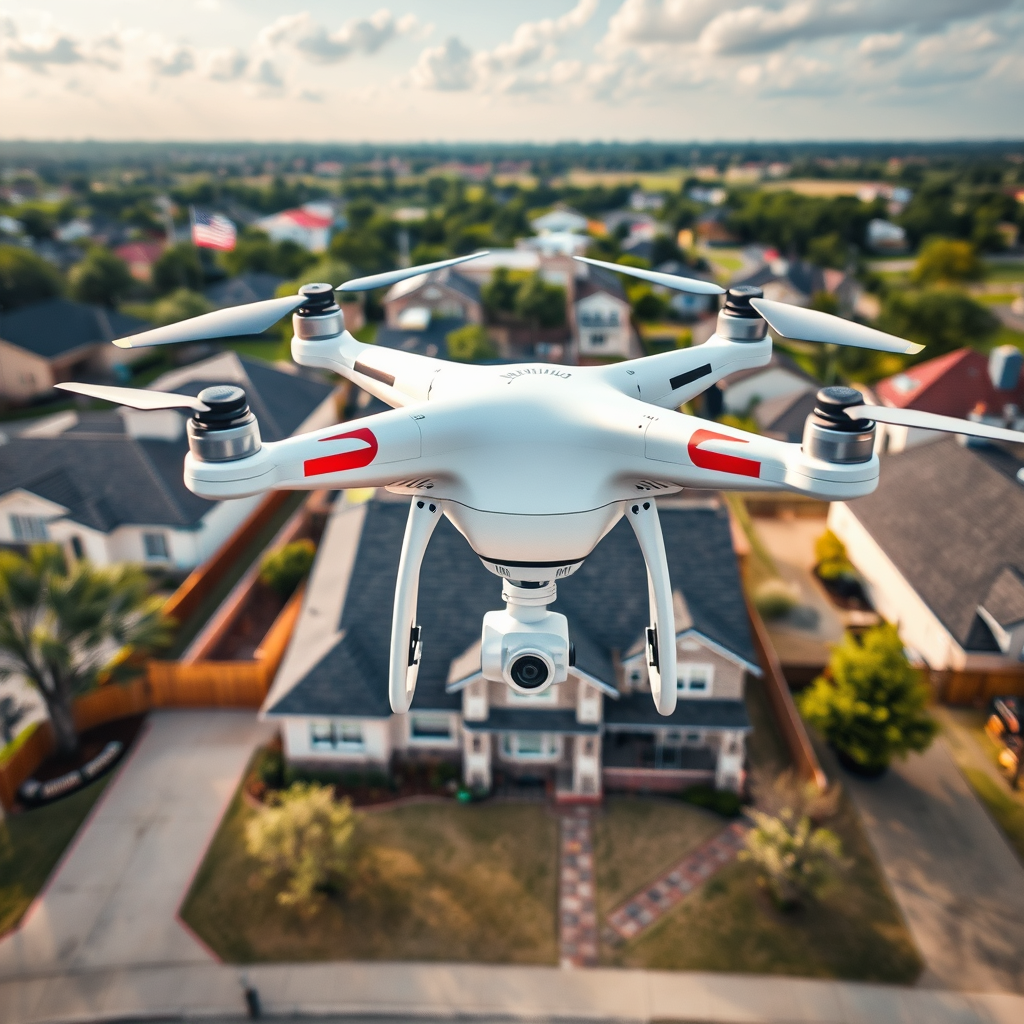
Yes, you can generally shoot a drone over your property in Texas, but there are several important legal considerations to keep in mind. While the impulse to protect your privacy and property is understandable, doing so could lead to significant legal repercussions. Understanding the intricacies of drone regulations, property rights, and the potential consequences of taking drastic action is essential for any property owner facing this situation.
Understanding Drone Regulations in Texas
The operation of drones is primarily governed by regulations set forth by the Federal Aviation Administration (FAA), which oversees all airspace in the United States, including Texas. The FAA has established guidelines that dictate where and how drones can be flown, emphasizing that they must not interfere with manned aircraft and must be operated within the visual line of sight of the pilot.
In addition to federal regulations, Texas law has specific provisions pertaining to drones. For instance, Texas has enacted statutes that address issues such as privacy invasions and trespassing related to drone usage. The state law prohibits the use of drones to capture images of individuals or private property without consent, which can be a significant concern for property owners. However, these laws do not grant property owners the right to unilaterally shoot down drones they perceive as intrusive or threatening.
Property Rights and Airspace
In Texas, property owners generally possess rights over the land they own, extending to a certain height above the ground. However, these rights are not absolute. The FAA maintains that the airspace above a certain altitude is a public resource, which complicates the relationship between property rights and drone operation.
For example, while you may have the right to enjoy and control your property, that does not necessarily mean you can exert control over every drone that flies above it, particularly if such drones are operating within the legal limits set by the FAA. Courts have historically ruled that property rights do not extend infinitely into the sky, meaning a drone flying at a legal altitude may not be violating your rights.
Legal Consequences of Shooting a Drone
Shooting down a drone that is flying over your property can lead to serious legal consequences. In Texas, the destruction of property, including a drone, can result in charges of criminal mischief. This offense can carry penalties ranging from fines to imprisonment, depending on the value of the property destroyed and the circumstances surrounding the act.
Moreover, if the drone is registered and operated legally, the owner may pursue civil action against you for damages, which could further exacerbate any legal troubles you might face. Additionally, shooting a drone poses significant safety risks; stray bullets can harm innocent bystanders, leading to potential charges of reckless endangerment or even assault.
Alternative Actions to Take
Instead of resorting to violence, property owners have several constructive alternatives to address concerns regarding drones. One effective approach is to report unauthorized drone activity to local authorities. Law enforcement agencies are often equipped to handle complaints about drone usage that may infringe on privacy rights or violate state laws.
Engaging with drone operators can also yield positive results. If you suspect a drone is invading your privacy, consider approaching the operator to express your concerns. In many cases, the operator may not be aware that they are infringing upon your space, and a simple discussion can lead to a resolution without escalating the situation.
Privacy Concerns with Drones
The rise of drones equipped with cameras has amplified privacy concerns, leading to potential legal implications for both operators and property owners. In Texas, individuals have legal protections against unwarranted surveillance, which includes the use of drones for capturing images or videos of private property without consent.
Texas law specifically prohibits the use of drones to record individuals in situations where they have a reasonable expectation of privacy, such as in their homes or backyards. This legal framework provides a measure of protection for property owners and addresses the growing concerns regarding drone surveillance and privacy invasion.
Seeking Legal Advice
If you find yourself considering drastic measures against a drone, it is crucial to seek legal advice before taking any action. Consulting with a legal expert can provide clarity on your rights and the nuances of local and state laws. A knowledgeable attorney can help you navigate the complexities of drone regulations and property rights, allowing you to make informed decisions on how best to address any concerns.
Understanding the legal landscape surrounding drones can empower property owners to take appropriate actions without risking legal repercussions. Whether it is through reporting, discussing, or seeking legal counsel, there are often better alternatives available than resorting to violence.
In conclusion, while the desire to shoot a drone flying over your property in Texas may be tempting, it is essential to recognize the potential legal ramifications of such an action. With a complex interplay of federal and state regulations, property rights, and privacy concerns, understanding the full scope of the situation is vital. Engaging in alternative approaches and seeking legal advice will not only protect your rights but also foster a safer and more respectful resolution to drone-related issues.
Frequently Asked Questions
Can I legally fly a drone over my property in Texas?
Yes, you can legally fly a drone over your property in Texas, as long as you follow federal regulations set by the Federal Aviation Administration (FAA). According to the FAA, property owners have the right to operate drones on their own land, but it’s crucial to ensure that you adhere to any local laws and ordinances regarding drone usage, as well as maintaining a safe distance from crowded areas and private properties.
What are the regulations for flying a drone in Texas?
In Texas, drone operators must comply with both federal and state regulations. At the federal level, the FAA requires that drones be registered if they weigh over 0.55 pounds and that operators follow guidelines for safe flying, such as maintaining a visual line of sight and not flying above 400 feet. Additionally, Texas law prohibits the use of drones to capture images or videos in certain circumstances, especially over private property without consent, so it’s important to familiarize yourself with these regulations to ensure compliance.
How can I ensure I’m flying my drone safely over my property in Texas?
To fly your drone safely over your property in Texas, always conduct a pre-flight check to ensure your drone is in good working condition. Stay within the legal altitude limit of 400 feet, avoid flying near airports and restricted airspace, and be mindful of weather conditions. Also, consider using a drone flight app to check for no-fly zones and stay updated on any changes in local regulations that may affect your flight.
Why is it important to understand property rights when flying a drone in Texas?
Understanding property rights is crucial when flying a drone in Texas because it helps prevent legal conflicts with neighbors and ensures responsible usage. While you can legally operate a drone over your own property, flying over adjacent properties can lead to privacy violations or trespassing claims. Educating yourself about the boundaries of your property and respecting the privacy of others can foster good neighborly relations and prevent potential legal issues.
What are the best practices for using a drone recreationally over my property in Texas?
The best practices for using a drone recreationally over your property in Texas include obtaining the necessary FAA registration, familiarizing yourself with local laws, and ensuring your drone is in good working order before each flight. Additionally, it’s best to notify neighbors about your drone activities to maintain transparency, avoid flying during sensitive times (like early mornings or late evenings), and always avoid crowded areas to prevent accidents. Following these practices promotes safety and compliance while enhancing your overall flying experience.
References
- https://www.faa.gov/uas/getting_started/flyers
- https://www.texas.gov/en/government/Pages/drone-regulations.aspx
- https://www.legis.state.tx.us/tlodocs/86R/billtext/html/HB00098F.htm
- https://www.nolo.com/legal-encyclopedia/drone-law-texas-32466.html
- https://www.theverge.com/2019/5/15/18625308/texas-drone-laws-property-rights-faa
