
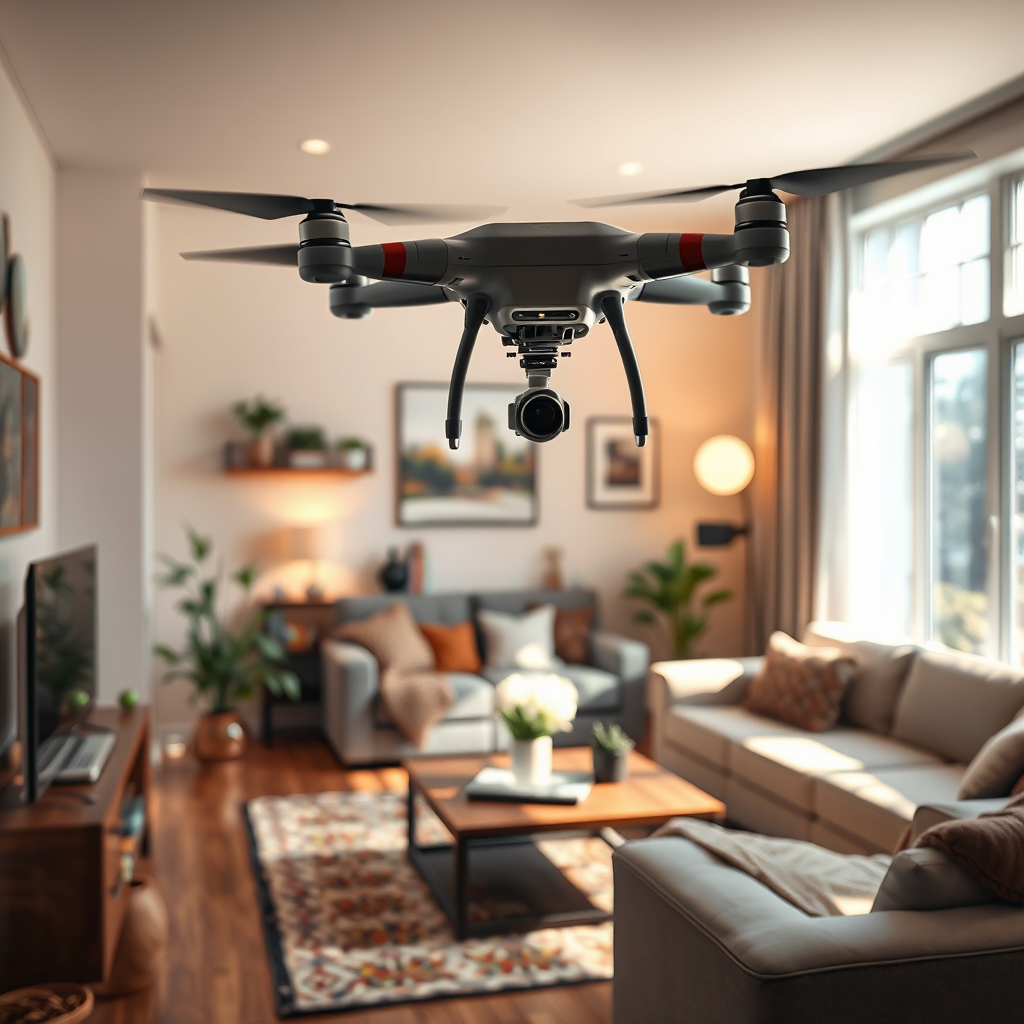
Police drones cannot see inside your house due to privacy laws and the limitations of their technology. However, there are exceptions and specific circumstances where surveillance may occur. Understanding the capabilities of police drones, the legal frameworks governing their use, and the implications for privacy can illuminate the complexities surrounding this issue. This article delves into the technological capabilities of drones, relevant legal considerations, situations where interior views may be captured, privacy concerns, current regulations, and alternatives to drone surveillance.
Understanding Police Drone Technology
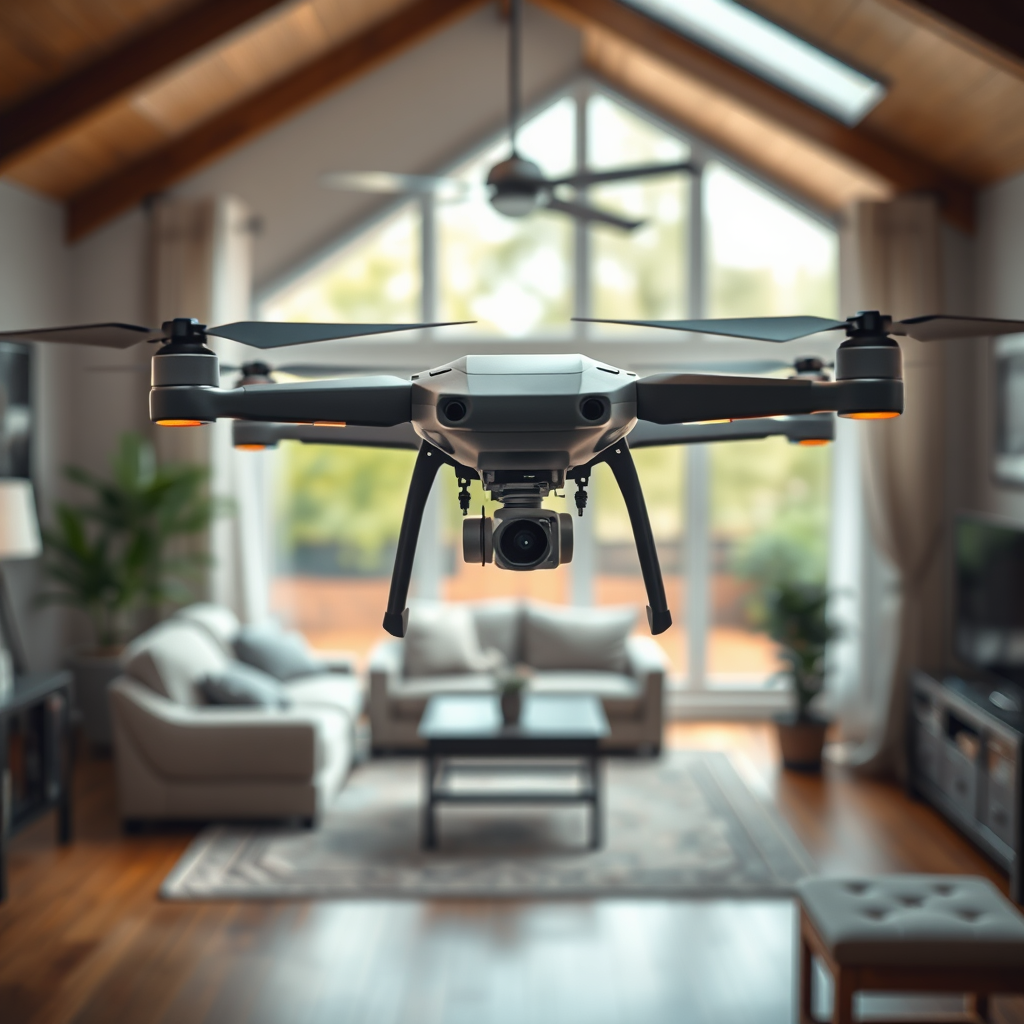
Police drones are advanced aerial vehicles equipped with high-resolution cameras and various sensors designed for surveillance purposes. The primary technology employed by most police drones operates within the visible light spectrum, which is incapable of penetrating solid structures such as walls or roofs. This means that, under normal circumstances, the drones cannot capture images or video from inside a house.
In addition to visible light cameras, some drones are outfitted with thermal imaging technology, which detects heat signatures. While this technology can provide valuable information, such as identifying individuals or assessing the presence of activities within a building, it still cannot provide clear visual details akin to traditional photography or videography. For example, thermal imaging can indicate whether there are people inside a home, but it would not reveal their identities or activities in a specific manner. Overall, the limitations of both visible light and thermal imaging technologies ensure that police drones do not have the capability to see inside homes in a typical scenario.
Legal Framework Governing Drone Use

The use of drones for surveillance by law enforcement is governed by a complex legal framework that includes both federal and state laws. The Fourth Amendment of the U.S. Constitution protects citizens from unreasonable searches and seizures, establishing a legal precedent that impacts how police can utilize drones. Generally, surveillance conducted in public spaces does not require a warrant. However, once surveillance intrudes upon a reasonable expectation of privacy—such as peering into a home—law enforcement typically must obtain a warrant.
Many jurisdictions have enacted specific laws and regulations to clarify the boundaries for drone usage. For instance, some states have adopted legislation that explicitly prohibits drone surveillance of private property without consent or a warrant. Such regulations aim to safeguard individual privacy rights and ensure that law enforcement operates within the confines of the law. Understanding these legal frameworks is essential for citizens to comprehend their rights and the limitations placed on law enforcement agencies.
Situations Where Drones Might Capture Interior Views
While police drones are generally restricted from seeing inside homes, there are specific situations where this may occur inadvertently. For instance, if a window is open or not covered, a drone flying nearby could capture images or video of the interior. This scenario often raises questions about the legality and ethics of such surveillance, particularly if the drone operator did not intend to invade privacy but inadvertently captured footage.
Additionally, emergency situations may justify warrantless drone use, allowing law enforcement to respond quickly to critical incidents. For example, in a hostage situation or a standoff, police may deploy drones to gather intelligence without having the time to secure a warrant. In these cases, the urgency of the situation may outweigh privacy concerns, but they still raise significant ethical questions regarding the balance between public safety and individual privacy rights.
Privacy Concerns and Public Perception
The use of drones in law enforcement has sparked considerable debate regarding privacy concerns. Many individuals feel that drones encroach on their personal space, leading to anxiety about constant surveillance and loss of privacy. Public perception is crucial, as it shapes the dialogue around acceptable drone use in policing.
Critics argue that the proliferation of drone technology could normalize invasive surveillance practices, eroding the boundaries of personal privacy. As drones become more advanced and accessible, the potential for misuse increases, leading to fears of a surveillance state. Conversely, proponents of drone use argue that they are invaluable tools for enhancing public safety, enabling law enforcement to respond swiftly to crimes and emergencies. This dichotomy highlights the need for ongoing discussions about ethical considerations and the establishment of guidelines that balance safety with individual rights.
Current Regulations and Future Trends
Regulations governing drone use in law enforcement vary significantly across regions. Some areas have introduced strict guidelines that require law enforcement to develop comprehensive drone policies, ensuring transparency and accountability in their operations. For instance, cities such as San Francisco have implemented moratoriums on police drone use until more thorough regulations can be established.
As technology continues to evolve, emerging capabilities may alter the landscape of drone surveillance. Advancements in artificial intelligence, data analysis, and imaging technology could enhance the effectiveness of drones in various applications. However, these developments also raise concerns about privacy and the potential for misuse. Policymakers will need to adapt existing regulations and create new frameworks to address the ethical implications of these emerging technologies, ensuring that they align with the principles of democracy and individual rights.
Alternatives to Drone Surveillance
Law enforcement agencies have access to various alternatives for surveillance that may offer less intrusive methods than drones. Traditional techniques, such as undercover operations, stakeouts, and community policing, can provide valuable intelligence without the need for aerial surveillance. These methods also promote community engagement and foster trust between law enforcement and citizens.
Additionally, advancements in technology have led to the development of other surveillance tools, such as body cameras and fixed surveillance systems, which can enhance accountability and transparency in policing. Utilizing these alternatives can help law enforcement agencies maintain public safety while mitigating privacy concerns associated with drone surveillance.
In conclusion, while police drones have limitations that prevent them from seeing inside homes, the legal and ethical implications surrounding their use warrant ongoing discussion. Understanding the capabilities of drone technology, the legal frameworks governing their use, and public perceptions of privacy can help citizens navigate their rights in an increasingly surveilled world. As technology evolves, it is essential to ensure that regulations adapt to protect individual privacy while allowing law enforcement to perform its duties effectively.
Frequently Asked Questions
Can police drones see inside my house?
Generally, police drones are equipped with high-resolution cameras that can capture images from above, but they are not typically able to see through the walls of buildings. The privacy laws in many jurisdictions restrict the use of drones for surveillance purposes, particularly when it comes to peering into private residences. While drones can identify activities in yards or on rooftops, they cannot penetrate the physical structure of your home.
What technology do police drones use to gather information?
Police drones often utilize various technologies, including thermal imaging, night vision, and high-definition cameras. Thermal imaging can detect heat signatures, which may allow police to see movement inside a building, but it cannot provide clear images of individuals. The combination of these technologies enables law enforcement to monitor situations from a safe distance while adhering to legal limitations regarding surveillance.
How can I protect my privacy from police drone surveillance?
To protect your privacy from potential police drone surveillance, consider using privacy-enhancing measures such as window treatments or reflective materials that can obscure views from above. Additionally, staying informed about local laws regarding drone usage can help you understand your rights. Engaging in community discussions about drone policies can also influence how drones are used in your area.
Why are police using drones for surveillance?
Police are increasingly using drones for surveillance due to their ability to cover large areas quickly and provide real-time data during critical incidents, such as natural disasters or high-stakes police operations. Drones can enhance public safety by providing aerial support while reducing the risks associated with traditional ground surveillance methods. However, this use has raised concerns regarding privacy, leading to calls for clearer regulations.
Which states have laws regulating police drone use?
Various states in the U.S. have enacted laws regulating the use of police drones, including California, Florida, and Texas. These laws often require law enforcement agencies to have specific justifications for drone use, mandate transparency in operations, and set guidelines for data retention. It’s essential to check your state’s legislation to understand the specifics of drone surveillance regulations in your area.
References
- https://en.wikipedia.org/wiki/Drone#Surveillance
- https://www.eff.org/deeplinks/2020/01/what-you-need-know-about-police-drones
- https://www.aclu.org/news/privacy-technology/police-drones-are-watching-you
- https://www.nytimes.com/2021/06/29/us/police-drones-privacy.html
- https://www.wired.com/story/police-drones-privacy/
- https://www.nap.edu/catalog/25510/using-drones-for-public-safety
- https://www.ncbi.nlm.nih.gov/pmc/articles/PMC6125404/
- https://www.bbc.com/news/technology-57762143
