
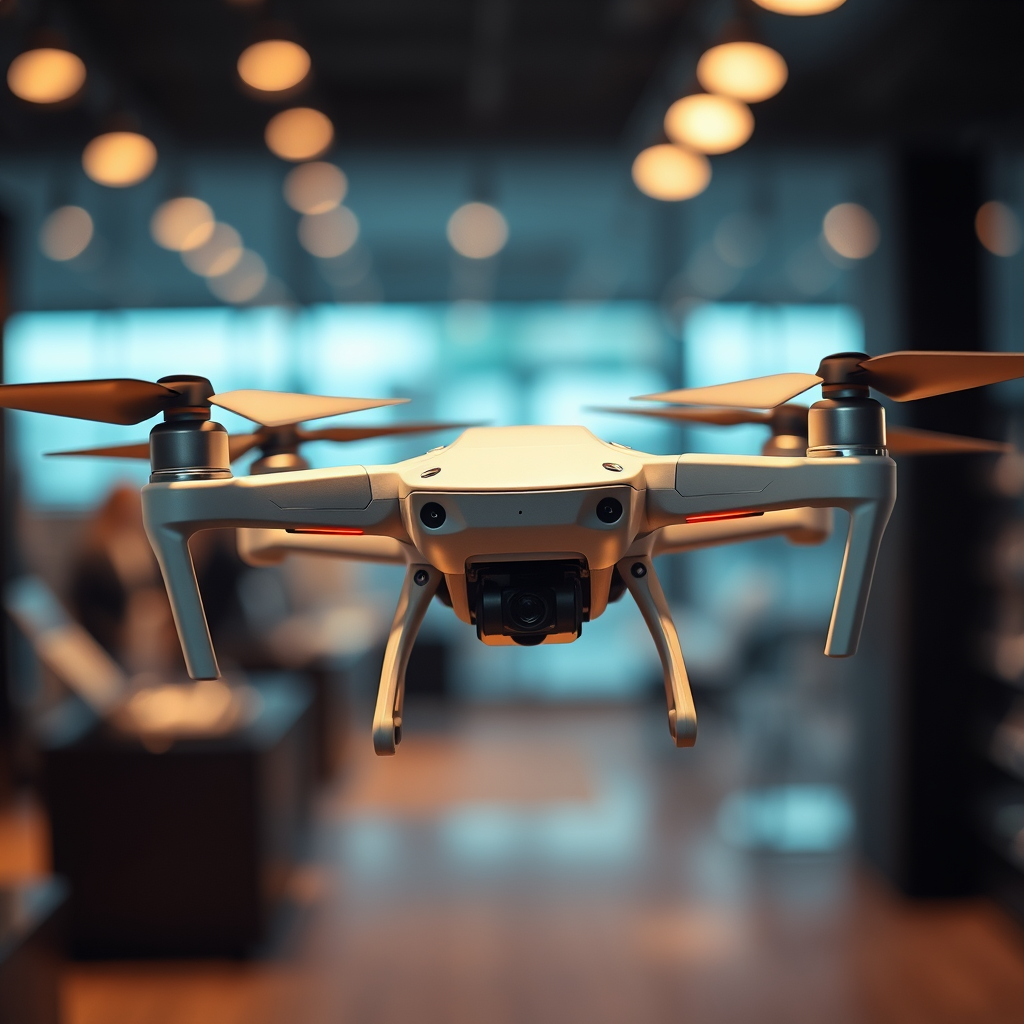
Yes, police can use drones, but there are specific regulations and guidelines governing their use. The integration of drones into law enforcement practices has gained traction in recent years, offering innovative ways to enhance public safety, improve operational efficiency, and conduct various investigations. However, the deployment of these unmanned aerial vehicles (UAVs) is not without its complexities, particularly regarding legal compliance and ethical considerations. This article delves into the legal framework, practical applications, and the implications of drone usage in law enforcement.
Understanding Drone Legislation
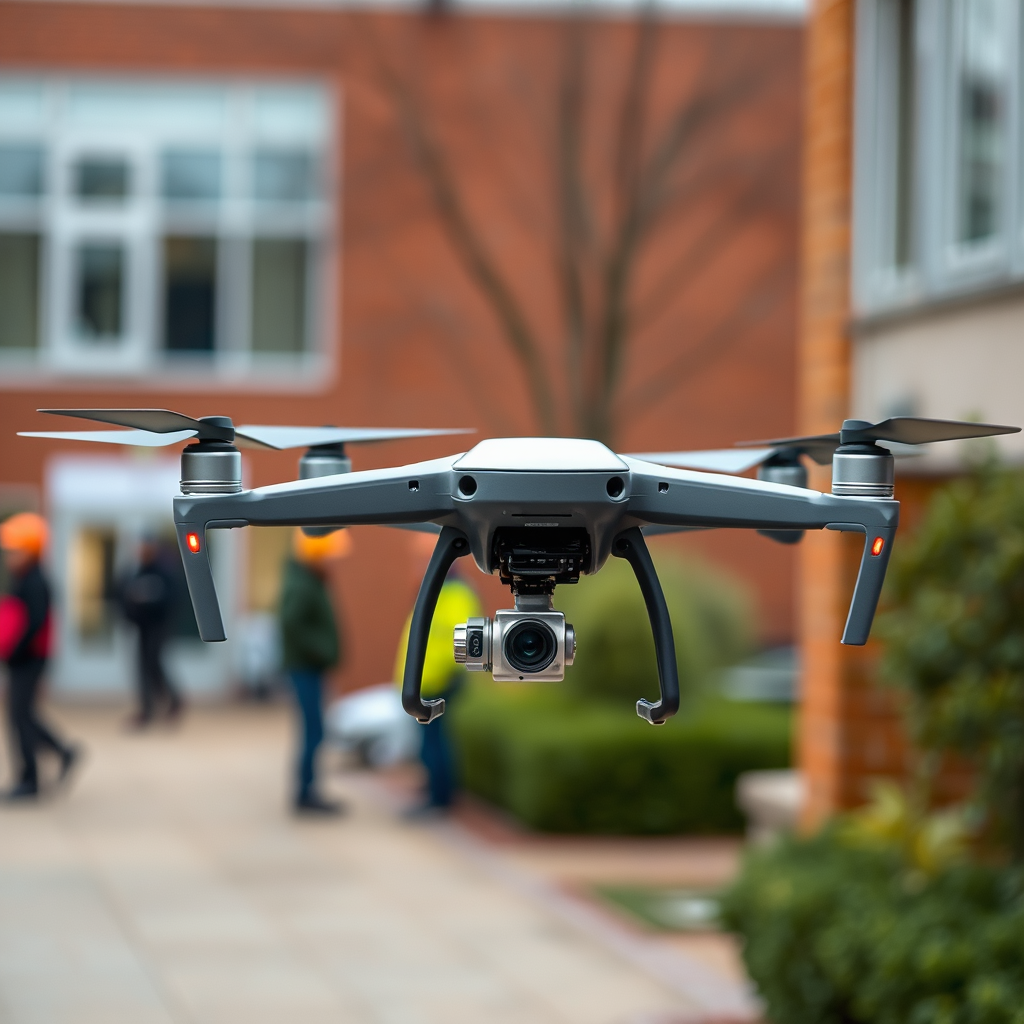
The legal landscape surrounding drone usage by law enforcement is primarily governed by regulations set forth by the Federal Aviation Administration (FAA). Under FAA regulations, law enforcement agencies can operate drones for specific purposes, including surveillance and search and rescue, provided they adhere to established guidelines. For instance, the FAA mandates that police drones must be registered and operated within visual line of sight unless a special waiver is obtained.
In addition to federal regulations, various state-specific laws can further influence drone operations. Some states impose stricter guidelines on drone surveillance to protect citizens’ rights. For example, California has enacted legislation that requires law enforcement agencies to create and adopt drone use policies, which must include public transparency measures before the deployment of drones. This patchwork of regulations emphasizes the need for police departments to stay informed about both federal and state laws to ensure compliance while utilizing drone technology.
Common Uses of Drones in Policing
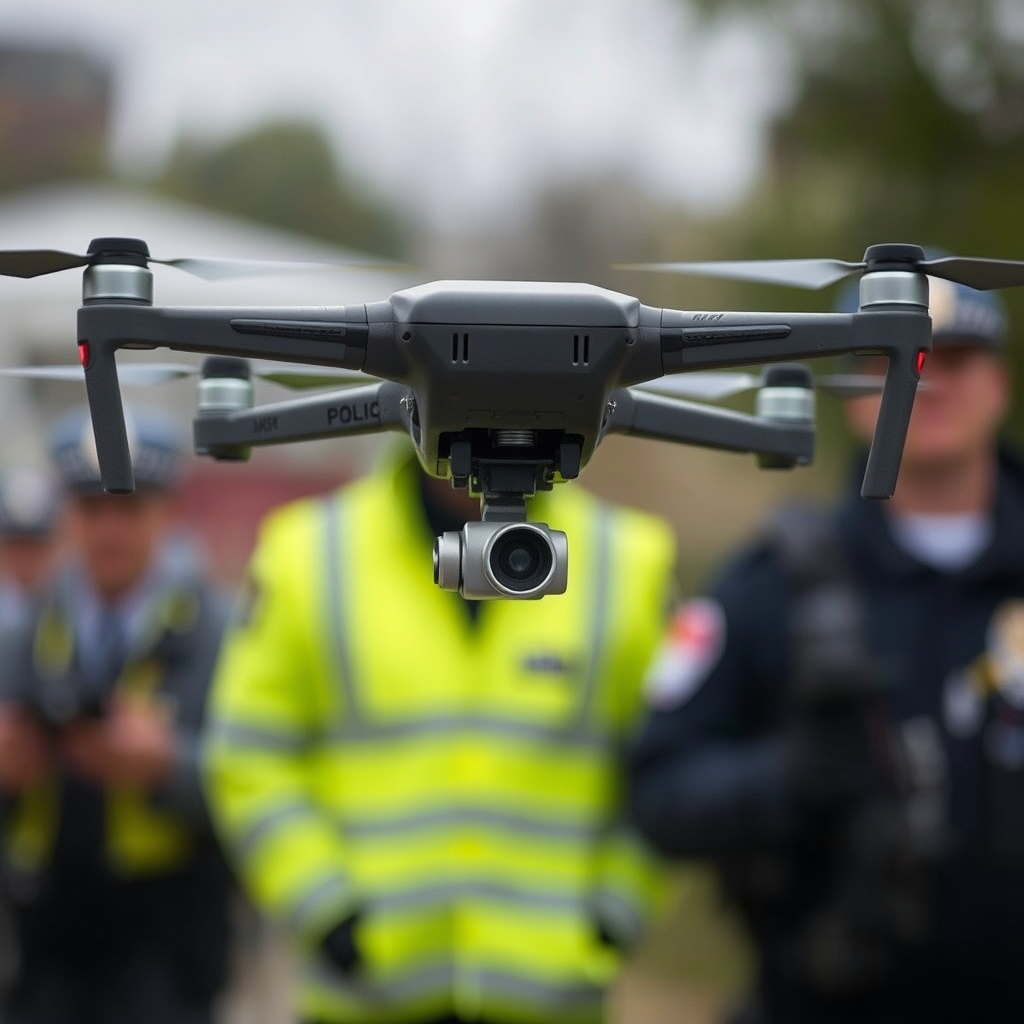
Drones have found numerous practical applications within law enforcement, significantly enhancing operational capabilities. One of the most prevalent uses is in surveillance and monitoring during large events or crowd gatherings. For example, during public demonstrations or festivals, police can deploy drones to monitor crowd dynamics, ensure safety, and respond quickly to incidents without risking officer safety.
Another critical application is in search and rescue missions, particularly in challenging terrains such as forests, mountains, or disaster-stricken areas. Drones equipped with thermal imaging cameras can locate missing persons or victims trapped in inaccessible locations. A notable example occurred in 2020 when a police department in New Jersey used drones to assist in locating a missing child in a vast wooded area, significantly reducing search time and enhancing the likelihood of a positive outcome.
Privacy Concerns with Police Drones
Despite the benefits of police drones, their use raises significant privacy concerns that cannot be overlooked. Citizens may feel that drone surveillance infringes on their privacy rights, leading to potential violations of constitutional protections. For instance, the use of drones for routine surveillance without probable cause could be seen as an overreach of police authority, prompting legal challenges.
To address these concerns, it is crucial for law enforcement agencies to prioritize transparency and build public trust. Engaging with communities to explain the purpose and scope of drone operations can foster a better understanding and acceptance of this technology. Moreover, implementing strict guidelines on data collection and retention can help mitigate privacy risks. Agencies should establish clear protocols regarding how long surveillance footage is stored and who has access to it, ensuring accountability in drone operations.
Technology and Equipment Used
The types of drones utilized by police departments vary widely based on operational needs and available budgets. Generally, law enforcement agencies opt for multi-rotor drones due to their maneuverability and ease of deployment. Some commonly used models include the DJI Matrice series and the Parrot Anafi USA, both of which offer advanced features beneficial for police work.
Key technological features of these drones include thermal imaging capabilities, which allow officers to detect heat signatures even in low-visibility conditions, and high-resolution cameras that provide clear images for evidence collection. Furthermore, drones equipped with facial recognition technology are increasingly being explored, although their use raises additional ethical and privacy concerns that require careful consideration.
Case Studies of Drone Usage
Several police departments across the United States have successfully utilized drones in a variety of operations, showcasing their practical benefits. For instance, the Mesa Police Department in Arizona used drones to assist in monitoring a large music festival, enabling real-time assessments of crowd behavior and efficient resource allocation. This proactive approach led to a significant reduction in incidents and enhanced overall public safety.
Conversely, drone usage has also sparked ethical debates. A notable incident occurred in 2018 when a police department in North Carolina deployed drones equipped with facial recognition technology during a public event. This move faced backlash from civil rights advocates, who argued that it infringed on citizens’ rights and privacy. Such incidents underline the importance of establishing clear ethical guidelines and policies regarding drone usage to prevent misuse and protect civil liberties.
Future Trends in Police Drone Usage
The future of police drone usage is poised for expansion, driven by advancements in technology and evolving community expectations. Innovations such as artificial intelligence and machine learning are expected to enhance drone capabilities, including improved data analysis and real-time decision-making. These advancements could allow for more strategic deployments in various scenarios, from traffic monitoring to criminal investigations.
Moreover, as public awareness of drone technology grows, there is a potential for increased community engagement. Law enforcement agencies may find value in involving citizens in discussions around drone usage, fostering a collaborative approach to public safety. Community oversight committees could be established to review drone policies and operations, ensuring that they align with public interests and ethical standards.
In conclusion, while police can indeed use drones, it is essential to navigate the legal landscape, address privacy concerns, and ensure ethical practices. The successful integration of drones into law enforcement requires a balanced approach that respects citizens’ rights while leveraging technological advancements for public safety. As technology continues to advance, the role of drones in law enforcement will likely expand, making it crucial for agencies and communities to stay informed and engaged in these developments.
Frequently Asked Questions
Can police use drones for surveillance without a warrant?
In general, police can use drones for surveillance without a warrant, but this is subject to specific legal limitations. The legality often depends on the jurisdiction and the nature of the surveillance. For instance, if the drone is used in a public space where individuals have no reasonable expectation of privacy, warrantless drone surveillance is typically permissible. However, courts may require a warrant if the drone is used for extended surveillance or in private areas.
What are the main uses of drones by law enforcement?
Law enforcement agencies utilize drones for various purposes, including surveillance during criminal investigations, search and rescue operations, crowd monitoring during large events, and accident scene analysis. Drones provide real-time aerial footage, which can enhance situational awareness and improve response times. Additionally, they can be equipped with thermal imaging, making them valuable tools for locating missing persons or assessing emergency situations.
How do police drones respect citizens’ privacy rights?
Police drones must operate within the confines of privacy laws and regulations to respect citizens’ privacy rights. This often involves adhering to local ordinances regarding drone use, obtaining necessary permits, and implementing policies that limit the use of drones for surveillance purposes. Many agencies are developing transparency measures, such as public reporting on drone flights and the establishment of clear guidelines to ensure that drone use does not infringe on individual privacy rights.
Why are drones becoming popular among law enforcement agencies?
Drones are gaining popularity among law enforcement agencies due to their cost-effectiveness, versatility, and ability to enhance operational efficiency. They provide a unique aerial perspective that can improve situational awareness and decision-making during emergencies. Furthermore, drones can cover large areas quickly and safely, reducing the need for officers to physically enter potentially hazardous situations, thus ensuring their safety while also optimizing resource allocation.
What regulations govern police drone usage in the United States?
Police drone usage in the United States is regulated by both federal and state laws. The Federal Aviation Administration (FAA) sets guidelines for drone operation, including registration requirements and operational limitations. Additionally, many states have enacted laws that address privacy concerns, mandate police policies for drone use, and outline the circumstances under which law enforcement can deploy drones. Compliance with these regulations is essential for ensuring that police drone operations are lawful and respect citizens’ rights.
References
- https://en.wikipedia.org/wiki/Drone_use_by_law_enforcement
- https://www.aclu.org/news/privacy-technology/police-drones-are-creating-a-new-era-of-surveillance
- https://www.bbc.com/news/technology-45366789
- https://www.nij.gov/publications/pages/2018/drones-in-law-enforcement.aspx
- https://www.faa.gov/uas/
- https://www.theguardian.com/us-news/2020/jun/12/police-drones-privacy-rights
- https://www.rand.org/pubs/research_reports/RR2662.html
- https://www.ncjrs.gov/pdffiles1/nij/251061.pdf
