
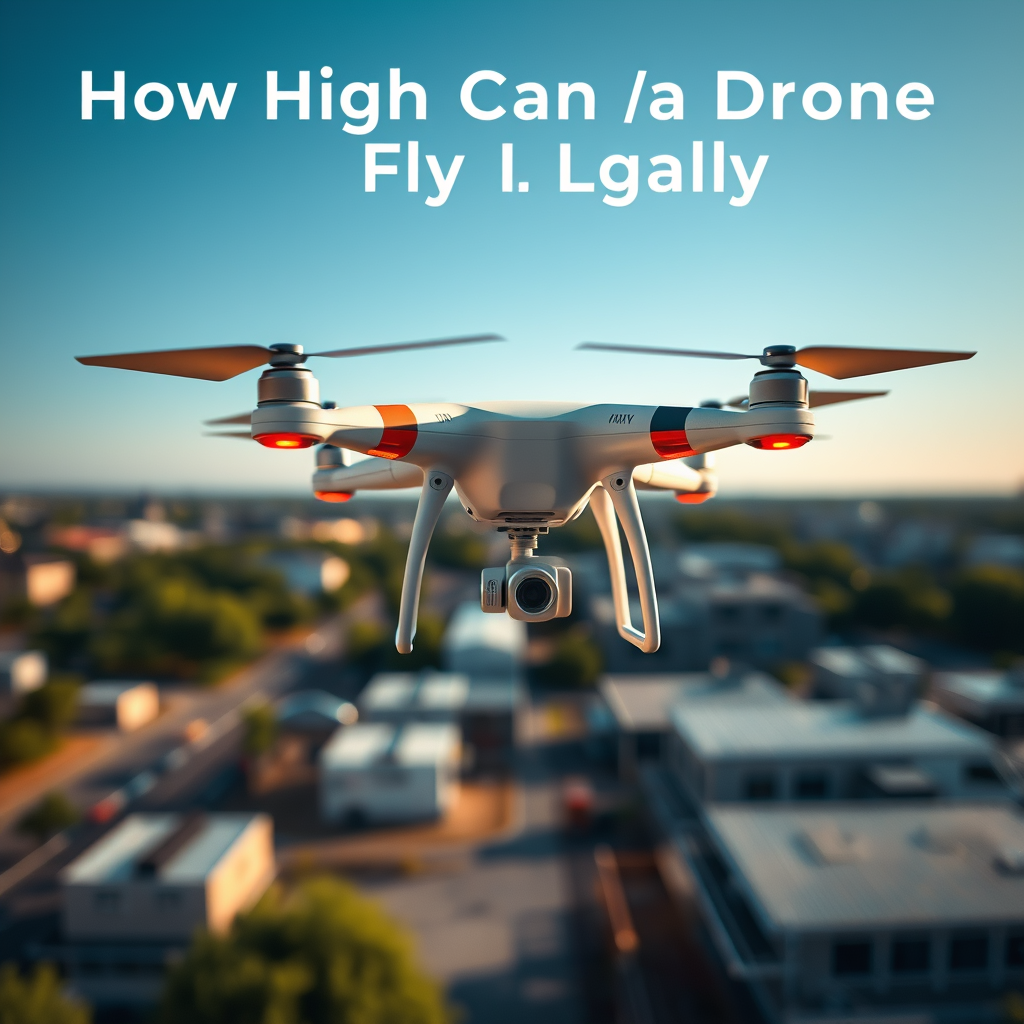
Drones can legally fly up to 400 feet above ground level in most cases, as per FAA regulations in the United States. This altitude limit is designed to ensure safety and minimize the risk of collisions with manned aircraft. However, drone operators must navigate a landscape of specific guidelines, exceptions, and local regulations that influence where and how high they can fly. This article explores the legal altitude limits for drones, the nuances of these regulations, and the best practices for responsible operation.
Understanding FAA Regulations
The Federal Aviation Administration (FAA) is the primary governing body overseeing aviation safety in the United States, including the operation of unmanned aerial vehicles (UAVs), commonly known as drones. According to the FAA, the general altitude limit for both recreational and commercial drones is set at 400 feet above ground level (AGL). This regulation is rooted in safety protocols designed to keep drones out of the way of manned aircraft, which typically operate at higher altitudes.
For drone operators, understanding these regulations is vital for lawful operation. The 400-foot limit applies to most flying conditions, ensuring that drones don’t interfere with air traffic. Operators are encouraged to consult the FAA’s official resources for comprehensive information regarding drone flight regulations, including necessary certifications and registration processes.
Exceptions to the 400 Feet Rule
While the 400-foot altitude limit is a standard guideline, there are notable exceptions that drone operators should be aware of. One significant exception allows drones to fly higher than 400 feet if they are within a 400-foot radius of a structure. This means that if a drone is flying in proximity to a building, it can ascend to a maximum of 400 feet above the structure’s height, effectively permitting flights above 400 feet AGL in specific circumstances.
Additionally, certain operations may require special permissions that allow for higher altitude flights. For instance, commercial film production or research projects might receive exemptions to operate drones at elevated altitudes. Obtaining these permissions typically involves a rigorous application process, where operators must demonstrate the necessity for higher altitudes and outline safety measures to mitigate risks.
Local and State Regulations
While the FAA sets federal regulations, drone operators must also be cognizant of local and state laws that may impose stricter altitude limits than those established by the FAA. Local ordinances can vary significantly by region, and some municipalities have enacted regulations that restrict drone flights to lower altitudes to protect privacy or avoid disturbances in populated areas.
For example, a city might limit drone flights to 200 feet AGL in residential districts to prevent potential disruptions or privacy invasions. Therefore, it is imperative for drone operators to thoroughly research and comply with local laws before taking flight. Engaging with local authorities or drone advocacy groups can provide valuable insights into specific regulations that may affect drone operations in a given area.
Airspace Classes and Restrictions
The United States is divided into several classes of airspace, each with its own set of restrictions and requirements for drone operation. The primary airspace classes relevant to drone operators include Class B, C, D, and E airspace.
– Class B Airspace: This is the most controlled airspace, typically surrounding major metropolitan areas. Drones are generally prohibited from flying in this airspace unless they obtain explicit permission from air traffic control.
– Class C Airspace: This airspace surrounds airports with a moderate level of air traffic. Drones may operate here but must maintain communication with air traffic control.
– Class D Airspace: Similar to Class C, this airspace surrounds smaller airports. Drones must also communicate with air traffic controllers when operating in this airspace.
– Class E Airspace: This is a less restrictive airspace that often allows for drone operations, but operators should still be aware of specific altitude restrictions and requirements.
Understanding the classifications of airspace is crucial for drone operators, as it dictates where and how high they can fly legally. Failing to comply with airspace restrictions can lead to serious safety issues and legal consequences.
Best Practices for Safe Drone Operation
To ensure a safe and legal flight experience, drone operators should adhere to several best practices. First and foremost, maintaining a visual line of sight with the drone is essential. This practice helps operators avoid obstacles and other aircraft, thereby enhancing safety.
Additionally, utilizing technology such as altitude alerts and geo-fencing can aid in compliance with altitude regulations. Many modern drones come equipped with built-in features that prevent them from exceeding altitude limits and entering restricted airspace. Operators should familiarize themselves with these features and ensure they are activated before flight.
Furthermore, staying updated on the latest regulations and technological advancements is crucial. Participating in educational workshops or webinars can enhance a drone operator’s knowledge and skills, promoting responsible flying practices.
Consequences of Violating Altitude Limits
Violating FAA altitude regulations can have serious repercussions for drone operators. The FAA has the authority to impose fines and penalties for non-compliance, which can vary based on the severity of the violation. For example, flying above the legal altitude limit without permission could result in fines ranging from hundreds to thousands of dollars.
Moreover, repeat offenders may face more severe legal consequences, including the loss of flying privileges or even criminal charges in extreme cases. It is essential for drone operators to take regulations seriously and ensure that their flying activities remain within legal boundaries to avoid these potential penalties.
Resources for Drone Operators
For drone operators seeking to navigate the complex landscape of regulations, several resources are available. The FAA’s website serves as a comprehensive hub for drone education, offering guidelines, tools, and updates on regulatory changes. Operators can find resources related to drone registration, certification requirements, and safety best practices.
Additionally, local drone clubs and organizations provide valuable support and networking opportunities for enthusiasts. Joining such groups can offer insights into local regulations, facilitate access to workshops, and create a community of like-minded individuals passionate about drone flying.
Staying informed and connected with resources dedicated to drone operations is vital for ensuring compliance and promoting safe flying practices.
Understanding the legal limits of drone flight is crucial for responsible operation and avoiding penalties. Always stay informed about regulations and keep your flying activities within legal boundaries. For more information, consult the FAA’s official website or local drone advocacy groups. By adhering to these guidelines and utilizing available resources, drone operators can enjoy a safe and fulfilling flying experience.
Frequently Asked Questions
What is the maximum legal altitude for flying a drone in the United States?
In the United States, the Federal Aviation Administration (FAA) permits drones to fly at a maximum altitude of 400 feet above ground level. This regulation is designed to minimize the risk of collisions with manned aircraft, which typically operate at higher altitudes. Additionally, if a drone is flown within a 400-foot radius of a structure, it may legally ascend up to 400 feet above the structure’s height.
How do local laws affect the maximum altitude for drone flights?
Local laws and regulations can impact the maximum altitude for drone flights, as some municipalities implement stricter rules than federal guidelines. Certain areas, such as near airports, military installations, or urban environments, may have additional restrictions. Therefore, it’s crucial for drone operators to research and adhere to local regulations to ensure compliance and avoid potential fines.
Why does the FAA limit drone flight altitude to 400 feet?
The FAA limits drone flight altitude to 400 feet primarily to ensure the safety of both unmanned and manned aircraft. This altitude helps prevent mid-air collisions and maintains a clear airspace for commercial flights, which typically fly at altitudes above 500 feet. By establishing this limit, the FAA aims to promote responsible drone usage while protecting air traffic integrity.
What should drone operators know about flying in controlled airspace?
When flying in controlled airspace, such as near airports, drone operators must obtain permission from the FAA to ensure they do not interfere with manned aircraft operations. Controlled airspace can have varying altitude restrictions, so it’s essential to check the specific airspace classification and any temporary flight restrictions (TFRs) in place. Utilizing tools like the FAA’s B4UFLY app can help operators navigate these regulations effectively.
Which types of drones can fly at higher altitudes than 400 feet?
Generally, consumer drones and recreational UAVs are restricted to the 400-foot altitude limit. However, certain commercial drones, particularly those used for specialized operations like surveying or inspection, may apply for waivers to operate at higher altitudes. These waivers are contingent on demonstrating the operational need and ensuring safety protocols are in place, making it essential for operators to understand the application process and requirements.
References
- https://en.wikipedia.org/wiki/Unmanned_aerial_vehicle#Regulations
- https://www.faa.gov/uas/getting_started/part_107
- https://www.faa.gov/uas/
- https://www.ncbi.nlm.nih.gov/pmc/articles/PMC6576647/
- https://www.nytimes.com/2020/04/23/us/drone-regulations.html
- https://www.theguardian.com/technology/2021/jun/01/drone-flying-laws-uk-guide
- https://www.suasnews.com/2021/01/the-legal-flying-altitude-for-drones-in-the-us/
- https://www.nasa.gov/feature/nasa-safety-research-on-drones-in-the-sky
- https://www.ijcaonline.org/archives/volume184/number7/31388-2021918907
