
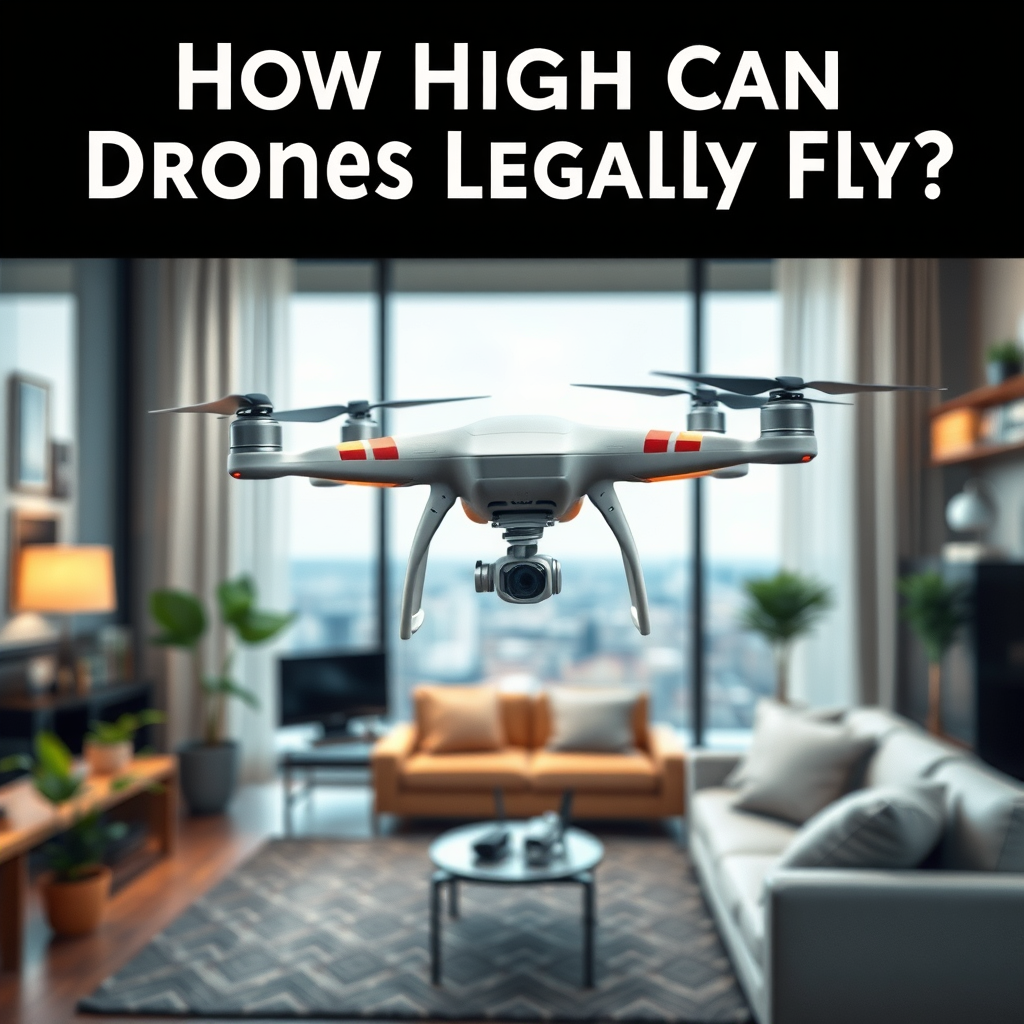
Drones can legally fly up to a maximum altitude of 400 feet above ground level in the United States, according to FAA regulations. Understanding the legal limitations is crucial for drone operators to ensure compliance and safety. This article explores the specific regulations, exceptions, and best practices related to drone altitude, providing a comprehensive overview for both recreational and commercial drone users.
Understanding FAA Regulations
The Federal Aviation Administration (FAA) establishes the framework for drone operations in the United States, setting a general altitude limit of 400 feet for both recreational and commercial drone use. This limit is designed to minimize risks associated with air traffic, ensuring that drones do not interfere with manned aircraft that typically operate at higher altitudes. Additionally, operators must maintain visual line of sight with their drone at all times, which means that they should be able to see the drone without the aid of binoculars or other devices. This requirement is crucial for avoiding collisions and maintaining situational awareness.
The FAA regulations also require drone operators to adhere to specific operational guidelines that vary based on the type of drone use—whether recreational or commercial. While recreational users have some flexibility, commercial operators must follow stricter guidelines, including obtaining a Remote Pilot Certificate and adhering to the rules set forth in Part 107 of the Federal Aviation Regulations. This ensures that all drone activities are conducted safely and responsibly.
Exceptions to the 400 Feet Rule
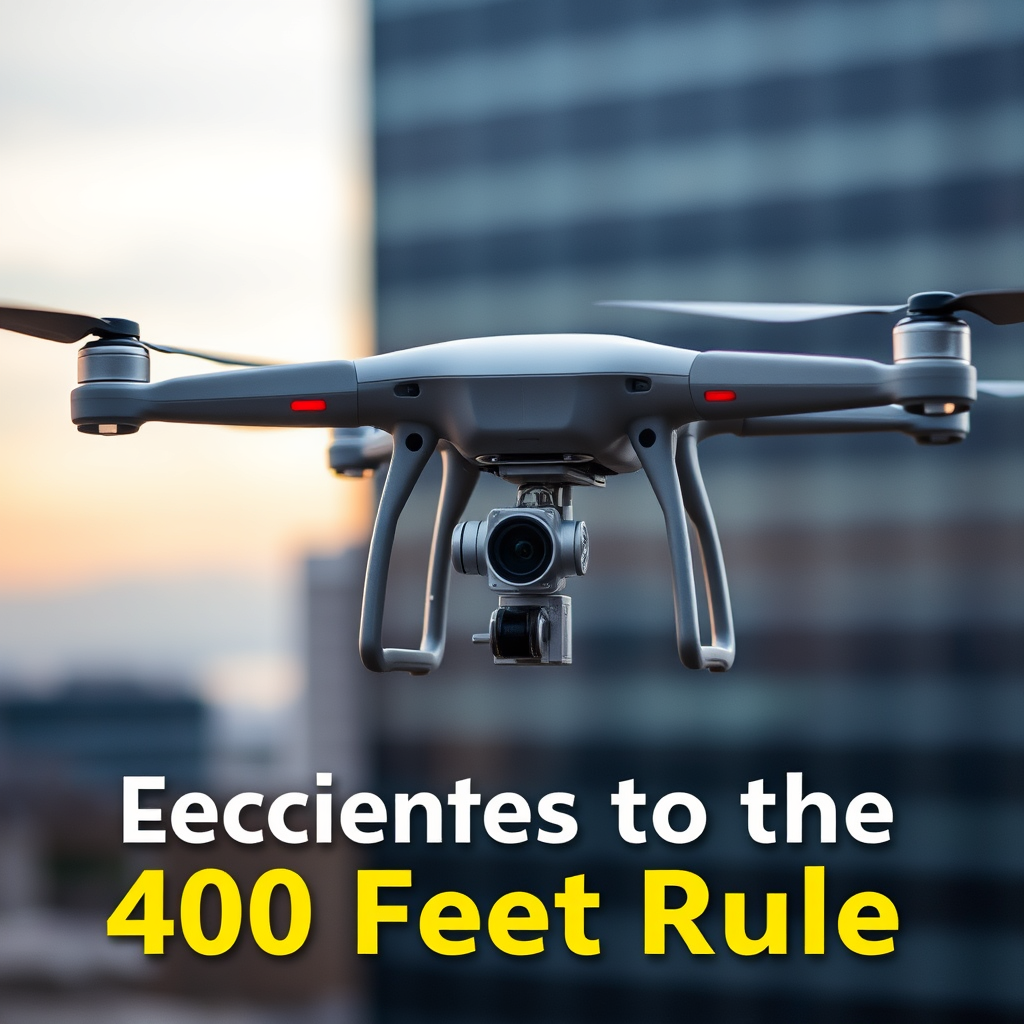
Although the ceiling for most drone flights is capped at 400 feet, there are notable exceptions to this rule. Certain areas, specifically controlled airspace near airports, may require special permissions or waivers for higher flights. For instance, if a drone operator wishes to fly above the 400-foot limit in Class B, C, D, or E airspace, they must obtain authorization from the FAA. This process typically involves submitting a request through the FAA’s LAANC (Low Altitude Authorization and Notification Capability) system, which allows for streamlined approval of airspace access.
Additionally, some drones equipped with advanced technology or used for specific purposes may receive waivers to fly at higher altitudes. For example, research organizations or commercial companies conducting aerial surveys may apply for exemptions that allow them to operate above the standard altitude limit. These waivers are evaluated on a case-by-case basis and require justification demonstrating the necessity for higher altitude operations, as well as a commitment to maintaining safety and compliance.
Local and State Regulations
Beyond FAA regulations, drone operators must also be aware of local and state laws that may impose additional restrictions on altitude and flight operations. Municipalities and states may enact their own drone laws that could limit where and how high drones can fly. For instance, some cities may have designated no-fly zones over schools, parks, or densely populated areas, in addition to specified altitude limits.
It is essential for drone operators to research and understand these local ordinances before taking to the skies. Failing to do so can result in fines or other legal repercussions. Operators can often find this information on local government websites or by contacting relevant authorities. By being informed about local regulations, drone users can ensure that they remain compliant while enjoying their hobby or business operations.
Safety Considerations
Flying at higher altitudes can increase the risk of encountering obstacles such as air traffic, buildings, trees, power lines, and other hazards. Therefore, before deciding on a flight altitude, operators should conduct a thorough assessment of their environment. This includes evaluating the proximity of other aircraft, identifying potential obstacles, and considering the overall safety of the flight path.
Additionally, operators should be aware of the weather conditions, which can significantly affect flight safety. Changes in wind speed and direction at higher altitudes can impact drone stability and control. Utilizing pre-flight checklists and flight planning tools can help mitigate risks associated with altitude and environmental factors, thus enhancing flight safety.
Technology and Altitude Capabilities
Modern drones come equipped with various features that align with FAA guidelines regarding altitude restrictions. Most consumer drones have built-in altitude limiters that automatically prevent flights above 400 feet. However, these limitations can vary by manufacturer and model, so it is crucial for operators to understand their drone’s specifications fully.
For instance, some high-end drones designed for professional aerial photography or surveying may allow adjustments to altitude settings, provided the operator is aware of and complies with legal requirements. Familiarizing oneself with the drone’s user manual and settings is vital for staying compliant with regulations while maximizing the drone’s capabilities.
Best Practices for Drone Flying
To ensure safe and legal drone operations, it is essential for operators to adopt best practices before and during their flights. First and foremost, always plan your flight route in advance and check for any temporary flight restrictions (TFRs) that may affect your operations. The FAA regularly issues TFRs for various reasons, including special events, natural disasters, or military operations, and failing to adhere to these can result in severe penalties.
Utilizing apps and resources that provide real-time information about airspace and altitude regulations can be invaluable. Tools like the FAA’s B4UFLY app and other drone mapping software can help operators navigate the complexities of airspace regulations while ensuring compliance and safety. Moreover, engaging with local drone communities or forums can provide insights and updates on local flying conditions and regulations.
In summary, while the legal limit for drone flight is generally set at 400 feet, various factors such as location, drone technology, and local regulations can affect this ceiling. Staying informed and adhering to guidelines ensures safe and legal drone operations. By understanding the regulatory landscape and adopting best practices, drone operators can enjoy their flying experience while contributing to a safe airspace for all.
Frequently Asked Questions
What is the maximum altitude a drone can legally fly in the United States?
In the United States, the Federal Aviation Administration (FAA) regulates drone operations and sets the maximum altitude for recreational and commercial drones at 400 feet above ground level. This limit is in place to prevent interference with manned aircraft, which typically fly at higher altitudes. However, if you are flying near a structure, you may operate your drone up to 400 feet above the height of that structure.
How do I ensure my drone flights comply with altitude regulations?
To ensure compliance with altitude regulations, always check the local laws and FAA guidelines before flying your drone. Using apps like B4UFLY can help you identify airspace restrictions and altitude limits in your area. Additionally, keeping your drone within the 400-foot limit and maintaining visual line of sight will help you adhere to regulations and avoid potential penalties.
Why is there an altitude limit for drones?
The altitude limit for drones is primarily for safety and regulatory reasons. It prevents drones from interfering with manned aircraft, which operate in the higher airspace. Additionally, maintaining a safe distance helps reduce the risk of accidents and ensures that the airspace remains organized, enabling both drone operators and pilots of traditional aircraft to operate safely.
Which types of drones are subject to altitude regulations?
All drones, regardless of their size or purpose, are subject to altitude regulations set by the FAA. This includes recreational drones, commercial drones, and even drones used for research and educational purposes. Each category must adhere to the same 400-foot altitude restriction unless special permissions are obtained for higher operations, typically through a Part 107 waiver.
What should I do if I want to fly my drone above 400 feet for a specific project?
If you need to fly your drone above the legal limit of 400 feet for a specific project, you must apply for a waiver from the FAA under the Part 107 regulations. This process involves submitting an application that outlines your intended flight operation, safety precautions, and how you will mitigate risks. It is crucial to have a well-prepared plan, as the FAA reviews each request thoroughly to ensure safety and compliance with aviation regulations.
References
- https://www.faa.gov/uas/getting_started/part_107
- https://www.faa.gov/uas/
- https://en.wikipedia.org/wiki/Unmanned_aerial_vehicle
- https://www.nytimes.com/2021/04/27/technology/drones-regulation.html
- https://www.bbc.com/news/technology-53356405
- https://www.nerdwallet.com/article/investing/drone-laws-usa
- https://www.dronesinspire.com/drone-regulations-in-the-us/
- https://www.theguardian.com/technology/2020/jun/30/drones-regulations-uk-privacy-rules
