
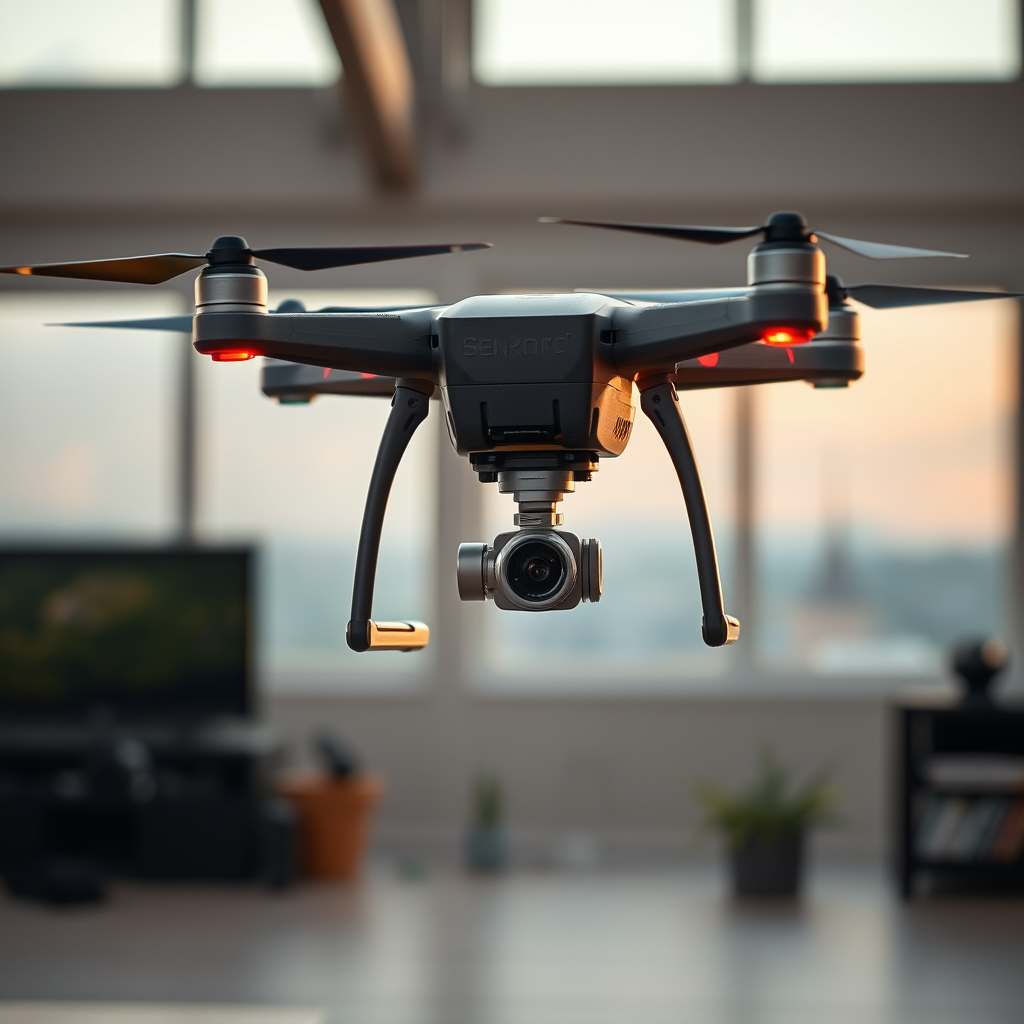
Military drones can typically fly for an average of 10 to 30 hours, depending on the model and mission requirements. This impressive flight duration enables them to conduct extensive surveillance and reconnaissance missions without the need for frequent landings. As technology progresses, the capabilities of military drones continue to evolve, allowing for longer flight times and more complex mission profiles. Below, we explore the various factors that influence a military drone’s flight time, shedding light on the intricate balance between technology, mission needs, and environmental conditions.
Types of Military Drones
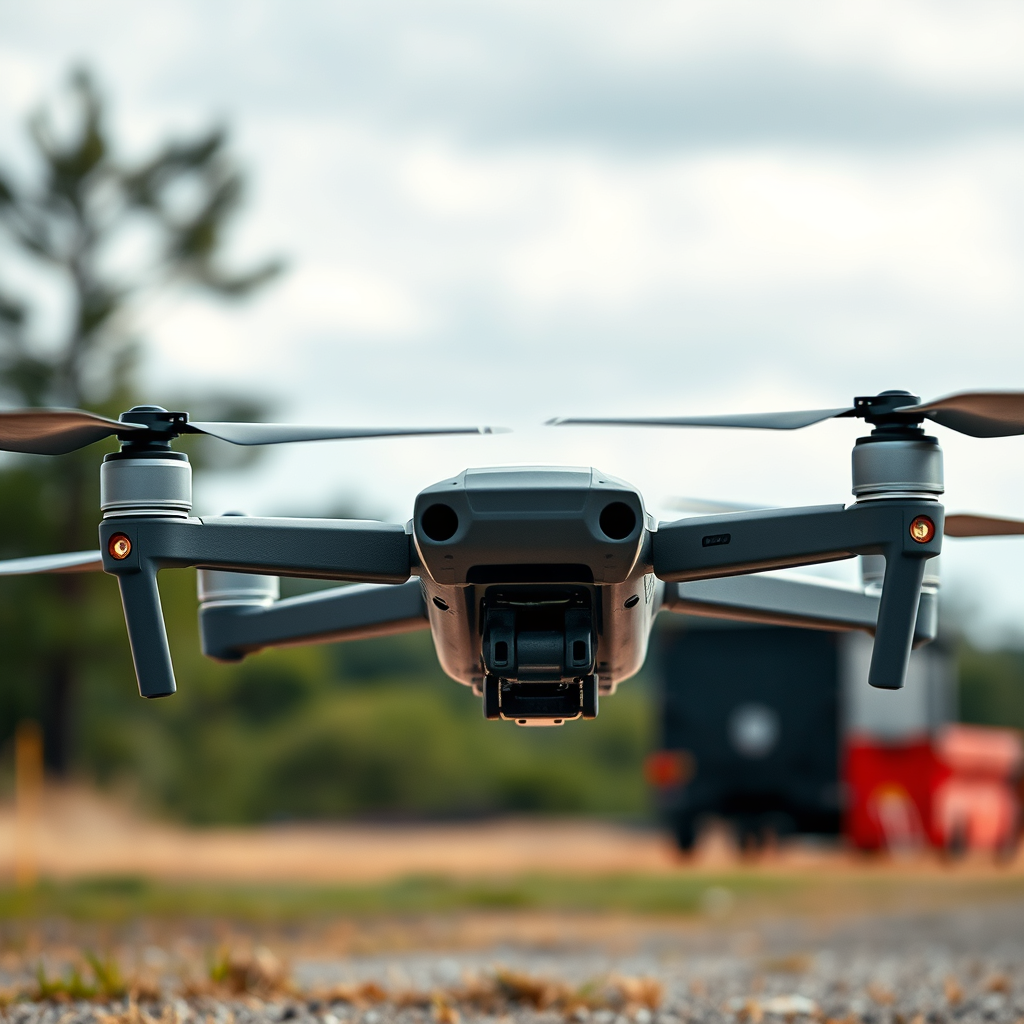
Military drones are classified into various categories based on their design and purpose, primarily UAVs (Unmanned Aerial Vehicles) and UCAVs (Unmanned Combat Aerial Vehicles). UAVs are primarily used for reconnaissance and surveillance, while UCAVs are designed for combat operations. Each category has unique capabilities that affect flight time and operational efficiency.
Popular models such as the MQ-1 Predator and MQ-9 Reaper exemplify the advancements in drone technology. The MQ-1 Predator, for instance, boasts a flight endurance of approximately 24 hours, making it suitable for prolonged surveillance missions. On the other hand, the MQ-9 Reaper, an advanced iteration, can fly for over 27 hours, carrying heavier payloads and performing complex combat missions. These drones are equipped with sophisticated sensors and weaponry, enabling them to conduct operations in diverse environments, further emphasizing the critical role of flight duration in military strategy.
Factors Affecting Flight Time

Several factors significantly influence the flight time of military drones, with payload weight and weather conditions being two of the most impactful.
Payload weight is a crucial consideration; the more equipment a drone carries, the more power it requires to maintain flight. Heavily armed drones, for example, may experience a reduction in flight duration as the added weight demands greater energy expenditure. Additionally, sophisticated surveillance equipment, such as high-resolution cameras or signal intelligence sensors, can also contribute to increased payloads, thereby reducing overall flight time.
Weather conditions play an equally important role. Wind speed, temperature, and atmospheric pressure can affect a drone’s aerodynamics and energy efficiency. For instance, strong winds can lead to increased fuel consumption as the drone must exert more effort to maintain stability and altitude. Likewise, extreme temperatures can impact battery performance, especially in lithium-ion or lithium-polymer batteries commonly used in military drones, potentially leading to decreased flight endurance.
Technology Enhancements
Advancements in battery technology are critical in extending the flight times of military drones. Lithium-polymer batteries, known for their high energy density and lightweight properties, have become a standard in drone technology. These batteries allow drones to remain airborne for longer periods, making them ideal for surveillance and reconnaissance missions where extended operational time is crucial.
Moreover, the emergence of solar-powered drones represents a significant leap in technology. These drones are equipped with solar panels that harness sunlight to generate energy, potentially offering unlimited endurance under optimal conditions. For example, the Solar Impulse project has demonstrated the feasibility of solar-powered flight, paving the way for military applications that could revolutionize long-duration missions without the need for frequent recharging or refueling.
Mission Types and Their Requirements
The type of mission a military drone undertakes significantly influences its required flight duration and operational capabilities. Surveillance missions, for instance, often necessitate longer flight durations to cover expansive areas and gather comprehensive intelligence. Drones tasked with monitoring enemy movements, conducting reconnaissance of battlefields, or providing real-time situational awareness must be capable of remaining airborne for extended periods without interruption.
Conversely, combat missions may prioritize speed and maneuverability over extended flight time. Drones designed for offensive operations need to be agile and responsive to rapidly changing combat situations. As a result, these missions may not require the same level of endurance as surveillance missions but may demand higher speed capabilities and advanced targeting systems to effectively engage enemy assets.
Comparisons with Civilian Drones
While military drones generally have longer flight times due to their advanced technology and mission specifications, civilian drones are increasingly closing the gap. The rapid advancement of battery technology and materials science is enabling civilian drones to achieve longer flight durations, often exceeding their predecessors.
However, the specific requirements and regulatory frameworks governing military applications differ significantly from those in civilian sectors. Military drones are engineered for durability, versatility, and the ability to operate in hostile environments, which often entails higher costs and advanced features that civilian drones may lack. For instance, drones used in agriculture or logistics may prioritize payload capacity and cost-effectiveness rather than endurance, reflecting the divergent priorities of military and civilian drone operations.
Future Trends in Drone Technology
The future of drone technology is poised for remarkable transformations, particularly in flight endurance. Innovations in hybrid propulsion systems, which combine traditional fuel engines with electric motors, may dramatically extend flight times. These systems can optimize fuel efficiency and reduce operational costs, enabling drones to remain airborne for longer periods while maintaining high performance.
Furthermore, advancements in artificial intelligence (AI) and autonomous flight technology are expected to enhance operational efficiency. AI can facilitate smarter flight path planning, enabling drones to navigate more effectively and reduce energy consumption. By optimizing routes and adjusting to real-time environmental conditions, drones equipped with AI can maximize their flight time, thus improving mission success rates.
As research continues, we can anticipate a future where drones possess unprecedented capabilities, including longer flight durations, greater payload capacities, and enhanced operational efficiency.
In conclusion, military drones are capable of impressive flight durations, typically ranging from 10 to 30 hours, influenced by several factors including technology, mission requirements, and environmental conditions. As advancements in battery technology, propulsion systems, and artificial intelligence continue to evolve, we can expect even greater capabilities and operational flexibility in military drone technology. The future promises a new era of drones that will redefine how military operations are conducted, offering strategic advantages in an ever-changing landscape. For further insights on drone technologies, stay tuned to our updates!
Frequently Asked Questions
What factors determine how long a military drone can fly?
The flight duration of a military drone is influenced by several factors, including its design, payload weight, battery capacity, and operational environment. Generally, drones with larger fuel tanks or advanced battery technology can achieve longer flight times. Additionally, factors like weather conditions, altitude, and the type of mission being conducted can also impact flight duration.
How long can different types of military drones fly?
Military drones vary significantly in their flight endurance. For instance, small tactical drones like the RQ-11 Raven can fly for about 1.5 hours, while medium-altitude long-endurance drones like the MQ-1 Predator can operate for up to 24 hours. Larger drones, such as the MQ-9 Reaper, can achieve flight times of over 30 hours, depending on mission parameters and payload.
Why are military drones designed for long flight durations?
Military drones are designed for extended flight durations to enhance their surveillance and reconnaissance capabilities. Longer flight times allow these drones to cover larger areas without the need for frequent landings, which is crucial for gathering intelligence and conducting real-time operations. Extended endurance also minimizes the risk of detection and allows for prolonged engagement in hostile environments.
What is the best military drone for long-range missions?
The MQ-9 Reaper is often considered the best military drone for long-range missions due to its impressive endurance of over 30 hours and its ability to carry a significant payload, including weapons and surveillance equipment. Its advanced technology and long-range capabilities make it ideal for both reconnaissance and strike missions, providing military forces with a versatile tool for various operations.
Which military drones have the longest flight times currently in service?
Currently, the military drones with the longest flight times include the Northrop Grumman Global Hawk, which can fly for over 30 hours, and the Boeing MQ-25 Stingray, designed for aerial refueling and capable of long missions. These drones are engineered for endurance and are equipped with advanced systems that allow them to perform complex tasks over extended periods, making them invaluable assets in modern warfare.
References
- https://en.wikipedia.org/wiki/Military_drone
- https://www.reuters.com/technology/us-military-drones-are-flying-longer-than-ever-2021-06-25/
- https://www.bbc.com/news/world-us-canada-61223395
- https://www.rand.org/pubs/research_briefs/RB10008.html
- https://www.nytimes.com/2021/06/25/us/military-drones.html
- https://www.sciencedirect.com/science/article/pii/S2213138821000164
- https://www.airforce.com/technology/drones
- https://www.c-span.org/video/?c4991776/military-drones
