
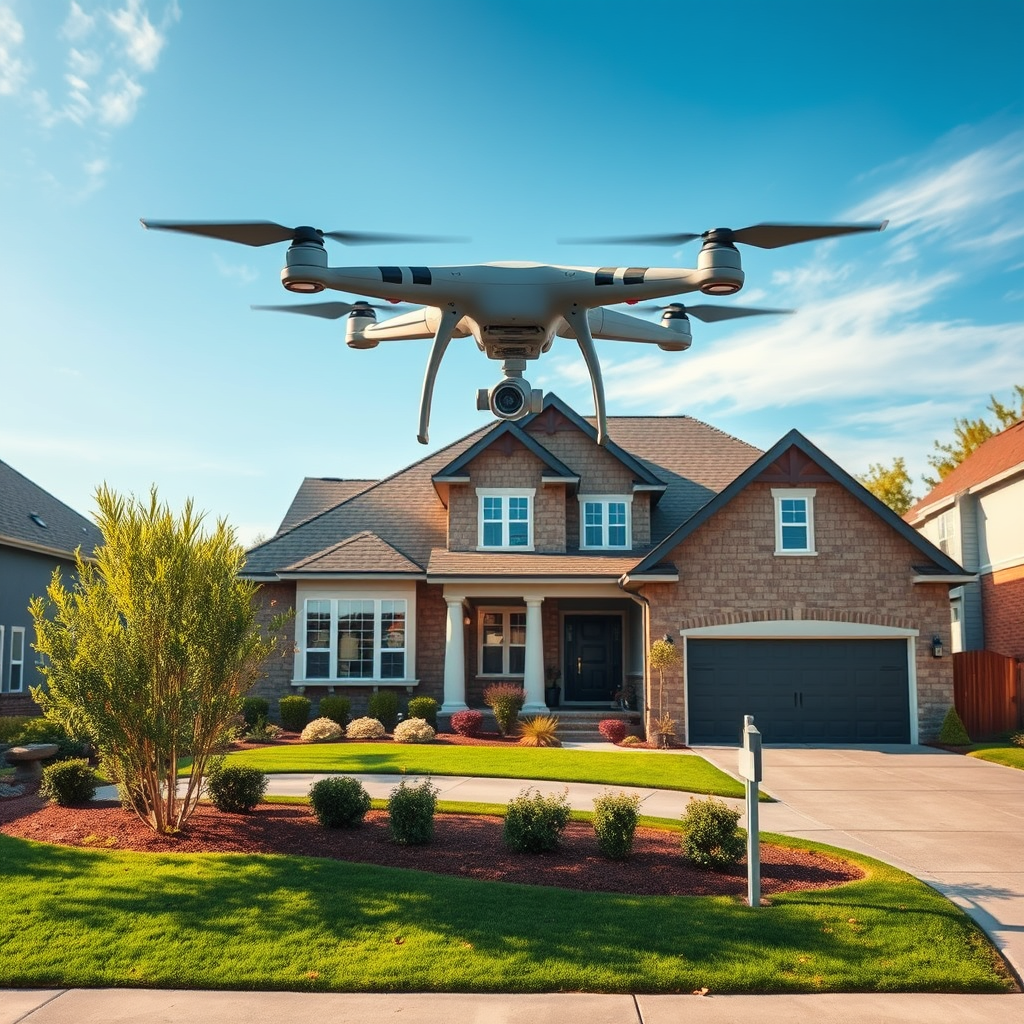
Flying a drone over private property is generally allowed, but it is subject to specific regulations that dictate the minimum altitude at which you can operate legally. The Federal Aviation Administration (FAA) advises that drones should be flown no lower than 400 feet above ground level. However, local laws and the rights of property owners can significantly influence this altitude, making it essential for drone pilots to be well-informed about both federal and local regulations to avoid potential legal issues and respect the privacy of others.
Federal Aviation Administration (FAA) Regulations
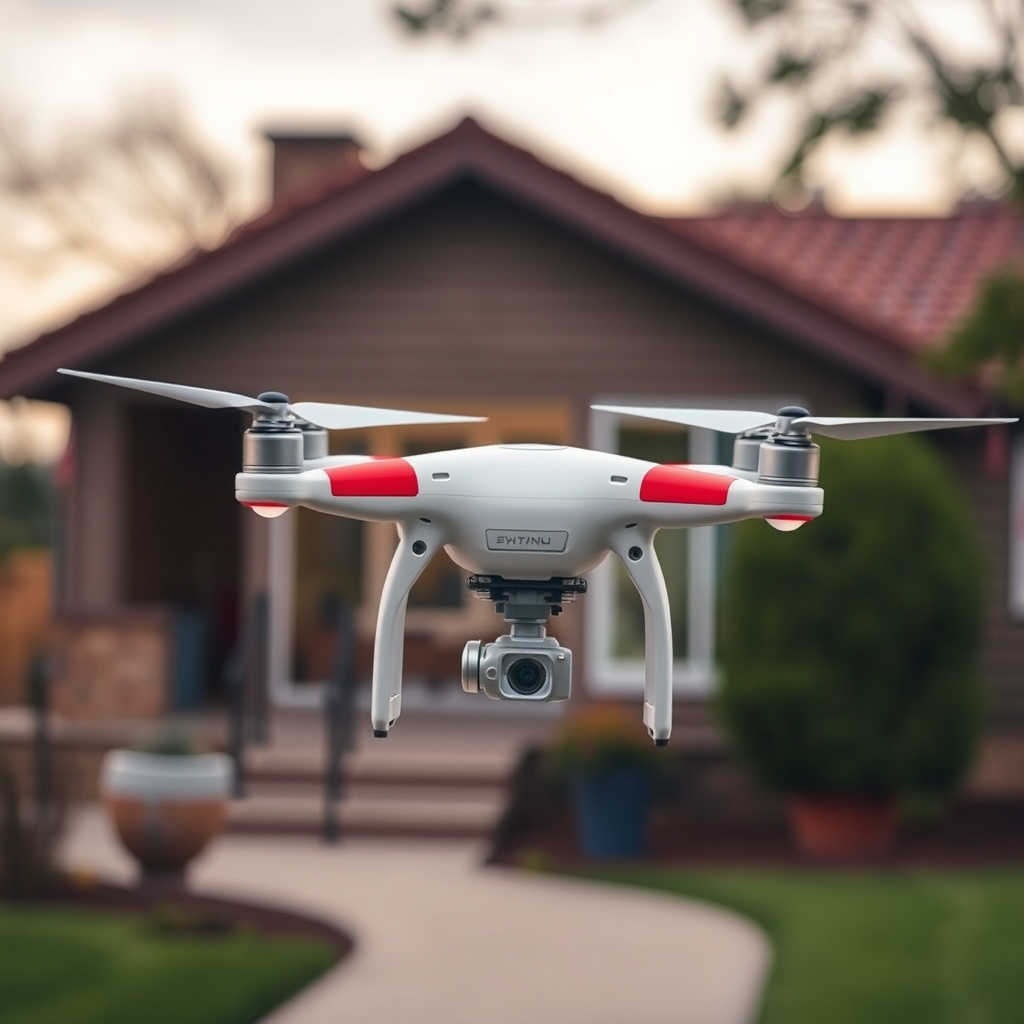
The FAA plays a critical role in regulating drone operations across the United States. According to FAA guidelines, the maximum altitude for flying drones is set at 400 feet above ground level, which is designed to maintain a safe distance from manned aircraft and to minimize risks in the airspace. Drones must also remain within the pilot’s line of sight, which means that flying too low could inadvertently lead to operational challenges, such as losing visual contact with the drone or failing to see potential obstructions.
Importantly, while the FAA provides a broad framework for drone operations, they also emphasize that drone pilots should exercise caution and responsibility. For example, if a drone pilot flies close to buildings or trees, they may inadvertently breach privacy or create safety hazards. Therefore, understanding the FAA regulations not only helps prevent legal repercussions but also promotes safer interactions between drone users and the general public.
State and Local Laws
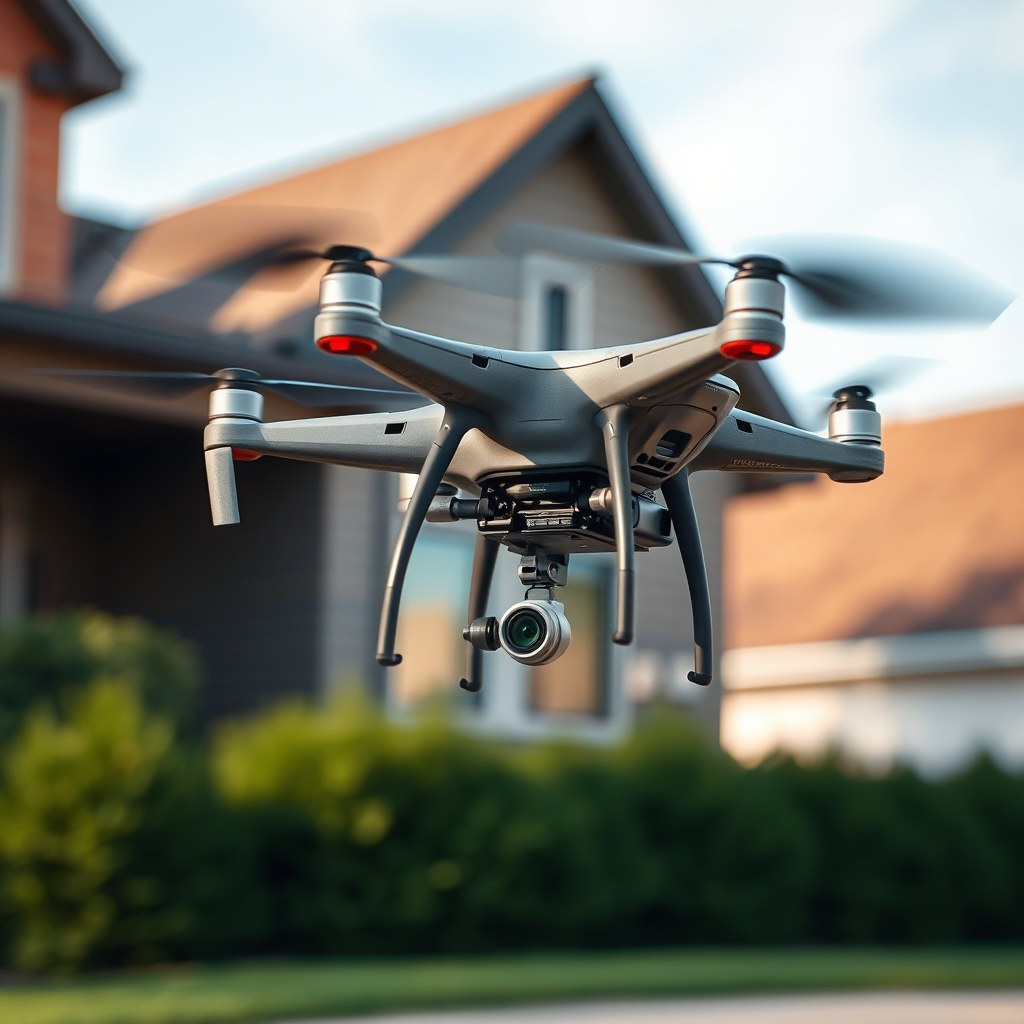
While the FAA establishes national standards, state and local laws can impose additional restrictions on drone operations, particularly when flying over private property. Each state may have its own regulations regarding drone usage, and these can vary significantly. For instance, some states may have enacted laws that prohibit flying drones over certain types of properties, such as schools, parks, or private residences, without explicit permission from the property owner.
Local ordinances can also create specific limitations that drone pilots must adhere to. In urban areas, for example, municipalities may designate no-fly zones to protect public safety and privacy. These local laws can be particularly stringent, reflecting community concerns about drone surveillance, noise pollution, and air traffic management. Therefore, it is crucial for drone pilots to conduct thorough research on the relevant laws in their state and locality before embarking on any flight.
Property Owner Rights
Property owners have certain rights regarding the airspace above their land. While federal regulations allow for drone flights up to 400 feet, property owners can assert their rights to control the airspace beneath that altitude. This is particularly relevant when considering privacy issues; flying a drone just a few feet above a property may be interpreted as an invasion of privacy, depending on the circumstances.
In practice, this means that even if you are within the legal altitude limit, you could still face backlash from property owners who feel their privacy is being infringed upon. For example, if a drone pilot flies at a low altitude, capturing images or video of a private residence without permission, the homeowner may pursue legal action based on privacy rights. Understanding these nuances is essential for drone pilots to navigate the complex interplay between federal regulations and property owner rights.
Drone Flight Best Practices
To promote responsible drone usage and minimize conflicts with property owners, drone pilots should always seek permission before flying over private property. This proactive approach can foster goodwill between drone users and property owners, reducing the likelihood of misunderstandings or legal disputes. Additionally, clear communication about your intentions can alleviate concerns related to privacy and security.
It is also important for drone pilots to utilize drone technology responsibly. This includes adhering to local regulations, flying at appropriate altitudes, and being mindful of the surroundings. For instance, avoiding densely populated areas or sensitive locations can help prevent potential issues with privacy and safety. By following best practices, drone pilots can enjoy a fulfilling flying experience while respecting the rights of others.
Consequences of Violating Drone Laws
The consequences of violating FAA regulations or local laws can be significant. Drone pilots found in breach of these laws may face hefty fines, suspension of their flying privileges, or even criminal charges, depending on the severity of the infraction. For instance, flying a drone in a designated no-fly zone could result in immediate penalties from local authorities, while more serious violations could lead to civil or criminal proceedings.
Moreover, property owners have the right to take civil action against drone pilots who invade their privacy. This could involve filing a lawsuit for damages or seeking an injunction to prevent future flights over their property. Such legal actions can be costly and time-consuming, further highlighting the importance of understanding and adhering to both federal and local regulations.
Tips for Responsible Drone Flying
To ensure responsible and legal drone flying, it is imperative to familiarize yourself with the drone laws in your area before launching your aircraft. This includes researching FAA regulations, state-specific laws, and local ordinances that may impact your flight.
Additionally, consider using apps or resources that provide up-to-date information on no-fly zones and local regulations. Many drone-related apps offer real-time alerts about airspace restrictions and provide maps indicating where flying is permitted or prohibited. Staying informed through these resources can help drone pilots navigate the complexities of drone operation and avoid potential conflicts.
Another valuable tip is to engage with local drone communities or clubs, where you can share experiences and gain insights about flying in your area. Networking with other drone enthusiasts can provide practical advice and foster a culture of responsible drone usage.
In conclusion, while the general rule is to fly drones at least 400 feet above ground level, it is essential to research and understand specific local laws and property rights. Drone pilots must prioritize respect for the privacy and legal rights of property owners while enjoying their flying experience. By adhering to regulations, seeking permission where necessary, and utilizing best practices, drone pilots can contribute to a safe and enjoyable environment for all.
Frequently Asked Questions
What is the legal altitude for flying a drone over private property?
The Federal Aviation Administration (FAA) regulates drone flights in the United States, allowing operators to fly at altitudes up to 400 feet above ground level. However, when flying over private property, it’s essential to respect the owner’s rights and privacy. While you can technically fly at 400 feet, maintaining a safe and respectful distance—ideally above 200 feet—can help avoid potential conflicts with property owners.
How close can you fly a drone to someone’s house without permission?
While there is no specific legal distance that defines how close you can fly to someone’s house without permission, it’s crucial to consider both FAA regulations and local laws. Generally, flying within 25 to 50 feet of a residence may be perceived as intrusive, warranting complaints from the homeowner. Always prioritize privacy and err on the side of caution by maintaining a respectful distance.
Why is it important to consider property lines when flying a drone?
Considering property lines when flying a drone is vital to avoid legal issues, such as trespassing claims and potential lawsuits. Drones can easily cross invisible boundaries, leading to disputes with property owners who may feel their privacy is being violated. Understanding property lines helps promote responsible drone use and fosters good relationships with neighbors.
What are the best practices for flying a drone over private property?
To ensure safe and respectful drone operation over private property, always obtain permission from the property owner before flying. Additionally, keep your drone at a reasonable altitude, maintain a safe distance from buildings, and avoid capturing images or videos that may infringe on privacy. Following these best practices can help you enjoy drone flying while minimizing potential conflicts.
Which local laws should I be aware of when flying a drone over private property?
Local laws regarding drone use can vary significantly by state, county, and city, so it’s essential to research and understand the regulations in your area. Some municipalities may have specific restrictions on drone flights, including height limits, no-fly zones, or requirements for permits. Always check local ordinances and any additional requirements to ensure compliant and responsible drone operation over private property.
References
- https://www.faa.gov/uas/getting_started/registration
- https://www.faa.gov/uas/advanced_operations/
- https://www.nolo.com/legal-encyclopedia/drone-laws-what-you-need-know-29714.html
- https://www.theguardian.com/technology/2021/dec/20/drone-laws-uk-private-property
- https://www.abc.net.au/news/2020-01-21/drone-laws-what-you-need-to-know/11884734
- https://www.nerdwallet.com/article/investing/drone-laws
- https://www.wired.com/story/drone-flying-rules/
- https://www.ncbi.nlm.nih.gov/pmc/articles/PMC7549204/
