
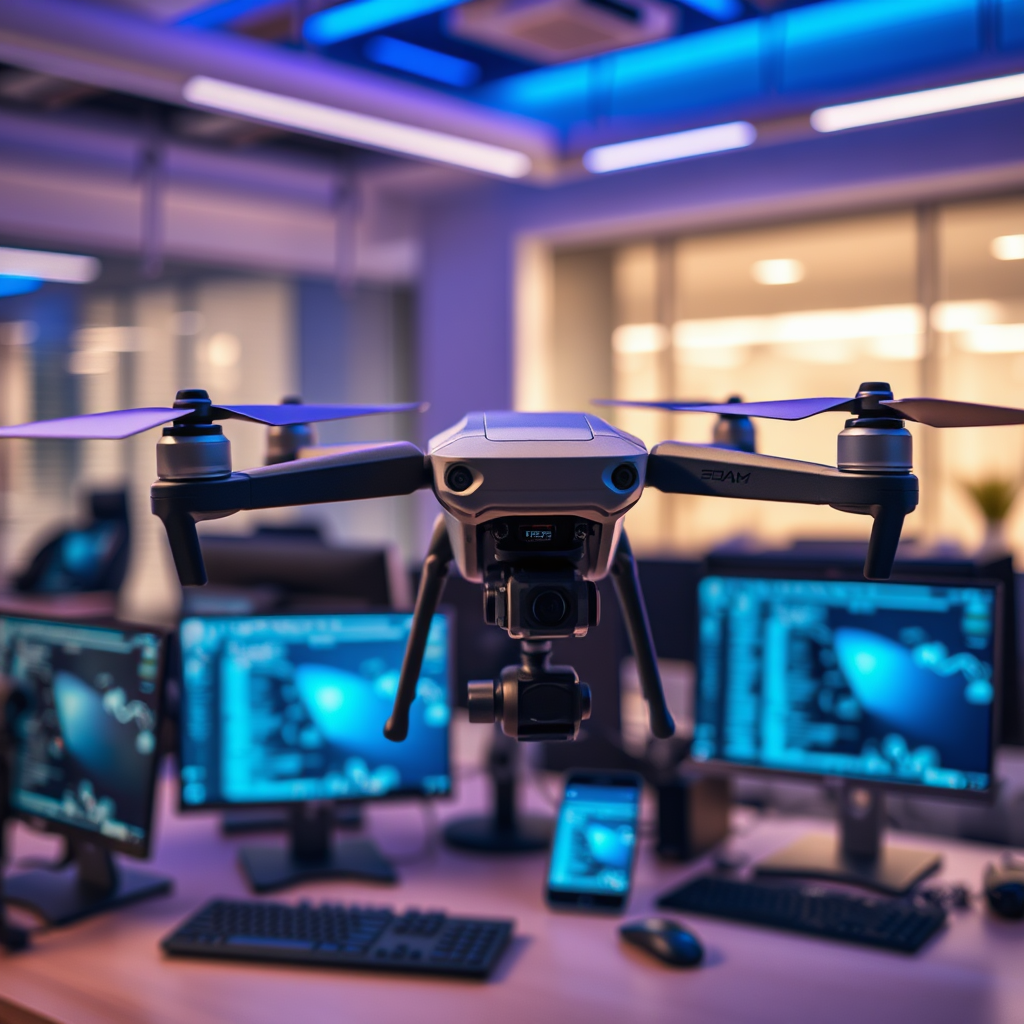
Yes, drones can be tracked using various technologies, including GPS, radio frequency identification (RFID), and advanced tracking software. These tracking methods provide valuable insights into drone operations and movements, ensuring accountability and safety for both operators and the public. As drone usage continues to expand across various sectors, understanding the tracking technologies available, along with their implications for privacy and security, is essential for responsible drone usage.
Tracking Methods for Drones
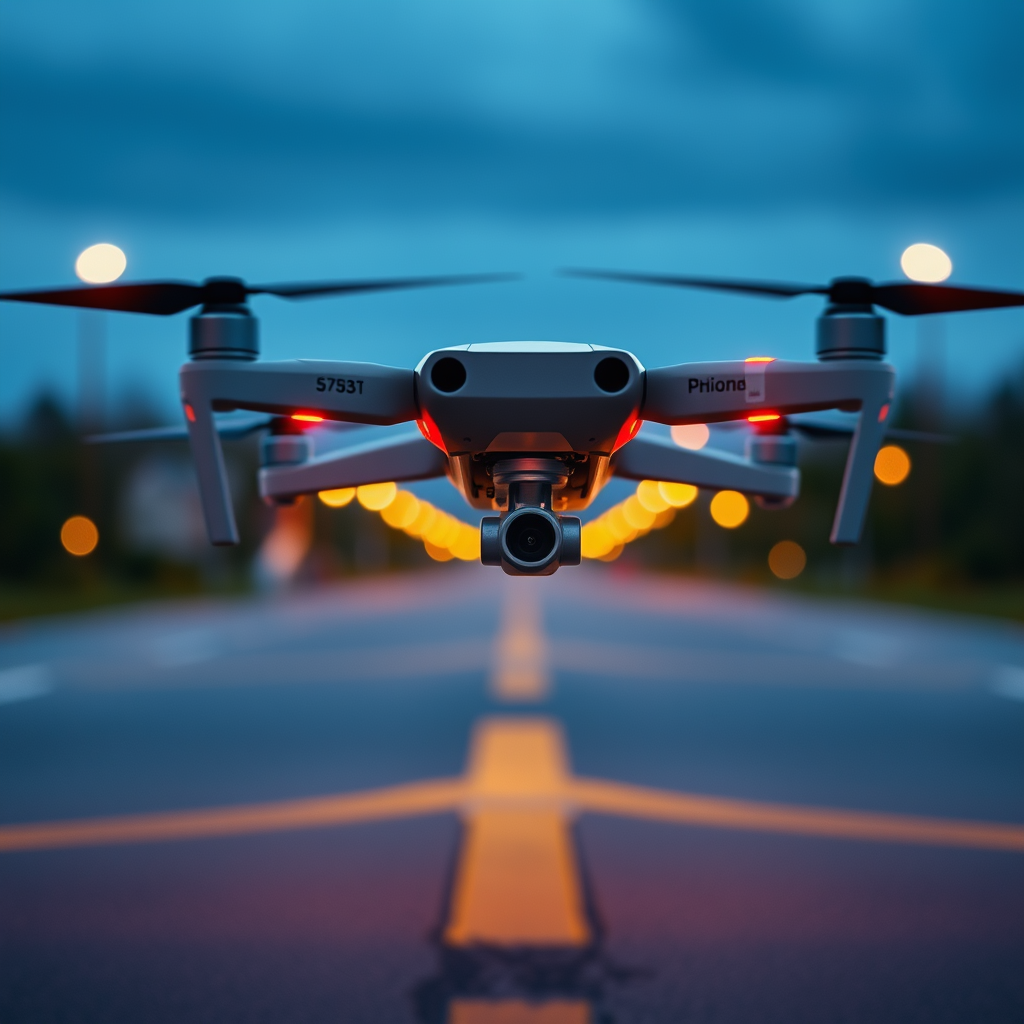
– GPS Tracking: Most commercial drones are equipped with Global Positioning System (GPS) technology, which allows for real-time tracking of their location. GPS tracking works by receiving signals from multiple satellites, enabling accurate positioning data. Drone operators can monitor their drones’ flight paths, ensuring they remain within designated airspace and avoid restricted zones. For instance, companies like DJI have integrated GPS tracking features into their drones, allowing users to access flight data and even return-to-home functionalities. This capability not only enhances safety but also aids in compliance with aviation regulations.
– Radio Frequency Identification (RFID): Another method of tracking drones is through the use of Radio Frequency Identification (RFID) technology. This involves equipping drones with RFID tags that can be read by RFID scanners, which are typically used over shorter distances compared to GPS. RFID tracking is particularly useful in warehouse environments or during events where monitoring multiple drones is required. It allows operators to quickly identify and locate drones within a confined area. While RFID is not as commonly used for long-range tracking, its application in specific contexts demonstrates the versatility of drone tracking technologies.
The Role of Software in Drone Tracking
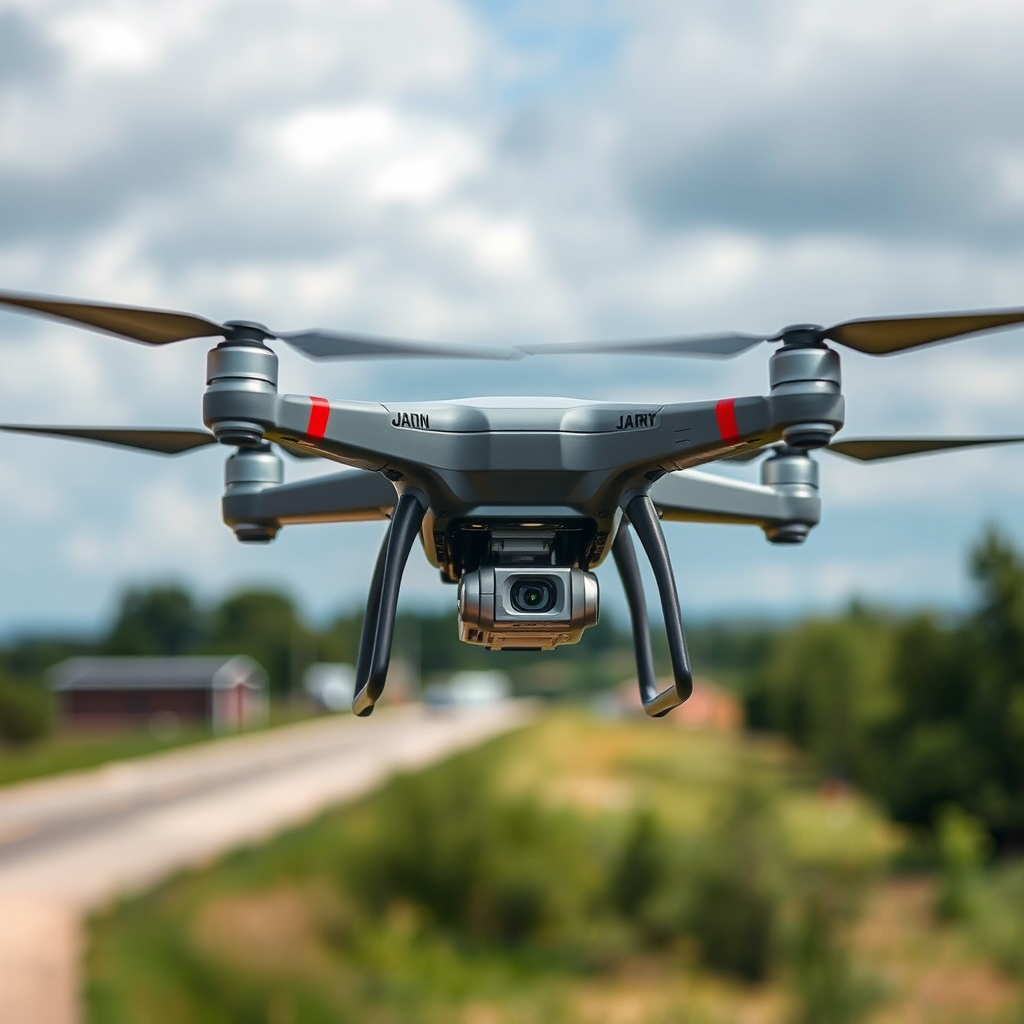
– Tracking Applications: The rise of smartphone applications and software solutions has significantly enhanced drone tracking capabilities. Applications such as Airdata UAV and DroneLogbook provide comprehensive tracking services for drone operators, allowing them to monitor flights, analyze performance data, and maintain maintenance logs. These tools often integrate GPS data, enabling users to visualize flight paths on maps and receive alerts for any anomalies during operations. By leveraging tracking applications, operators can ensure compliance with safety protocols and improve their operational efficiency.
– Integration with Flight Logs: Many tracking systems also offer integration with flight logs, providing a robust database of historical flight data. This feature allows operators to keep detailed records of their drone activities, which can be invaluable for regulatory compliance, insurance claims, and performance analysis. For example, a construction company using drones for site surveys can track flight paths, calculate aerial measurements, and even document changes over time, enhancing project management and accountability.
Legal Implications of Drone Tracking
– Privacy Concerns: The ability to track drones raises significant privacy concerns, particularly when they are used for surveillance purposes. Drones equipped with cameras can capture images and videos, potentially infringing on the privacy of individuals who are unaware they are being monitored. This has led to public outcry and calls for stricter regulations surrounding drone usage. Operators must be mindful of privacy laws and ethical considerations, ensuring that their activities do not violate individuals’ rights. Public awareness campaigns and educational initiatives can help inform both drone operators and the general public about the responsible use of drone technology.
– Regulatory Compliance: Different countries have established regulations governing drone tracking, including mandatory identification requirements. For instance, in the United States, the Federal Aviation Administration (FAA) has implemented rules that require certain drones to be registered and equipped with Remote ID capabilities. This system allows law enforcement and other authorities to identify drones in flight, enhancing airspace safety and accountability. Operators should stay updated on local regulations to ensure compliance and avoid penalties, as regulatory landscapes can vary significantly from one jurisdiction to another.
Tracking Drones in Law Enforcement
– Use in Criminal Investigations: Law enforcement agencies are increasingly utilizing drone tracking technology to assist in criminal investigations and surveillance operations. Drones can provide aerial perspectives that are invaluable for monitoring large areas, such as during crowd control at public events or in searches for missing persons. The ability to track drones means that law enforcement can effectively coordinate their operations and gather evidence without putting officers in harm’s way. For example, during natural disasters, drones can be deployed to assess damage and locate survivors, showcasing their critical role in emergency response.
– Challenges Faced: Despite the benefits of tracking drones in law enforcement, there are challenges that agencies must navigate. Urban environments can complicate tracking efforts due to signal interference from buildings and other structures. Additionally, privacy laws often limit the use of drone surveillance in populated areas, leading to potential legal challenges. As technology evolves, law enforcement agencies will need to adopt innovative solutions to effectively track drones while respecting the rights of citizens.
Future of Drone Tracking Technology
– Emerging Technologies: The future of drone tracking technology is poised for significant advancements, particularly with the integration of artificial intelligence (AI) and machine learning. These technologies could enhance tracking algorithms, enabling more accurate predictions of drone behavior and improving real-time monitoring capabilities. For instance, AI could help identify patterns in drone flight paths, allowing for proactive measures to prevent unauthorized flights in sensitive areas.
– Potential Applications: The potential applications for advanced drone tracking are vast and varied. Industries such as delivery services could benefit from enhanced tracking to ensure timely and efficient deliveries, while agricultural monitoring could utilize drones equipped with tracking systems to gather data on crop health and land usage. Furthermore, search and rescue operations could leverage sophisticated tracking technologies to improve response times and outcomes in emergency situations.
Best Practices for Drone Operators
– Understanding Tracking Regulations: It is crucial for drone operators to familiarize themselves with local laws regarding drone tracking and privacy. This knowledge ensures that they operate within legal boundaries and respect the rights of individuals. Joining professional organizations or participating in training programs can provide valuable insights into regulatory compliance and best practices.
– Using Tracking Tools: Implementing tracking tools can significantly improve safety and accountability for drone operations. Operators should consider using GPS and RFID tracking solutions, along with software applications that log flight data. By adopting these technologies, drone operators can enhance operational efficiency, reduce risks, and ensure compliance with regulatory requirements, ultimately contributing to a safer drone ecosystem.
In conclusion, drones can indeed be tracked using a variety of technologies and methods, each offering unique benefits and challenges. As tracking technologies become more sophisticated, it is essential for drone operators and users to remain aware of the legal and ethical implications involved. Staying informed about the latest regulations and advancements in drone tracking technology will empower responsible usage and foster trust in this rapidly evolving field.
Frequently Asked Questions
Can drones be tracked in real-time?
Yes, drones can be tracked in real-time using various technologies. Many modern drones are equipped with GPS systems that allow operators to monitor their location via dedicated apps or software. Additionally, some drones utilize telemetry data, which can provide real-time insights into flight status, altitude, and speed, enhancing safety and operational efficiency.
How can I track my lost drone?
To track a lost drone, you can use built-in GPS features if your drone has them. Many consumer drones come with a “Find My Drone” feature that helps locate it on a map. If your drone doesn’t have GPS, consider attaching a third-party GPS tracker or a Bluetooth device before flying, which can aid in recovery if it goes missing.
Why is it important to track drones?
Tracking drones is essential for several reasons, including safety, compliance, and security. Real-time tracking can help prevent collisions with other aircraft, ensure compliance with local regulations, and protect against theft. Furthermore, tracking data can provide valuable insights for businesses using drones for delivery or surveillance, enhancing operational efficiency.
What are the best methods to track a drone?
The best methods to track a drone include using GPS-based tracking systems, telemetry, and mobile apps designed for drone management. Many high-end drones come equipped with built-in GPS tracking, while third-party devices can be attached for added security. Utilizing apps that provide real-time tracking and alerts can also enhance your ability to monitor drone activity.
Which drones have the best tracking features?
Drones that are known for their superior tracking features include models from DJI, such as the Mavic series and Phantom series, which offer advanced GPS and telemetry capabilities. Other brands like Autel Robotics and Parrot also provide effective tracking options. When choosing a drone for tracking, look for features like “Return to Home,” geofencing, and live GPS tracking to ensure optimal performance and safety.
References
- https://en.wikipedia.org/wiki/Drone_tracking
- https://www.faa.gov/uas/resources/policy_library
- https://www.nist.gov/news-events/news/2021/09/monitoring-drone-activity-using-gps-and-other-tracking-methods
- https://www.reuters.com/technology/us-defence-department-unveils-new-drone-tracking-system-2021-07-27/
- https://www.sciencedirect.com/science/article/pii/S2214579621000217
- https://www.theguardian.com/technology/2021/jun/30/us-drone-regulations-tracking-privacy
- https://www.bbc.com/news/technology-58617329
- https://www.nap.edu/catalog/24896/tracking-unmanned-aircraft-systems-in-the-national-airspace-system
- https://www.itu.int/en/ITU-T/focusgroups/ai4i/Documents/AI4I_Drones_Tracking.pdf
