
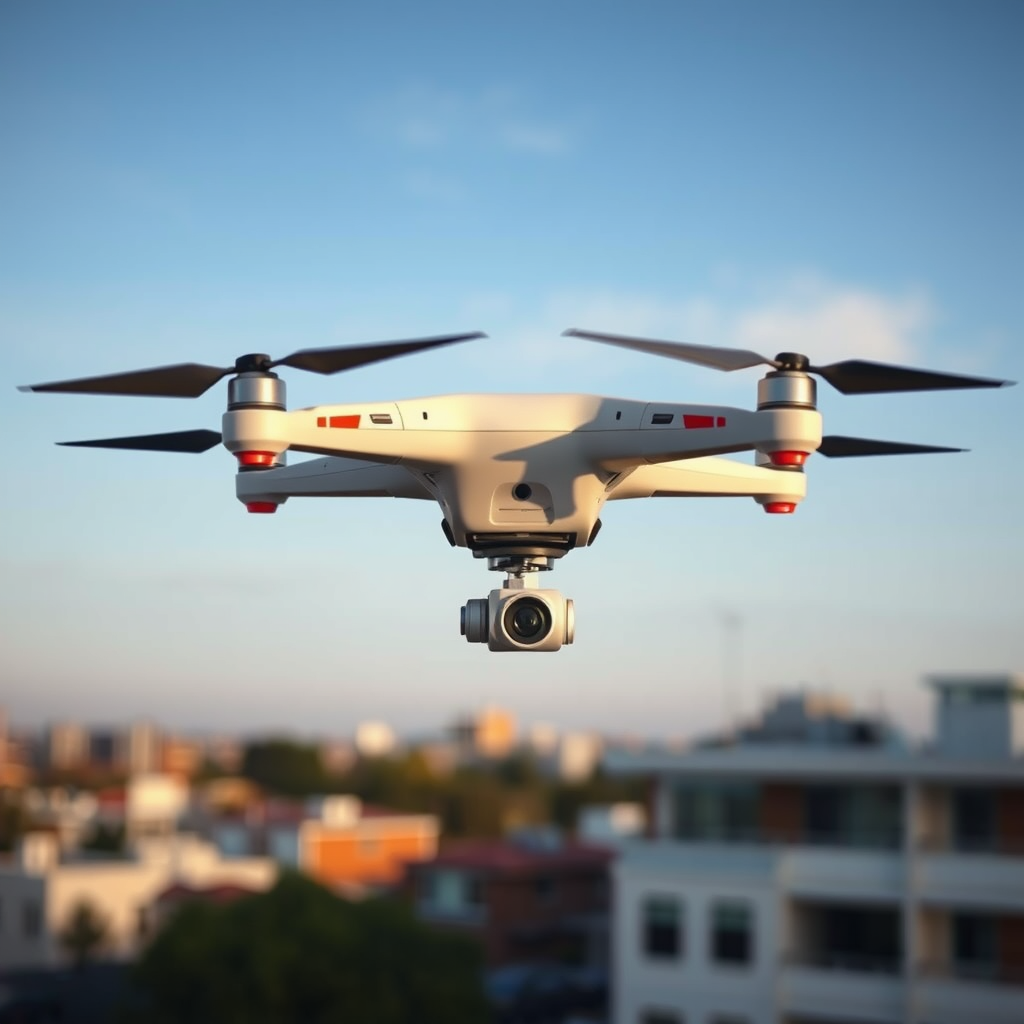
Yes, you can’t legally shoot down a drone spying on you. The laws governing drones and airspace are intricate and designed to protect both individual privacy and public safety. Engaging in such an act could result in severe legal repercussions, including criminal charges and civil liabilities. Therefore, it is crucial to understand the legal framework surrounding drones, your rights regarding privacy, and alternative actions you can take to address the situation effectively.
Understanding Drone Laws
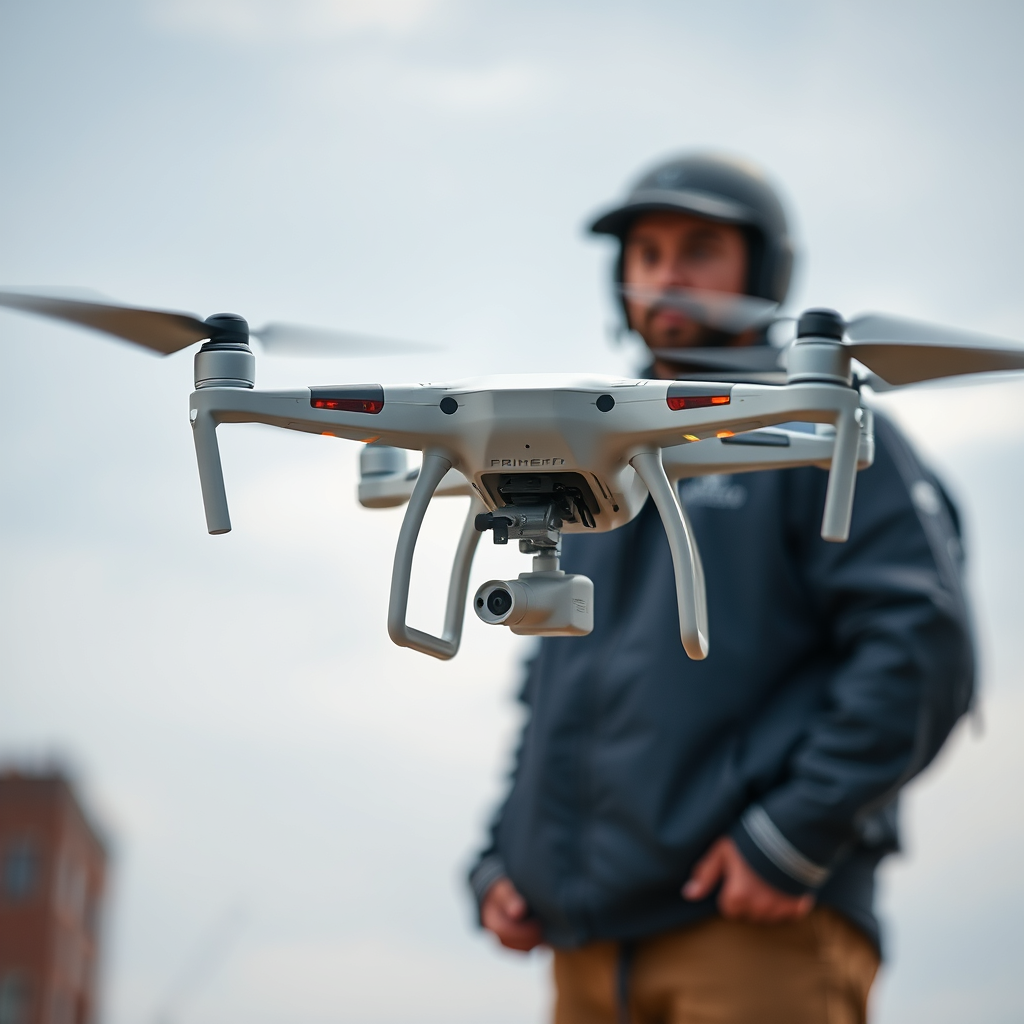
Drones are classified as aircraft under federal law, which means they are subject to the same regulations that govern manned aircraft. The Federal Aviation Administration (FAA) oversees these regulations, emphasizing that any interference with an aircraft, including a drone, is illegal. Shooting down a drone could result in criminal charges such as destruction of property or even aircraft sabotage, both of which carry significant penalties. Furthermore, the drone operator may pursue civil lawsuits for damages incurred, adding to the complications of the situation.
Federal law is not the only consideration; state and local laws may also impose their own restrictions regarding the use of drones. Many states have enacted legislation that addresses drone surveillance, providing additional layers of legal complexity. For instance, in some jurisdictions, it is illegal to operate a drone for surveillance purposes without consent from the individuals being recorded. Therefore, understanding the drone laws that apply in your area is essential to navigate this issue correctly.
Your Rights to Privacy
When it comes to privacy, laws can vary significantly from one location to another. Many states have laws that protect individuals from being recorded without their consent, particularly in situations where they have a reasonable expectation of privacy. This includes areas such as backyards, private property, and even certain public spaces. Familiarizing yourself with these local privacy laws is crucial, as they can empower you to take action against invasive drone surveillance.
If you suspect that a drone is spying on you, it is advisable to document the incidents thoroughly. Capture photographs and videos of the drone in operation, noting the time, date, and location. This documentation can serve as critical evidence should you decide to pursue legal action or report the incident to authorities. Collecting this information not only helps build your case but also aids law enforcement in understanding the nature of the intrusion.
Alternatives to Shooting Down a Drone
While the instinct to shoot down a drone may arise from frustration, there are far more prudent alternatives. One of the most effective actions you can take is to contact local law enforcement or relevant authorities to report the drone. Provide them with the evidence you have gathered, as this will assist them in addressing the situation. Law enforcement agencies are trained to handle such matters and can take appropriate action according to the law.
Additionally, consider implementing physical barriers or privacy screens to protect your space. This could involve erecting fences, using privacy landscaping, or installing outdoor curtains that obstruct the view from above. While these measures won’t remove the drone, they can help minimize the potential for invasion of privacy, allowing you to reclaim a sense of security in your own environment.
Reporting Drone Activity
Reporting drone activity should be a structured process. Begin by gathering comprehensive evidence, including photographs or videos of the drone, along with detailed notes on its behavior and any patterns you observe. This information is invaluable for authorities who may need to investigate the matter further.
Once you have collected your evidence, you should familiarize yourself with the proper channels for reporting drone misuse in your area. This may involve contacting your local police department, filing a report with the FAA, or reaching out to state agencies that oversee drone regulations. Each jurisdiction may have its own procedures for addressing drone-related complaints, so it’s essential to research and follow the correct steps.
Engaging with the Drone Operator
If it is safe to do so, consider attempting to communicate with the drone operator directly. Many drone operators are hobbyists who may not be fully aware of the privacy implications of their actions. A simple conversation may lead to a resolution, where the operator agrees to avoid flying over your property or ceases surveillance altogether.
Approach the situation calmly and respectfully to ensure that the interaction remains productive. If the operator is receptive, it can lead to a better understanding of each party’s rights and responsibilities. However, if you feel threatened or uncomfortable, it is best to avoid direct engagement and let the authorities handle the situation.
Legal Consequences of Shooting Down a Drone
The potential legal ramifications of shooting down a drone are severe and should not be taken lightly. Penalties may include hefty fines, criminal charges, and even imprisonment, depending on the circumstances of the act. For instance, individuals who shoot down a drone could face charges related to destruction of property or interference with an aircraft, both of which can carry significant legal consequences.
Moreover, violating airspace regulations can lead to sanctions from the FAA, which could include the revocation of your pilot’s license if applicable, or further fines and penalties. The legal framework surrounding drone operations is designed to maintain safety and order in airspace, and any actions that disrupt this balance can lead to serious repercussions.
In conclusion, while the frustration of being spied on by a drone is understandable, shooting it down is not a viable solution. Instead, it is essential to explore legal avenues and protective measures to address your concerns. Stay informed about your rights, utilize appropriate reporting channels, and consider proactive steps to mitigate the situation. Navigating drone surveillance requires a careful understanding of the law and a commitment to addressing privacy violations through appropriate and lawful means.
Frequently Asked Questions
Can I legally shoot down a drone that is spying on me?
No, legally shooting down a drone that is spying on you is not allowed in most jurisdictions. In the United States, for instance, shooting down a drone is considered destruction of property and can lead to criminal charges, including felony offenses. Instead of resorting to violence, it’s advisable to report the drone to local authorities or the Federal Aviation Administration (FAA) to address your privacy concerns legally.
What should I do if I suspect a drone is spying on me?
If you suspect a drone is spying on you, the first step is to observe the drone’s behavior and take note of its location, time, and any identifiable features. You can then report your concerns to local law enforcement or the FAA, as they can investigate and take appropriate action if necessary. Additionally, consider enhancing your privacy measures, like installing privacy fences or using window treatments.
How can I identify a drone that might be spying on me?
To identify a potential spying drone, look for its size, shape, and any visible markings or lights. Drones often have a distinctive buzzing sound and may hover or fly in a pattern that seems unusual. Using apps or websites that track local drone activity can also help you determine if a drone is registered and who owns it, providing further context to your concerns.
Why is drone surveillance a concern for personal privacy?
Drone surveillance raises significant privacy concerns because they can capture high-resolution images and video footage from various angles without physical barriers. This technology can infringe on individuals’ right to privacy, as drones can easily access areas that might otherwise be private, such as backyards or windows. Understanding the legal implications and the potential for misuse of drone technology is essential for protecting personal privacy.
What are the best ways to protect my privacy from drone surveillance?
To protect your privacy from drone surveillance, consider implementing physical barriers such as privacy fences and landscaping to obstruct aerial views. You might also use reflective window films or privacy screens to minimize visibility into your property. Additionally, you can stay informed about local drone laws and advocate for stricter regulations regarding drone use in residential areas to enhance community privacy protections.
References
- https://www.faa.gov/uas/
- https://www.aclu.org/news/privacy-technology/2021/04/the-legal-issues-surrounding-drones-and-privacy/
- https://www.bbc.com/news/technology-41034671
- https://www.nytimes.com/2021/06/29/us/drone-privacy.html
- https://www.wired.com/story/how-to-know-if-a-drone-is-spying-on-you/
- https://www.nas.gov/terms/Drone_Law.html
- https://www.eff.org/deeplinks/2016/06/what-you-need-know-about-drones-and-privacy
- https://www.nolo.com/legal-encyclopedia/drone-laws-your-rights-when-drone-spies-29970.html
