
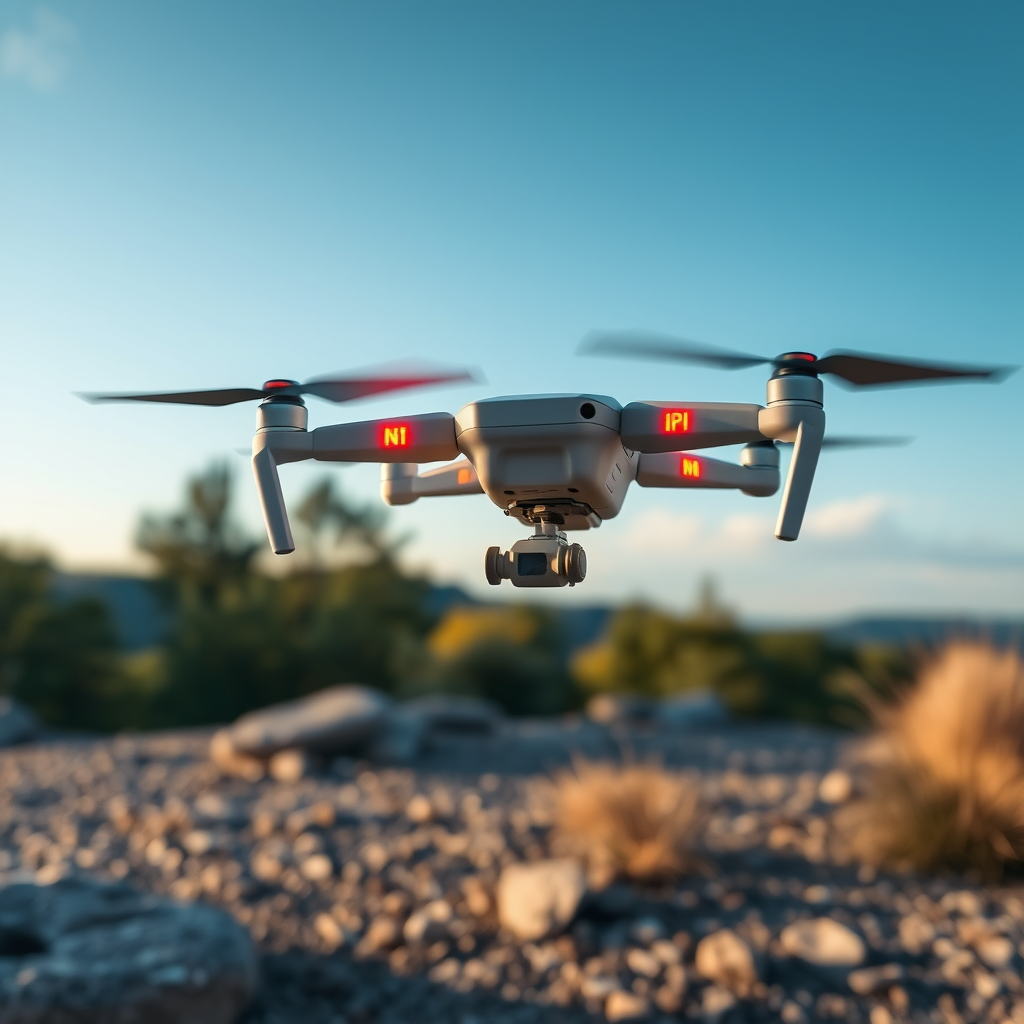
Yes, you can fly a drone in some state parks, but there are strict regulations that vary by location. Each state park has its own set of rules regarding drone operations, which are often influenced by environmental considerations, wildlife protection, and visitor safety. Understanding these specific guidelines is crucial for responsible drone use, ensuring that you comply with both park policies and federal regulations.
Understanding State Park Regulations
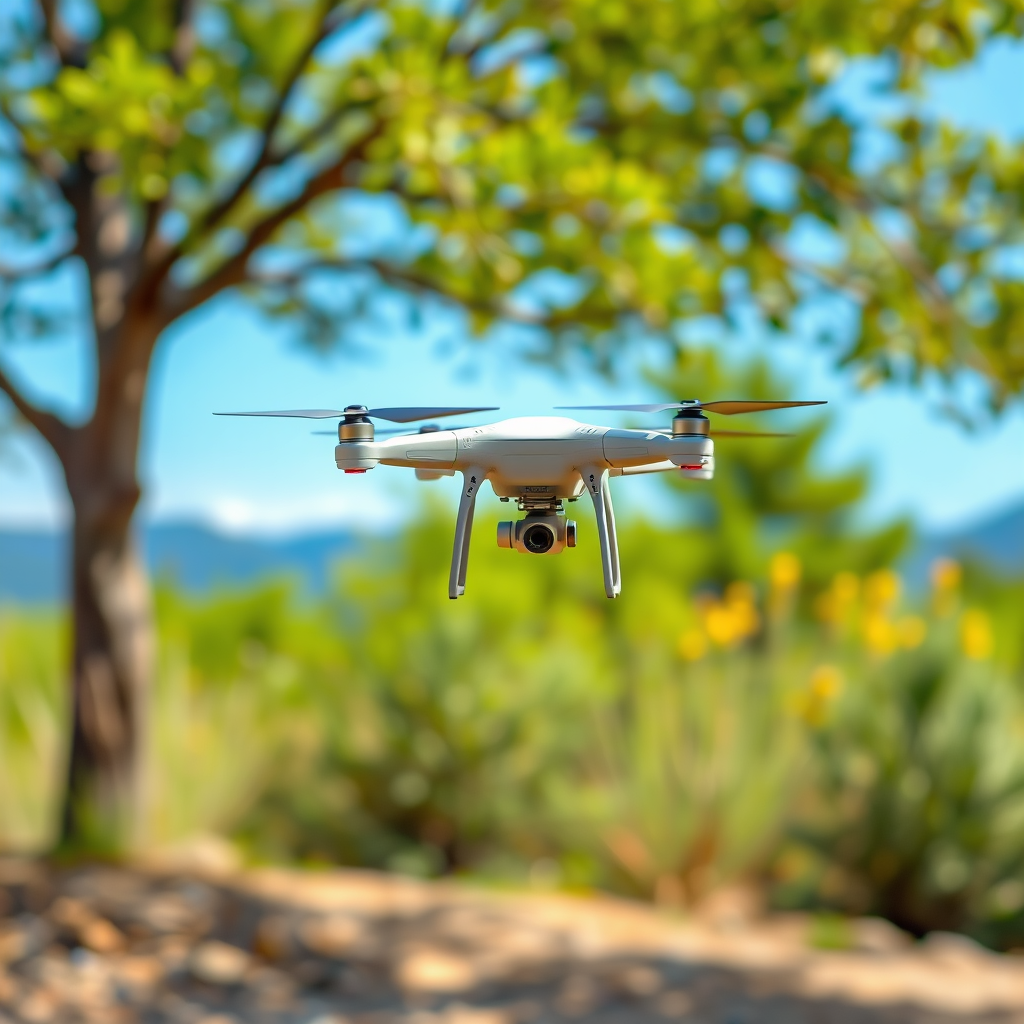
The regulations governing drone use in state parks can differ significantly from one location to another. Some parks may have blanket policies that prohibit drones entirely due to the potential impact on wildlife and the natural environment. For instance, parks with sensitive ecosystems, such as wetlands or habitats for endangered species, often impose stricter regulations on drone operations. Conversely, other parks may allow drone flying but require operators to obtain a permit before taking off.
For example, in California, the state parks system has adopted a policy that prohibits drone use in all state parks, while in places like Utah’s state parks, specific areas may be designated for drone flying, often accompanied by a permit system. It is vital for drone operators to familiarize themselves with the rules of the specific park they intend to visit, as ignorance of these regulations can lead to fines or other penalties.
Federal Aviation Administration (FAA) Guidelines
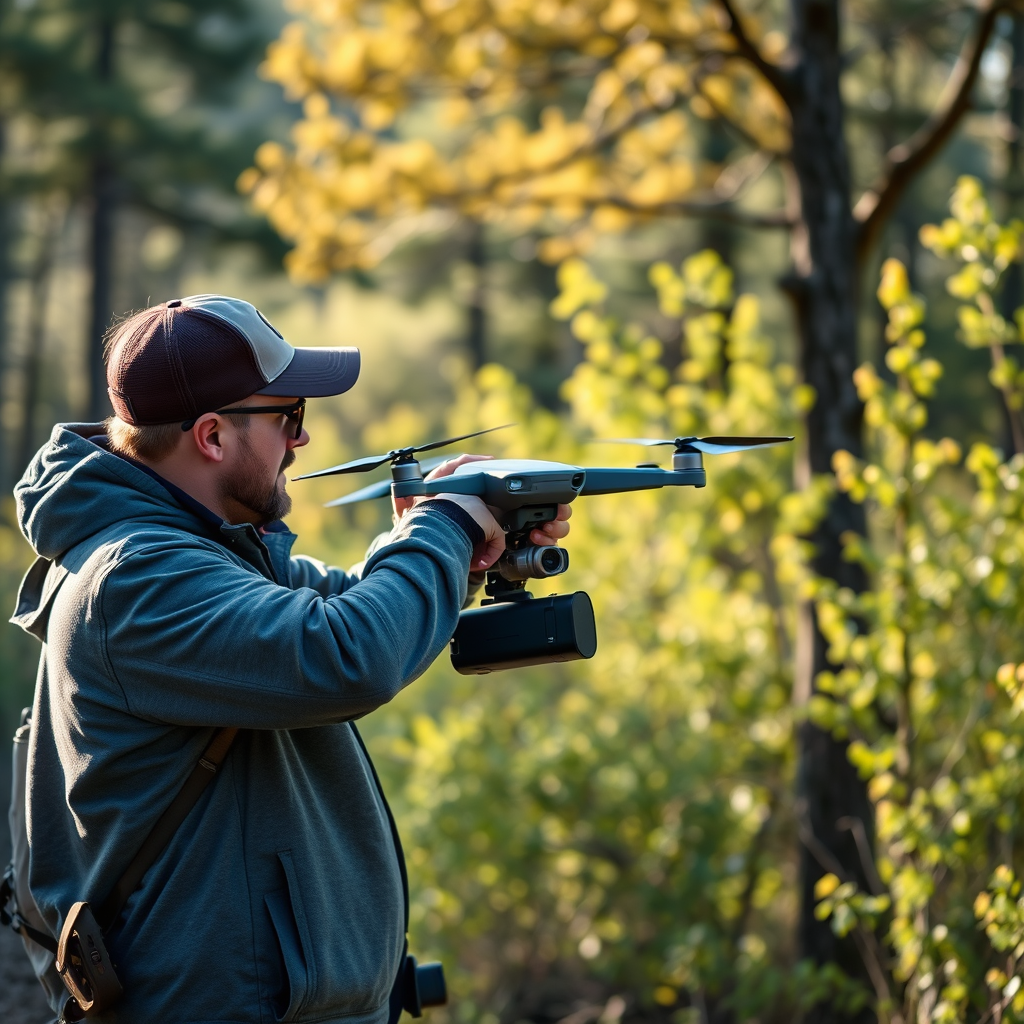
In addition to state park regulations, drone operators must adhere to the guidelines set forth by the Federal Aviation Administration (FAA). These regulations are designed to ensure safety in the national airspace and include several key directives.
Firstly, drones are subject to altitude limits, typically capped at 400 feet above ground level, unless the drone is within a 400-foot radius of a structure. Additionally, operators must avoid no-fly zones, which often encompass areas near airports, military bases, and certain sensitive locations.
Moreover, the FAA requires that all drones weighing more than 0.55 pounds be registered. This registration process is simple and can be completed online, providing a unique identifier that must be displayed on the drone. Ensuring compliance with FAA regulations not only helps in avoiding legal repercussions but also enhances the safety of your flying experience.
Checking Specific Park Policies
Before heading out to fly your drone, it is imperative to research the specific policies of the state park you plan to visit. Most state parks maintain an official website where they outline their rules regarding drone use. These resources often provide detailed information about any required permits, designated flying areas, and prohibited zones within the park.
If the information available online is unclear or if you have specific questions, consider contacting park management directly. Many parks have staff who can provide further clarification and guidance, helping you understand the nuances of their policies. This proactive approach not only ensures compliance but also demonstrates respect for the park and its regulations.
Safety Considerations When Flying
Safety should always be the top priority when operating a drone, especially in state parks where wildlife and other visitors are present. One critical safety guideline is to maintain a visual line-of-sight with your drone at all times. This practice allows you to maintain control of the drone and avoid potential hazards, such as trees, buildings, or other people.
Additionally, it is crucial to avoid flying near wildlife. Drones can cause stress to animals, particularly during mating or nesting seasons. If you notice wildlife in the vicinity, it is best to avoid flying until you are at a safe distance. Furthermore, be mindful of other park visitors; flying a drone too close to people can lead to accidents or create a disturbance. Always be aware of your surroundings and exercise caution to ensure a safe and enjoyable experience for everyone in the park.
Best Practices for Responsible Drone Use
Engaging in responsible drone usage extends beyond simply adhering to regulations; it also involves respecting the environment and the privacy of others. One of the fundamental aspects of responsible drone operation is respecting people’s privacy. Filming individuals without their consent can lead to uncomfortable situations and potential legal issues. Always seek permission if you intend to capture footage that includes people.
In addition to privacy concerns, drone operators should practice good drone etiquette. This includes maintaining a low noise level, as excessive noise can disturb both wildlife and fellow park-goers. Keeping your drone flights brief and avoiding repetitive flights over the same area can also minimize disturbances. By being considerate of both the environment and other visitors, you can contribute to a more enjoyable experience for all.
Consequences of Non-Compliance
Failing to comply with state park regulations and FAA guidelines can lead to significant consequences. In many cases, violating park rules can result in fines, the confiscation of your drone, or a permanent ban from the park. Additionally, irresponsible drone operation can lead to accidents that may cause injury to others or damage to property.
For instance, a drone crashing into a visitor or wildlife can cause serious harm and could result in legal action against the operator. It is crucial to recognize that safety and compliance are not just about avoiding penalties; they are also about fostering a safe environment for everyone and preserving the beauty of our natural spaces.
In conclusion, while flying a drone in state parks is indeed possible, it comes with a set of important rules and guidelines that must be followed. By understanding and adhering to state park regulations, FAA guidelines, and best practices for safety and respect, drone operators can enjoy their hobby without causing harm to the environment or other visitors. Always do your research, prioritize safety, and ensure that your drone use aligns with the park’s policies to create a positive experience for yourself and the natural world around you.
Frequently Asked Questions
Can you fly a drone in state parks?
The ability to fly a drone in state parks largely depends on the regulations set by each individual state. Many state parks have specific rules prohibiting drone use to protect wildlife and ensure visitor safety. It’s important to check the official website of the state park you plan to visit for any restrictions or guidelines regarding drone flights.
What are the general rules for flying drones in state parks?
General rules for flying drones in state parks often include obtaining a permit, maintaining a certain distance from wildlife, and avoiding areas with heavy foot traffic. Additionally, operators are usually required to follow local laws regarding drone registration and usage. Always consult the park’s regulations to ensure compliance before your visit.
Why are drones restricted in many state parks?
Drones are often restricted in state parks primarily to protect wildlife and preserve natural habitats. The noise and disturbance caused by drones can disrupt animal behavior, especially during breeding seasons. Furthermore, restrictions help maintain the serene experience that many visitors seek in natural settings.
How can I find out if I can fly my drone in a specific state park?
To find out if you can fly your drone in a specific state park, start by visiting the official website of the park or the state’s park department. These sites typically provide updated information about drone regulations, including any necessary permits or restrictions. Additionally, you can contact the park directly for clarification on their drone policies.
What are the best practices for flying a drone in or near state parks?
Best practices for flying a drone in or near state parks include flying at a safe altitude, keeping your drone within visual line of sight, and avoiding sensitive areas such as nesting sites or crowded locations. Always respect local wildlife and park visitors, and be sure to follow any specific park regulations regarding drone use. This ensures a safe and enjoyable experience for everyone involved.
References
- https://www.nps.gov/subjects/drones/index.htm
- https://www.fs.usda.gov/managing-land/recreation/drones
- https://www.wilderness.net/NWPS/documents/drones.pdf
- https://www.nps.gov/subjects/drones/faq.htm
- https://www.stateparks.com/drone_regulations.html
- https://www.dronepilotgroundschool.com/drone-laws-state-parks/
- https://www.cnet.com/news/flying-drones-in-state-parks-what-you-need-to-know/
