
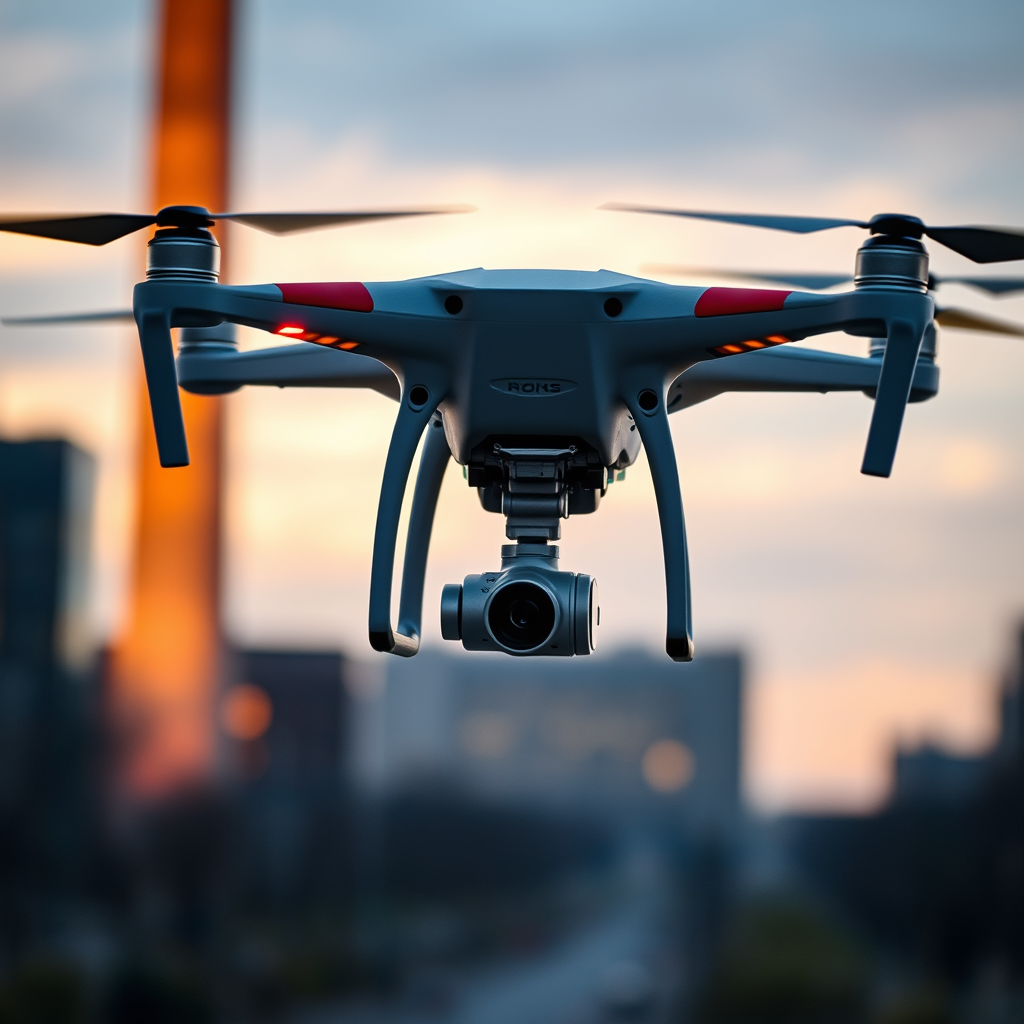
Yes, you can fly drones in Washington, D.C., but there are strict regulations and restrictions in place. It is crucial for drone enthusiasts and operators to understand these rules to ensure their flying activities are both safe and legal. The regulatory landscape encompasses local laws, as well as federal guidelines established by the Federal Aviation Administration (FAA). This post will provide a comprehensive overview of drone regulations in D.C., including restricted areas, requirements for pilots, recreational use, special permits, safety guidelines, and the consequences of violations.
Overview of Drone Regulations in Washington, D.C.
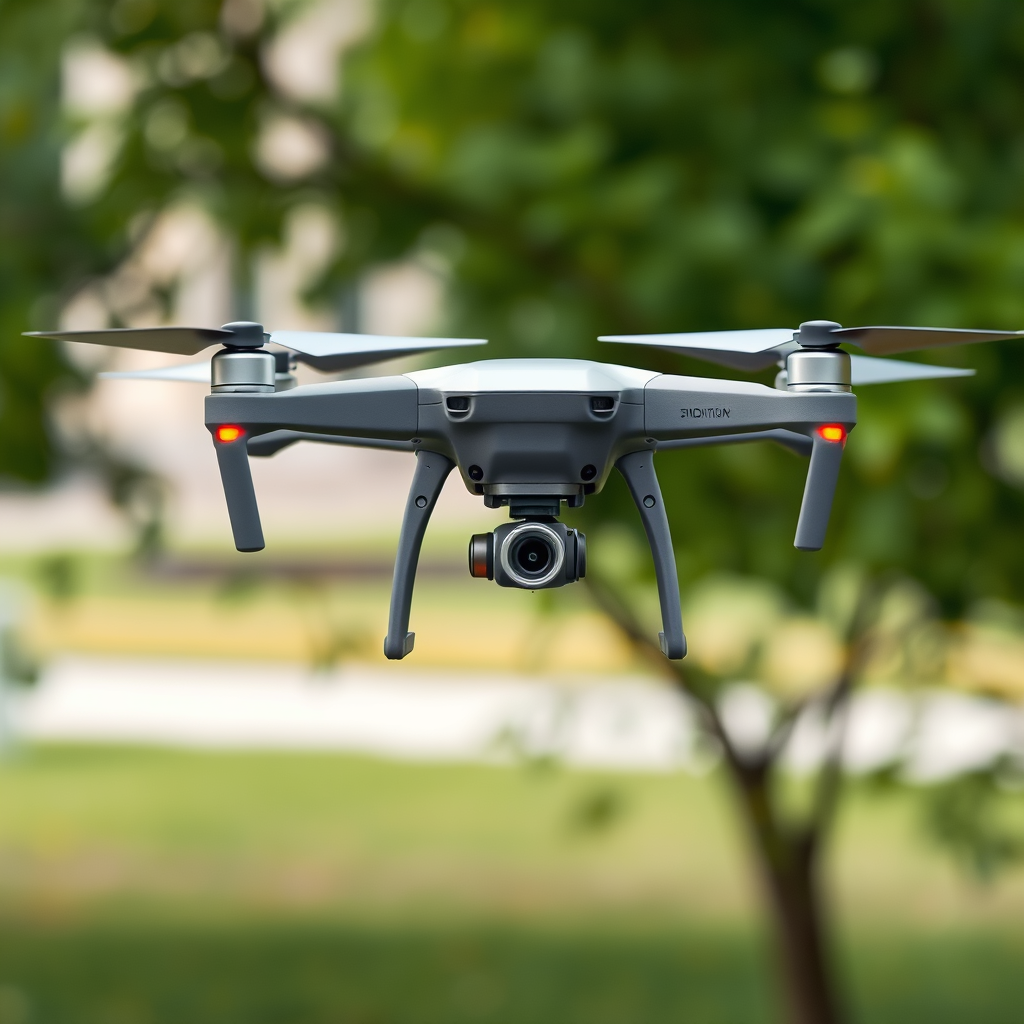
Washington, D.C. has implemented specific laws that govern the operation of drones within its boundaries, making it essential for operators to familiarize themselves with these regulations. The D.C. government has established a framework that outlines where drones can and cannot be flown, which is particularly important given the area’s dense population and numerous federal entities. Additionally, the FAA enforces nationwide rules that apply to all drone pilots, ensuring consistency in airspace safety across the country. Together, these regulations aim to balance the interests of drone users with public safety and security concerns, particularly in a city with such significant national landmarks.
Restricted Areas for Drone Flight

D.C. has several designated no-fly zones that drone operators must respect. Key areas where flying is prohibited include the National Mall, which is a central gathering place for tourists and locals alike, and the White House, a high-security area where drone flights could pose significant risks. Other federal buildings, such as the U.S. Capitol and the Supreme Court, also fall under these restrictions. Furthermore, particular parks and monuments may have additional limitations, which necessitates that drone operators conduct thorough research before launching their devices. As regulations can change, it is advisable to consult local guidelines and resources to stay informed about any recent updates to these restrictions.
FAA Requirements for Drone Pilots
For drone operators in Washington, D.C., compliance with FAA requirements is non-negotiable. All drone pilots are required to register their drones with the FAA if their aircraft weighs over 0.55 pounds. This registration process is straightforward and can be completed online, providing pilots with a unique identification number that must be displayed on their drones. Moreover, pilots intending to fly for commercial purposes must adhere to the FAA’s Part 107 regulations, which include obtaining a Remote Pilot Certificate. This certification requires passing an aeronautical knowledge test, ensuring that pilots are equipped with the necessary understanding of airspace classifications, weather, and emergency procedures.
Recreational Drone Use in D.C.
Recreational drone users in Washington, D.C. must follow both the FAA’s guidelines and local laws to ensure compliance. Generally, flying in designated areas and maintaining an altitude below 400 feet is permissible, provided that pilots remain vigilant and considerate of their surroundings. For example, many parks and open spaces in D.C. may allow drone flying, but operators should always verify specific local ordinances. Recreational users are also encouraged to join communities or clubs, which can provide valuable insights into safe flying practices and local regulations, fostering a culture of responsible drone use.
Applying for Special Permits
If you plan to film, conduct commercial activities, or engage in other specialized drone operations, you will likely need to apply for a special permit. The application process can vary depending on the intended use and the specific regulations in place. Typically, applicants must provide detailed information about the proposed flight, including the purpose, location, and duration. It is essential to understand the requirements thoroughly and to submit all necessary documentation to avoid delays or complications. Engaging with local authorities early in the planning process can also help clarify the necessary steps and expedite the approval of your permit.
Safety Guidelines for Flying Drones
Safety should always be a top priority for drone operators. To promote safe flying practices, pilots must maintain a visual line of sight with their drones at all times, avoiding any situations that could lead to loss of control. Additionally, flying near crowds is discouraged, as it poses risks to public safety. Adverse weather conditions, such as strong winds or rain, should also be avoided, as they can significantly affect a drone’s performance. By adhering to these safety guidelines, drone pilots can minimize accidents and contribute to the overall safety of the airspace.
Consequences of Violating Drone Laws
Violating drone laws in Washington, D.C. can lead to severe repercussions. Offenders may face fines that vary depending on the nature of the violation, from minor infractions to serious breaches of security regulations. In some instances, law enforcement may confiscate the equipment involved, and repeat offenders could be subject to legal action. Understanding and complying with drone regulations is not only crucial for personal accountability but also helps protect the integrity of the airspace for all users.
In summary, while flying drones in Washington, D.C. is possible, it requires a clear understanding of both local and federal regulations. From knowing restricted areas and FAA requirements to following safety guidelines and applying for special permits, drone operators must be diligent in their compliance efforts. By being informed and responsible, drone pilots can enjoy a safe and lawful flying experience in the nation’s capital.
Frequently Asked Questions
What are the regulations for flying drones in Washington, D.C.?
Flying drones in Washington, D.C. is subject to strict regulations set by the Federal Aviation Administration (FAA) and local laws. Drones must be registered with the FAA, and operators must adhere to specific guidelines, such as flying below 400 feet, maintaining visual line-of-sight, and avoiding restricted areas like the National Mall and near airports. Additionally, local laws may impose further restrictions, so it’s crucial to check the latest regulations before flying.
How can I obtain authorization to fly a drone in D.C.?
To obtain authorization to fly a drone in Washington, D.C., you must apply for a waiver from the FAA if your intended operation falls outside standard regulations. This process typically involves submitting a detailed flight plan and demonstrating that you can operate safely. Furthermore, you should check with the D.C. government for any local permits or regulations that may apply, especially if you plan to fly in public spaces or near government buildings.
Why are there restrictions on flying drones in the nation’s capital?
The restrictions on flying drones in Washington, D.C. are primarily due to security and safety concerns. As the seat of the federal government, D.C. has numerous sensitive locations, including the White House and Capitol Hill, where unauthorized drone flights could pose risks to public safety and national security. These regulations aim to prevent potential threats and ensure that airspace remains safe for both manned and unmanned aircraft.
What are the penalties for illegally flying a drone in D.C.?
The penalties for illegally flying a drone in Washington, D.C. can be severe, including fines and possible legal action. The FAA can impose civil penalties up to $27,500 for violations of federal regulations, while serious infractions, such as flying in restricted airspace, could result in criminal charges and significant fines. It is essential to familiarize yourself with both federal and local drone laws to avoid these consequences.
Which areas in D.C. are designated as no-fly zones for drones?
In Washington, D.C., several areas are designated as no-fly zones for drones, primarily to protect sensitive government facilities. These include the National Mall, the White House, the U.S. Capitol, and other federal buildings. Additionally, the FAA has established Temporary Flight Restrictions (TFRs) that may be in effect during special events or emergencies, so it’s vital to check for updated information before attempting to fly in these areas.
References
- https://www.faa.gov/uas/getting_started/locations_restrictions#dc
- https://www.nps.gov/nace/planyourvisit/drone-use.htm
- https://www.washingtonpost.com/transportation/2021/12/02/dc-drone-regulations/
- https://www.dc.gov/page/drone-regulations
- https://www.faa.gov/uas/resources/policies_regulations/
- https://www.nasa.gov/aeroresearch/programs/uas/faq
- https://www.wired.com/story/drones-washington-dc-faa-regulations/
- https://www.theverge.com/2020/10/30/21539573/drone-regulations-washington-dc-faa-aviation
