

Yes, you can fly drones in national forests, but there are specific regulations and guidelines you must follow to ensure safety and compliance with federal laws. Adhering to these rules not only enhances your flying experience but also protects the natural habitats and wildlife that inhabit these beautiful landscapes. Understanding both federal and local regulations is essential for drone enthusiasts looking to explore the great outdoors responsibly.
Understanding National Forest Regulations
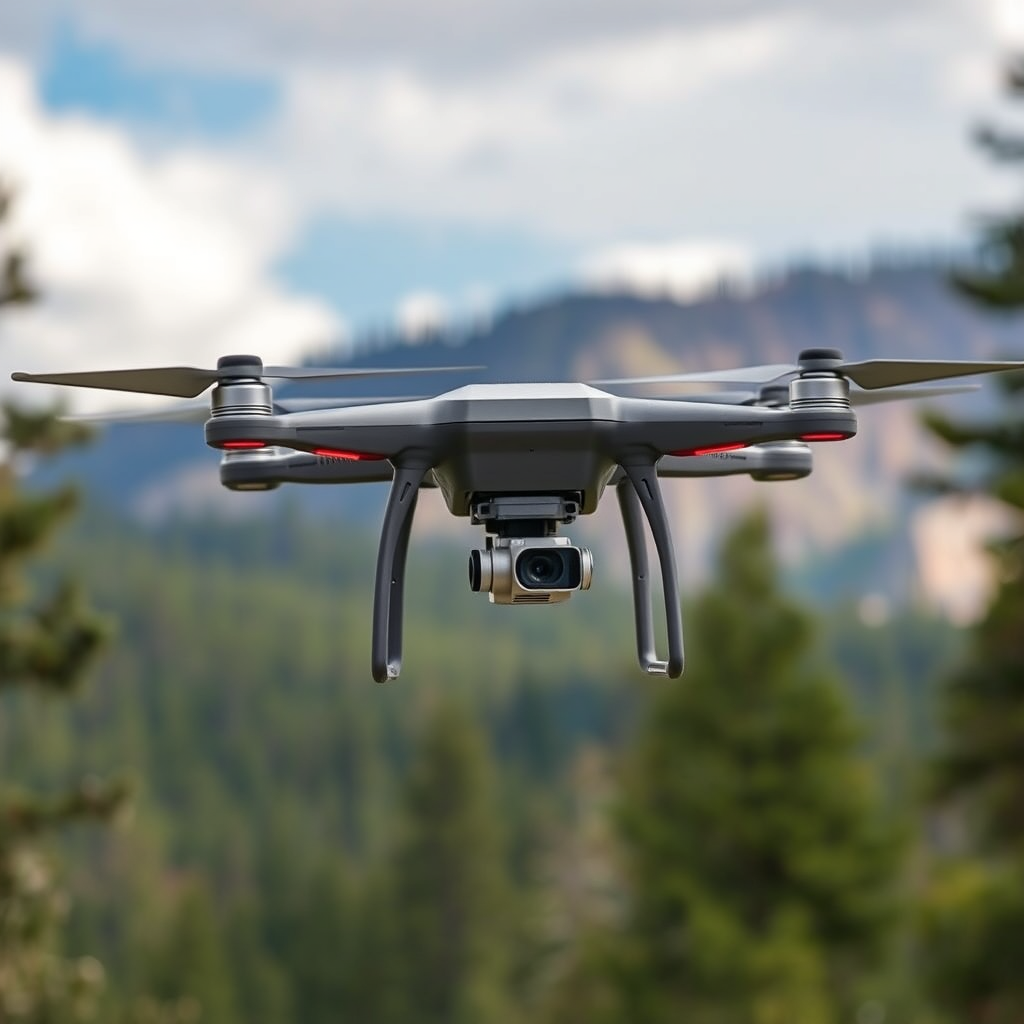
Drones are primarily regulated by the Federal Aviation Administration (FAA), which oversees all airspace in the United States. The FAA has established specific rules for drone operation, including altitude limits, registration requirements, and guidelines for safe flying practices. In addition to federal regulations, each national forest may impose its own specific rules or restrictions based on local considerations, including wildlife protection, visitor safety, and ecological preservation. For instance, some forests may have designated no-fly zones, particularly in areas that are sensitive or critical to wildlife habitats. Therefore, it is essential to familiarize yourself with both FAA guidelines and the specific regulations for the national forest you plan to visit.
Permitted Areas for Drone Flight

Within the vast expanses of national forests, there are designated areas where drone flying is permitted. These areas are typically outlined in local maps and resources provided by the U.S. Forest Service. It is crucial to check these resources before your visit, as regulations can change based on environmental assessments or seasonal wildlife activity. For example, some national forests may allow drone flights in open areas away from trails and campgrounds, while others may have established specific zones for drone use. Utilizing local maps ensures that you identify these areas accurately and comply with the guidelines set forth by the forest management.
Restrictions and Prohibited Activities
While drone flying can be an exhilarating experience, there are significant restrictions designed to protect wildlife and ensure visitor safety. One of the primary rules is the prohibition of flying over wildlife or sensitive areas. Such disturbances can lead to stress in animals, disrupt their natural behaviors, and impact breeding activities. Additionally, flying near trails, campgrounds, and visitor centers is often restricted to maintain an enjoyable experience for all forest visitors. Understanding these restrictions not only helps you adhere to the law but also fosters a respectful relationship with the natural environment, ensuring that all visitors can enjoy the serenity of the forest.
Required Permits and Notifications
For recreational drone operators, a special use permit is generally not required unless the flights are for commercial purposes. However, commercial drone operators must obtain the necessary permits from the U.S. Forest Service before conducting any activities. It is also highly recommended to notify local forest service offices before flying your drone, even if you are flying for recreational purposes. This notification allows the forest management to advise you on specific restrictions and to ensure that your flying does not interfere with ongoing activities or operations within the forest.
Best Practices for Responsible Flying
To promote safety and responsible drone operation, there are several best practices that every drone operator should follow. First and foremost, always maintain a visual line of sight with your drone. This practice ensures that you have full control of the aircraft and can respond to any unforeseen circumstances. Additionally, avoid flying at night, as this can lead to difficulties in navigating and increases the risk of accidents. Respecting the privacy of others is also paramount—avoid flying over private property adjacent to the forest, as this can lead to potential conflicts with landowners. Lastly, familiarize yourself with local flying regulations and restrictions to ensure compliance.
Environmental Considerations
The impact of drone noise on wildlife and natural habitats is a significant concern that operators must take seriously. The sound produced by drones can disturb wildlife, particularly sensitive species that rely on auditory cues for communication and survival. Therefore, it is vital to fly your drone in a manner that minimizes noise pollution and disturbance to wildlife. Adhering to Leave No Trace principles while flying is equally important; this includes minimizing your footprint, avoiding littering, and being mindful of the natural environment. By practicing responsible drone operation, you contribute to the preservation of these precious ecosystems for future generations.
Resources for Drone Operators
For drone operators seeking further information, there are numerous resources available. The FAA provides comprehensive guidelines regarding drone operation, which includes regulations, safety tips, and educational materials. Additionally, the U.S. Forest Service maintains websites that offer specific information on national forest regulations, including maps of designated flying areas. Engaging with local drone clubs or community forums can also provide valuable insights and support from fellow drone enthusiasts. These platforms often share experiences, tips, and updates on changing regulations, helping you stay informed and compliant.
In conclusion, while flying drones in national forests is possible, adhering to the regulations and best practices is crucial for a safe and enjoyable experience. Always check local guidelines before your flight, and consider the environment and wildlife around you. By following these essential guidelines, you can enjoy the thrill of flying a drone in the breathtaking beauty of national forests while also safeguarding the natural wonders that make these areas so special.
Frequently Asked Questions
Can you legally fly drones in national forests?
Yes, you can legally fly drones in national forests, but there are specific regulations you must follow. The U.S. Forest Service requires drone operators to adhere to federal laws, including registering your drone if it weighs more than 0.55 pounds. Additionally, you must not fly above 400 feet, avoid flying over crowds, and respect any temporary flight restrictions that may be in place.
What are the rules for flying drones in national forests?
The rules for flying drones in national forests include adhering to the FAA’s Part 107 regulations, which govern commercial drone use, as well as the U.S. Forest Service guidelines. Key rules involve maintaining visual line of sight with your drone, not flying near wildlife or sensitive areas, and obtaining any necessary permits if your drone use could impact the environment or public safety.
Why are there restrictions on drone use in national forests?
Restrictions on drone use in national forests are primarily in place to protect wildlife, prevent disturbances to natural landscapes, and ensure public safety. Drones can cause stress to wildlife, interfere with other visitors’ experiences, and pose risks if they malfunction. By regulating drone activity, the Forest Service aims to maintain the integrity of these precious natural resources.
What should I do if I see a drone flying in a national forest?
If you see a drone flying in a national forest and believe it is violating regulations, you should report it to the local U.S. Forest Service office or park rangers. Provide details such as the location, time, and any specific behaviors you observed. This helps ensure that drone operators are following the rules designed to protect the forest and its visitors.
Which national forests are most drone-friendly?
While many national forests allow drone flying, some are known to be more drone-friendly due to their open spaces and fewer restrictions. For example, the Angeles National Forest in California and the Bighorn National Forest in Wyoming are popular choices among drone enthusiasts. However, always check the specific regulations for each forest, as rules can vary widely based on location and environmental concerns.
References
- https://www.fs.usda.gov/managing-land/national-forests/what-national-forest
- https://www.nps.gov/articles/drone-regulations-in-national-parks.htm
- https://www.faa.gov/uas/getting_started/where_to_fly
- https://www.nps.gov/subjects/drones/index.htm
- https://www.fs.fed.us/technology/technology/drones/index.shtml
- https://www.usa.gov/elected-officials
- https://www.blm.gov/programs/recreation/rockhounding/drones-in-public-lands
- https://www.theguardian.com/environment/2020/aug/27/drones-national-parks-us-regulations
