

Yes, you can fly with a drone, but there are important regulations and guidelines to follow. Understanding these rules will help you enjoy flying your drone safely and legally while avoiding potential fines and penalties. As drone technology continues to evolve and the popularity of drone flying rises, it’s crucial for both recreational and commercial operators to stay informed about the regulations and best practices that ensure a safe flying experience.
Understanding Drone Regulations
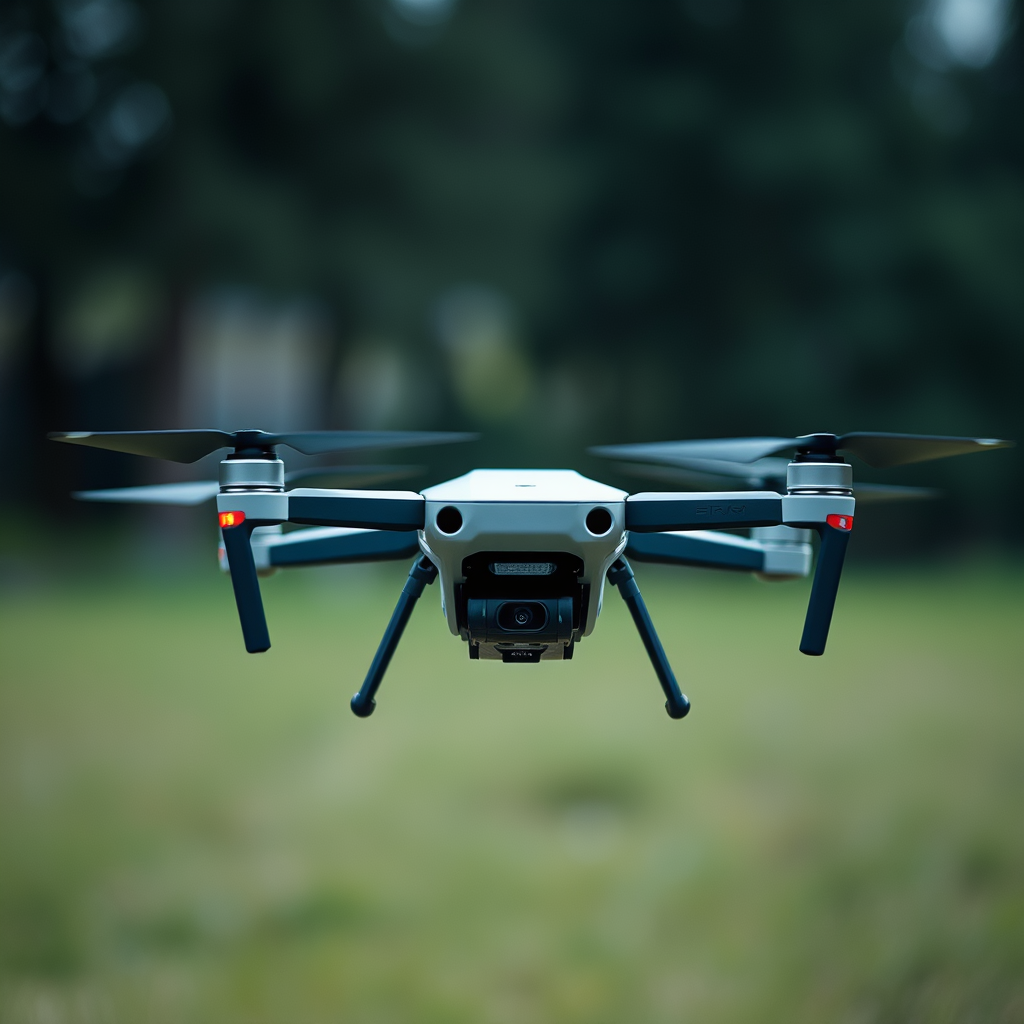
Federal Aviation Administration (FAA) regulations govern drone use in the U.S., providing a framework that ensures the safety of both drone operators and the public. The FAA classifies drones based on their weight and intended use, with different requirements for recreational users and commercial operators. For instance, recreational drone pilots must register their drones if they weigh more than 0.55 pounds and are required to fly below 400 feet, within visual line of sight, and only in uncontrolled airspace unless they have specific permission.
It’s important to note that different countries have varying laws regarding drone operations. In Canada, for example, the regulations are enforced by Transport Canada, and operators must adhere to specific guidelines related to altitude, distance, and the classification of airspace. Therefore, before flying a drone internationally, always check local regulations to ensure compliance and avoid legal issues.
Types of Drones and Their Uses
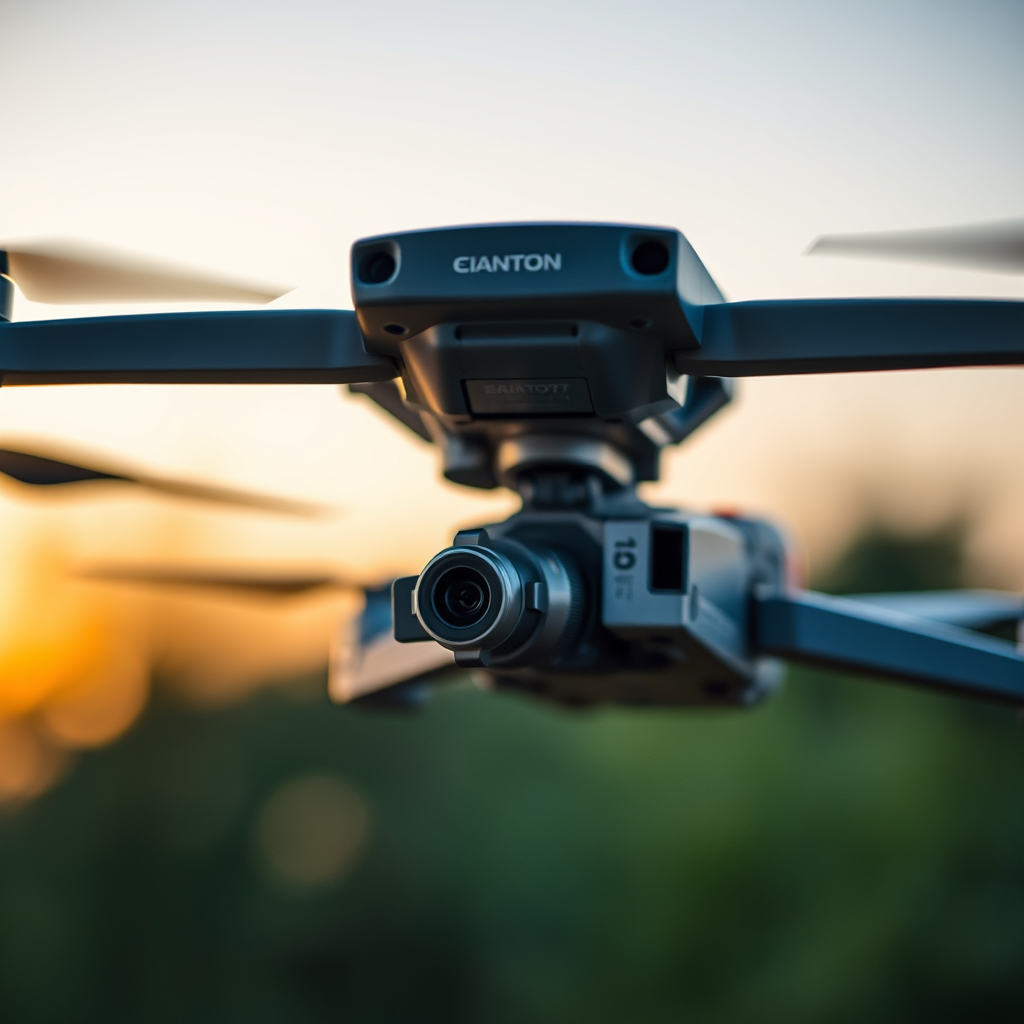
Drones are categorized into two primary types: recreational and commercial, each serving distinct purposes. Recreational drones are typically used for hobbies and personal enjoyment, such as aerial photography, racing, or simply exploring the skies. These drones are often user-friendly and designed for those who are new to flying.
On the other hand, commercial drones serve a wide range of professional purposes, including aerial photography for real estate, surveying land for construction, and even delivering packages. Industries such as agriculture utilize drones for crop monitoring and precision farming, while emergency services may deploy drones for search and rescue operations. Understanding the specific capabilities and regulations surrounding each type is crucial for maximizing their potential while adhering to legal standards.
Safety Guidelines for Flying Drones
Safety should always be a top priority when flying drones. Always conduct a pre-flight check to ensure your drone is in good working condition. This includes checking battery levels, ensuring propellers are securely attached, and verifying that the drone’s software is up to date. Such checks can prevent accidents caused by mechanical failure.
Moreover, maintaining a visual line of sight with your drone during flight is not just a legal requirement; it is also a critical safety practice. This ensures that you can react to any potential obstacles or hazards, such as other aircraft, power lines, or wildlife. Additionally, consider flying in open areas away from people, which can mitigate risks associated with accidents or malfunctions.
No-Fly Zones and Restrictions
Understanding no-fly zones and restrictions is essential for responsible drone operation. There are designated no-fly zones, such as near airports, military bases, and crowded public events, where drone flights are prohibited to prevent interference with manned aircraft and ensure public safety. Violating these restrictions can result in significant fines and legal repercussions.
To help navigate these restrictions, utilize apps or websites that provide real-time information about airspace limitations. Resources like the FAA’s B4UFLY app offer a user-friendly interface that can help drone pilots identify where they can and cannot fly. Staying informed about temporary flight restrictions due to events or emergencies is also crucial for safe operations.
Tips for Beginner Drone Pilots
For those new to drone flying, starting with a smaller, less expensive drone is advisable to practice flying skills without the fear of significant financial loss. Many entry-level drones are equipped with features such as altitude hold and beginner modes, which can assist novice pilots in mastering their flying techniques.
Moreover, consider taking a drone piloting course. These courses provide valuable insights into the technical aspects of drone flight, as well as the regulatory framework governing drone operations. Learning from experienced instructors can significantly enhance your confidence and competency as a drone pilot, ensuring a more enjoyable flying experience.
Drone Insurance and Liability
As with any technology that carries risks, it’s prudent to look into drone insurance to protect yourself against potential damages or accidents. Drone insurance can cover a variety of scenarios, including damage to the drone itself, third-party liability, and even theft. Many insurance providers offer specialized policies tailored to drone operators, which can provide peace of mind while flying.
Additionally, familiarize yourself with liability laws specific to your area to understand your responsibilities as a drone operator. Knowing these laws can help you navigate situations where damage or injury occurs, ensuring you are prepared to respond appropriately and responsibly.
In conclusion, flying a drone is an exciting and rewarding experience, but it requires knowledge of regulations, safety practices, and responsible operation. By understanding drone regulations, types, safety guidelines, and the importance of insurance, you can ensure a safe and enjoyable flying experience. Always stay informed and fly safely to enjoy all that drone flying has to offer!
Frequently Asked Questions
What are the regulations for flying a drone on an airplane?
Regulations regarding flying a drone on an airplane vary by airline and country. Generally, you are allowed to bring a drone in your carry-on or checked baggage, but it’s crucial to check specific airline policies. Additionally, if you are traveling internationally, be aware of the drone laws in your destination country, as some places have strict restrictions on drone usage.
How can I safely transport my drone when flying?
To safely transport your drone when flying, ensure it is packed securely in a padded case to prevent damage. Remove the batteries and store them in a fireproof bag, as most airlines have specific regulations regarding lithium batteries. Additionally, familiarize yourself with your airline’s guidelines for carrying drones, including weight limits and any restrictions on drone accessories.
Why can’t I fly my drone in certain areas when traveling?
You may be prohibited from flying your drone in certain areas due to local regulations, airspace restrictions, or safety concerns. National parks, crowded urban areas, and near airports often have strict no-fly zones to protect wildlife and ensure public safety. Always check for local drone laws and obtain necessary permits before attempting to fly your drone in a new location.
What is the best way to prepare my drone for a flight before traveling?
The best way to prepare your drone for a flight before traveling includes updating the firmware, checking battery levels, and calibrating the GPS. Additionally, ensure that all propellers are securely attached and inspect the drone for any signs of damage. Having a pre-flight checklist can help you ensure your drone is ready for optimal performance when you reach your destination.
Which drones are allowed on flights, and are there restrictions?
Most consumer drones are allowed on flights, but restrictions may apply based on their weight, battery size, and regional laws. Drones that weigh more than 250 grams often have stricter regulations and might require registration with aviation authorities. Always verify the specific airline’s policy regarding drone transport and check for any applicable regulations at your departure and arrival locations to avoid issues.
References
- https://www.faa.gov/uas/getting_started/fly_for_fun
- https://www.nasa.gov/feature/nasa-and-the-future-of-drone-technology
- https://www.wired.com/story/drone-flying-tips/
- https://www.bbc.com/news/technology-59319413
- https://www.nytimes.com/2021/02/10/technology/drone-privacy-laws.html
- https://www.faa.gov/uas/
- https://www.dronepilotgroundschool.com/drone-flying-regulations/
- https://www.nps.gov/articles/drones-in-national-parks.htm
