
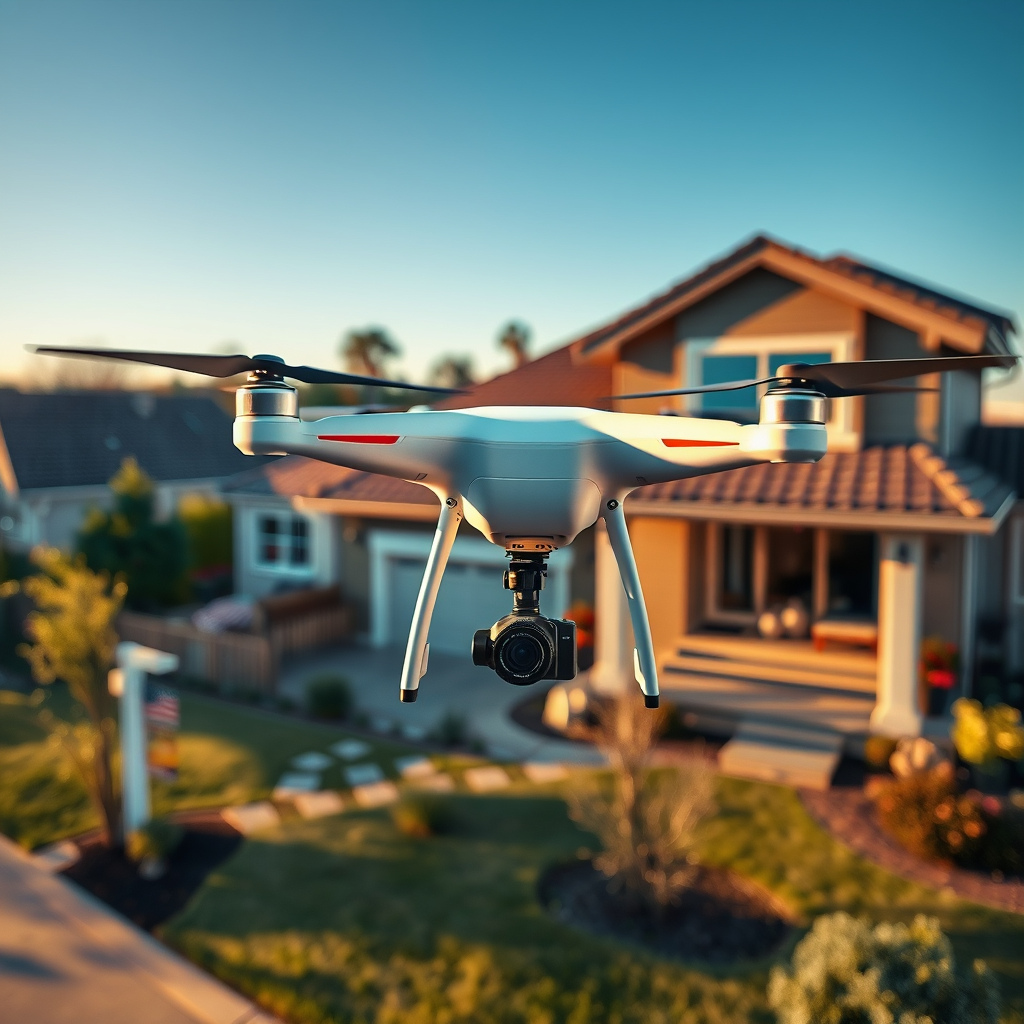
You generally cannot shoot a drone on your property as it can be illegal and poses significant legal consequences. However, understanding the laws and regulations surrounding drone use and property rights is essential for homeowners. Drones have become increasingly prevalent, and while they offer various benefits, they can also lead to privacy infringements and safety concerns. This article delves into the complexities of property rights, the legal implications of shooting a drone, alternative solutions, and how to navigate privacy concerns effectively.
Understanding Property Rights and Airspace
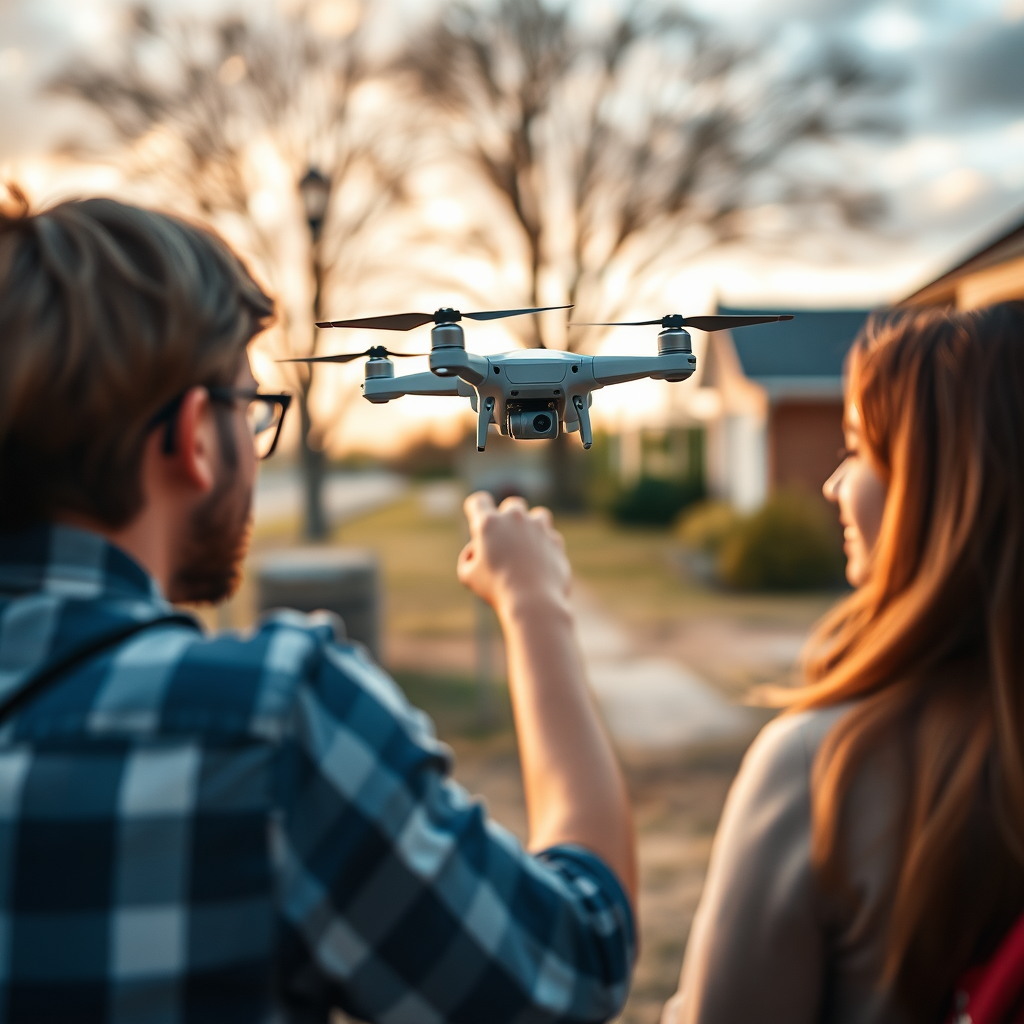
Property owners have clear rights to their land, extending to the surface and sometimes even to a limited extent below the ground. However, airspace rights are far more complex. The Federal Aviation Administration (FAA) governs air traffic, including drone operations. According to FAA regulations, property owners do not own the airspace above their land indefinitely; the FAA grants rights for aircraft to fly at certain altitudes, typically above 400 feet, which includes most drones. This means that while you may feel entitled to protect your property, the law generally prioritizes air traffic regulations over individual property rights. As a result, understanding the distinction between land ownership and airspace rights is crucial for homeowners who may feel threatened by drones.
Legal Implications of Shooting a Drone
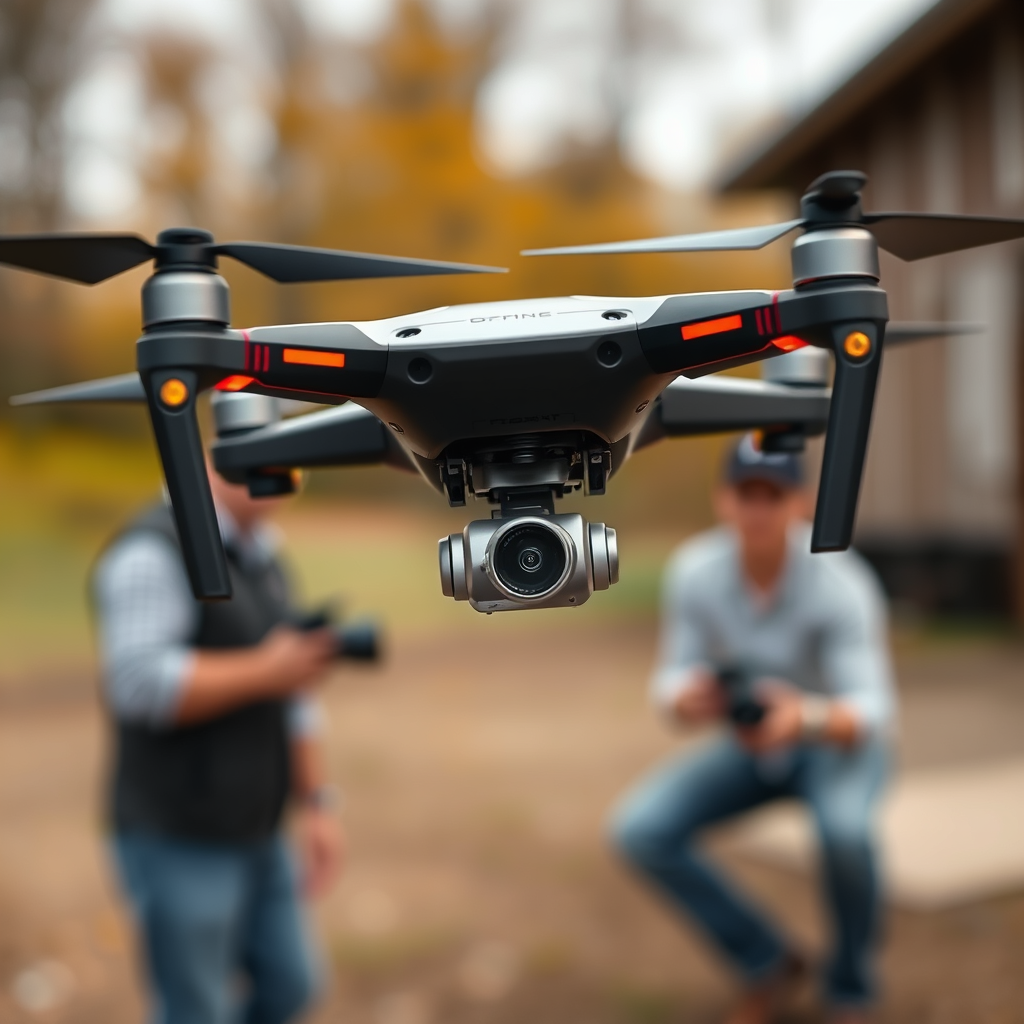
Shooting a drone can lead to severe legal repercussions, including criminal charges such as reckless endangerment or even firearm-related offenses. Many states classify drones as aircraft, which means that shooting one could be viewed as an attack on an aircraft, leading to federal charges. Moreover, laws vary significantly by state; some states have enacted specific laws governing the shooting down of drones, while others lack clear regulations. For instance, in California, it is illegal to destroy a drone, and violators may face fines or imprisonment. Understanding your local laws is crucial before considering any drastic measures.
Alternatives to Shooting a Drone
Instead of resorting to shooting a drone, there are viable, non-violent alternatives that can effectively address your concerns. If you feel that a drone is invading your privacy, the first step is to contact local law enforcement. Many police departments have protocols for dealing with complaints about drones, and they can provide guidance on the next steps. Additionally, consider utilizing non-destructive methods such as drone detection systems or signal jammers, though the legality of these tools varies by location. Some anti-drone technology is designed to safely disable drones without causing damage, making them a more responsible choice for property owners.
Privacy Concerns with Drones
Drones equipped with cameras can intrude on your privacy, raising legitimate concerns among homeowners. Understanding your rights when it comes to privacy is essential. In many jurisdictions, laws exist concerning surveillance and photography that can protect you from invasive drone activity. For example, filming someone in their private space without consent can lead to legal action. It’s advisable to familiarize yourself with both federal and state privacy laws that pertain to aerial surveillance. If you feel that a drone is capturing images or video of your property, documenting the behavior and seeking legal advice may be warranted.
Reporting Unwanted Drones
If you encounter an unauthorized drone, knowing how to report it to the appropriate authorities is vital. The FAA encourages individuals to report unsafe drone operations. You can file a report through their website, providing details such as the time, location, and any specific behaviors of the drone you observed. Collecting evidence, including photographs or videos of the drone in action, can bolster your case and help authorities take appropriate action. Additionally, local law enforcement may have specific reporting mechanisms, so it’s prudent to familiarize yourself with those processes as well.
Engaging with Drone Operators
If you are familiar with the drone’s operator, addressing your concerns directly can often lead to a resolution without escalating the situation. Many drone pilots fly responsibly and may not be aware that their activity is causing distress. Open communication can facilitate understanding and potentially lead to an agreement, such as the operator agreeing to fly at a different time or height. Building a rapport with neighbors who use drones can promote responsible flying practices and enhance community relations.
Staying Informed About Drone Regulations
As drone technology evolves, so too do the laws and regulations governing their use. Keeping up with changes in local and federal drone laws is essential for property owners who wish to protect their rights. Consider joining local community groups or online forums dedicated to drone discussions, where you can exchange information about regulations and best practices. Staying informed not only empowers you but also fosters a more responsible community around drone usage.
In conclusion, while shooting a drone on your property may seem like a straightforward solution to unauthorized flights, it is fraught with legal risks. Understanding your rights regarding property and airspace, as well as the legal implications of your actions, is vital in navigating these situations effectively. Exploring alternatives to shooting, such as reporting unwanted drones or communicating directly with operators, can yield more constructive outcomes. By staying informed about drone regulations and actively engaging with your community, you can address your concerns while remaining within the bounds of the law.
Frequently Asked Questions
Can I shoot a drone on my property if it invades my privacy?
While you may feel justified in shooting down a drone that you believe is invading your privacy, it is important to understand the legal implications. Most jurisdictions prohibit the destruction of property, including drones, even if they are flying over your land. Instead, consider reporting the incident to local authorities or using non-destructive methods to address privacy concerns, such as contacting the drone operator directly.
What are the laws regarding shooting drones on private property?
Laws regarding shooting drones vary significantly by location, but generally, it is illegal to shoot down a drone, as they are considered aircraft under federal law. In the United States, the FAA strictly regulates airspace and does not permit individuals to take down drones, even if they are trespassing. Always check your local laws and regulations to understand your rights and the legal ramifications of taking action against a drone.
How can I legally stop a drone from flying over my property?
To legally stop a drone from flying over your property, you can take several steps. First, you can communicate with the drone operator if you identify them, expressing your concerns directly. Additionally, you might consider installing anti-drone technology or contacting law enforcement if the drone poses a significant threat to your safety or privacy. Remember, understanding local laws is crucial before taking any action.
Why do drones fly over private property, and what can I do about it?
Drones may fly over private property for various reasons, such as recreational use, aerial photography, or surveying. To address unwanted drone activity, first determine if the drone’s operator is infringing on your privacy rights or local ordinances. If so, document the incidents, gather evidence, and report them to relevant authorities, as many states have specific laws against drone misuse.
What is the best way to protect my property from unwanted drone surveillance?
To protect your property from unwanted drone surveillance, consider implementing physical barriers such as privacy fences or landscaping to obscure views from above. You can also invest in drone detection systems that alert you when a drone is nearby. Additionally, staying informed about your rights and local drone regulations will empower you to take appropriate action if you feel your privacy is being compromised.
References
- https://en.wikipedia.org/wiki/Drone#Legal_issues
- https://www.faa.gov/uas/resources/policy_library/
- https://www.nytimes.com/2020/07/16/us/drone-laws.html
- https://www.theguardian.com/us-news/2020/sep/12/drone-flying-laws-usa
- https://www.aclu.org/news/free-speech/what-you-need-to-know-about-drone-privacy
- https://www.nolo.com/legal-encyclopedia/drone-law-what-you-need-know-29788.html
- https://www.techrepublic.com/article/the-laws-surrounding-drones-what-you-need-to-know/
- https://www.wired.com/story/drone-laws-2020/
