

Yes, you can technically shoot down a drone on your property, but doing so comes with significant legal implications and potential consequences. The laws surrounding drone usage and the concept of self-defense are complex and can vary greatly depending on your location. Therefore, before taking any action, it’s essential to understand the regulations and risks involved in shooting down a drone.
Understanding Drone Regulations

The Federal Aviation Administration (FAA) has established strict regulations governing airspace and the operation of drones. These regulations are designed to ensure safety in the national airspace, which includes the airspace above private properties. According to FAA guidelines, drones must be operated within the visual line of sight and cannot exceed certain altitudes, typically 400 feet, unless in controlled airspace. Violating these regulations can lead to significant fines and penalties for the drone operator.
Moreover, many states have enacted specific laws concerning the use of firearms and self-defense that further complicate the issue of shooting down a drone. For instance, some jurisdictions explicitly prohibit the use of firearms in urban settings, while others may allow it under certain circumstances. Understanding your state’s laws is crucial before considering any drastic measures against a drone.
Property Rights and Airspace
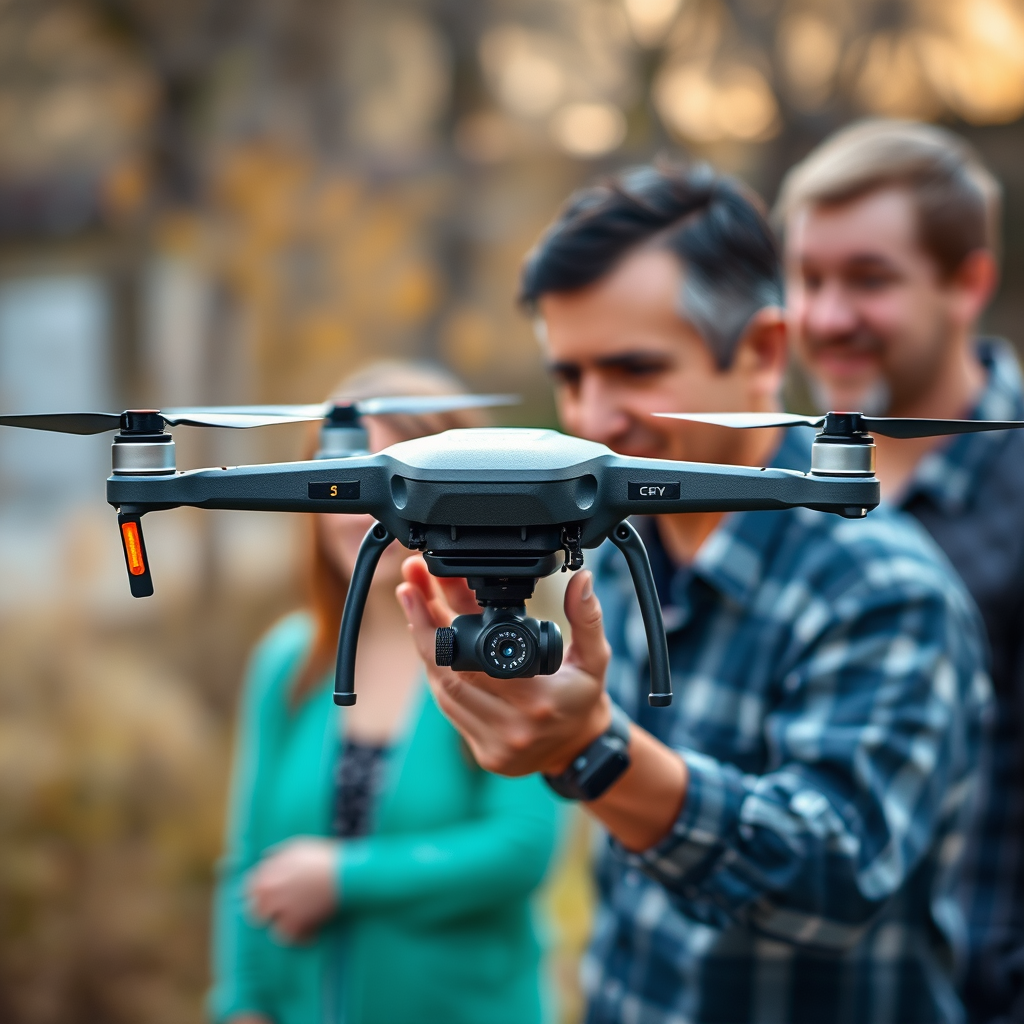
Property rights generally extend vertically from the surface of the land to the upper reaches of the airspace above it. However, the legal boundaries of this airspace are often subject to interpretation. Courts have historically ruled that property owners have rights to the airspace above their land, but these rights do not always extend to the same altitude that drones typically operate at.
Encroachment by drones can raise significant legal questions about trespassing and privacy violations. For example, if a drone is hovering over your property and capturing images or video, it may be infringing on your right to privacy. In some states, laws have been enacted that specifically address drone surveillance and privacy concerns, giving property owners more leverage against intrusive drone activity.
Legal Consequences of Shooting a Drone
Shooting down a drone can lead to severe legal repercussions. One major concern is the risk of criminal charges, such as reckless endangerment or destruction of property. When you discharge a firearm, you are not only endangering the drone operator but also potentially harming bystanders or causing property damage, which could lead to civil liabilities.
Additionally, the drone operator may choose to pursue civil lawsuits for damages. If a drone is shot down, the operator could claim loss of property or even emotional distress, depending on the circumstances. Such lawsuits can be costly and time-consuming, adding further complications to an already fraught situation.
Alternatives to Shooting Down Drones
Instead of resorting to shooting down a drone, there are several alternative actions you can take to address your concerns. One effective approach is to contact local authorities or law enforcement if a drone is invading your privacy or creating safety issues. Law enforcement agencies are equipped to handle drone-related complaints and can take appropriate action against the operator if necessary.
Another option is to utilize technology designed to disrupt drone signals. Devices such as drone jammers or signal disruptors can incapacitate a drone without causing physical harm or property damage. However, it is crucial to check the legality of using such technology in your area, as some jurisdictions have restrictions against jamming devices.
Self-Defense and Reasonable Force
In self-defense situations, the concept of reasonable force is paramount. The law generally allows individuals to protect themselves from imminent threats; however, it must be proportional to the perceived danger. For example, if a drone is merely flying over your property without intending harm, shooting it down may not be considered reasonable or justified.
The legal standards for self-defense vary by state, but most require a clear and immediate threat to personal safety or property. Thus, if a drone is not posing a direct threat, taking action against it could land you in legal trouble. Evaluating the situation critically and understanding the nuances of self-defense laws is essential before considering any forceful action.
The Importance of Documentation
Keeping thorough records of any drone activity that raises concerns about your privacy or safety is vital. Documentation can include video footage, photographs, timestamps, and notes detailing the drone’s behavior and any interactions with the operator. Such records can be invaluable if you need to present your case to law enforcement or in court.
Additionally, if you do engage with the drone operator, document those interactions as well. If a resolution can be reached amicably, having a record can demonstrate your efforts to resolve the situation peacefully. This documentation can serve as a protective measure against any potential legal claims that may arise from the incident.
In conclusion, while shooting down a drone on your property may appear to be a straightforward solution to an unwanted disturbance, the legal ramifications and potential consequences make it a risky proposition. Understanding the intricacies of drone regulations, property rights, and the legal concept of self-defense is crucial before taking any action. Exploring alternative options and maintaining thorough documentation can help ensure that your rights are protected while prioritizing safety and legality. Always consider the broader implications of your actions in such situations.
Frequently Asked Questions
Can I legally shoot down a drone that’s flying over my property?
Legally, you cannot shoot down a drone simply because it is flying over your property. In most jurisdictions, shooting a drone can lead to serious legal consequences, including felony charges. Drones are considered aircraft, and as such, they are protected by federal law under the Federal Aviation Administration (FAA). Instead of taking drastic measures, consider contacting local authorities if a drone is invading your privacy or posing a threat.
What should I do if I see a drone hovering over my house?
If you notice a drone hovering over your house, the first step is to assess the situation calmly. Determine whether the drone is causing a disturbance or invading your privacy. You can document the incident with photos or videos and report it to local law enforcement if you feel threatened. It’s also advisable to check local laws regarding drone use, as some areas have specific regulations that may apply.
How can I prevent drones from flying over my property?
To prevent drones from flying over your property, consider installing physical barriers like fences or privacy screens that may deter drone operators. Additionally, you can inform your neighbors about your concerns and encourage them to be careful when flying drones themselves. Lastly, some technology solutions, such as drone detection systems, can alert you when a drone is nearby, allowing you to take appropriate action.
Why is shooting down a drone illegal in most areas?
Shooting down a drone is illegal primarily because drones are classified as aircraft, which are protected under federal aviation laws. Discharging a firearm into the air poses significant risks not only to the drone but also to people and property on the ground. Law enforcement agencies advocate for safer, legal methods to address drone-related issues, such as seeking help through local regulations or contacting authorities.
What are the best alternatives to shooting down a drone on my property?
Instead of shooting down a drone, consider using non-destructive methods to address your concerns. You can speak to the drone operator, if identifiable, about your privacy concerns, or report the drone to local authorities if it is being operated irresponsibly. Additionally, install anti-drone technology, such as jamming devices (where legal) or drone nets, which can safely capture a drone without causing damage or injury.
References
- https://www.nytimes.com/2020/06/30/us/drone-property-rights.html
- https://www.theguardian.com/us-news/2019/jun/03/drone-privacy-rights-property-law
- https://www.faa.gov/uas/
- https://www.ncsl.org/research/transportation/drone-laws.aspx
- https://www.wired.com/story/drone-shooting-legal-issues/
- https://www.lawfareblog.com/law-drones-and-property-rights
- https://www.washingtonpost.com/technology/2020/07/11/drone-privacy-property-rights/
