
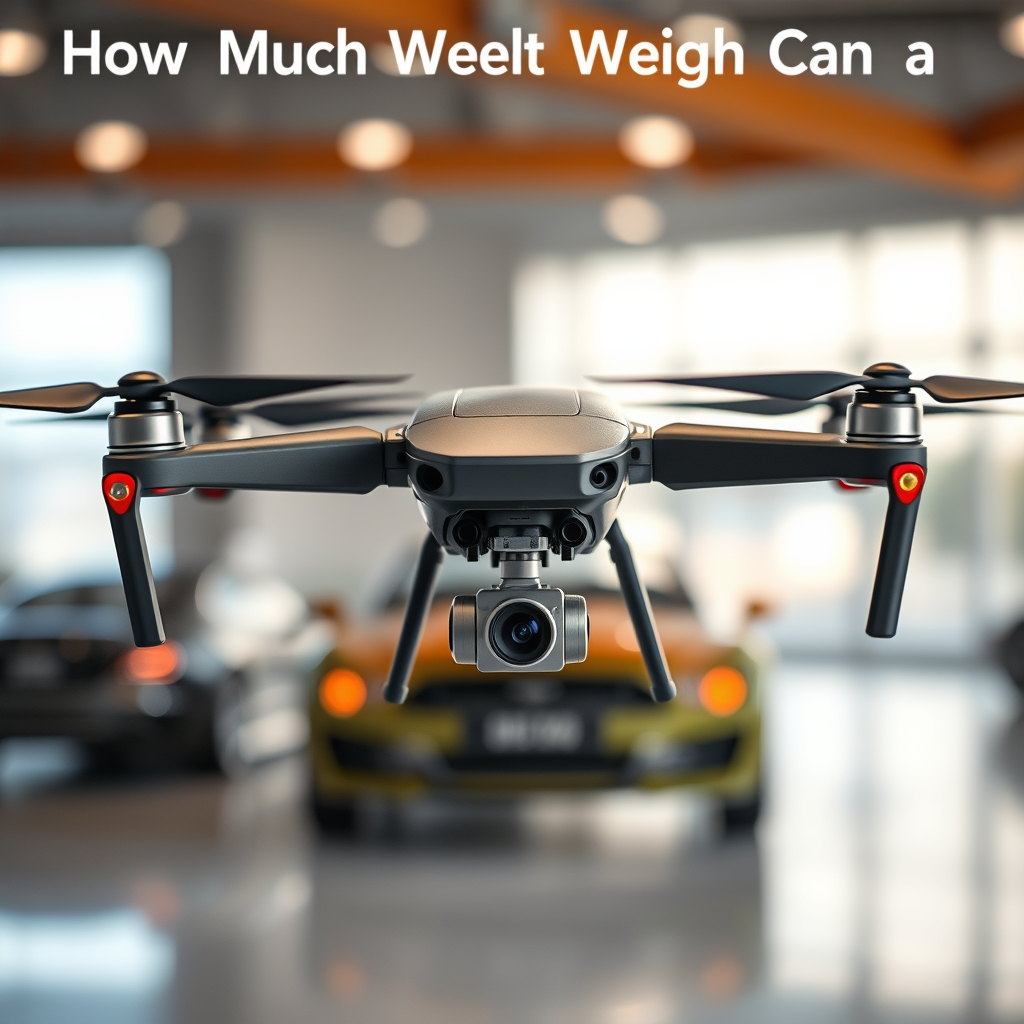
Drones can typically carry between 0.5 to 20 kilograms (1 to 44 pounds), depending on their size and design. This broad weight range allows drones to serve various applications, from recreational activities to complex commercial operations. Understanding the carrying capacity of drones is crucial for anyone looking to utilize them effectively, whether for personal enjoyment, delivery services, or industrial inspections.
Understanding Drone Weight Classes
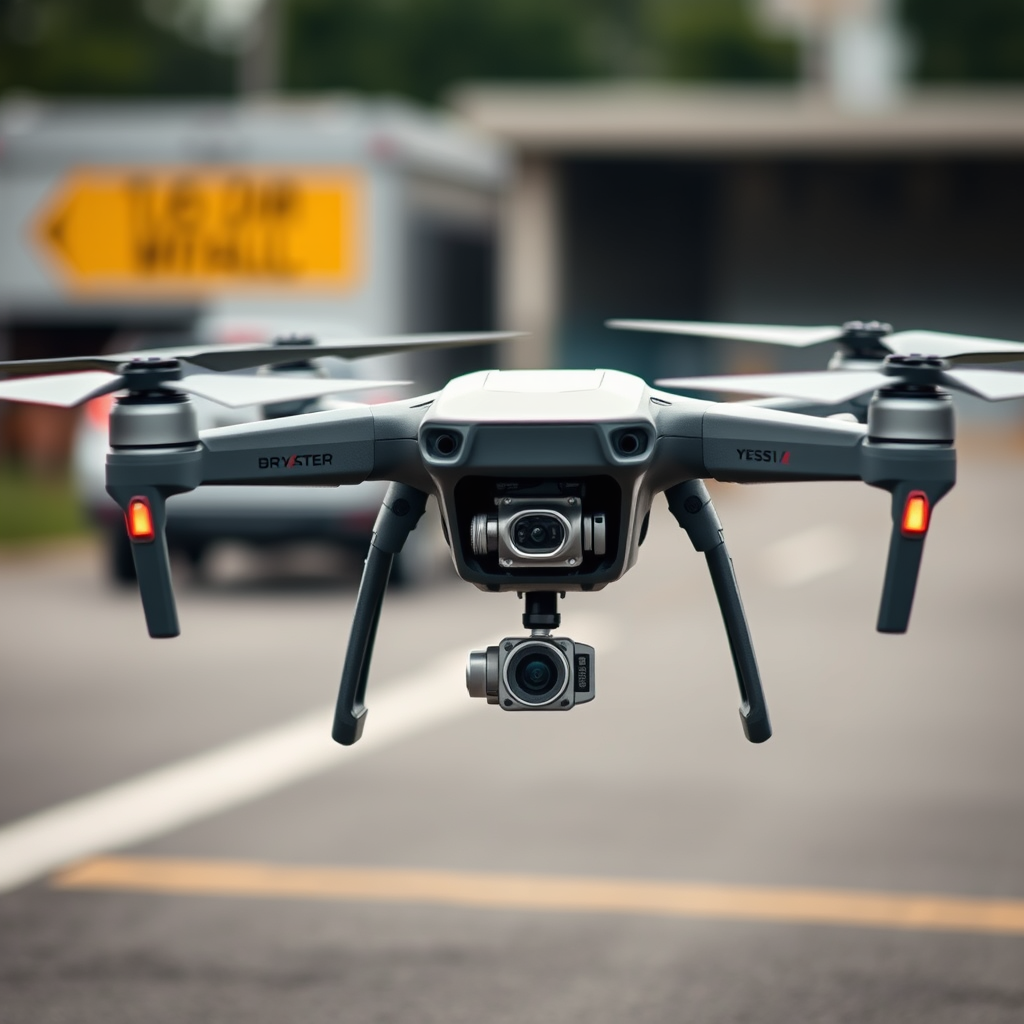
Drones are categorized into distinct classes based on their weight capacity, design, and intended use. This classification is essential for potential users as it helps determine the most suitable drone for specific tasks.
1. Toy Drones: These lightweight models generally weigh less than 0.5 kg (1 pound). They are designed primarily for recreational use and are not equipped to carry any significant payloads. Their limited capacity makes them ideal for beginner flyers and casual users.
2. Consumer Drones: Typically weighing between 0.5 to 2 kg (1 to 4 pounds), consumer drones are popular among hobbyists and semi-professionals. They can carry small cameras and accessories, making them suitable for aerial photography and videography. Models like the DJI Mavic Air 2 fall into this category, offering impressive features while maintaining a manageable weight.
3. Professional and Industrial Drones: These drones can carry significantly heavier payloads, ranging from 2 to 20 kg (4 to 44 pounds). They are designed for specific applications such as agricultural monitoring, infrastructure inspection, and delivery services. Drones like the DJI Matrice 600 exemplify this class, offering advanced capabilities and the ability to transport professional camera equipment or payloads for commercial purposes.
Understanding these weight classes is fundamental for selecting the right drone based on the intended application and required payload capacity.
Factors Affecting Payload Capacity

Several factors influence a drone’s payload capacity, and understanding these can help users maximize their drones’ performance and efficiency.
1. Drone Design and Materials: The structural design and materials used in a drone dramatically affect its weight capacity. High-strength composites and lightweight metals can reduce the drone’s overall weight while maintaining structural integrity. For instance, carbon fiber frames are commonly used in professional drones due to their lightweight yet robust nature, allowing for higher payload capacities.
2. Motor Power and Efficiency: The power of the drone’s motors directly correlates with its ability to lift heavier loads. Drones equipped with high-efficiency motors can achieve better lift-to-weight ratios, enabling them to carry more weight without compromising flight stability.
3. Battery Life and Flight Time: Adding weight to a drone affects its battery life and overall flight time. Heavier payloads require more energy to maintain lift, which can lead to shorter flight durations. Users must balance payload weight with battery capacity to ensure adequate operational time. For example, a commercial drone carrying a 5 kg payload might see a significant reduction in flight time compared to when it operates with a lighter load.
4. Weather Conditions: Environmental factors such as wind speed, temperature, and humidity can affect a drone’s performance. High winds can impact stability, requiring more power (and thus energy) to maintain flight, further reducing the effective payload capacity.
Understanding these factors is essential for optimizing drone use in various applications, ensuring that users select drones capable of meeting their specific needs safely.
Types of Drones and Their Capacities
Different types of drones are designed for various applications, each with distinct payload capacities suited to their intended use.
1. Consumer Drones: As mentioned earlier, consumer drones generally carry between 0.5 to 2 kg (1 to 4 pounds). They are often equipped with cameras and are perfect for aerial photography, recreational flying, and light inspections. Popular models include the DJI Mini 2 and the Parrot Anafi, which can carry small camera rigs and accessories.
2. Industrial Drones: These drones, capable of carrying between 2 to 20 kg (4 to 44 pounds), are employed in various industries. For example, agricultural drones like the SenseFly eBee X can carry sensors and payloads for crop monitoring, while delivery drones, such as those developed by Amazon Prime Air, are designed to transport packages efficiently over longer distances.
3. Heavy-Lift Drones: Some specialized drones are built exclusively for heavy payloads, such as the Freefly Alta 8, which can carry up to 9 kg (20 pounds) of camera equipment. These drones are essential in film production and large-scale surveying projects, where high-quality imaging is necessary.
By understanding the different types of drones and their respective capacities, users can make informed decisions that align with their specific operational requirements.
Applications of Drones Based on Carrying Capacity
The capacity of a drone to carry weight opens up a multitude of applications across various sectors:
1. Delivery Services: Drones with higher payload capacities are increasingly being utilized for delivery services. Companies like Zipline have successfully implemented drone delivery systems in healthcare, transporting medical supplies to remote areas. Their drones can carry substantial weights while ensuring timely deliveries.
2. Photography and Videography: Drones that can carry professional camera equipment are invaluable for photographers and filmmakers. High-end drones equipped with gimbals and cameras can capture stunning aerial footage and images, proving essential in real estate marketing, event coverage, and film production.
3. Agriculture: Agricultural drones equipped with sensors and spraying equipment can help farmers monitor crop health, apply fertilizers, and assess field conditions. These drones often carry substantial payloads of liquid fertilizers or pesticides, enhancing efficiency and reducing manual labor.
4. Inspection and Surveying: Drones are widely used for infrastructure inspection, carrying cameras and sensors to assess bridges, power lines, and pipelines. The ability to carry specialized equipment allows for comprehensive inspections without the need for scaffolding or ladders, saving time and resources.
As the capabilities of drones continue to evolve, so too do their applications, making them indispensable tools across numerous industries.
Regulations and Considerations
When it comes to operating drones, compliance with local regulations is paramount.
1. Weight Limits: Many countries have established regulations regarding the maximum weight a drone can carry. For instance, in the United States, the Federal Aviation Administration (FAA) has specific guidelines for commercial drone operations, including weight restrictions that pilots must adhere to for safe operation.
2. Registration Requirements: Depending on the weight of the drone and its intended use, pilots may be required to register their drones with regulatory bodies. This registration often includes providing details about the drone’s specifications and intended operational use.
3. Safety Protocols: Pilots must ensure their drones are equipped with fail-safe mechanisms and that they conduct pre-flight checks. These protocols help mitigate risks associated with flying heavier loads, such as potential crashes or equipment malfunctions.
4. Insurance and Liability: With increased payload capacity comes greater responsibility. Pilots should consider obtaining insurance to cover potential damages or liabilities resulting from drone operations, particularly in commercial settings.
Being aware of and compliant with regulations ensures not only the safety of the drone operator but also the public, thus fostering a positive environment for drone usage.
Future Trends in Drone Payload Capacity
As technology advances, the potential for drones to carry heavier payloads is rapidly increasing.
1. Innovations in Materials: The development of lighter and stronger materials, such as advanced composites, is enabling manufacturers to design drones that can lift more weight while still being lightweight. This trend enhances the overall efficiency of drone operations, allowing for more extensive applications.
2. Battery Technology: Advances in battery technology, particularly in lithium-sulfur and solid-state batteries, promise to improve energy density and efficiency. These innovations could lead to longer flight times and increased payload capacities, making drones more versatile in their applications.
3. Automation and AI: The integration of artificial intelligence in drone operations can optimize flight paths and payload management. AI algorithms can help determine the most efficient routes for delivery drones, ensuring that they carry maximum payloads with minimal energy expenditure.
4. Regulatory Developments: As drone technology evolves, regulations will likely adapt to accommodate heavier payloads and new applications. This evolution may open up more opportunities for commercial use, particularly in logistics and supply chain management.
In summary, the future of drone payload capacity looks promising, with ongoing advancements set to redefine what is possible in various industries.
Understanding how much weight a drone can carry is crucial for maximizing its potential across multiple applications. Each drone class has unique capabilities, influenced by factors like design and materials, which dictate their operational efficiency and safety. As technology progresses, the possibilities for drone usage will expand, underscoring the importance of choosing the right drone for specific needs. Whether for personal enjoyment or commercial endeavors, understanding payload limits helps ensure safe and effective drone operations.
Frequently Asked Questions
What is the average weight a consumer drone can carry?
The average weight a consumer drone can carry typically ranges from 0.5 to 5 pounds (0.23 to 2.27 kg). Drones designed for photography and videography, such as the DJI Phantom series, can carry payloads of around 1 to 2 pounds, while specialized drones for delivery or agricultural purposes may support heavier loads. It’s essential to check the specifications of each drone model to understand its exact payload capacity.
How do I determine the payload capacity of my drone?
To determine the payload capacity of your drone, refer to the manufacturer’s specifications, which are usually listed in the user manual or on the manufacturer’s website. This information often includes the maximum takeoff weight (MTOW) and the weight of the drone itself. Subtracting the weight of the drone from the MTOW gives you the maximum payload capacity it can safely carry without compromising performance or safety.
Why is it important to know a drone’s payload capacity?
Knowing a drone’s payload capacity is crucial for ensuring safe operation and optimal performance. Exceeding the maximum payload can lead to reduced flight time, decreased maneuverability, and potential mechanical failure or crashes. Understanding payload limits helps drone operators avoid accidents and maintain the longevity of their equipment, especially when using the drone for specific tasks like surveying or delivery.
What types of drones can carry the heaviest loads?
Drones built for industrial and commercial applications, such as agricultural drones, heavy-lift drones, and cargo drones, can carry the heaviest loads. Models like the DJI Matrice 600 and Freefly Alta 8 are designed to support payloads of up to 15-20 pounds (6.8-9 kg) or more, making them ideal for tasks like transporting equipment or agricultural supplies. These drones are typically equipped with powerful motors and robust frames to handle substantial weights.
Which factors affect a drone’s payload capacity?
Several factors affect a drone’s payload capacity, including the drone’s design, motor power, battery life, and overall weight. Environmental conditions, such as wind speed and temperature, can also impact performance. Additionally, the type of equipment being carried—like cameras or sensors—can influence how much weight can be added without exceeding the drone’s operational limits. Understanding these factors will help you optimize your drone’s performance for specific tasks.
References
- https://en.wikipedia.org/wiki/Drone_payload
- https://www.faa.gov/uas/
- https://www.nasa.gov/mission_pages/airborne-science/technology/airborne_drones.html
- https://www.sciencedirect.com/science/article/pii/S0968090X15000577
- https://www.theguardian.com/technology/2020/jun/28/drones-delivery-service-what-to-know
- https://www.abc.net.au/news/2021-06-24/drones-carrying-cargo-deliveries-in-australia/100226534
- https://www.researchgate.net/publication/331700056_An_overview_of_drones_and_their_potential_in_agriculture
- https://www.itu.int/en/ITU-T/Study-Groups/2022-2025/20/Pages/default.aspx
