

Drones can be used for a variety of applications, including aerial photography, agriculture, delivery services, and more. As technology advances, the versatility of drones continues to expand, making them valuable tools across multiple industries. This blog post delves into the key applications of drones, highlighting how they are revolutionizing traditional processes and enhancing efficiency, safety, and creativity across various sectors.
Aerial Photography and Videography
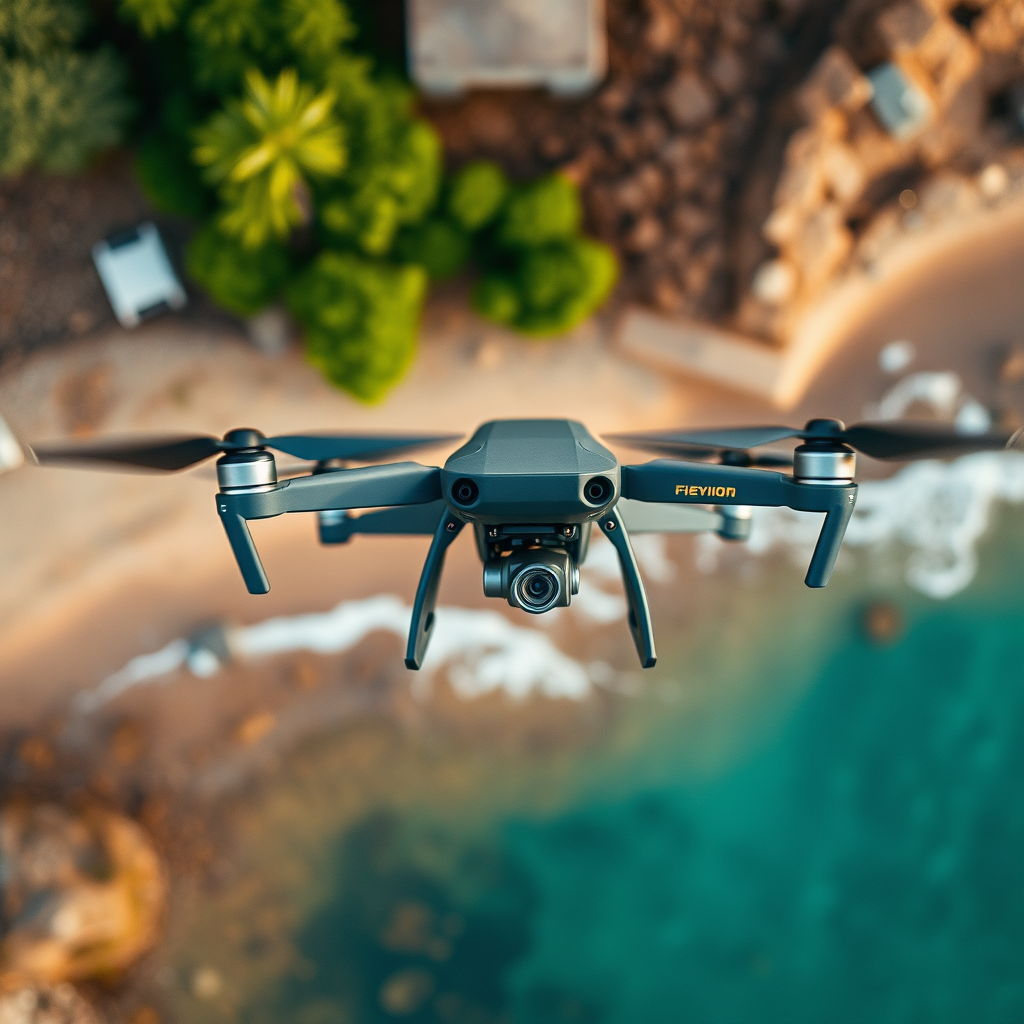
Drones have transformed the landscape of aerial photography and videography, enabling the capture of stunning images and footage that were once difficult or impossible to obtain. Equipped with high-resolution cameras and stabilization technology, drones provide unique perspectives that enhance storytelling in films, documentaries, and promotional videos. For instance, filmmakers can utilize drones to shoot sweeping landscapes or dynamic action sequences from above, adding a cinematic quality that captivates audiences.
In the real estate market, drones have become an essential marketing tool. Aerial images and videos offer prospective buyers an impressive overview of properties, showcasing not only the buildings themselves but also their surroundings, such as gardens, pools, and neighborhoods. Real estate agents who incorporate drone footage into their listings enjoy a competitive edge, attracting more potential buyers and closing deals faster. According to a study by the National Association of Realtors, properties with aerial imagery sell 68% faster than those with standard photography.
Agriculture and Crop Monitoring
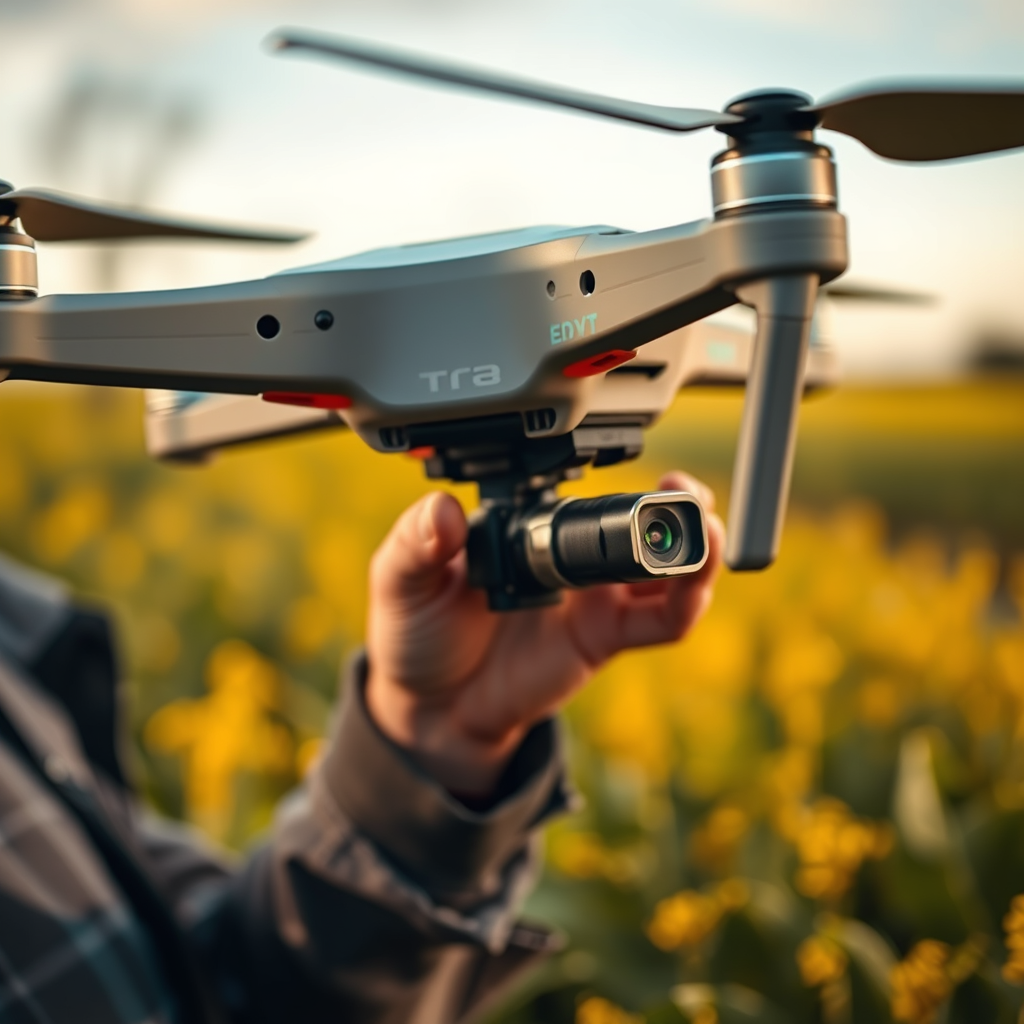
The agricultural sector has embraced drone technology to revolutionize farming practices through precision agriculture. Drones equipped with multispectral sensors can monitor crop health by capturing data on plant vigor, moisture levels, and nutrient deficiencies. This information allows farmers to make informed decisions about irrigation, fertilization, and pest control, ultimately leading to increased yields and reduced resource waste.
Beyond monitoring crop health, drones can also assess land conditions. For example, they can create detailed topographical maps that help farmers understand the layout of their fields, identify drainage issues, and manage resources more effectively. By employing drones, farmers are not only enhancing productivity but also contributing to sustainable farming practices that minimize environmental impact.
Delivery and Logistics
The logistics industry is undergoing a significant transformation thanks to drones, which streamline package delivery processes for e-commerce companies and logistics providers. Drones can transport small packages directly to customers’ doorsteps, reducing the reliance on traditional ground transportation methods that often lead to delays and increased costs.
Urban areas, in particular, stand to benefit from drone delivery systems. By flying over congested traffic and urban obstacles, drones can significantly reduce delivery times—potentially transforming same-day delivery into an achievable standard. Companies like Amazon and UPS are actively testing drone delivery services, aiming to implement efficient aerial routes that will enhance customer satisfaction and operational efficiency.
Search and Rescue Operations
In search and rescue operations, drones have proven to be invaluable tools for emergency services. Equipped with thermal imaging cameras and GPS technology, drones can quickly survey disaster areas, such as those affected by floods, earthquakes, or wildfires. This capability allows rescue teams to assess damage, locate victims, and identify safe routes for personnel and equipment without endangering lives.
For instance, during the aftermath of natural disasters, drones can assist in locating missing persons in hard-to-reach locations where traditional search methods may be hindered by debris or challenging terrain. The use of drones not only expedites the search process but also enhances the safety of search teams, allowing them to operate more effectively in hazardous conditions.
Infrastructure Inspections
Drones have revolutionized infrastructure inspections by providing a safer, more efficient means of assessing the integrity of structures such as bridges, power lines, and buildings. Traditionally, these inspections often required scaffolding, cranes, or even helicopters, posing risks to workers and incurring substantial costs.
With drones, inspectors can conduct thorough examinations of hard-to-reach areas with minimal disruption. High-resolution cameras and sensors can capture detailed images that reveal structural issues, such as cracks or corrosion, allowing for timely maintenance and repairs. Furthermore, drone inspections can be performed more frequently and with greater accuracy, leading to enhanced safety and longevity of infrastructure.
Environmental Monitoring
Drones play a pivotal role in environmental monitoring, providing researchers and conservationists with powerful tools to assess wildlife populations, track environmental changes, and respond to natural disasters. By capturing aerial imagery and data, drones enable scientists to monitor habitats more effectively and gather insights that inform conservation strategies.
For example, drones have been used to track migratory patterns of birds and monitor the health of endangered species in their natural habitats. Additionally, drones are instrumental in tracking environmental changes such as deforestation, coastal erosion, and the impacts of climate change. The ability to collect data from previously inaccessible locations allows for more comprehensive studies and timely interventions.
Military and Defense Applications
In military and defense contexts, drones are indispensable for gathering intelligence and conducting surveillance missions. Unmanned aerial vehicles (UAVs) provide real-time data and reconnaissance capabilities that enhance situational awareness for ground troops and command centers. This technology enables military forces to monitor enemy movements, assess battlefields, and execute strategic operations with greater precision and safety.
Moreover, drones can be employed for logistical support, delivering supplies to troops in remote or hostile environments. The use of drones in military operations not only reduces the risks associated with manned missions but also increases operational efficiency, allowing for faster response times in critical situations.
In conclusion, drones are transforming various fields with their diverse applications. From enhancing agricultural practices to improving logistics and safety, the potential uses of drones are vast and continue to grow. As technology progresses, the integration of drones into everyday operations will likely expand, presenting new opportunities for innovation across industries. Explore how drones can benefit your industry or personal projects today!
Frequently Asked Questions
What are the most common uses of drones in agriculture?
Drones are revolutionizing agriculture by providing precise aerial imagery and data collection. Farmers use drones for crop monitoring, soil analysis, and irrigation management, allowing them to identify issues like pest infestations or inadequate watering. This technology helps optimize yields, reduce costs, and improve sustainable practices in farming.
How can drones be utilized in construction and surveying?
Drones are increasingly used in construction and surveying for their ability to capture high-resolution images and create detailed 3D models of job sites. They facilitate site inspections, progress tracking, and mapping, making it easier for project managers to assess work and plan effectively. This use of drones enhances safety by reducing the need for personnel to enter hazardous areas.
Why are drones popular for search and rescue operations?
Drones are popular in search and rescue operations due to their ability to cover large areas quickly and access difficult terrains that might be unsafe for rescue teams. Equipped with thermal imaging cameras, drones can locate missing persons or detect heat signatures in challenging environments. Their real-time data transmission also aids in coordinating rescue efforts more efficiently.
What are the best drone models for aerial photography and videography?
The best drone models for aerial photography and videography include the DJI Mavic Air 2, DJI Phantom 4 Pro, and the Skydio 2. These drones offer features like high-resolution cameras, advanced stabilization technology, and user-friendly controls, making them ideal for capturing stunning aerial footage. Investing in a quality drone enhances your ability to produce professional-grade images and videos.
Which industries benefit the most from using drones today?
Various industries benefit from drone technology, including agriculture, construction, real estate, and emergency services. In agriculture, drones enhance crop management; in construction, they improve project monitoring; in real estate, they provide captivating property views; and in emergency services, they assist in effective rescue operations. As technology advances, more sectors are finding innovative applications for drones.
References
- https://en.wikipedia.org/wiki/Drone
- https://www.faa.gov/uas/
- https://www.nasa.gov/mission_pages/
- https://www.sciencedirect.com/topics/engineering/unmanned-aerial-vehicle
- https://www.theguardian.com/technology/2020/jan/15/drones-in-2020-a-world-of-opportunity-or-a-future-of-invasion
- https://www.nytimes.com/2021/07/20/technology/drones-use-cases.html
- https://www.unmannedaircrafts.org/
- https://www.abc.net.au/news/2021-08-23/what-can-drones-do/100388112
