
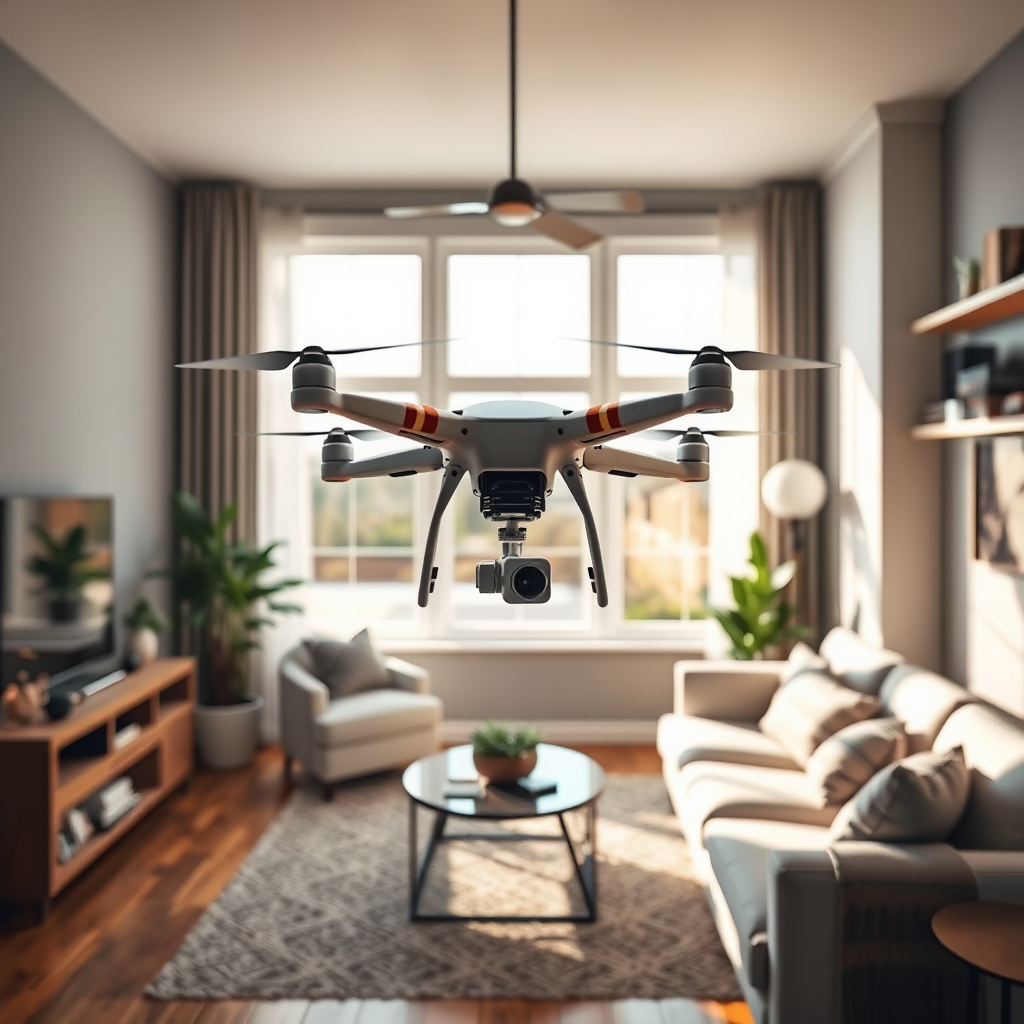
Yes, a drone can fly over your house, but there are regulations and considerations to keep in mind. In this article, we’ll explore the legal aspects, privacy concerns, and safety guidelines regarding drone operations near residential areas. With the rapid rise of drone technology, it has become increasingly important for homeowners to understand their rights and the responsibilities of drone operators.
Understanding Drone Regulations
Drones must comply with Federal Aviation Administration (FAA) regulations, which govern the operation of unmanned aerial vehicles (UAVs) across the United States. According to the FAA, recreational drone users must adhere to the Part 107 regulations, which include flying below 400 feet, keeping the drone within visual line-of-sight, and avoiding flying over people without proper waivers. Additionally, commercial drone operators must obtain a Remote Pilot Certificate and adhere to stricter guidelines.
However, local laws may impose additional restrictions on where drones can fly. Many municipalities have enacted ordinances that prohibit drone flights in certain areas, such as parks, school zones, or within specific proximity to private properties. It’s crucial for both drone pilots and homeowners to familiarize themselves with local regulations, as these can vary significantly from one jurisdiction to another. Checking with local authorities or municipal websites can provide clarity on specific restrictions that may apply in your area.
Privacy Concerns
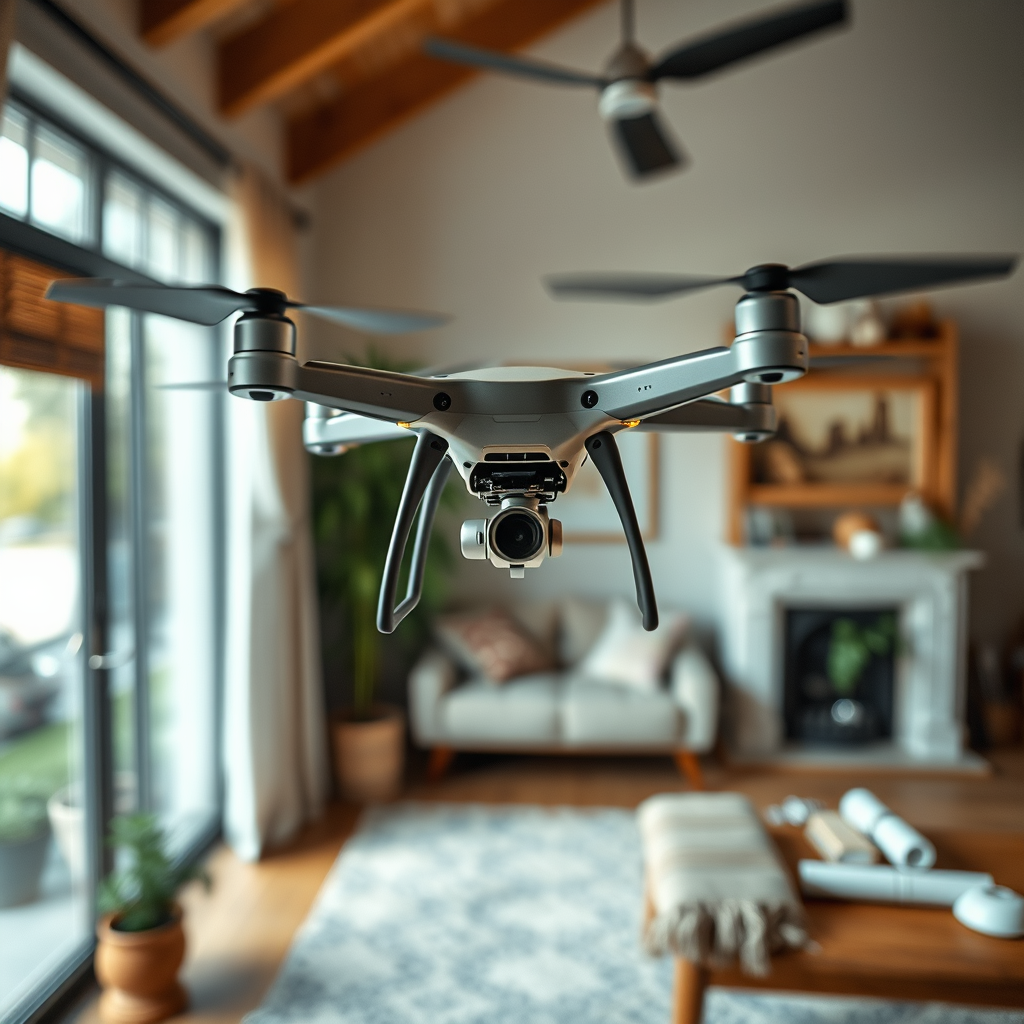
Homeowners may feel their privacy is invaded by drones flying overhead. The presence of a drone can evoke concerns about surveillance, especially if the drone is equipped with high-resolution cameras capable of capturing detailed images of private property. In many jurisdictions, the legality of capturing images or video from a drone without the homeowner’s consent can be murky. Generally, individuals have a reasonable expectation of privacy in their own homes, but this expectation can vary based on proximity and visibility.
Understanding your rights and local privacy laws can help mitigate concerns. For instance, some states have enacted laws specifically addressing drone surveillance and privacy, making it illegal to use drones to capture images or video of individuals without their consent. Homeowners can also consider engaging with local representatives to advocate for stronger privacy protections related to drone usage. Open communication about potential privacy issues can help foster a community that respects personal boundaries.
Safety Guidelines for Drone Pilots
Drones should maintain a safe distance from people and structures to ensure safety during flight operations. The FAA recommends that drone operators avoid flying within 25 feet of individuals not involved in the operation. This safety margin is essential to prevent accidents and injuries, particularly in residential areas where children and pets may be present. Additionally, operators must be vigilant about weather conditions, as strong winds and poor visibility can compromise flight safety.
Moreover, operators must be aware of no-fly zones, especially near airports. The FAA designates specific areas around airports as restricted airspace to prevent potential collisions with manned aircraft. Drones flying in these zones are subject to stringent regulations and may require special permissions to operate. Familiarizing oneself with tools like the FAA’s B4UFLY app can help drone pilots identify and avoid restricted areas, ensuring compliance with safety guidelines.
Purpose of Drone Flights
Drones are used for various purposes, including photography, surveying, and monitoring. For instance, real estate professionals often utilize drones to capture aerial images of properties, providing prospective buyers with a unique view of the landscape. Similarly, agricultural specialists employ drones to assess crop health and monitor land conditions, which can significantly enhance productivity and resource management.
Different uses may have different regulatory requirements. Commercial drone operations, such as those conducted in the real estate or agriculture sectors, typically require a Remote Pilot Certificate and adherence to FAA regulations. Conversely, recreational drone users may face fewer restrictions, but they should still operate within established guidelines to ensure safety and compliance. Understanding the specific requirements associated with various drone applications can help both operators and homeowners navigate the complexities of drone use.
How to Report Violations
If you suspect illegal drone activity, there are steps you can take to report it. The first course of action is to contact local law enforcement or your municipality’s code enforcement office. Providing details such as the location, time of the incident, and any identifiable information about the drone can aid authorities in investigating the situation.
Additionally, the FAA has a dedicated reporting mechanism for unauthorized drone operations. Homeowners can file a report with the FAA if they believe a drone is being operated recklessly or in violation of regulations. Engaging with local law enforcement can help raise awareness about drone regulations in your community, encouraging a more responsible and informed approach to drone usage.
Best Practices for Homeowners
Homeowners can take proactive measures to protect their privacy and ensure a comfortable living environment. Installing privacy screens, tall fences, or dense landscaping can create visual barriers that deter unwanted drone surveillance. These physical barriers not only serve to enhance privacy but also contribute to the overall aesthetic of the property.
Engaging with local drone communities may foster better understanding and communication about drone operations in residential areas. By participating in local meetings or forums, homeowners can express their concerns and advocate for regulations that prioritize community safety and privacy. Building relationships with responsible drone operators can also help establish a culture of respect for personal space and property rights.
In conclusion, while drones are permitted to fly over your house under specific regulations, understanding the legalities and addressing privacy concerns is essential. Homeowners should stay informed about local laws and advocate for their rights while drone operators must uphold safety and privacy guidelines to ensure responsible usage. By fostering communication and understanding between all parties involved, it is possible to achieve a harmonious coexistence with drone technology.
Frequently Asked Questions
Can a drone legally fly over my house?
Yes, drones can legally fly over private property, including your house, as long as the operator complies with local laws and regulations. In the United States, the Federal Aviation Administration (FAA) allows drones to fly up to 400 feet in controlled airspace. However, certain states and municipalities may have specific laws that restrict drone flights over private property, so it’s essential to check local regulations and respect the privacy of residents.
How can I prevent drones from flying over my property?
While you cannot completely prevent drones from flying over your property, there are steps you can take to minimize their presence. Installing privacy screens or tall fencing can provide some visual barriers. Additionally, you can engage with local lawmakers to advocate for drone regulations in your area, which may include restrictions on flying over residential properties. Educating your neighbors about your concerns may also foster community action.
Why do drones fly over residential areas?
Drones often fly over residential areas for various reasons, including aerial photography, real estate inspections, surveillance, or even recreational purposes. Many drone operators are commercial users conducting property surveys or mapping, while hobbyists may be capturing scenic views. Understanding the motivations behind these flights can help homeowners address their concerns more effectively.
What should I do if a drone is hovering over my house?
If a drone is hovering over your house and you feel uncomfortable or threatened, the first step is to identify the operator. If you can see the drone, look for a pilot nearby. If it’s safe to do so, approach them and express your concerns. If the drone is being operated in violation of local laws or creating a nuisance, you can report it to local law enforcement or the FAA for further investigation.
Which regulations govern drone flights over private property?
Drone operations over private property are primarily governed by federal regulations set by the FAA, which include rules on airspace usage and registration requirements for recreational and commercial drones. Additionally, many states and local governments have enacted specific laws addressing drone use, including privacy laws and no-fly zones. Familiarizing yourself with these regulations can help you understand both your rights and the rights of drone operators.
References
- https://en.wikipedia.org/wiki/Drone_regulations_in_the_United_States
- https://www.faa.gov/uas/
- https://www.nolo.com/legal-encyclopedia/drone-laws-your-rights-30369.html
- https://www.aclu.org/issues/free-speech/technology-and-liberty/drone-surveillance
- https://www.theverge.com/2019/5/20/18634884/drone-laws-privacy-rights-regulations-usa
- https://www.nytimes.com/2020/01/03/us/drone-privacy-laws.html
- https://www.bbc.com/news/technology-51104473
