
Yes, some drones can lift a person, but there are significant limitations and safety concerns involved. The technology has advanced to allow certain heavy-lift drones to support human weight, but practical applications are still in the development stages. As urban air mobility continues to evolve, the concept of drones transporting individuals is becoming increasingly feasible, yet it raises important questions regarding safety, regulation, and technology.
Understanding Drone Weight Capacity
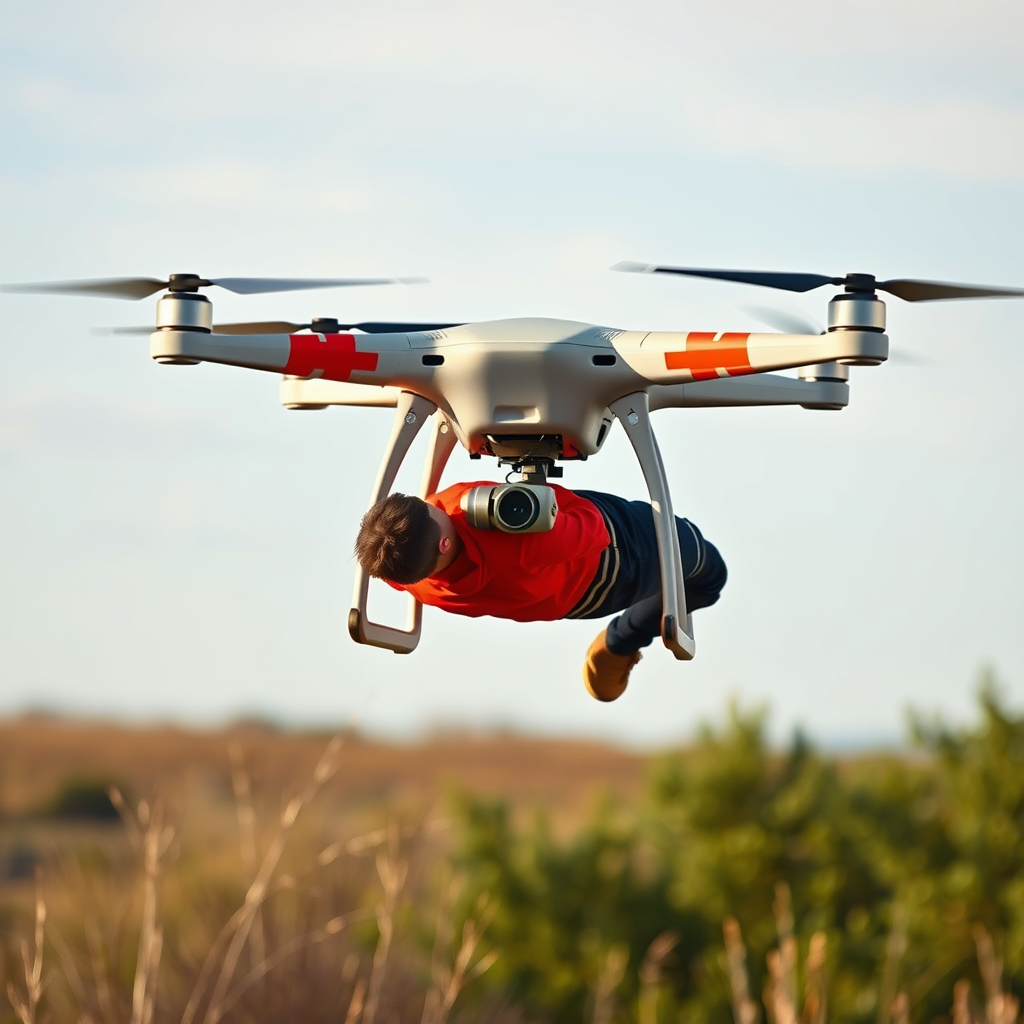
Drones are engineered with specific weight limits that are determined by their size, motor strength, and design. Most consumer drones, commonly used for photography or recreational flying, can typically lift only a few kilograms—generally between 0.5 to 2.5 kg. However, the emergence of heavy-lift drones has changed the landscape. These specialized models, often equipped with multiple rotors and high-performance motors, can handle weights exceeding 200 kg, thus making them suitable for carrying larger payloads, including human passengers.
For instance, companies like DJI have developed models designed for industrial applications, capable of lifting substantial weights for purposes such as surveillance or delivery. The transition from lifting goods to lifting people involves not only increasing weight capacity but also ensuring that the drone remains stable and controllable under the additional weight.
Types of Drones Capable of Lifting People
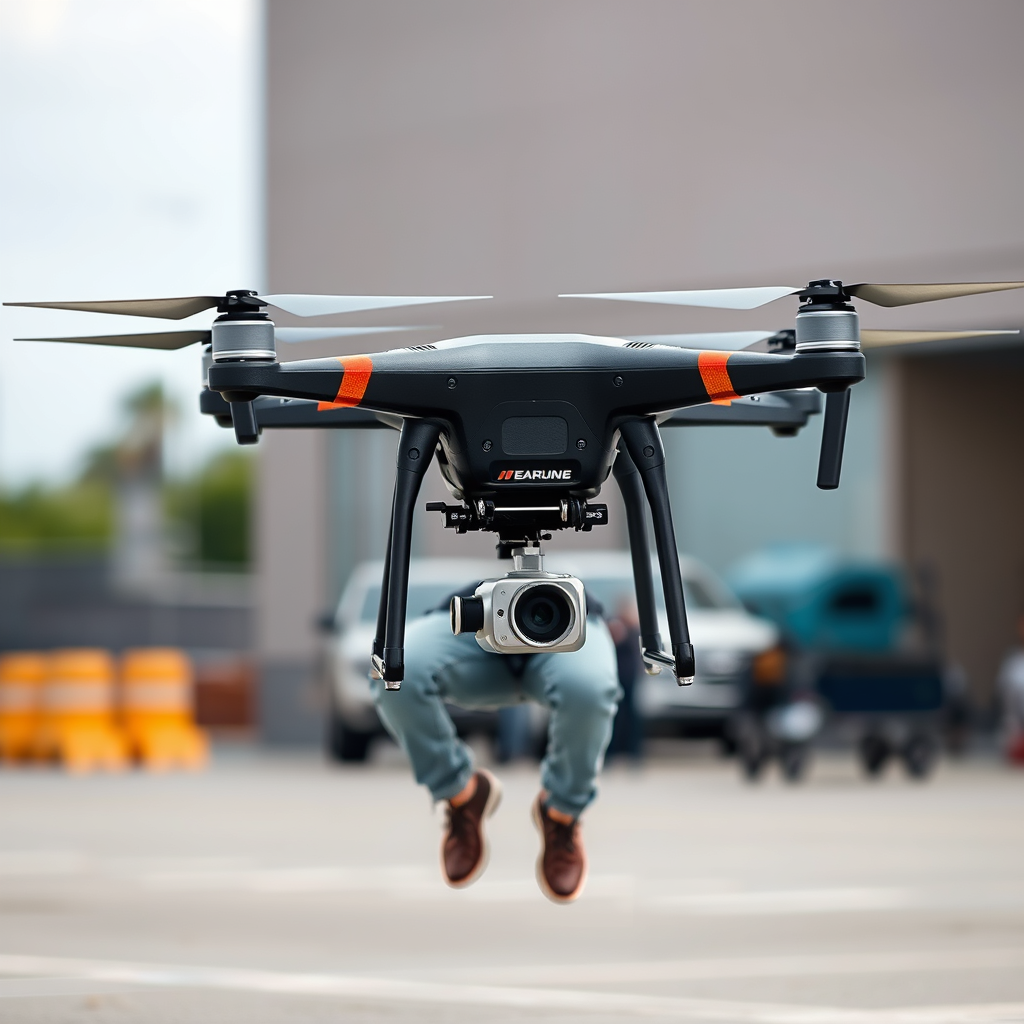
As interest in aerial transportation grows, various types of passenger drones are being developed, often referred to as eVTOL (electric Vertical Take-Off and Landing) aircraft or aerial taxis. These drones are designed specifically for carrying humans and are equipped with enhanced safety features and redundancy systems. Companies such as Joby Aviation, Volocopter, and Lilium are at the forefront of this innovation, creating prototypes that have been tested successfully in controlled environments.
For example, Volocopter’s VoloCity, an air taxi designed for urban transport, has undergone rigorous testing, lifting test subjects in controlled flight scenarios. This model features multiple rotors, which provide stability and redundancy, crucial for safe passenger transportation. Although these prototypes have demonstrated the capability to lift people, they are still undergoing extensive testing to ensure their reliability and safety before they can be fully operational in public spaces.
Safety Regulations and Standards
Current aviation regulations impose strict limitations on the use of drones for transporting people. In many countries, including the United States and those within the European Union, the aviation authorities have not yet established comprehensive regulations governing the commercial use of passenger drones. This regulatory landscape is crucial, as it helps to ensure that any drone capable of lifting individuals adheres to stringent safety standards.
To facilitate the safe integration of drones into air traffic systems, regulatory bodies like the Federal Aviation Administration (FAA) in the U.S. and the European Union Aviation Safety Agency (EASA) are actively working on developing safety protocols. These protocols focus on pilot training, airworthiness standards, and emergency procedures, all of which are essential to mitigate risks associated with human transport. Until these regulations are fully implemented, widespread use of passenger drones will remain limited.
Technological Challenges
While the prospect of drones lifting people is exciting, several technological challenges must be addressed. One of the most significant hurdles is battery life and energy efficiency. Current battery technology limits the flight time of drones, making it difficult for them to sustain longer journeys or operate in congested urban environments. For instance, most electric drones have a flight time of approximately 30 to 60 minutes, which is insufficient for many urban commutes.
Moreover, the control systems of these drones must be exceptionally precise to ensure stable flight when carrying additional weight. This includes advanced navigation systems that can respond to changes in flight dynamics quickly and effectively. The integration of artificial intelligence (AI) and machine learning into drone technology may provide solutions for better flight control and enhanced safety measures. As technology progresses, addressing these challenges will be pivotal in paving the way for practical human transport by drones.
Current Developments in Personal Air Transportation
Leading companies in the personal air transport sector are making significant strides toward making aerial taxis a reality. Joby Aviation, for instance, has developed an electric aircraft designed to operate in urban environments, targeting a range of applications from ride-sharing to emergency medical transport. Their aircraft is designed to be quiet, efficient, and capable of vertical take-off and landing, making it an ideal candidate for urban operations.
Volocopter is another key player, with its VoloCity air taxi undergoing testing in cities like Singapore and Paris. These tests aim to evaluate not only the technology itself but also the public response and the feasibility of integrating such services into existing transportation frameworks. As these companies move forward, they are also collaborating with regulatory bodies to ensure compliance with safety and operational standards, which is crucial for gaining public trust and acceptance.
Future Prospects for Drones Lifting People
The future of drones lifting people is promising but contingent upon several factors. Technological advancements in battery life, flight control, and safety systems will be essential for the widespread adoption of passenger drones. Additionally, regulatory changes will play a crucial role in determining when and how these drones can operate in public airspace.
Public acceptance and affordability are equally important. As the technology matures and becomes more reliable, the cost of air travel via drones is expected to decrease, making it accessible to a broader audience. With the ongoing developments in urban air mobility, it is plausible that we will see passenger drones becoming a common mode of transport within the next decade. However, their success will largely depend on the collaborative efforts between technology developers, regulatory agencies, and the public.
In conclusion, while drones can lift a person, practical applications remain limited and heavily regulated. As technology evolves, we may see more opportunities for personal air travel in the future. The advancements in drone technology, coupled with regulatory frameworks, will ultimately determine how quickly and safely we can integrate drones into our transportation systems. Staying informed about these developments will allow you to understand the potential impact of drones on personal air travel and urban mobility.
Frequently Asked Questions
Can a drone lift a person safely?
While there are specialized drones designed for heavy lifting, such as those used in search and rescue operations, lifting a person safely is complex and involves significant risks. These drones typically have powerful motors and robust designs, but safety regulations, weight limits, and the need for skilled operation make personal drone flights challenging and heavily regulated. As of now, personal drones capable of lifting individuals are not commercially available for widespread use.
What are the legal regulations regarding drones lifting people?
Legal regulations for drones lifting people vary by country and region, but generally, they are subject to strict aviation laws. In the United States, for example, the FAA requires special certifications and permits for any drone operation that involves carrying a person. It is crucial to consult local aviation authorities to understand the specific rules, as violations can lead to hefty fines and legal issues.
How much weight can a typical consumer drone lift?
Most consumer drones are designed to carry payloads between 0.5 to 5 kilograms (1 to 11 pounds), depending on their size and motor strength. This payload capacity includes not just the drone’s camera or equipment but also any additional weight. For aerial photography or small object delivery, this range is usually sufficient, but it’s important to check the specifications of the specific drone model for accurate lifting capabilities.
Why are there no commercially available drones for transporting people?
The absence of commercially available drones for transporting people is primarily due to safety concerns and technological limitations. Current drone designs face challenges in stability, battery life, and safety redundancy systems necessary for human transport. Additionally, regulatory hurdles and the need for infrastructure to support safe drone flight paths and landings further complicate the development of passenger-carrying drones.
Which companies are developing drones capable of carrying passengers?
Several companies are at the forefront of developing passenger-carrying drones, including Volocopter, EHang, and Kitty Hawk. These companies are working on eVTOL (electric Vertical Take-Off and Landing) aircraft designed for urban air mobility. While these drones are still in the prototype or testing phases, they aim to address the future needs of aerial transportation, focusing on safety, efficiency, and environmental impact.
References
- https://en.wikipedia.org/wiki/Drone
- https://www.nytimes.com/2021/06/01/technology/drone-delivery.html
- https://www.sciencedirect.com/science/article/pii/S2405452621000424
- https://www.nasa.gov/feature/nasa-begins-drone-delivery-research
- https://www.bbc.com/news/technology-56805901
- https://www.theguardian.com/us-news/2021/may/03/drone-rider-texas-aviation-accident
- https://www.faa.gov/newsroom/recreational-drone-flyers
- https://www.technologyreview.com/2020/01/29/844700/drones-transport-people-technology/
