
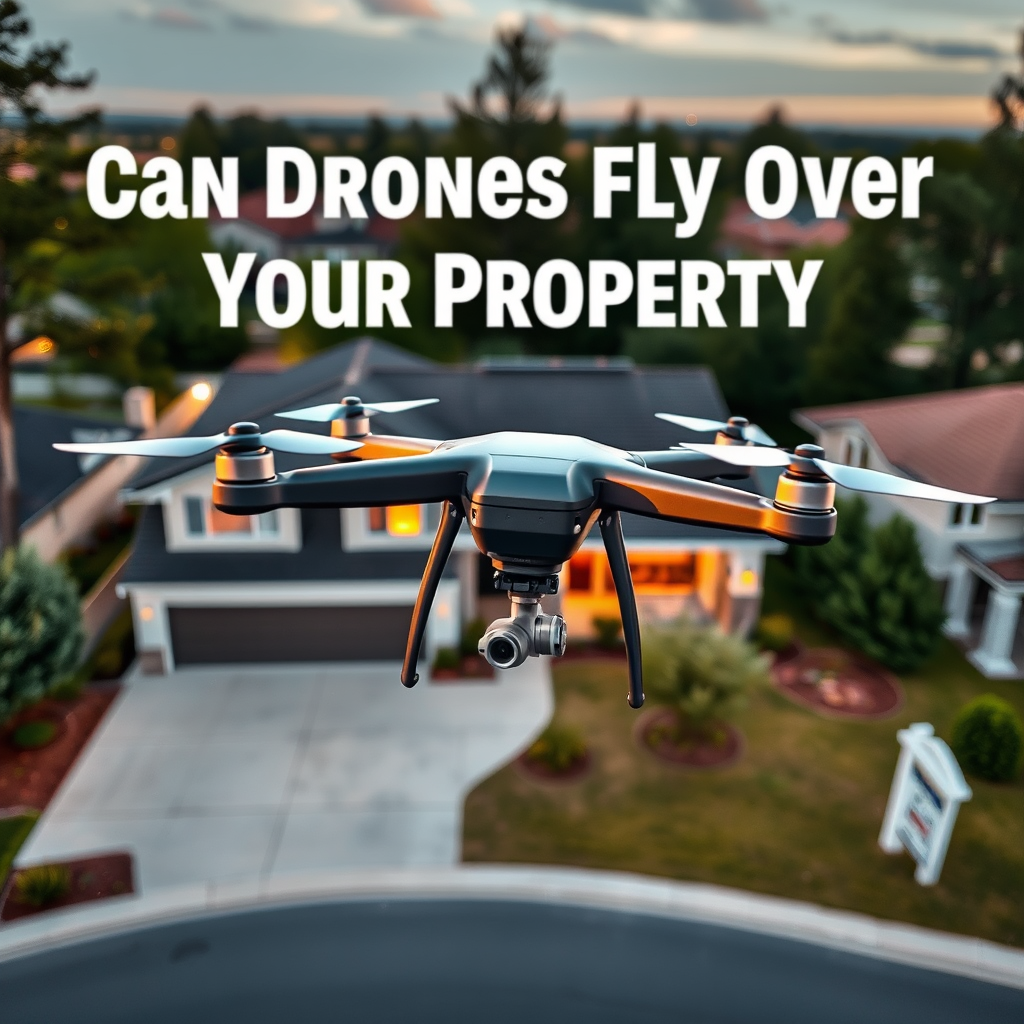
Drones can fly over your property, but there are specific regulations and considerations you need to be aware of. Understanding the legal landscape and your rights as a property owner is essential to navigating this growing technology, particularly as drone usage becomes more prevalent in various sectors, from photography to deliveries. This article will delve into the relevant regulations, privacy concerns, local laws, and what actions you can take if drones fly over your property.
Understanding Drone Regulations
Drones are regulated by the Federal Aviation Administration (FAA) in the U.S., which establishes the rules for their operation to ensure safety in the national airspace. The FAA has set forth specific guidelines that drone operators must adhere to, such as maintaining a maximum altitude of 400 feet, avoiding manned aircraft, and steering clear of no-fly zones, which include areas around airports, military installations, and certain sensitive locations.
To legally operate a drone for commercial purposes, individuals must obtain a Remote Pilot Certificate, which involves passing a knowledge test and demonstrating an understanding of airspace regulations. Recreational users must also comply with the FAA’s guidelines, which include flying within visual line of sight and avoiding flights over people. Furthermore, drone operators must always respect the privacy rights of individuals, ensuring that their flights and any data collected do not infringe on someone’s reasonable expectation of privacy.
Property Rights and Airspace
The issue of property rights and airspace is complex. Generally, property owners own the airspace above their land up to a certain height, often interpreted as the lower limit of navigable airspace. However, the FAA asserts jurisdiction over navigable airspace, which typically begins at 500 feet above ground level. This means that drone operators can legally fly over properties at altitudes above this threshold without needing permission from the property owner.
However, this does not mean that property owners are entirely powerless. In certain cases, if a drone operates at a low altitude, it may be considered a trespass if it intrudes upon the owner’s airspace in a manner that disrupts their use and enjoyment of their property. Legal cases surrounding this issue are still developing, and the outcomes can vary, making it essential for property owners to stay informed about their rights.
Privacy Concerns
The rise of drones equipped with high-resolution cameras has sparked significant privacy concerns among homeowners. These drones can capture images and video footage of private properties, leading to potential invasions of privacy. While the FAA does not regulate privacy specifically, various state laws address issues related to surveillance and privacy rights.
Many states have enacted legislation that prohibits the use of drones for invasive surveillance without consent. For instance, California has strict laws against using drones to invade someone’s privacy, and similar laws can be found in other jurisdictions. Property owners concerned about privacy should familiarize themselves with their state’s specific laws regarding drone surveillance to understand their rights better. Additionally, homeowners can take proactive measures, such as installing privacy fences or using landscaping to minimize visibility, which can help mitigate concerns regarding drone surveillance.
Local Laws and Ordinances
In addition to federal regulations, individual municipalities and states may have their own specific laws governing drone flights. These local ordinances can impose restrictions on where drones can be flown, the times of day they can operate, and specific use cases, especially in residential areas. For example, some cities have enacted regulations that prohibit drone flights in public parks or near schools.
It is vital for drone operators and property owners alike to check local regulations before flying a drone or raising concerns about drone flights. Ignoring local laws can lead to fines or legal disputes, making it essential to be aware of the legal landscape in your area. Websites like the FAA’s UAS Data Delivery System and local government pages can provide valuable resources for staying informed about regulations affecting drone operations.
Responsibilities of Drone Operators
Drone operators carry a significant responsibility to ensure their flights are conducted safely and legally. In addition to obtaining the necessary licenses and adhering to the FAA’s guidelines, operators must respect the privacy of individuals and property boundaries. For instance, operators should avoid flying over private properties without the owner’s consent, especially when equipped with cameras.
Furthermore, drone operators should familiarize themselves with the community’s norms and expectations regarding drone use. This can include flying at appropriate times, avoiding noisy operations during late hours, and remaining respectful of personal space. By being considerate and responsible, drone operators can foster positive relationships with the communities in which they operate, thereby reducing potential conflicts.
Notifying Neighbors
While there is no legal requirement to notify neighbors about drone activities, doing so can foster good community relations and promote transparency. Informing neighbors about planned drone flights can help alleviate concerns regarding privacy and safety. For instance, if a drone is being used for a specific purpose, such as aerial photography for a special event, giving neighbors a heads-up can prevent misunderstandings or unnecessary alarm.
Moreover, open communication can provide an opportunity for neighbors to express any concerns they may have, allowing drone operators to address them proactively. Developing a culture of transparency can lead to a more harmonious living environment, where the use of technology like drones is accepted and respected.
What to Do If Drones Fly Over Your Property
If you find that drones are frequently flying over your property and causing disturbances or privacy invasions, there are several steps you can take. First, document any incidents, including dates, times, and descriptions of the drone’s activities. This documentation can serve as evidence if you decide to escalate the matter.
Consider reaching out to the drone operator if you can identify them, as a direct conversation may resolve any concerns amicably. If the issue persists, or if you believe your privacy rights are being violated, seeking legal advice may be necessary. An attorney with expertise in property rights or aviation law can provide guidance on the best course of action based on your specific situation and local laws.
In conclusion, while drones can legally fly over your property under certain conditions, it’s crucial to be informed about regulations, privacy rights, and local laws. Understanding the responsibilities of drone operators and fostering communication with neighbors can help mitigate potential conflicts. If you have concerns or encounter issues, don’t hesitate to reach out to local authorities or legal experts to ensure your rights are protected and to navigate this evolving landscape of aerial technology effectively.
Frequently Asked Questions
Can drones fly over my property without permission?
Yes, in many cases, drones can legally fly over private property without the owner’s consent, as long as they are at a safe altitude and comply with Federal Aviation Administration (FAA) regulations. However, local laws may differ, and some jurisdictions impose restrictions on drone flights, especially concerning privacy concerns. It is advisable to check state and local regulations to ensure compliance.
What are my rights as a property owner regarding drone flights?
As a property owner, you have certain rights concerning drone flights over your property, primarily related to privacy and nuisance laws. While you cannot legally prevent a drone from flying over your land at a legal altitude, you can take action if the drone is invading your privacy, such as capturing images or recordings without consent. Knowing these rights can help you address any unwanted drone activity effectively.
How can I report a drone flying over my property?
If you observe a drone flying over your property that you believe is violating privacy laws or local ordinances, you can report it to your local law enforcement agency or the FAA. Gather as much information as possible, including the drone’s description, the operator’s location, and any evidence of the drone’s activity. This documentation can help authorities handle the situation more effectively.
What should I do if I feel threatened by a drone flying over my property?
If you feel threatened by a drone flying over your property, the first step is to remain calm and assess the situation. Document the drone’s behavior, noting its flight patterns and any identifiable features. If you believe it is a violation of your privacy or poses a security risk, contact local law enforcement to discuss your concerns. They can provide guidance and may take action if necessary.
Which laws regulate drone flights over private property?
Drone flights over private property are primarily regulated by the FAA, which sets guidelines for airspace usage. In addition, individual states have enacted their own laws addressing drone use, especially regarding privacy issues and trespassing. Familiarizing yourself with both federal and state regulations is critical to understanding the legal landscape surrounding drone flights over your property.
References
- https://en.wikipedia.org/wiki/Drone_regulation_in_the_United_States
- https://www.faa.gov/uas/getting_started/
- https://www.nolo.com/legal-encyclopedia/drone-law-your-rights-what-you-need-know-29743.html
- https://www.theguardian.com/us-news/2021/jun/16/drone-regulations-private-property-rights
- https://www.aclu.org/news/privacy-technology/the-privacy-implications-of-drones
- https://www.nytimes.com/2020/07/02/us/drones-privacy-property.html
- https://www.technologynetworks.com/tn/articles/the-future-of-drones-and-property-rights-335847
- https://www.ncsl.org/research/transportation/unmanned-aircraft-systems.aspx
