
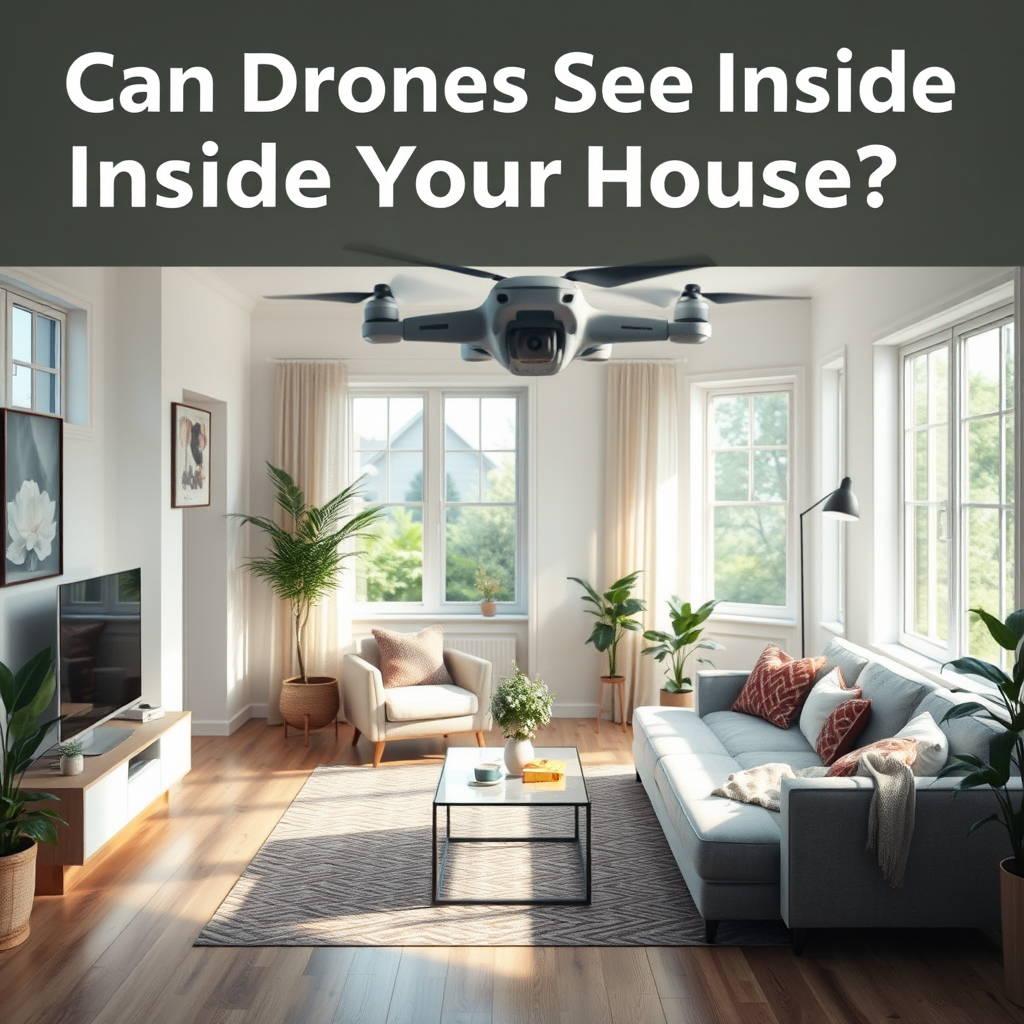
Drones generally cannot see inside your house due to privacy regulations and technology limitations. However, certain types of drones equipped with advanced sensors and high-resolution cameras may capture images or video from a distance, though they are typically restricted by laws governing aerial surveillance. Understanding the interplay between drone technology, privacy laws, and public perception can provide clarity on this increasingly relevant topic.
Understanding Drone Technology
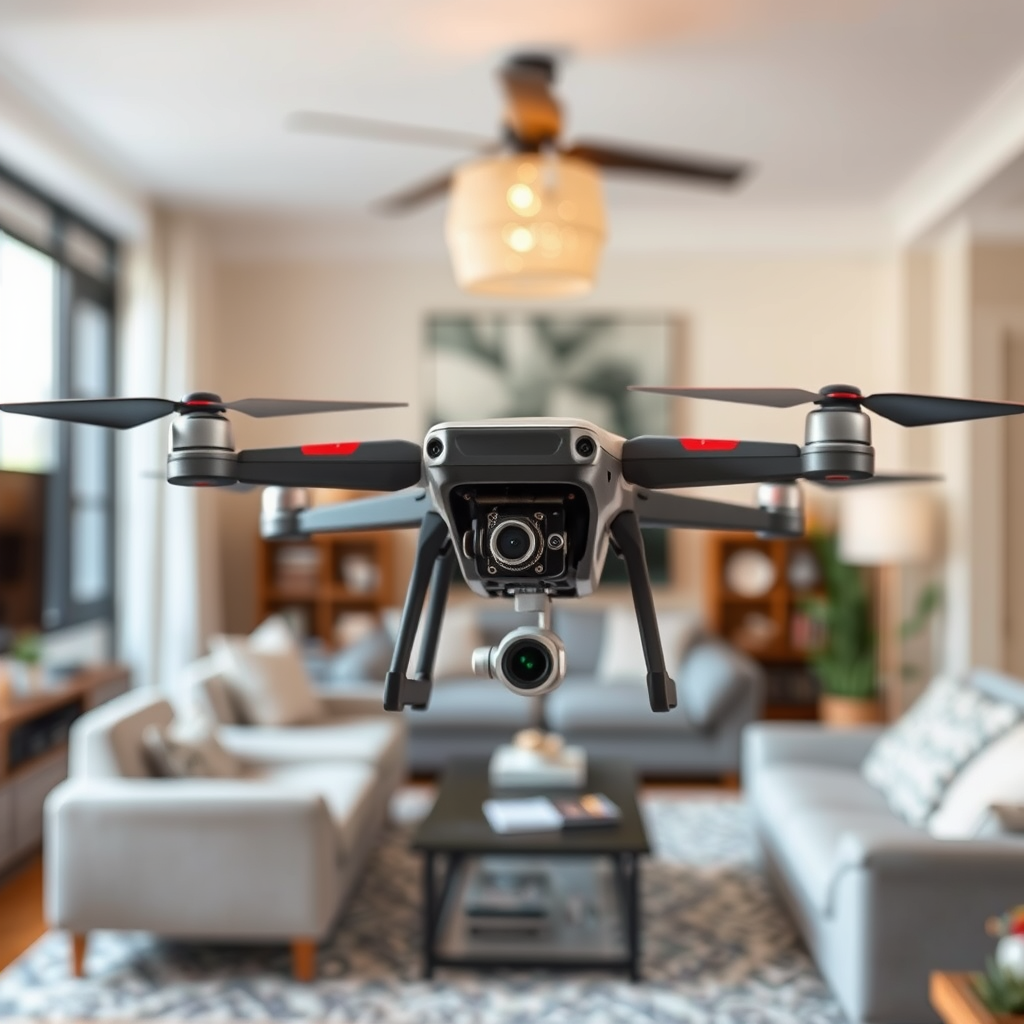
Drones, also known as unmanned aerial vehicles (UAVs), are equipped with a variety of cameras that serve different purposes, including standard optical cameras and thermal imaging systems. Standard cameras can capture high-resolution images and videos, while thermal cameras detect heat signatures, making them useful for search-and-rescue operations, building inspections, and wildlife monitoring. The quality of images captured by a drone largely depends on the resolution and capabilities of its camera. For instance, consumer drones often come with 4K cameras, which can provide clear images from a distance, but they do not offer the same level of detail as professional-grade cameras found in commercial drones.
The technological capabilities of drones have improved significantly over the years, allowing them to achieve greater altitudes and longer flight times. However, these advancements are still limited by physical constraints such as distance and angle. Drones typically require a clear line of sight to capture detailed imagery, and obstacles such as trees, buildings, and other structures can obstruct their view. As a result, while drones can gather impressive aerial footage, the intricate details of a home’s interior often remain out of reach, particularly when windows and doors are closed.
Privacy Regulations and Laws
Privacy regulations play a crucial role in determining what drones can and cannot do regarding aerial surveillance. Many countries have established strict laws that prohibit drones from invading personal privacy, particularly in residential areas. For example, in the United States, the Federal Aviation Administration (FAA) regulates drone operations, while various states and local governments have implemented laws to specifically address privacy concerns. These regulations often define no-fly zones around residential properties, schools, and other sensitive locations, ensuring that drone operators respect individual privacy rights.
Additionally, some jurisdictions require drone operators to obtain permits or licenses before conducting aerial surveillance. These laws are designed to deter unauthorized drone use and protect citizens from potential violations of their privacy. In the European Union, the General Data Protection Regulation (GDPR) imposes further restrictions on the collection and processing of personal data, including images captured by drones. As drone technology continues to evolve, ongoing discussions about privacy regulations are essential to striking a balance between innovation and individual rights.
Types of Drones and Their Capabilities
The market for drones is diverse, with various types designed for different purposes. Consumer drones, often favored by hobbyists, are typically designed for recreational use and have limited range, flight time, and camera quality. These drones can capture aerial photos and videos but generally do not possess the sophisticated capabilities required for detailed surveillance.
On the other hand, professional drones are used for applications such as real estate photography, surveying, and agricultural monitoring. These drones are equipped with advanced sensors and high-resolution cameras, allowing them to capture detailed images from greater distances. However, even professional drones are subject to privacy laws, meaning that operators must adhere to regulations when flying over residential areas. For instance, a real estate agent using a drone to capture images of a property must ensure that they do not inadvertently invade the privacy of neighboring homes or individuals.
Emerging technologies, such as artificial intelligence and machine learning, are also beginning to play a role in drone capabilities. These technologies can enhance image processing, enabling drones to analyze data in real-time and identify specific features within the captured images. However, with these advancements come heightened concerns regarding privacy and surveillance, necessitating ongoing dialogue around the ethical use of drone technology.
Situations When Drones Might Capture Inside Views
While drones generally cannot see inside a house, there are specific scenarios where they might inadvertently capture glimpses of interior spaces. For example, if windows are open or if curtains are drawn back, a drone flying at a close distance may be able to capture images of the interior. Additionally, certain aerial photography techniques, such as using a drone to take images directly above a home, can sometimes result in unintended views of interior spaces.
Moreover, drones equipped with thermal imaging capabilities can detect heat sources, which may allow them to identify activities occurring within a home. This type of technology is often used in search-and-rescue missions or for detecting energy inefficiencies in buildings. However, the use of thermal imaging raises significant privacy concerns, as it may allow operators to ascertain information about individuals’ activities inside their homes without consent.
It is essential to recognize that while these scenarios may exist, they are often unintentional and subject to legal scrutiny. Drone operators who violate privacy laws can face severe penalties, reinforcing the importance of adhering to regulations designed to protect individual privacy.
Public Perception and Concerns
Public perception of drones often revolves around concerns regarding privacy violations and unauthorized surveillance. Many individuals are apprehensive about the possibility of being watched or recorded without their knowledge, leading to a growing demand for transparent regulations governing drone use. This anxiety is compounded by media portrayals of drones as invasive tools that could compromise personal privacy.
To alleviate these fears, it is vital to educate the public about the capabilities and limitations of drone technology. Understanding that drones are bound by strict regulations can help mitigate concerns. Community outreach initiatives, such as local workshops or informational sessions, can provide insights into how drones operate and the measures in place to protect privacy.
Additionally, the drone industry can play a crucial role in fostering trust by promoting ethical practices among operators. Implementing best practices for responsible drone use, such as obtaining permission before flying over private property and respecting no-fly zones, can contribute to a more positive public perception of drone technology.
The Future of Drone Technology
The future of drone technology holds great promise, with ongoing advancements leading to better imaging systems and enhanced capabilities. However, these innovations also raise new privacy concerns that society must address. As drones become more prevalent in various industries, the potential for misuse or unauthorized surveillance increases.
Legislation will play a critical role in shaping how drones are used in residential areas. Policymakers must consider the implications of emerging technologies, such as AI and thermal imaging, and establish regulations that balance innovation with privacy protections. Collaborations between lawmakers, technology developers, and the public can lead to comprehensive frameworks that address privacy concerns while fostering the growth of the drone industry.
As drone technology continues to evolve, public discourse surrounding its use will remain essential. Engaging stakeholders from various sectors, including privacy advocates, industry leaders, and community members, can create a more informed dialogue about responsible drone use and the importance of safeguarding personal privacy.
In summary, while drones are generally unable to see inside your house due to technology limitations and privacy laws, specific scenarios may allow for unintended glimpses of interiors. Understanding the rules governing drone operations, as well as the technology itself, can help individuals protect their privacy while navigating this rapidly advancing field. Staying informed about drone regulations and engaging in public discourse will be crucial in shaping the future of drone technology in residential areas.
Frequently Asked Questions
Can drones see inside my house?
Drones are typically equipped with cameras that can capture images and video from the air, but most consumer drones are not capable of seeing inside your house unless they are very close to the windows. Even then, the quality of the image can be affected by factors such as window tinting or reflections. In general, privacy laws and regulations restrict drone operators from invading personal privacy, making it illegal for them to intentionally capture footage inside private residences.
How can I prevent drones from flying over my property?
To prevent drones from flying over your property, you can take several measures. First, familiarize yourself with local drone regulations and laws that may restrict flying in residential areas. Installing privacy barriers, such as tall fences or dense vegetation, can also deter drones. Additionally, you can use drone detection technology available in the market, which alerts you when a drone is nearby.
Why are people worried about drones seeing into their homes?
Concerns about drones seeing into homes stem from the potential invasion of privacy and security risks they pose. With the increasing use of drones for surveillance, many individuals fear that their personal activities could be monitored without consent. This issue raises ethical questions about surveillance technology and highlights the need for clearer regulations to protect citizens’ privacy rights.
What should I do if I spot a drone hovering near my house?
If you spot a drone hovering near your house, it’s essential to stay calm and assess the situation. First, observe whether the drone is being operated by a licensed pilot, as recreational drone use is common. If you believe the drone is invading your privacy or acting suspiciously, you can document the incident with photos or videos and report it to local authorities or law enforcement for further investigation.
Which drones are capable of capturing high-resolution images of homes?
Many high-end drones are equipped with advanced cameras capable of capturing high-resolution images and videos, such as the DJI Phantom 4 Pro and the Mavic Air 2. These drones offer features like 4K video recording and high megapixel counts, making them popular among photographers and videographers. However, it’s crucial to use these drones responsibly and in compliance with local laws to avoid infringing on others’ privacy.
References
- https://en.wikipedia.org/wiki/Drone
- https://www.bbc.com/news/technology-57928662
- https://www.nytimes.com/2021/06/13/business/drones-privacy.html
- https://www.aclu.org/news/privacy-technology/your-privacy-and-drones
- https://www.faa.gov/uas/
- https://www.ncbi.nlm.nih.gov/pmc/articles/PMC7234790/
- https://www.reuters.com/technology/drones-privacy-concerns-rise-as-use-increases-2021-06-17/
- https://www.nap.edu/catalog/23509/drones-and-the-future-of-aerial-robotics
- https://www.sciencedirect.com/science/article/pii/S0140988320301013
