
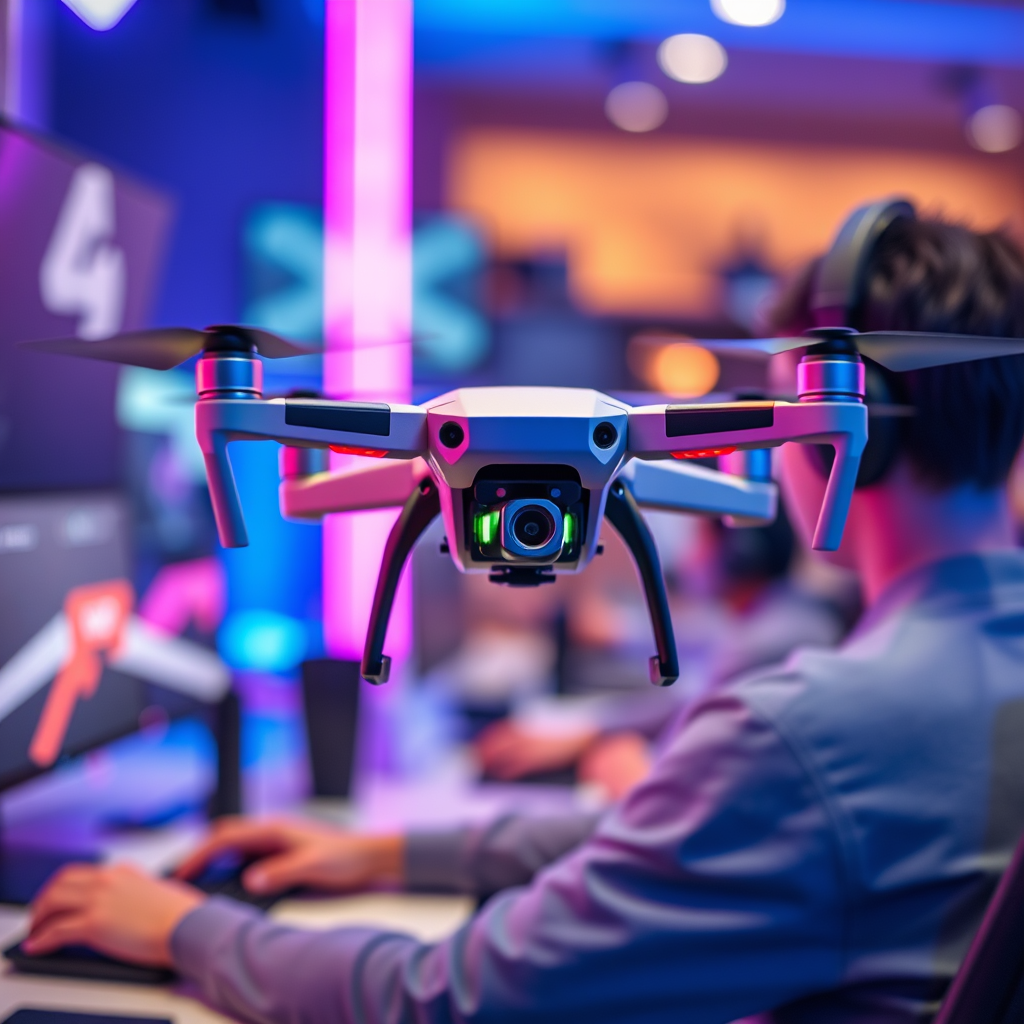
Yes, you can fly a DJI drone without a controller by using your smartphone or tablet through the DJI app. This method enables you to operate the drone effectively, albeit with limitations regarding range and functionality. While flying without a physical remote might seem convenient, it’s crucial to understand the constraints and safety considerations that accompany this approach. In this article, we will explore various facets of flying a DJI drone without a controller, including control options, the use of the DJI app, limitations, safety precautions, troubleshooting tips, and alternative control methods.
Understanding DJI Drone Control Options

DJI drones are designed with versatility in mind, typically relying on a dedicated remote controller to unlock their full potential. The remote controller allows for precise control, long-range flying, and access to advanced features such as obstacle avoidance and intelligent flight modes. However, for users who may not have a controller handy or prefer a more casual flying experience, alternative control methods are available.
Besides the traditional remote controller, many DJI drones support smartphone apps that allow users to control their drones via a Wi-Fi connection. Some models also feature gesture control, enabling users to command the drone using hand signals for specific maneuvers. However, it is essential to recognize that while these alternatives can be convenient, they may not provide the same level of control or reliability as a dedicated remote.
Using the DJI App for Control

To fly a DJI drone without a controller, users can utilize the DJI Fly or DJI GO app, which are specifically designed to interface with DJI drones. Once the app is downloaded and installed on a compatible smartphone or tablet, users can connect to the drone via Wi-Fi. This connection allows for basic flight functions such as takeoff, landing, and directional control.
For instance, the DJI Fly app is user-friendly and provides a straightforward interface that can help beginners navigate the controls with ease. Users can also access pre-set flight modes such as QuickShots and Dronie, which simplify complex maneuvers. However, it is crucial to ensure that your smartphone is compatible with the app and that your device’s operating system is up to date to avoid connectivity issues.
Limitations of Flying Without a Controller
While it is feasible to fly a DJI drone using just a smartphone, there are significant limitations to consider. One major drawback is the reduced range and signal strength when compared to using a physical remote. The remote controller typically offers a longer transmission distance, allowing for more extensive exploration and the ability to maintain a steady connection. Relying solely on a smartphone may restrict your flying range, making it challenging to maintain control over longer distances.
Additionally, advanced features and settings may be limited or inaccessible without the remote controller. For example, features like custom flight paths, specific camera settings, and real-time telemetry data may not be fully functional when using the app alone. This could hinder your flying experience, especially if you are looking to capture high-quality aerial footage or engage in complex maneuvers.
Safety Considerations When Flying
Safety should always be a top priority when flying a drone, especially when operating without a controller. It is recommended to maintain a visual line of sight with your drone at all times. This is not only a legal requirement in many areas but also crucial for ensuring safe operation and avoiding potential collisions with obstacles or other aircraft.
Before taking flight, familiarize yourself with local regulations regarding drone usage, which may vary by region. Some areas have specific restrictions on flying drones, including altitude limits, no-fly zones, and required permits. Ignoring these regulations can lead to fines or legal issues. Furthermore, it is advisable to conduct a pre-flight check, ensuring that your drone’s battery is charged, all components are functioning correctly, and that the area is clear of people and obstacles.
Troubleshooting Common Issues
When flying a DJI drone without a controller, users may encounter various technical issues. One common problem is connection difficulties between the drone and the smartphone, which can stem from outdated software or weak Wi-Fi signals. To mitigate these issues, ensure that both your drone and smartphone have the latest firmware updates installed. This can often resolve connectivity problems and improve overall performance.
If you experience control issues or notice erratic behavior from the drone, it is prudent to revert to using the controller. The remote provides a more stable connection and is typically more reliable for engaging in advanced maneuvers or flying in challenging conditions. Always prioritize safety and control over convenience, especially in high-stakes flying situations.
Alternative Control Methods
In addition to using a smartphone app, some DJI drones offer alternative control methods that can enhance the flying experience. For example, gesture control is available on select models, allowing pilots to control the drone through specific hand signals. This feature is particularly popular for capturing selfies or dynamic shots without needing to touch the device.
Moreover, certain DJI drones come equipped with intelligent flight modes, such as Follow Me, which enables the drone to autonomously follow the user while recording video or capturing images. This functionality can be beneficial for outdoor activities like biking or hiking, allowing users to focus on the activity while the drone captures footage.
Additionally, there are third-party apps and devices that claim to provide enhanced control features. However, it is essential to research these options thoroughly and ensure compatibility with your specific DJI drone model before proceeding.
Conclusion
In summary, while it is indeed possible to fly a DJI drone without a controller using a smartphone or tablet, this method comes with notable limitations and risks. The reduced range, limited access to advanced features, and safety considerations necessitate careful planning and awareness. For optimal performance and a safer flying experience, using the dedicated remote controller is highly recommended. If you choose to fly without one, make sure to familiarize yourself with the app, understand the potential challenges, and adhere to local regulations to ensure a successful and enjoyable flight.
Frequently Asked Questions
Can you fly a DJI drone without a controller?
Yes, you can fly a DJI drone without a traditional controller by using a mobile device with the DJI Fly or DJI GO app. However, this method typically offers limited functionality and range compared to using a dedicated controller. Some DJI models, such as the Mavic Mini and Spark, allow for basic flight control via the app, but keep in mind that you may miss out on advanced features and settings that the remote controller provides.
What are the limitations of flying a DJI drone without a controller?
Flying a DJI drone without a controller comes with significant limitations, such as reduced range, less precise control, and the inability to access certain advanced flight modes and settings. Additionally, the battery life of your mobile device can impact your control over the drone, and you may experience connectivity issues if the drone is too far from your smartphone. Thus, while it is possible to fly without a controller, it is generally not recommended for serious or professional use.
How do you take off a DJI drone without a controller?
To take off a DJI drone without a controller, first, ensure that your mobile device is connected to the drone via Wi-Fi or Bluetooth. Open the DJI Fly or DJI GO app and tap the takeoff button on the screen. The drone will automatically perform a safe takeoff. However, remember that using a controller is advisable for more reliable and controlled takeoff and landing.
Why would someone want to fly a DJI drone without a controller?
Some users may want to fly a DJI drone without a controller for convenience, especially in casual settings where they wish to quickly capture photos or videos without the hassle of carrying extra equipment. Additionally, it can be a good option for beginners who might feel intimidated by a remote controller. However, it’s important to be aware of the risks and limitations associated with this method.
Which DJI drones can be flown without a controller?
Several DJI drones can be flown without a controller, such as the DJI Spark and Mavic Mini, which support flight through the DJI Fly app. However, it’s essential to check the specific model’s compatibility, as not all DJI drones offer this feature. While flying without a controller may be an option, for optimal performance and safety, using a controller is highly recommended.
References
- https://en.wikipedia.org/wiki/Drone_flight
- https://www.faa.gov/uas/getting_started/
- https://www.nist.gov/news-events/news/2020/06/using-drones-infrastructure-inspection
- https://www.reuters.com/technology/dji-drones-are-controversial-what-you-need-know-2021-07-21/
- https://www.sciencedirect.com/science/article/pii/S2352864821000139
- https://www.techcrunch.com/2020/07/06/dji-launches-a-new-virtual-controller-for-its-drones/
- https://www.nap.edu/catalog/23497/drones-in-the-atmosphere
- https://www.bbc.com/news/technology-46718274
