
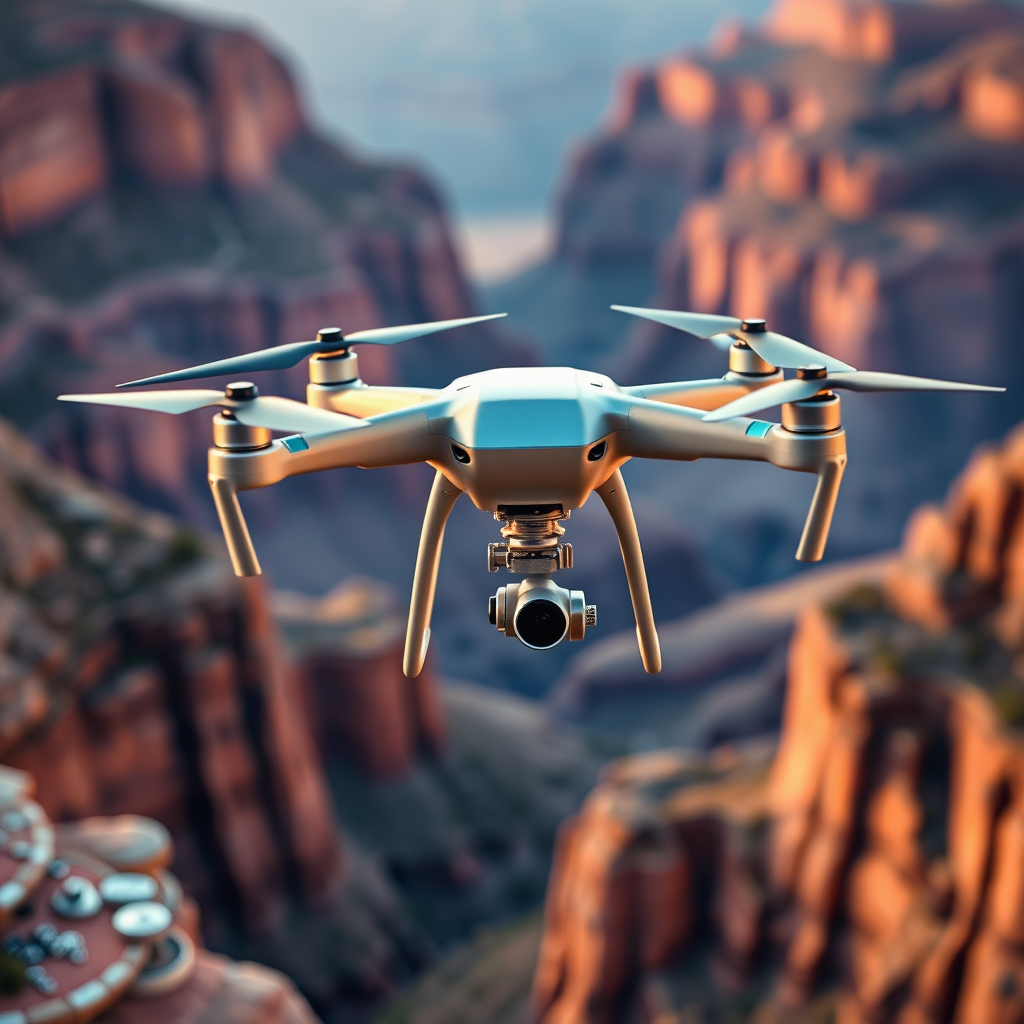
Yes, you can fly a drone at the Grand Canyon, but there are strict regulations and guidelines you must follow. Understanding these rules is essential for ensuring safety and compliance while enjoying the stunning views the canyon has to offer. The Grand Canyon, renowned for its breathtaking landscapes and geological wonders, attracts thousands of visitors each year, and with the rise of drone technology, many enthusiasts are eager to capture its beauty from above. However, navigating the legal landscape of drone use in national parks can be challenging, making it imperative to be informed about the regulations and procedures involved.
Overview of Drone Regulations at National Parks
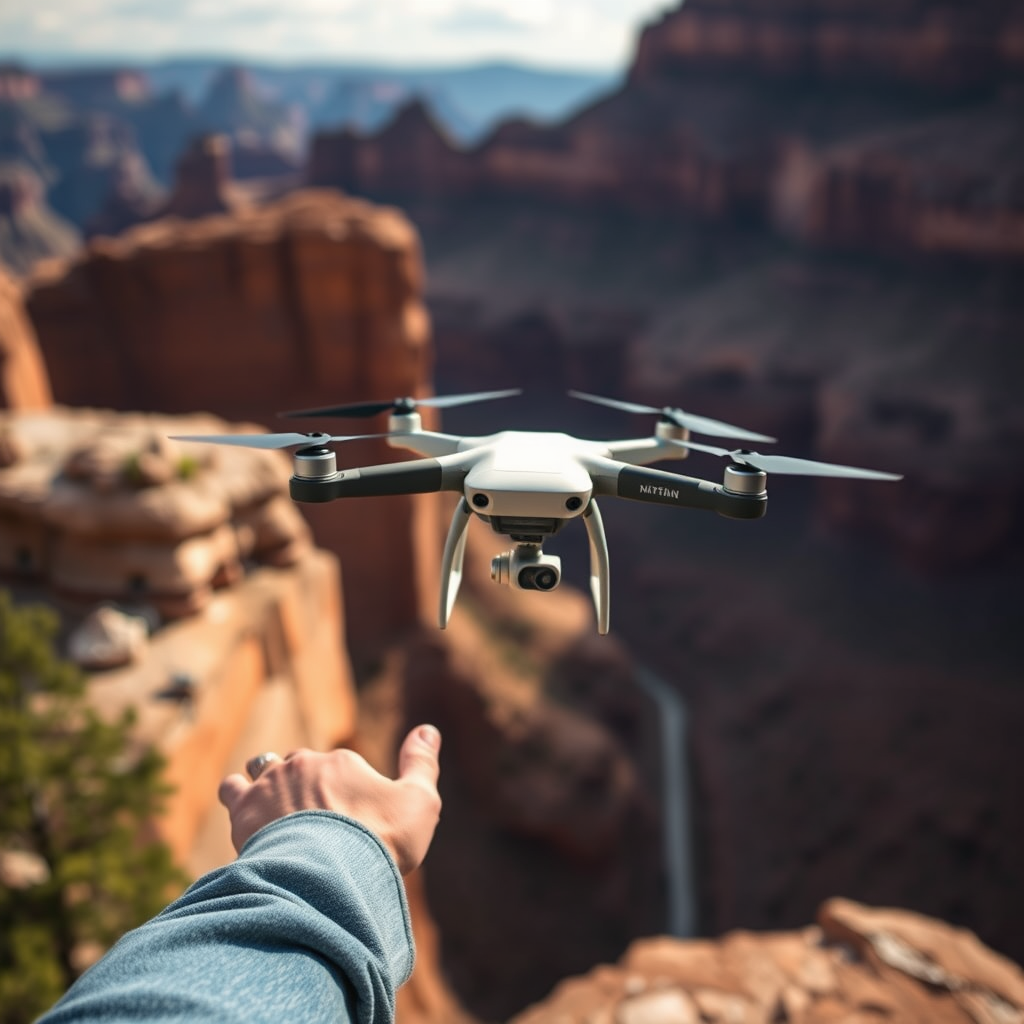
The National Park Service (NPS) has implemented strict regulations governing drone use within national parks, including the Grand Canyon. In general, the use of drones is prohibited to protect wildlife, preserve the natural environment, and maintain the park’s serene atmosphere. The NPS recognizes that drones can disrupt the experience of other visitors and pose risks to both wildlife and the natural ecosystem.
Exceptions to this rule exist, but they are limited and require a special permit. These exceptions typically apply to specific locations or events, such as research initiatives or authorized filming projects. It is crucial for drone operators to understand that flying a drone without permission can lead to significant legal repercussions, including fines and equipment confiscation.
Obtaining a Special Use Permit
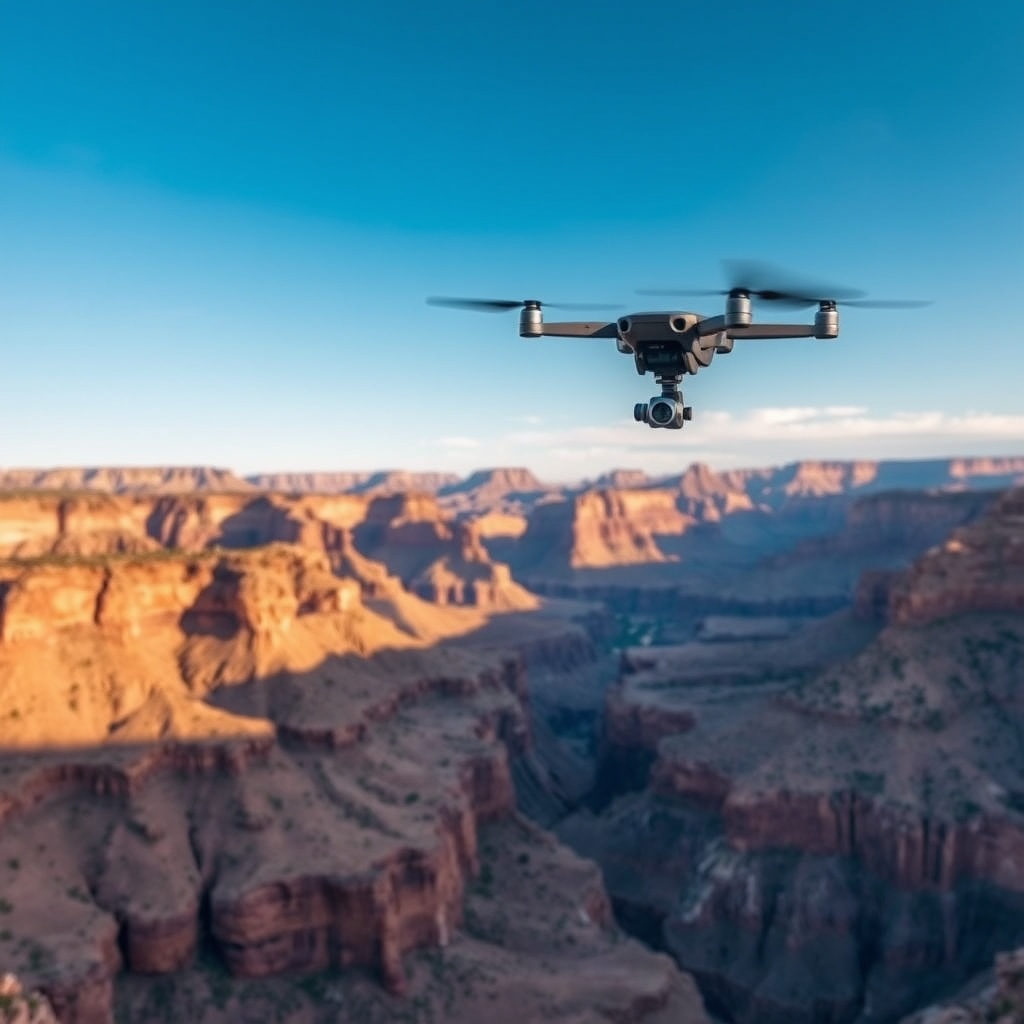
If you are keen on flying your drone in designated areas of the Grand Canyon, you will need to obtain a special use permit. The application process for this permit is detailed and can be time-consuming, so it is essential to plan well in advance. The NPS requires the submission of specific documentation, which may include the purpose of your flight, the intended location, and a comprehensive safety plan.
It is advisable to check the NPS website or contact the park’s administrative office for the most current information regarding the application process. Additionally, applicants should be prepared to provide proof of insurance and demonstrate that they possess the necessary skills to operate a drone safely and responsibly.
Safety Considerations for Drone Flying
Safety is paramount when flying a drone, especially in a location as unique and sensitive as the Grand Canyon. Operators must always maintain a safe distance from wildlife, as many species inhabit the park and could be disturbed by drone activity. This includes not only large mammals but also birds and other fauna that may be nesting or foraging in the area.
Moreover, weather conditions can significantly impact drone performance. Wind, rain, and abrupt changes in temperature can affect battery life and flight stability, making it essential to check weather forecasts and conditions prior to your flight. Always prepare for emergencies by familiarizing yourself with your drone’s capabilities and limitations, ensuring you have a plan in place should a malfunction occur.
Areas Where Drone Use is Allowed
While most of the Grand Canyon is off-limits to drone operators, there are certain areas where flying is permitted under specific conditions. For instance, the North Rim may offer designated zones where drone use is allowed with the appropriate permits. However, these areas are subject to change, and operators should familiarize themselves with the latest maps and guidelines provided by the NPS.
Before taking flight, ensure you have a clear understanding of the exact locations where drone operations are permitted. The NPS provides maps and resources that outline these areas and any additional regulations that may apply. Staying informed about changes in policy or designated areas is crucial for compliance and safety.
Consequences of Violating Drone Regulations
Violating drone regulations at the Grand Canyon can result in serious consequences. The NPS takes enforcement of these rules seriously, and offenders may face hefty fines, the confiscation of their drone equipment, and even criminal charges in extreme cases. Such penalties serve not only to punish the violator but also to deter others from engaging in irresponsible drone use that could harm the park’s environment or disrupt other visitors’ experiences.
Beyond the legal ramifications, irresponsible drone flying can have a detrimental impact on the natural beauty and integrity of the Grand Canyon. Protecting this national treasure should be a shared responsibility among all visitors, and adhering to drone regulations is a critical part of that commitment.
Tips for Responsible Drone Use
Engaging in responsible drone flying is essential for the preservation of the Grand Canyon’s unique environment. To minimize your impact, consider the following tips:
1. Respect Wildlife: Maintain a safe distance from animals to avoid stressing them or disrupting their natural behaviors. This is particularly important during nesting seasons for birds and calving seasons for mammals.
2. Protect Natural Features: Be mindful of where you fly your drone to avoid damaging sensitive geological formations or vegetation. Strive to capture images without disturbing the natural landscape.
3. Maintain Line of Sight: Always fly your drone within visual line of sight to maintain control and awareness of your surroundings. This practice enhances safety and ensures compliance with FAA regulations.
4. Adhere to Altitude Restrictions: Pay attention to altitude limits imposed by the NPS and FAA. Keeping your drone within these limits not only ensures safety but also helps avoid conflicts with other air traffic.
5. Educate Yourself: Stay informed about current regulations, best practices, and technological advancements in drone operation. Engaging with local drone communities and forums can provide valuable insights and updates.
In conclusion, while flying a drone at the Grand Canyon is possible under specific conditions, it is crucial to adhere to the regulations set forth by the National Park Service. Obtaining the necessary permits, prioritizing safety, and operating responsibly are essential steps in preserving the park’s natural beauty while enjoying the unique opportunity to capture its splendor from above. By following these guidelines, drone enthusiasts can contribute to the protection of this national treasure for future generations to enjoy.
Frequently Asked Questions
Can you fly a drone in the Grand Canyon National Park?
No, flying drones is prohibited in Grand Canyon National Park. The National Park Service has strict regulations to protect wildlife and preserve the natural landscape. Visitors are encouraged to enjoy the park’s breathtaking views without the disturbance that drone use may cause.
What are the penalties for flying a drone at the Grand Canyon?
If you fly a drone in the Grand Canyon, you could face significant penalties, including hefty fines and potential criminal charges. The National Park Service has the authority to issue citations for violations of park regulations, which can result in fines up to $5,000. It’s essential to respect these rules to protect the park’s natural beauty.
Why are drones banned in national parks like the Grand Canyon?
Drones are banned in national parks, including the Grand Canyon, primarily to protect wildlife, preserve the natural environment, and ensure visitor safety. Drones can disturb animals, disrupt the tranquility of nature, and create safety hazards for park visitors. The regulations aim to maintain a peaceful experience for everyone.
Are there any places near the Grand Canyon where I can legally fly my drone?
Yes, while you cannot fly drones in the Grand Canyon National Park, there are nearby areas on public lands and certain state parks where drone use may be permitted. For example, parts of the Coconino National Forest or other Bureau of Land Management (BLM) lands often allow drone flying. Always check local regulations and guidelines before flying to ensure compliance.
What alternative ways can I capture aerial views of the Grand Canyon?
If you’re looking to capture stunning aerial views of the Grand Canyon without flying a drone, consider hiring a certified aerial photography company that operates in compliance with park regulations. Additionally, scenic helicopter tours and fixed-wing aircraft flights offer breathtaking perspectives of the canyon while ensuring that you adhere to legal guidelines and environmental protection.
References
- https://www.nps.gov/grca/planyourvisit/drone-use.htm
- https://www.faa.gov/uas/getting_started/registration
- https://www.faa.gov/uas/advanced_operations/
- https://www.grandcanyon.com/grand-canyon-drone-regulations/
- https://www.wyomingnews.com/news/state/drone-use-at-national-parks/article_65b3fbb2-0c75-11eb-b602-97c1b6e0a8f5.html
- https://www.abcnews.go.com/US/national-park-service-bans-drones-grand-canyon/story?id=65822439
- https://www.nationalparks.org/explore-parks/grand-canyon-national-park
- https://www.usatoday.com/story/travel/2020/05/24/drone-use-national-parks-illegal-explained/5242547002/
