
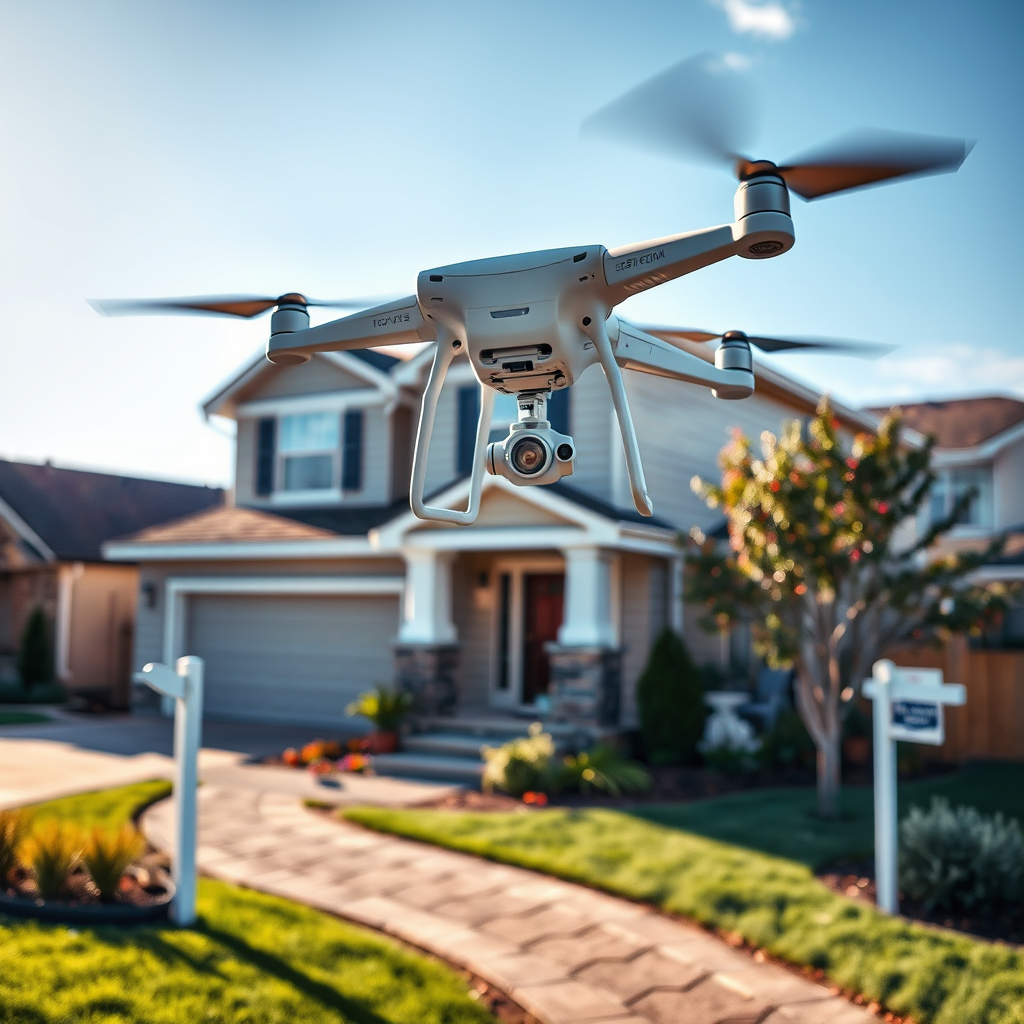
Yes, you generally cannot legally shoot down a drone on your property due to laws surrounding property rights and airspace. The regulations governing airspace are primarily federal, meaning that while property owners do have certain rights, these do not typically extend to shooting down aerial vehicles that are legally operating. However, the legality can vary by state and circumstance, making it essential to understand your rights and the specific regulations that apply to drone use in your locality.
Understanding Airspace Law
Airspace in the United States is regulated by federal law, specifically under the jurisdiction of the Federal Aviation Administration (FAA). According to FAA regulations, the navigable airspace is considered to begin at 500 feet above ground level, although property owners do have rights to the airspace above their land. However, these rights do not extend indefinitely; they are limited to what is reasonably necessary for the enjoyment of the property. For instance, while you may have the right to prevent trespassers from entering your land, this does not grant you the authority to take drastic measures, such as shooting down a drone flying above your property. The FAA maintains that drones are part of the national airspace system, and shooting one down could be interpreted as an act of interference with aviation regulations, leading to significant legal ramifications.
State Laws on Drone Use
Different states have varying laws regarding drone operation and privacy rights, which can complicate the issue further. Some states, such as California and Texas, have enacted specific laws that address the use of drones for surveillance, allowing property owners to take action against drones that invade their privacy or cause harm. For example, California’s Civil Code Section 1708.8 prohibits the use of drones to invade someone’s privacy and provides for civil action against violators. Conversely, other states may not have explicit laws governing drone usage, which can leave property owners in a gray area regarding their rights. It’s crucial for property owners to research and understand their state’s specific drone laws to determine the appropriate course of action when faced with an invasive drone.
Self-Defense and Property Defense
In instances where a drone poses an immediate threat, the concept of self-defense could come into play. For example, if a drone is being used to surveil your property in a way that constitutes harassment or danger, you might feel justified in taking action against it. However, proving a legitimate threat in a legal context can be challenging. Courts typically require clear evidence that the drone posed an imminent risk to your safety or property. Without substantial proof, the act of shooting down a drone could easily be construed as excessive force or unlawful destruction of property, leading to criminal charges or civil lawsuits against the individual who took action.
Potential Consequences of Shooting a Drone
The potential consequences of shooting down a drone can be severe. Legal repercussions may include fines, criminal charges, or civil lawsuits brought by the drone operator for damages. For instance, if a drone is shot down and found to be operating within legal parameters, the property owner could face liability for destruction of property. The FAA has also indicated that they will pursue enforcement actions against individuals who shoot down drones, classifying such actions as threats to aviation safety. Additionally, there are often insurance implications; if a property owner destroys a drone, they could find themselves responsible for compensating the drone’s operator for the loss of equipment, which can be costly.
Alternatives to Shooting Down a Drone
Instead of resorting to extreme measures like shooting down a drone, property owners have several alternative options they can consider. One of the most effective steps is to report the drone to local authorities or the FAA. Authorities can investigate the situation and take necessary actions if the drone is found to be violating any laws or regulations. Furthermore, property owners can explore methods to deter drones from entering their airspace. While using signal jammers is illegal in many regions, installing physical barriers or privacy screens can provide some level of protection against unwanted drone surveillance. Additionally, educating oneself on drone technology can help property owners understand how drones operate and the regulations surrounding their use, empowering them to take informed actions.
The Role of Local Law Enforcement
Local law enforcement plays a crucial role in addressing concerns related to drone usage. Police departments and local authorities are often equipped to handle reports of drone-related disturbances and can provide guidance on local drone laws. If a property owner feels threatened by a drone, they should document the incident and reach out to local law enforcement for assistance. Many police departments have specific protocols in place for dealing with drone complaints, and contacting them can help ensure that the situation is handled appropriately and within the bounds of the law.
Best Practices for Property Owners
For property owners concerned about drone activities, it is vital to stay informed about local and federal drone regulations. Regularly reviewing updates from the FAA and understanding state-specific drone laws can help individuals better navigate their rights and responsibilities. Additionally, documenting any incidents involving drones can be beneficial for legal purposes, especially if the situation escalates. Property owners should keep a record of drone sightings, including dates, times, and any relevant details about the drone’s behavior. This documentation can serve as evidence if future legal action becomes necessary.
In summary, while the desire to protect your property from invasive drones is understandable, shooting one down is fraught with legal complications and potential consequences. It is essential to explore alternative solutions and to fully understand the laws in your area before taking any action. Consulting with legal experts can provide tailored advice relevant to your specific situation, ensuring that you take informed and lawful steps to safeguard your property.
Frequently Asked Questions
Can I legally shoot down a drone that is flying over my property?
Legally shooting down a drone is generally not permissible in most jurisdictions, as it can lead to serious legal consequences, including criminal charges. Drones are often considered property of their owners, and damaging or destroying them can be classified as vandalism or destruction of property. Instead, if a drone is causing a disturbance, it is advised to report the incident to local authorities or the Federal Aviation Administration (FAA) rather than taking matters into your own hands.
What are the laws regarding drones and private property?
Drone laws related to private property can vary significantly by state and locality, but generally, drone operators must respect the privacy rights of property owners. In the United States, the FAA regulates airspace, which means drones can legally fly over private property as long as they comply with regulations. However, capturing images or video without consent may violate privacy laws, so property owners concerned about drone surveillance should consult legal advice specific to their area.
How can I protect my property from unauthorized drone surveillance?
To protect your property from unauthorized drone surveillance, consider employing physical barriers like privacy fences and using landscaping to obstruct aerial views. Additionally, you can install anti-drone technologies, such as drone detection systems, which can alert you to the presence of unwanted drones. Always document any intrusive drone activity and report it to local law enforcement if necessary, as they may have protocols to address such issues.
Why are people concerned about drones flying over their homes?
Many individuals are concerned about drones flying over their homes due to issues related to privacy invasion, safety, and potential property damage. Drones equipped with cameras can infringe on personal privacy, capturing images or video without consent. Additionally, concerns about drones malfunctioning and crashing onto private property or causing accidents are also prevalent, leading to heightened anxiety among homeowners about their safety and security.
What should I do if a drone is hovering over my property?
If a drone is hovering over your property, the first step is to determine if it is causing any disturbance or privacy violation. You may attempt to identify the operator and politely ask them to move the drone away. If this is not possible or if the drone continues to intrude, document the incident and report it to local authorities or the FAA, especially if you believe the drone is being used for illegal purposes or harassing you.
References
- https://en.wikipedia.org/wiki/Drone#Legal_issues
- https://www.nytimes.com/2020/06/01/us/drone-laws.html
- https://www.faa.gov/uas/getting_started/drone_laws/
- https://www.theguardian.com/us-news/2019/sep/12/drone-privacy-laws-usa
- https://www.lawfareblog.com/what-are-legal-issues-drone-use
- https://www.nolo.com/legal-encyclopedia/can-you-shoot-drone-your-property-29707.html
- https://www.usa.gov/elected-officials
- https://www.aclu.org/news/privacy-technology/what-are-the-laws-surrounding-drones
