
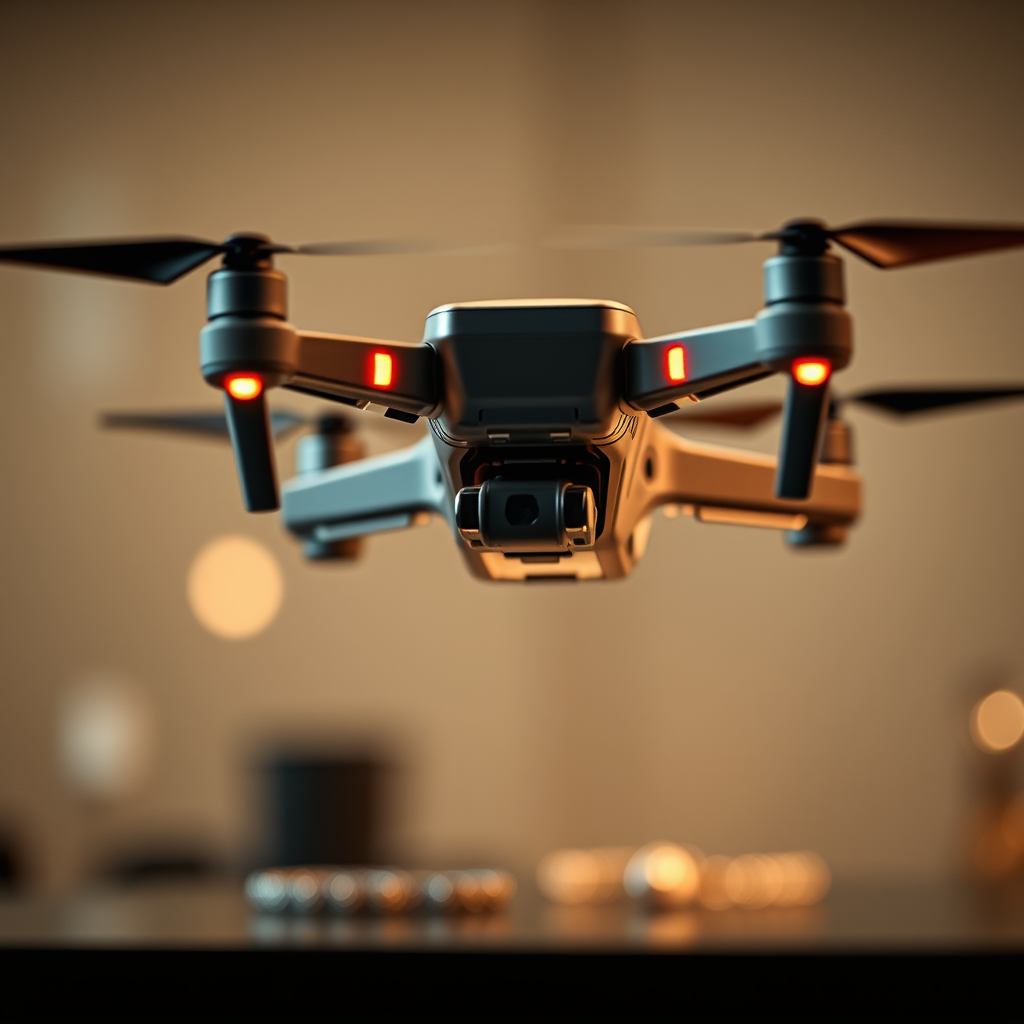
Drones can typically travel anywhere from a few hundred feet to several miles, depending on their design and purpose. Their operational range is influenced by a variety of factors, including battery life, signal strength, and environmental conditions. In this article, we will explore the different types of drones and their ranges, the factors that affect these ranges, the legal limitations imposed on drone flights, enhancements that can extend operational distances, real-world applications of drone ranges, and future innovations that may reshape drone technology.
Understanding Drone Types and Their Ranges
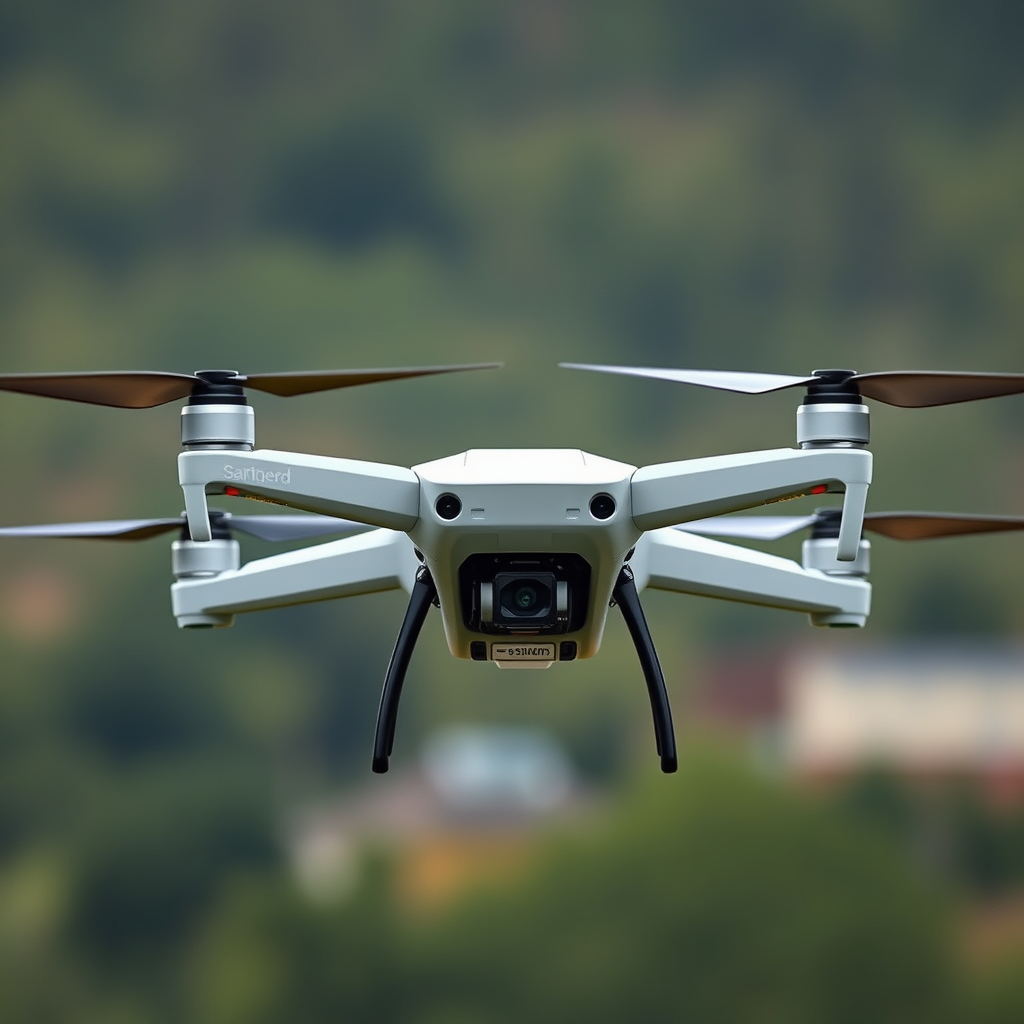
Drones are categorized based on their intended use, and each type has a different range capability. Consumer drones, which are popular among hobbyists and recreational users, typically have a range of 1 to 5 miles. Models such as the DJI Mini 2 or the Mavic Air 2 can achieve distances within this range, making them suitable for aerial photography, recreational flying, and simple videography.
On the other hand, commercial drones are designed for professional applications and can reach distances of 10 miles or more. For instance, the DJI Matrice 300 RTK is engineered for various commercial tasks, including surveying and inspection, boasting a range that can exceed 15 miles under optimal conditions. These drones are equipped with advanced technology that enhances their ability to cover larger areas, making them indispensable in industries that require extensive aerial data collection.
Factors Affecting Drone Range
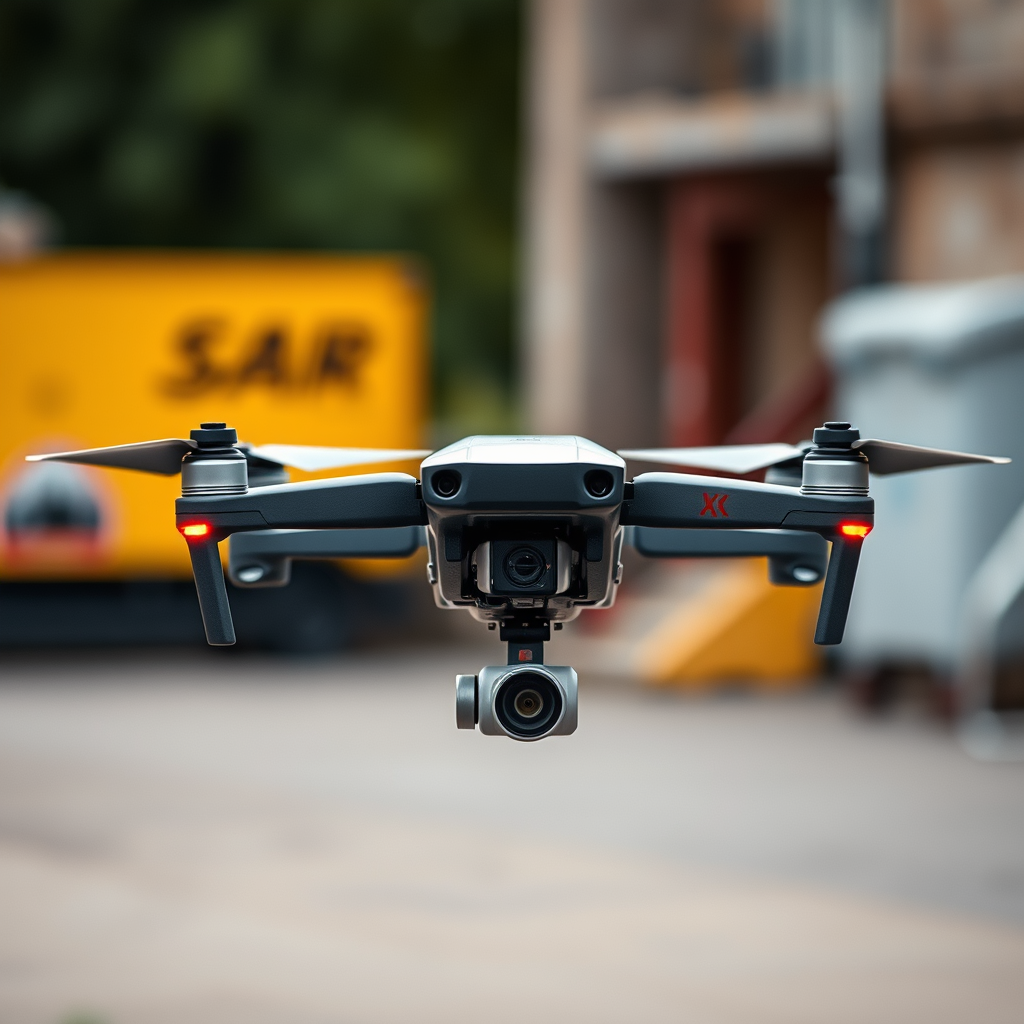
Several factors significantly impact the operational range of drones. Chief among these is battery life; the type of battery used and its capacity often dictate how long a drone can remain airborne. Most consumer drones come with lithium-polymer (LiPo) batteries, which provide a balance between weight and power but typically last from 20 to 30 minutes in the air. Commercial models may use larger batteries, allowing for longer flight times but also increasing the drone’s weight.
Signal strength is another critical factor affecting drone range. Drones rely on radio signals to maintain communication with their remote controllers. Interference from buildings, trees, or other obstacles can weaken this signal, reducing the operational range. For instance, flying a drone in an urban environment filled with skyscrapers may lead to connectivity issues that could limit the effective range to just a few hundred feet. Conversely, open landscapes allow for clearer lines of sight, facilitating longer flight distances.
Environmental conditions also play a pivotal role. Weather conditions, such as wind, rain, or fog, can affect both the battery life and signal transmission. Strong winds can lead to increased energy consumption as drones work harder to maintain stability and altitude, potentially reducing their overall flight range.
Legal Limitations on Drone Flight Distance
Legal restrictions set by organizations like the Federal Aviation Administration (FAA) impose limitations on drone flight distances and altitudes to ensure safety in the airspace. In the United States, for example, the FAA requires that drones be flown within the visual line of sight of the operator, which effectively limits how far they can go without additional permissions or waivers. The maximum altitude for most recreational drone flights is capped at 400 feet above ground level.
Moreover, pilot certification requirements can influence the operational range of drones. Commercial drone operators must obtain a Part 107 certification from the FAA, which includes knowledge of airspace regulations, weather, and drone operation. This certification process ensures that pilots understand the legalities surrounding drone use and can operate within the prescribed limits, ultimately affecting how far they can fly their drones.
Enhancements to Extend Drone Range
To maximize the potential range of drones, several enhancements can be implemented. One of the most effective methods is the use of high-capacity batteries. Manufacturers are continuously innovating to produce batteries with higher energy densities that can sustain longer flights. For example, the development of the new lithium-sulfur batteries promises to provide significant improvements in energy capacity compared to traditional lithium-ion batteries.
Additionally, signal boosters and repeaters can help maintain a stable connection over longer distances. These devices amplify the signal between the drone and the remote controller, allowing for extended operational ranges. Some drone enthusiasts have successfully utilized custom-built antennas to enhance their drones’ communication capabilities, enabling them to fly farther without losing connectivity.
Another emerging technology is the use of mesh networking, which allows drones to communicate with one another and relay signals back to the operator. This could potentially expand the operational range significantly, especially in scenarios where drones are used in swarms for tasks like search and rescue or environmental monitoring.
Real-World Applications of Drone Ranges
Understanding the range capabilities of drones has profound implications across various industries. In the realm of delivery services, companies like Amazon and UPS are experimenting with long-range drones to enhance efficiency. These drones can transport packages directly to consumers’ doorsteps, covering distances that traditional delivery methods may find impractical. For example, Amazon’s Prime Air service aims to deliver packages within a 15-mile radius, leveraging drone technology to expedite the delivery process.
Agricultural applications also benefit from drones with extended ranges. Drones are increasingly employed to monitor large fields, perform crop health analysis, and even apply fertilizers or pesticides. For instance, a drone equipped with multispectral cameras can fly over vast farmland, capturing data that helps farmers make informed decisions about crop management, irrigation, and yield optimization. This capability is especially useful in large agricultural operations where traditional methods may be time-consuming and labor-intensive.
Future Innovations in Drone Technology
The future of drone technology promises exciting advancements that could further extend their operational ranges. Innovations in battery technology, such as the development of solid-state batteries, could revolutionize how drones are powered. These batteries are expected to offer higher energy capacities while also being safer and more durable than current lithium-ion options.
Furthermore, advancements in autonomous navigation systems are set to enhance operational capabilities. With the integration of artificial intelligence and machine learning, drones may become increasingly adept at navigating complex environments without human intervention. This could facilitate longer flights and more efficient routing, enabling drones to cover greater distances while adhering to safety regulations.
Additionally, the rising interest in urban air mobility may lead to the development of larger drones capable of carrying passengers or cargo over long distances, potentially transforming urban transportation dynamics. The convergence of these technologies may eventually result in drones that can operate effectively beyond the current limitations imposed by battery life, signal strength, and regulatory frameworks.
In conclusion, while drones can achieve impressive distances, their range is dictated by various factors including type, battery life, regulations, and technological advancements. By understanding these elements, users can maximize their drone’s potential and make informed decisions about their applications. Whether you are considering a drone for recreational use or looking to integrate one into your business operations, it is essential to weigh these factors carefully to find the best fit for your needs. As drone technology continues to evolve, the future holds promising possibilities for expanded ranges and capabilities, reshaping how we interact with the world from above.
Frequently Asked Questions
What is the average maximum range of consumer drones?
The average maximum range of consumer drones typically falls between 1 to 7 kilometers (0.6 to 4.3 miles), depending on the model and manufacturer. Most popular drones, like the DJI Mavic series, can achieve ranges of around 4 to 8 kilometers under optimal conditions. It’s essential to check the specifications of each drone model, as factors such as battery life, signal strength, and environmental conditions can significantly affect the actual flying distance.
How far can professional drones fly compared to consumer models?
Professional drones often have a longer range, with some models capable of flying up to 15 kilometers (9.3 miles) or more. These drones, designed for commercial use in industries like agriculture, surveying, and filmmaking, typically feature advanced communication technology and enhanced battery life. For example, the DJI Matrice series can reach impressive distances due to their robust design and capabilities, making them ideal for extensive aerial operations.
Why do some drones have limited range and others have extensive range?
The range of a drone is influenced by several factors, including its communication technology, battery capacity, and design. Drones with advanced transmission systems, such as OcuSync or Lightbridge, can maintain a stable connection over longer distances. Additionally, drones equipped with larger batteries can support longer flight times, allowing them to cover more ground before needing to return, thus affecting their overall range.
What factors can affect a drone’s flying distance?
Several factors can impact a drone’s flying distance, including weather conditions, interference from obstacles or buildings, battery life, and the quality of the remote control signal. Strong winds or heavy rain can significantly reduce flying range and stability, while urban environments can cause signal interference, leading to shorter effective ranges. Pilots should always consider these variables when planning a flight to ensure safe and efficient operation.
Which drones are considered the best for long-distance flying?
Some of the best drones for long-distance flying include the DJI Mavic Air 2, DJI Mini 2, and the Autel Robotics EVO Lite+. These models are known for their impressive range, robust flight performance, and user-friendly features. Additionally, they come equipped with advanced technology that enhances signal transmission and battery efficiency, making them ideal choices for enthusiasts and professionals looking for extended flying capabilities.
References
- https://en.wikipedia.org/wiki/Drone
- https://www.faa.gov/uas/
- https://www.nytimes.com/2021/01/26/technology/drones-range.html
- https://www.npr.org/2020/02/19/807205915/how-far-can-drones-really-fly
- https://www.sciencedirect.com/science/article/pii/S0360835219301387
- https://www.tutorialspoint.com/drone/drone_range.htm
- https://www.reuters.com/technology/what-you-need-know-about-drones-2021-04-09/
