
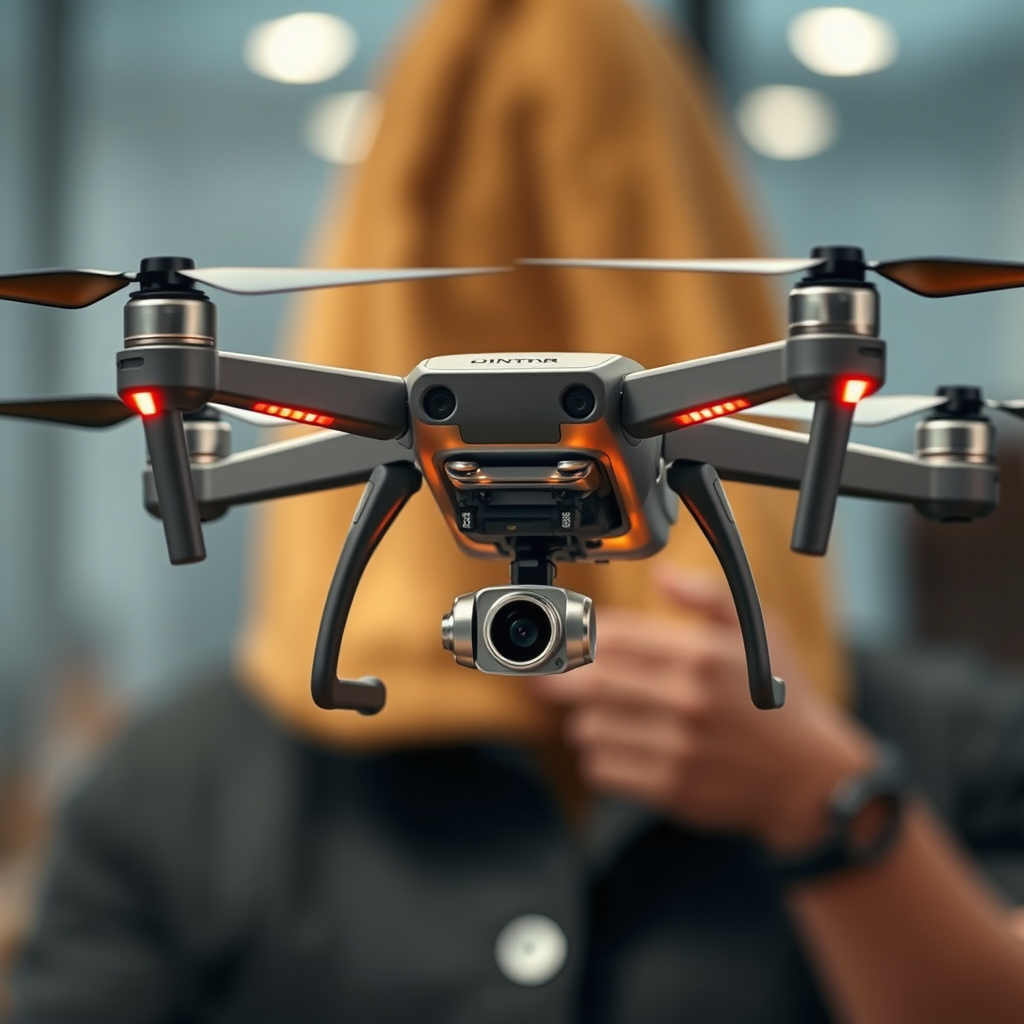
The largest drone you can buy commercially is the DJI Matrice 600, a versatile and powerful UAV designed for professional applications across various industries. Known for its ability to carry substantial payloads, the Matrice 600 is widely used in film production, agriculture, and surveying. In this article, we will delve into the features, specifications, and options available for the largest drones currently on the market, providing insights that can help you make an informed decision.
Overview of the Largest Drones
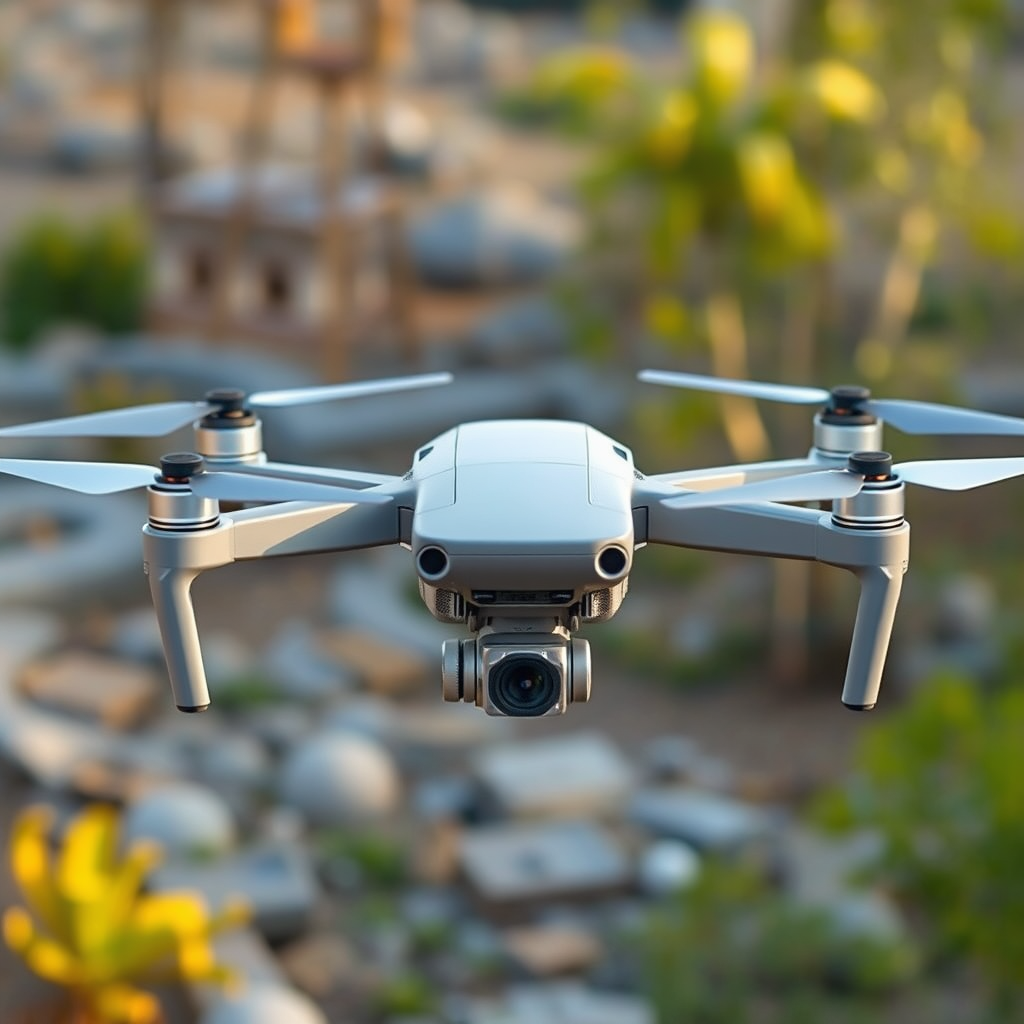
Large drones, often referred to as heavy-lift drones, are typically defined by their increased size, weight capacity, and extended flight range compared to standard consumer models. These drones are engineered to handle substantial payloads, making them essential tools in several industries. For instance, in the film industry, large drones are deployed for aerial cinematography, allowing filmmakers to capture breathtaking shots from unique perspectives. In agriculture, they support crop monitoring and precision farming by carrying sensors and imaging equipment. Other sectors, such as construction and surveying, also leverage large drones for mapping, inspections, and data collection.
Top Contenders for the Largest Drones
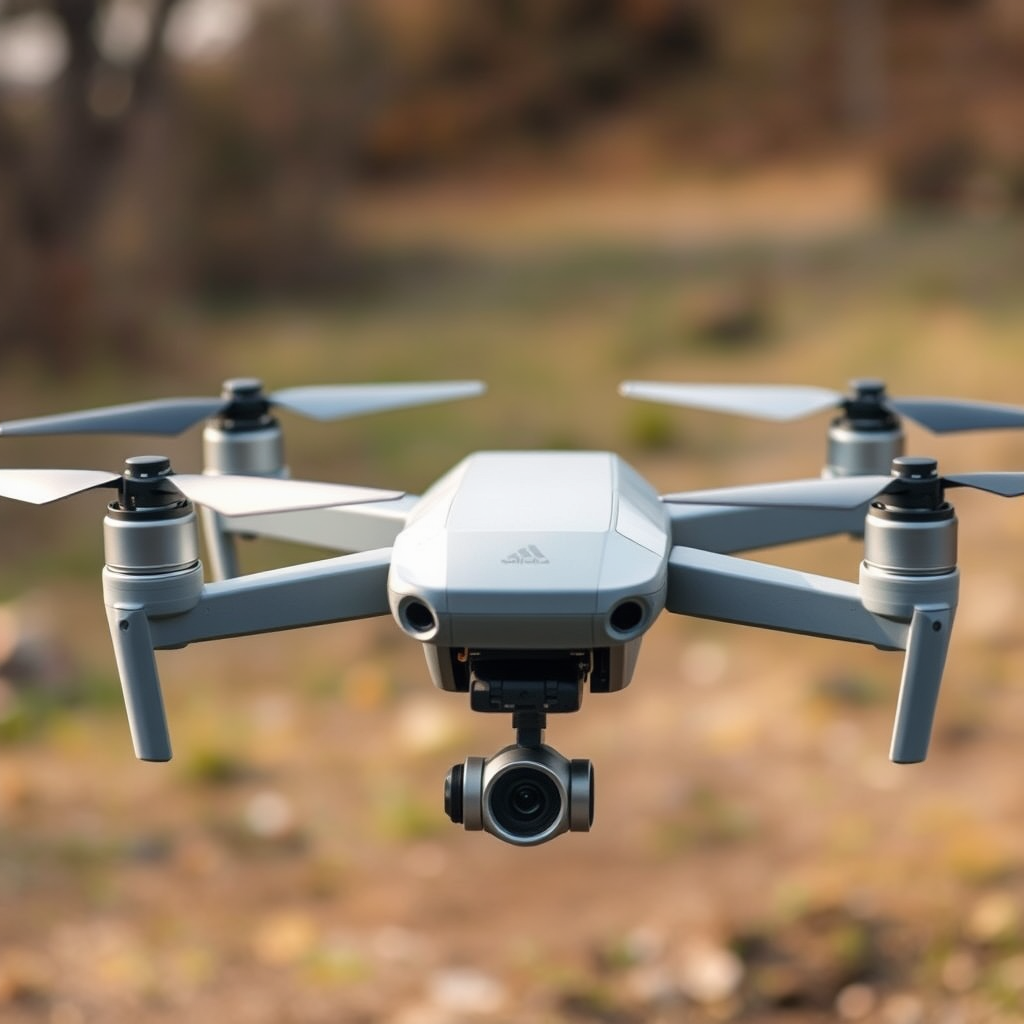
The DJI Matrice 600 stands out as a leader in the large drone category. With a maximum payload capacity of 6 kg (13.2 lbs), it is engineered to carry high-end cameras and sensors, making it a favorite among filmmakers and professionals. The Matrice 600 boasts a flight time of up to 35 minutes under optimal conditions, thanks to its six batteries and advanced flight control systems.
Another notable contender is the Freefly Alta 8, which has a maximum payload capacity of 9 kg (20 lbs) and is designed for heavy-lift cinematic applications. Its octocopter configuration offers superior stability and redundancy, providing peace of mind for critical shoots. Additionally, the Yuneec H920 is also noteworthy, particularly for its unique design that incorporates retractable landing gear, allowing for an unobstructed 360-degree view during filming.
Key Features of Large Drones
When considering large drones, two critical features stand out: payload capacity and flight time. The payload capacity determines the type of equipment that can be carried. For instance, the DJI Matrice 600 can easily accommodate professional cameras like the RED Epic or the Canon C300, while the Freefly Alta 8 can lift heavier setups, making it suitable for filmmakers who require versatility in their aerial shots.
Flight time is another vital factor, as it directly affects operational efficiency. The average flight time for large drones like the Matrice 600 and Alta 8 ranges from 20 to 35 minutes. However, various factors influence this duration, including payload weight, weather conditions, and battery health. Understanding these aspects can help users optimize their drone use for specific tasks.
Price Range and Budget Considerations
The price of large drones is as varied as their capabilities. The DJI Matrice 600 typically retails around $4,500, while the Freefly Alta 8 can exceed $15,000, depending on the configuration and accessories. These prices reflect the advanced technology and capabilities these drones offer, but it’s essential to consider additional costs such as spare batteries, cameras, and specialized software for operation and editing.
Factors influencing the cost include brand reputation, features, and the type of accessories included. For instance, a drone equipped with high-end gimbals or additional sensor capabilities will naturally command a higher price. As budgets are often limited, prospective buyers should carefully assess their specific needs against the features and costs of available models to ensure they make a wise investment.
Regulations and Considerations for Large Drones
Navigating the regulatory landscape for large drones is crucial for any commercial operator. The Federal Aviation Administration (FAA) imposes specific regulations regarding drone usage, particularly for commercial applications. Operators must adhere to Part 107 rules, which mandate that drones must fly below 400 feet, maintain line-of-sight operations, and avoid flying over people unless certain conditions are met.
Additionally, operators must obtain a Remote Pilot Certificate from the FAA, which requires passing a knowledge test. Insurance is also a significant consideration, as it protects operators against potential liabilities. Understanding these regulations is imperative for ensuring compliance and minimizing risks associated with drone operations.
Use Cases for Large Drones
Large drones have diverse and practical applications across various industries. In the realm of photography, they are used for capturing stunning aerial shots in films and commercials, as demonstrated by numerous blockbuster movies that utilize drones for breathtaking aerial sequences.
In agriculture, large drones facilitate precision farming by employing multispectral cameras and sensors to analyze crop health and optimize resource allocation. For instance, farms using large drones can monitor crop growth patterns and identify areas requiring attention, leading to improved yields and cost savings.
In surveying, large drones equipped with LiDAR technology can map terrain quickly and accurately, significantly reducing the time and labor costs associated with traditional surveying methods. Successful case studies have shown that organizations leveraging large drones can achieve faster project completion times while enhancing data accuracy.
Future Trends in Drone Size and Technology
As drone technology continues to evolve, we can expect advancements in both size and capabilities. Innovations in battery technology, for instance, may lead to longer flight times and greater payload capacities. Additionally, the integration of artificial intelligence (AI) and machine learning will enhance the autonomy of large drones, allowing them to perform complex tasks with minimal human intervention.
Furthermore, as industries increasingly recognize the value of drone technology, we may see a surge in demand for larger drones capable of carrying heavier payloads and integrating advanced sensors. This trend could transform sectors such as logistics, where large drones could be employed for efficient last-mile delivery solutions, thereby revolutionizing supply chain logistics.
In conclusion, understanding what the largest drones available for purchase can offer is essential for professionals seeking to leverage drone technology. Whether you’re in film production, agriculture, or surveying, choosing the right drone can significantly enhance your operations. By exploring various options, considering regulatory requirements, and staying abreast of industry trends, you can make an informed investment that aligns with your operational needs and strategic goals.
Frequently Asked Questions
What is the largest drone you can buy for personal use?
The largest drones available for personal use typically fall under the category of consumer drones, and one of the most notable is the DJI Matrice 600, which can carry a payload of up to 6 kilograms. However, if you’re looking for even larger models, some manufacturers offer heavy-lift drones, like the Freefly Alta 8, which can support significant weight and are designed for professional use in filmmaking or industrial applications. These drones are not only larger in size but also come with advanced features and higher price points.
How much does the largest commercial drone cost?
The cost of the largest commercial drones can vary significantly based on their specifications and capabilities. For instance, the DJI Matrice 300 RTK, a robust commercial drone, starts at around $10,000, while larger industrial drones, like the Quantum Systems Trinity F90+, can range from $15,000 to $30,000 or more, depending on the configuration and accessories. These drones often include advanced features such as high-resolution cameras, long flight times, and specialized payload capabilities for various commercial applications.
Why are large drones used in industries like agriculture and construction?
Large drones are increasingly used in industries like agriculture and construction because they can carry heavier payloads and cover larger areas more efficiently than smaller drones. In agriculture, these drones can be equipped with advanced sensors for crop monitoring and spraying, while in construction, they can deliver materials or perform aerial surveys. Their ability to enhance productivity, improve data collection, and reduce labor costs makes them invaluable tools in these sectors.
Which features should I consider when purchasing a large drone?
When considering a large drone for purchase, focus on key features such as payload capacity, flight time, range, and camera quality. Additionally, assess the drone’s stability and control systems, as well as its compatibility with various accessories like thermal cameras or GPS modules. Understanding your specific use-case requirements will help you choose a drone that meets your needs, whether for commercial use, filmmaking, or recreational flying.
What are the regulations for flying large drones in the United States?
In the United States, flying large drones falls under the Federal Aviation Administration (FAA) regulations, which require operators to adhere to specific guidelines. For commercial drone operations, pilots must obtain a Part 107 certification, which includes passing a knowledge test. Additionally, large drones must be registered with the FAA, and operators must follow airspace restrictions, weight limits, and altitude regulations to ensure safe and legal flying practices. Always check for the latest regulations, as they can change frequently.
References
- https://en.wikipedia.org/wiki/Drone
- https://www.bbc.com/news/technology-55303601
- https://www.sciencedirect.com/science/article/pii/S2352864819300081
- https://www.faa.gov/uas/
- https://www.nytimes.com/2020/11/30/technology/drone-delivery.html
- https://www.techrepublic.com/article/how-drones-are-changing-the-world/
- https://www.nationalgeographic.com/science/article/drones-what-they-can-do-and-what-they-cant
- https://www.wired.com/story/what-is-a-drone/
