
Flying drones is prohibited in various locations for safety, privacy, and legal reasons. Key areas where drone flights are banned include airports, military zones, and populated urban centers. Understanding these restrictions is crucial for responsible drone operation, as violating them can lead to legal penalties, safety hazards, and damage to your drone. This article will explore the critical locations and regulations that govern drone use, ensuring that enthusiasts and professionals alike can navigate the skies safely and legally.
Restricted Airspace: Airports and Flight Paths
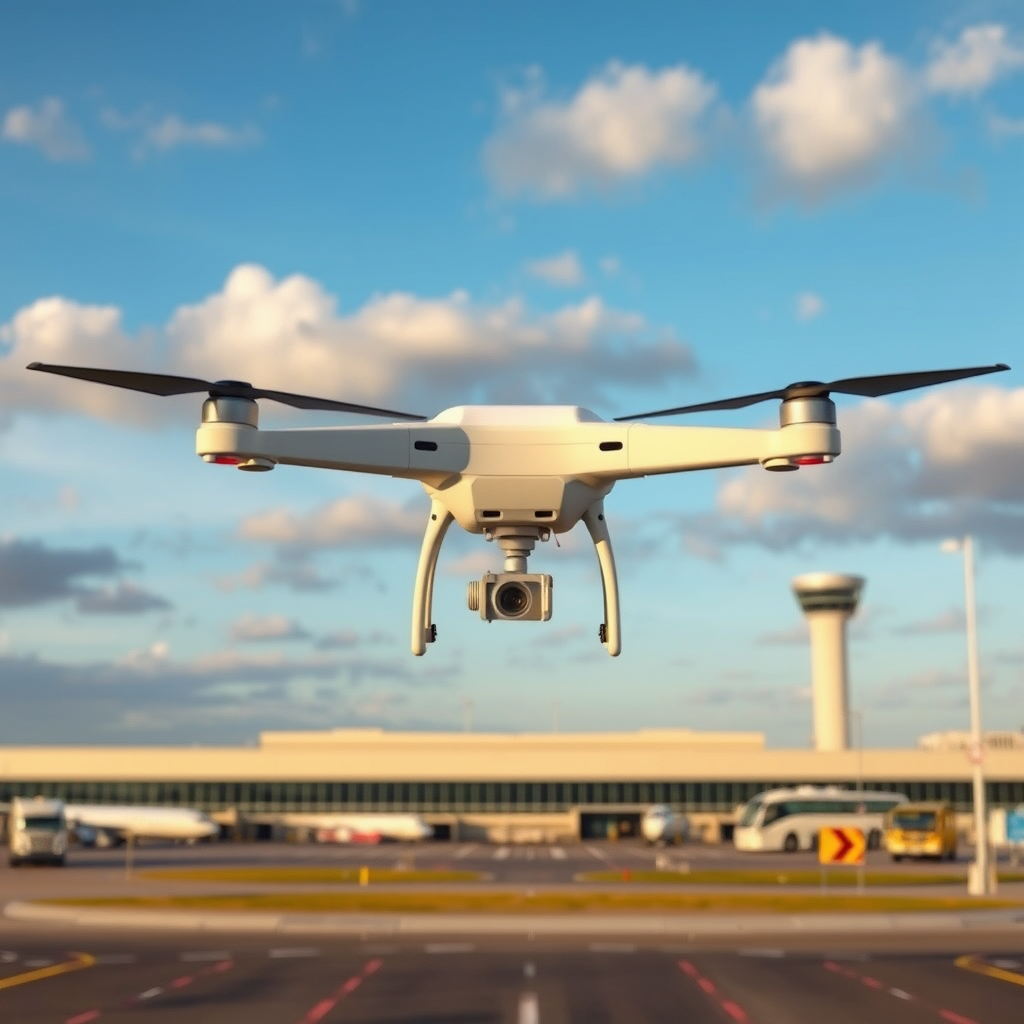
Drones cannot be flown within a certain distance of airports to prevent interference with manned aircraft. The Federal Aviation Administration (FAA) in the United States, for instance, mandates that drones must not operate within a five-mile radius of an airport without prior notification to air traffic control. This restriction is in place to safeguard commercial and private flights from potential collisions with unmanned aerial vehicles.
Moreover, air traffic control zones have specific altitude restrictions for drones, often requiring notification or approval for any flight. For instance, in controlled airspace, which is typically found near major airports, drone operators must adhere to strict guidelines that may include altitude limits of 400 feet or lower. Utilizing tools such as the FAA’s B4UFLY app can help drone operators identify nearby airports and understand the applicable regulations to ensure compliant operations.
Military Installations
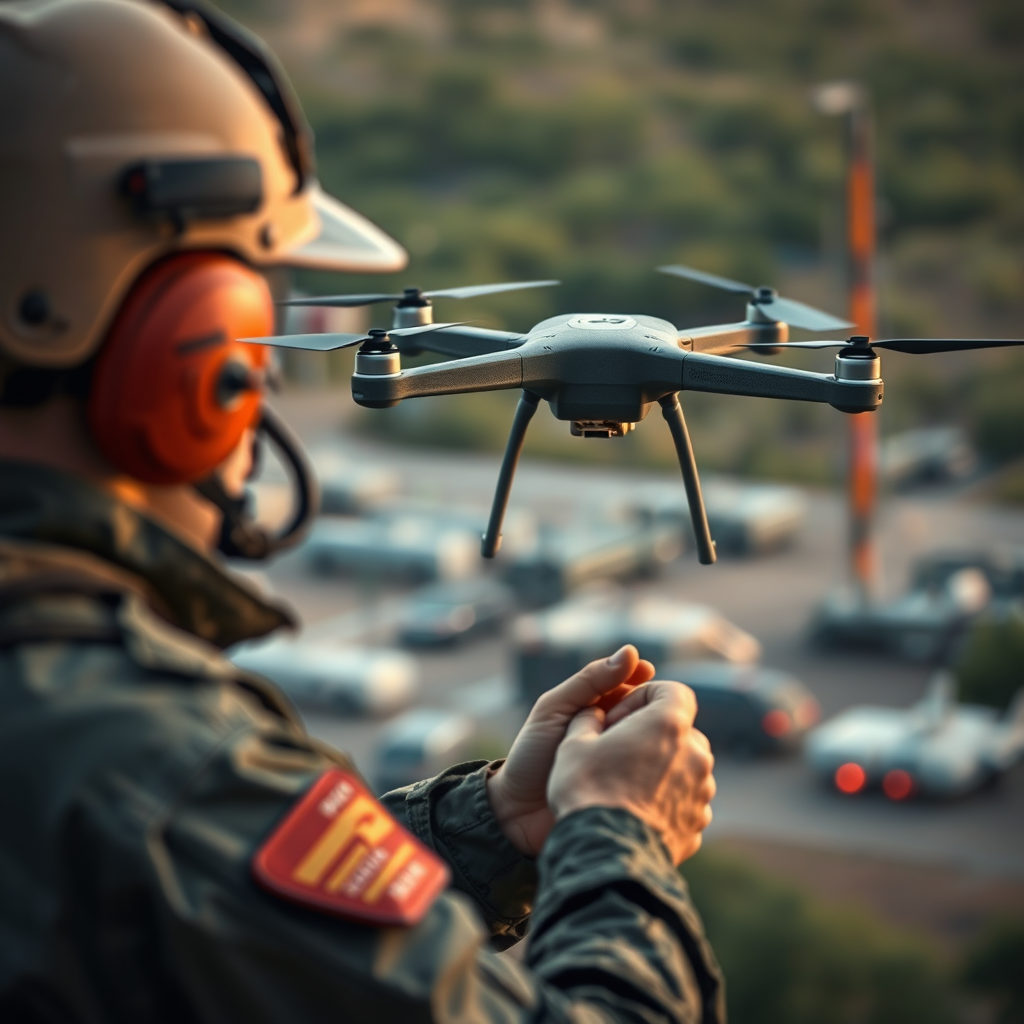
Military bases and areas are often designated as no-fly zones due to security concerns. The presence of sensitive military operations and equipment necessitates strict control over the airspace surrounding these installations. In the United States, flying a drone over or near military bases without authorization can lead to significant legal consequences, including hefty fines and equipment confiscation.
For example, the U.S. Department of Defense has implemented drone regulations that prohibit flights within a three-mile radius of military installations, reinforcing the need for drone operators to remain aware of their surroundings. Additionally, some military zones may employ counter-drone technology to intercept unauthorized drones, further highlighting the importance of understanding these restrictions.
Urban Areas and Crowded Spaces
Drones are often banned in busy urban areas to protect public safety and privacy. The risk of accidents increases in densely populated settings, and the potential for privacy violations is heightened when drones are flown over residential neighborhoods and public gatherings. Many cities have enacted specific laws that restrict drone use in parks, near schools, and at events, aiming to mitigate the risks associated with drone flights.
For instance, cities like New York and San Francisco have comprehensive regulations that limit drone operations, particularly in crowded spaces. In New York City, flying a drone in Central Park is prohibited, and doing so in other areas without a permit could lead to fines or confiscation. As a drone operator, it is vital to familiarize yourself with local regulations, ensuring compliance and promoting safety in urban environments.
Natural Reserves and Wildlife Areas
Drones are prohibited in many national parks and wildlife refuges to protect the environment and wildlife. The disturbance caused by drone flights can disrupt natural habitats, scare away animals, and interfere with the delicate balance of ecosystems. As a result, federal and state regulations often impose strict bans on drone operations in these sensitive areas.
For example, the National Park Service (NPS) enforces a complete ban on drone use in all national parks across the United States, citing concerns about wildlife disturbance and the preservation of natural landscapes. Violations of these regulations can lead to fines and legal repercussions. Drone operators interested in capturing breathtaking landscapes or wildlife should consider alternative locations where drone flying is permitted while respecting the boundaries of protected areas.
Private Property and Restricted Zones
Flying drones over private property without permission can lead to legal issues related to trespassing and invasion of privacy. Property owners have rights to their airspace, and unauthorized drone flights can infringe upon those rights. This is particularly relevant in residential areas, where individuals may feel their privacy is compromised by the presence of a drone.
Certain areas, such as private estates or gated communities, may have specific drone regulations that further restrict flying. For instance, many homeowners’ associations (HOAs) have instituted rules prohibiting drone flights within their jurisdictions to maintain privacy and safety. Before operating a drone, it is essential to obtain permission from property owners and review any applicable regulations to avoid potential disputes or legal consequences.
Temporary Flight Restrictions
Events such as concerts, sports games, and public gatherings may impose temporary restrictions on drone flights. Event organizers often request no-fly zones to ensure the safety and enjoyment of attendees. These restrictions can vary in duration and may encompass significant distances around the event venue.
For example, during major sporting events like the Super Bowl or large music festivals, local authorities typically enact temporary flight restrictions to prevent drones from interfering with the event or posing safety risks. Drone operators should always check local regulations and temporary flight restrictions before flying in areas with scheduled events, ensuring compliance and responsible operation.
State and Local Regulations
Each state or locality may have its own regulations regarding drone use, adding layers of complexity to where you can fly. Some states have enacted laws that further regulate drone operations beyond federal guidelines, addressing concerns unique to their jurisdictions. For instance, states like California and Florida have specific laws governing drone use, including restrictions on flying over private property and near critical infrastructure.
It is essential for drone pilots to research and comply with local laws to avoid fines and legal issues. Regularly consulting state aviation authorities and local government websites can help ensure that you remain informed about the latest regulations and any changes that may affect your ability to fly.
Understanding where you cannot fly drones is essential for safe and legal operation. By familiarizing yourself with the various restrictions outlined in this article, you can navigate the complexities of drone regulations and ensure a responsible flying experience. Always stay informed about local laws and respect restricted areas to promote safety, privacy, and compliance in your drone operations.
Frequently Asked Questions
What are the common places where you cannot fly drones?
Drones are typically restricted from flying in areas such as airports, military bases, and crowded urban environments. Additionally, flying over national parks, wildlife refuges, and critical infrastructure like power plants is often prohibited. These restrictions help ensure public safety and protect sensitive areas from potential disturbances.
How do I know if an area is a no-fly zone for drones?
To determine if an area is a no-fly zone for drones, you can use various resources such as the FAA’s B4UFLY app, which provides real-time information about airspace restrictions. Additionally, consulting local regulations and airspace maps can help you identify restricted zones. Always check for updates before flying, as regulations can change frequently.
Why are drones banned in certain locations?
Drones are banned in certain locations primarily for safety and security reasons. In areas like airports and military installations, the risk of collisions with manned aircraft is high. Similarly, flying over crowded places poses a significant risk to public safety, while restrictions in sensitive environments protect wildlife and natural resources from potential harm.
Which locations have the strictest drone restrictions?
Locations with the strictest drone restrictions include major airports, where no drone activity is allowed within a certain radius, and military zones, which have comprehensive no-fly policies. National parks and wildlife reserves also enforce strict regulations to preserve natural habitats. Additionally, urban centers may impose local laws that further restrict drone use in densely populated areas.
What should I do if I accidentally fly my drone into a no-fly zone?
If you accidentally fly your drone into a no-fly zone, it’s crucial to land the drone immediately to avoid potential legal repercussions. Make sure to familiarize yourself with the airspace regulations in your area to prevent future incidents. If approached by authorities, remain calm, explain the situation, and be prepared to comply with any necessary instructions or penalties.
References
- https://www.faa.gov/uas/getting_started/where_to_fly
- https://www.nasa.gov/feature/what-are-the-rules-for-flying-drones
- https://www.ama-usa.org/publications/ama-drones-and-the-law/
- https://www.wired.com/story/drone-laws-us/
- https://www.bbc.com/news/technology-45083240
- https://www.nytimes.com/2021/04/06/technology/drone-laws.html
- https://www.faa.gov/uas/resources/policies_regulations/
- https://www.nap.edu/catalog/25129/drone-operations-in-the-us-national-airspace-system
