
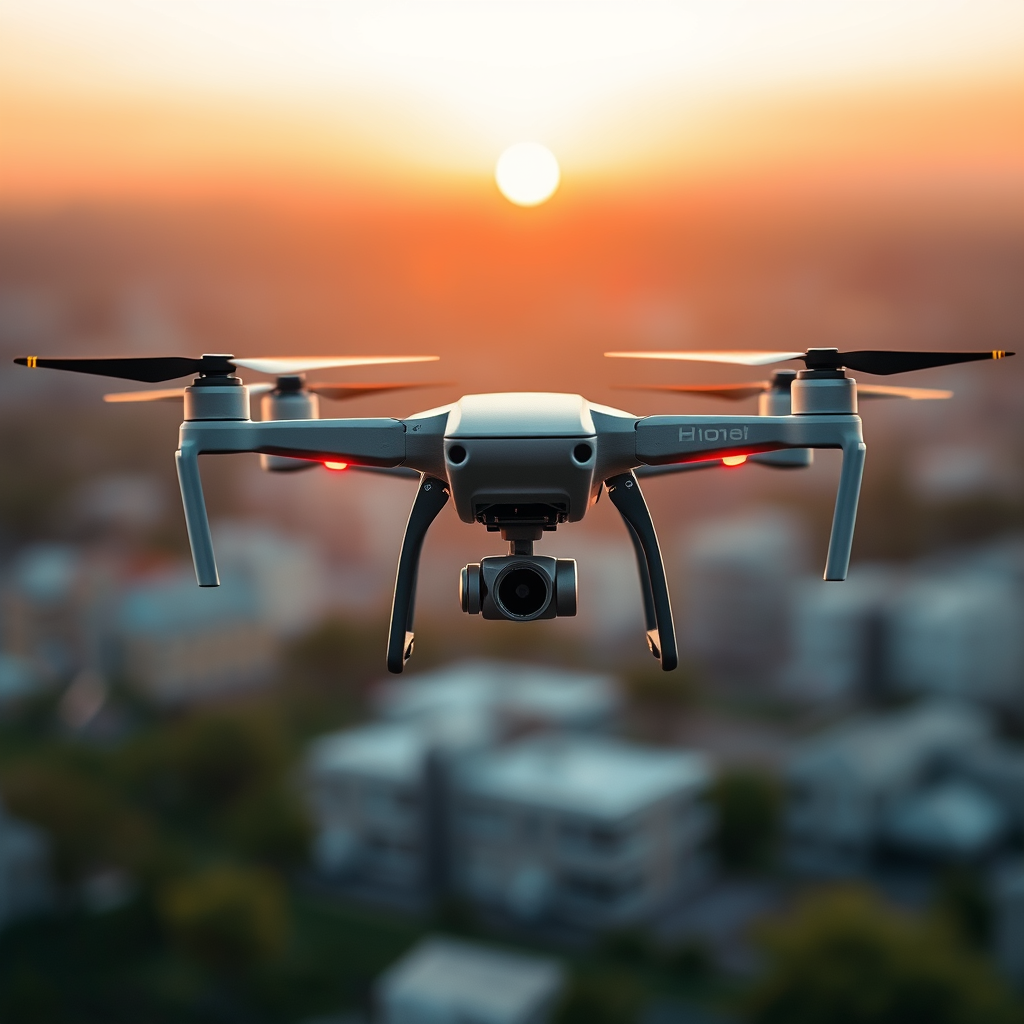
Yes, anyone can fly a drone, but there are various factors and regulations to consider before taking to the skies. Drones have surged in popularity over the past decade, becoming accessible not only to hobbyists but also to professionals across various industries. However, understanding the legal landscape, safety requirements, and essential flying skills is crucial for responsible and effective drone operation. This article explores who can fly a drone, the necessary requirements, and essential tips for safe flying.
Who Can Fly a Drone?
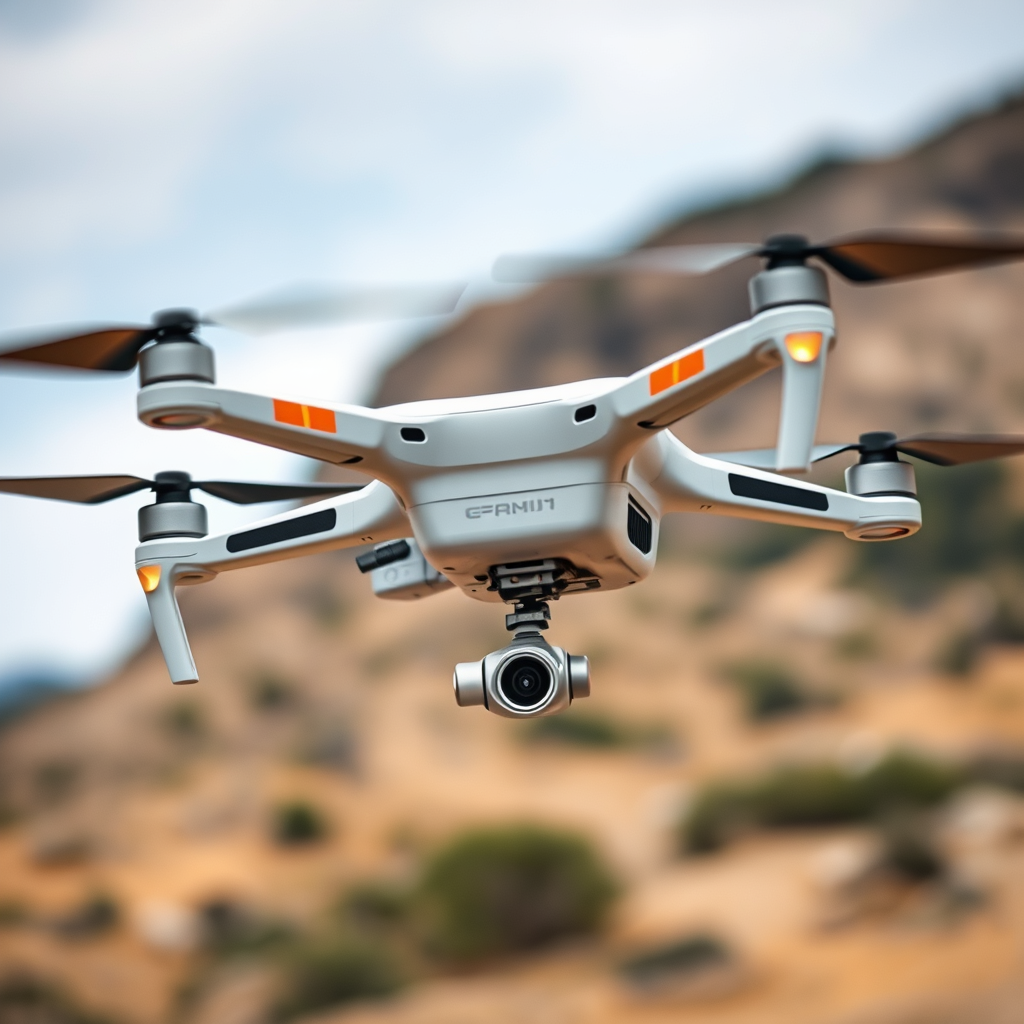
Drones are accessible to hobbyists and professionals alike, making them a versatile tool for various applications. The democratization of drone technology means that virtually anyone can take to the skies with the right equipment and knowledge. However, age restrictions may apply; many countries have regulations that require pilots to be at least 13 years old to operate drones legally. For instance, in the United States, the Federal Aviation Administration (FAA) stipulates that individuals under 13 require parental consent to register a drone, while in other regions, similar age-related guidelines exist.
Beyond age restrictions, it is essential for potential pilots to assess their own comfort with technology and flying. Some drones come equipped with advanced features like GPS stabilization, which can make piloting easier for beginners. However, those interested in professional applications may benefit from additional training and certification, particularly if they plan to use drones in commercial settings.
Regulatory Requirements
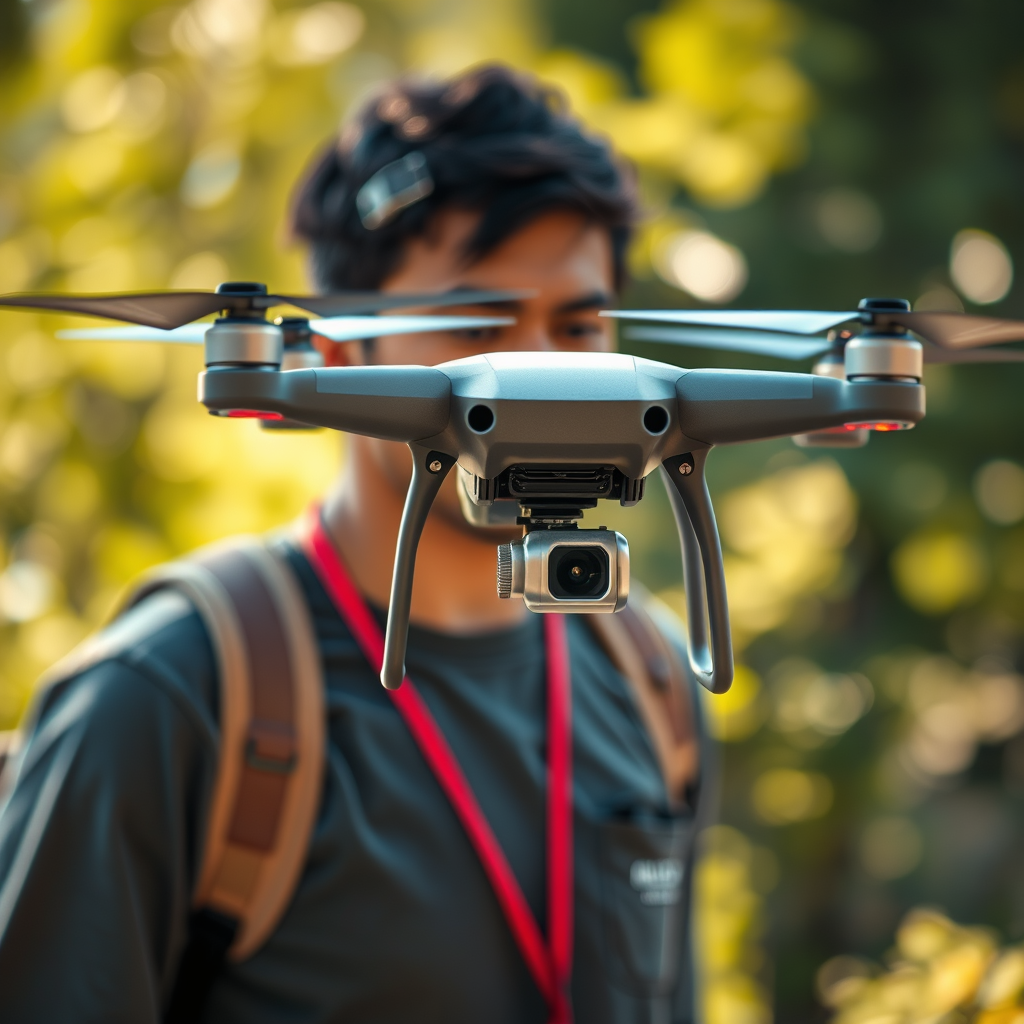
Before flying a drone, it’s critical to familiarize yourself with local laws and regulations regarding drone use. Different countries and regions have unique legal frameworks governing airspace and drone operation. In many areas, registration of your drone may be necessary, especially for commercial use. For instance, in the United States, the FAA requires all drones weighing more than 0.55 pounds to be registered, regardless of whether they are used for recreational or commercial purposes.
Moreover, drone operators must comply with airspace restrictions that vary by location. For example, flying near airports, crowded areas, or restricted military zones may be prohibited, and violations can lead to significant penalties. Therefore, it is advisable to conduct thorough research on local regulations and consider using apps or websites that provide real-time airspace data, helping pilots make informed decisions before launching their drones.
Types of Drones and Their Uses
Drones come in various shapes and sizes, each suited for different applications. Consumer drones are ideal for photography and recreational flying, allowing users to capture stunning aerial images and videos. Popular models such as the DJI Mavic Air 2 or the Parrot Anafi are designed with intuitive controls and built-in cameras, making them accessible for beginners while still delivering high-quality results.
On the other hand, commercial drones are utilized in industries such as agriculture, surveying, real estate, and delivery services. For instance, agricultural drones equipped with multispectral cameras can monitor crop health and optimize irrigation practices, ultimately leading to increased yields and reduced costs. Companies like Amazon have also begun exploring drone delivery systems to enhance logistics and customer service.
Understanding the type of drone that best fits your needs is crucial, as it influences not only your flying experience but also the potential applications and benefits you can derive from your drone.
Essential Skills for Flying a Drone
Flying a drone successfully requires a set of essential skills, starting with basic piloting abilities. Understanding the controls and navigation of your specific drone model is paramount. Many drones feature user-friendly interfaces, yet mastering the nuances of throttle, yaw, pitch, and roll is vital for smooth operation. New pilots should practice in safe, open areas to gain confidence before attempting more complex maneuvers.
Moreover, awareness of environmental factors, such as weather conditions and obstacles, is critical for safe flying. Wind, rain, and poor visibility can affect drone performance, so it is advisable to check the weather forecast before heading out. Additionally, being mindful of obstacles like trees, buildings, and power lines can help prevent accidents. A thorough pre-flight checklist can guide operators in assessing their surroundings and ensuring a safe flying experience.
Safety Tips for Flying Drones
Safety should be a top priority for all drone pilots. Always fly in open areas away from people and buildings to minimize risk. This not only helps avoid accidents but also respects the privacy of others. Additionally, keeping the drone within your line of sight is critical for maintaining control. Many jurisdictions require this practice as part of the legal regulations surrounding drone operation.
Furthermore, consider implementing a “safety buffer” by maintaining a distance from crowds and sensitive infrastructures. Familiarizing yourself with the drone’s features, such as its return-to-home function, can also enhance safety, allowing the drone to autonomously return to its launch point in case of signal loss or low battery.
Common Mistakes to Avoid
New drone pilots often make several common mistakes that can lead to accidents or legal issues. One of the most significant errors is flying without checking local airspace regulations. This oversight can result in unintended violations, which may carry hefty fines or even criminal charges. Always ensure you are aware of the specific laws and restrictions in your area before taking off.
Another critical mistake is underestimating battery life. Many novice pilots may be excited to fly and forget to check battery levels before launch. Running out of battery mid-flight can lead to loss of control and potential crashes. It is advisable to plan your flights carefully, accounting for the distance you intend to cover and the time required for safe operation. A good rule of thumb is to return the drone to its launch point with at least 20% battery remaining.
Resources for New Drone Pilots
For those new to the world of drone flying, a wealth of resources is available to enhance skills and knowledge. Online courses and tutorials can help improve flying skills, covering everything from basic piloting techniques to advanced aerial photography. Websites like Udemy and Skillshare offer a range of courses tailored to different skill levels and interests.
Local drone clubs can also provide invaluable community support and shared knowledge. Engaging with fellow enthusiasts allows new pilots to gain insights, tips, and mentorship opportunities. Moreover, these clubs often organize group flying sessions, which can be beneficial for building confidence and gaining practical experience in a supportive environment.
In conclusion, while anyone can fly a drone, it is essential to understand the regulations, necessary skills, and safety measures involved. From recognizing age restrictions and regulatory requirements to mastering piloting skills and avoiding common mistakes, being informed will enhance your experience and ensure responsible drone operation. Whether you’re flying for fun or work, embracing these guidelines will ensure you can enjoy the skies safely and effectively.
Frequently Asked Questions
Can anyone fly a drone without a license?
In many countries, including the United States, not everyone can fly a drone without a license. For recreational use, you typically do not need a license if your drone weighs less than 250 grams. However, for commercial purposes, the Federal Aviation Administration (FAA) requires a Remote Pilot Certificate, which involves passing a knowledge test. Always check local regulations as they can vary significantly.
What are the rules for flying a drone in residential areas?
When flying a drone in residential areas, it’s essential to adhere to local laws and regulations. This often includes flying below 400 feet, maintaining a visual line of sight, and avoiding flying over people or private property without permission. Additionally, check for any specific local ordinances, as some areas may have restrictions on drone flights to ensure safety and privacy for residents.
How can I ensure I fly my drone legally and safely?
To fly your drone legally and safely, start by familiarizing yourself with the regulations set by aviation authorities like the FAA in the U.S. Register your drone if it weighs over 0.55 pounds and complete any required training or certifications. Always conduct a pre-flight check, respect no-fly zones, avoid crowded areas, and be mindful of weather conditions. Following these guidelines will help you enjoy flying while staying compliant and safe.
Why do some drones require registration while others don’t?
The requirement for drone registration generally depends on the drone’s weight and intended use. In the U.S., drones that weigh between 0.55 pounds and 55 pounds must be registered with the FAA for safety reasons. This ensures accountability and helps track drone usage, especially as the number of drones in the air continues to grow. Always verify the weight of your drone and local regulations to determine if registration is necessary.
Which drones are best for beginners who want to fly casually?
For beginners looking to fly drones casually, models such as the DJI Mini SE, Holy Stone HS720, and Snaptain SP350 are excellent choices. These drones are user-friendly, lightweight, and typically come with features like GPS stabilization, altitude hold, and easy-to-use controls. They also offer a good balance of quality and price, making them accessible for novice pilots while providing essential functionalities to enhance the flying experience.
References
- https://en.wikipedia.org/wiki/Drone_flight_regulations
- https://www.faa.gov/uas/getting_started/
- https://www.nytimes.com/2021/12/13/technology/drone-ownership-legal-issues.html
- https://www.nasa.gov/feature/nasa-begins-drone-research-to-support-future-commercial-operations
- https://www.abc.net.au/news/science/2020-07-24/can-anyone-fly-a-drone/12488126
- https://www.auvsi.org/
- https://www.faa.gov/uas/education/
- https://www.nationalgeographic.com/science/article/drones-technology-aviation-animals-environment
