
Yes, drones can be detected by radar, though their visibility varies based on size, design, and the radar technology used. As the popularity of drones continues to rise, understanding their detectability becomes increasingly important for security, aviation safety, and regulatory compliance. This article explores how radar systems identify drones, the challenges inherent in detection, and the advancements currently being made in radar technology to improve drone surveillance.
Understanding Radar Technology
Radar, which stands for Radio Detection and Ranging, operates by emitting electromagnetic waves that bounce off objects and return to the radar system. The time it takes for the waves to return, along with the frequency shift of the waves, allows the system to determine the distance, speed, and direction of the detected objects. Different types of radar systems exist, including pulse radar, which emits short bursts of signals and listens for echoes, and continuous wave radar, which transmits a constant signal and measures the frequency shifts caused by moving objects.
The effectiveness of radar in detecting drones depends on various factors, including the radar’s operational frequency, resolution, and the specific design of the drone itself. High-frequency radars tend to be better at detecting smaller objects, while lower frequencies may struggle with smaller drones due to their reduced radar cross-section. Consequently, radar systems are being developed and adapted to meet the unique challenges posed by the diverse range of drone sizes and designs.
Types of Drones and Their Radar Profiles
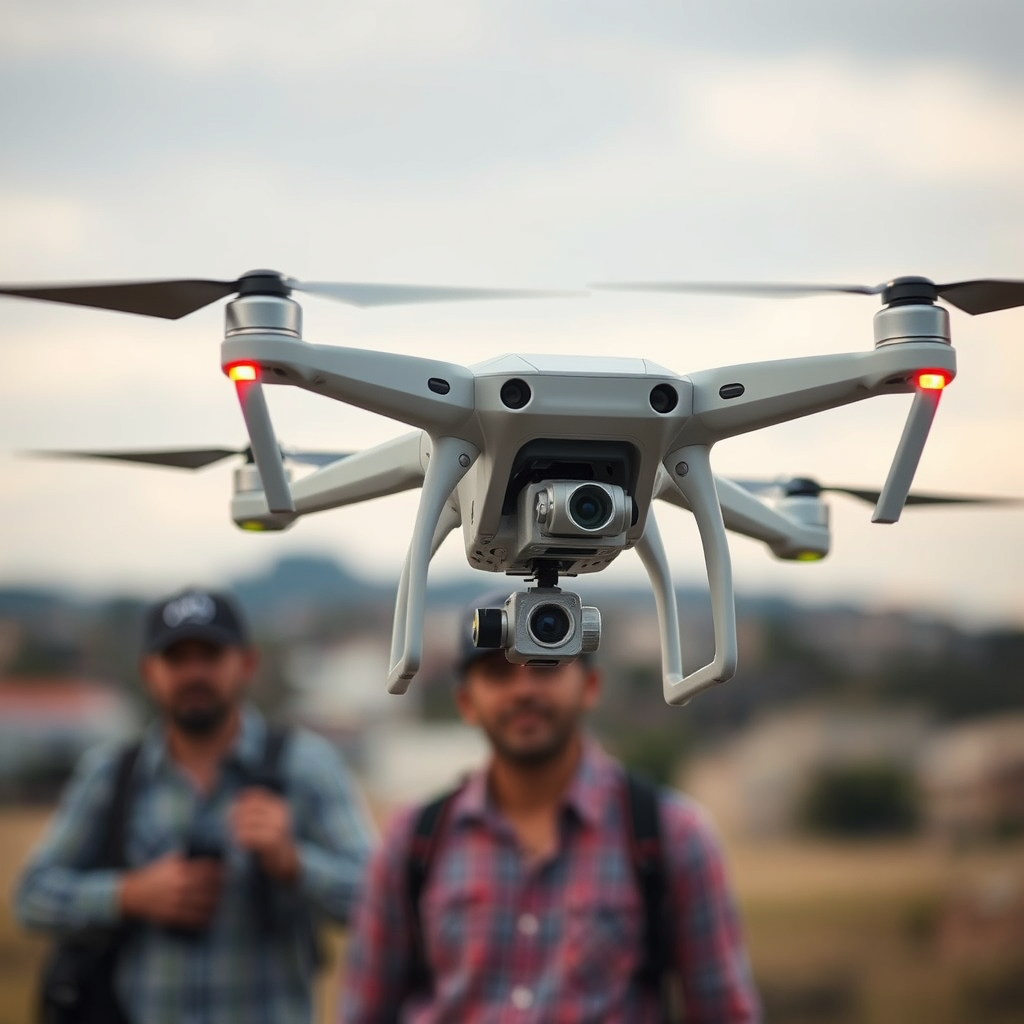
Drones come in various shapes and sizes, each with distinct radar profiles that affect their detectability. Small consumer drones, often weighing less than 2 kg, typically have a low radar cross-section due to their compact design and lightweight materials. This makes them more challenging for traditional radar systems to detect, particularly at longer ranges. For instance, a small quadcopter may be nearly invisible to standard radar systems, which are better suited for detecting larger aircraft.
In contrast, military drones and larger commercial drones are generally designed with features that make them more detectable. Military drones, such as the MQ-9 Reaper, often employ larger airframes and additional elements that enhance their radar signatures. These designs are essential for operation in environments where situational awareness is critical, making them easier to track with radar systems. Therefore, understanding the type of drone being used is crucial in assessing its likely detectability by radar.
Factors Affecting Drone Detection
While radar technology plays a significant role in detecting drones, several external factors can influence the performance and accuracy of these systems. Environmental conditions, such as rain, fog, and snow, can scatter radar signals and create noise, making it difficult for radar systems to distinguish between drones and other objects. Additionally, terrain features like hills and buildings can obstruct radar signals, further complicating detection efforts.
The angle of approach and altitude of the drone also significantly impact its visibility to radar systems. Drones flying at low altitudes or approaching from behind obstacles may escape detection, while those flying at higher altitudes or in open airspace are more likely to be picked up by radar systems. Understanding these variables is critical for both drone operators and those responsible for monitoring airspace security.
Advances in Radar Detection Technology
As the drone industry continues to evolve, so too do the technologies used to detect these unmanned aerial vehicles. New radar systems are being developed specifically for drone detection, incorporating advanced features that improve accuracy and extend detection range. For instance, multi-static radar systems, which utilize multiple radar units to provide a comprehensive view of airspace, are becoming increasingly popular for drone surveillance.
Moreover, the integration of artificial intelligence (AI) and machine learning into radar systems is transforming drone detection capabilities. These technologies enable systems to analyze vast amounts of data in real-time, allowing them to differentiate between drones and other flying objects, such as birds or planes. By filtering out false positives, AI-driven radar systems enhance the reliability of drone detection, making it a valuable tool for both security and aviation safety.
Alternative Drone Detection Methods
While radar is a primary method for detecting drones, a range of alternative technologies can complement radar systems for more effective monitoring. Infrared detection systems, for instance, utilize thermal imaging to identify the heat signatures of drones, making them useful for detecting drones during nighttime or in low-visibility conditions. Visual detection methods, such as cameras equipped with advanced processing capabilities, can provide additional layers of surveillance by capturing real-time footage of drone activity.
Combining multiple detection methods—known as a multi-modal approach—can enhance the overall effectiveness of drone surveillance. By integrating radar, infrared, and visual detection technologies, stakeholders can achieve a more comprehensive understanding of airspace activity and better respond to potential threats posed by unauthorized drones.
Regulatory and Security Implications
The advancement of drone detection capabilities brings forth crucial regulatory and security implications. As drones become more commonplace, the need for robust legal frameworks to govern their use and ensure public safety becomes paramount. Increased detection capabilities raise questions about privacy rights, as the potential for surveillance on private properties grows with improved monitoring technologies.
Striking a balance between enhancing security measures and protecting individual privacy rights is essential. Policymakers must engage with stakeholders, including drone operators, law enforcement, and civil rights organizations, to develop regulations that address these concerns comprehensively. As drone technology continues to proliferate, understanding these implications will be crucial for fostering a safe and responsible aerial environment.
In conclusion, while drones can indeed be detected by radar, various factors influence their visibility. The ongoing advancements in radar technology, coupled with alternative detection methods, are enhancing our ability to monitor airspace effectively. However, these advancements must be accompanied by thoughtful regulatory frameworks to address the emerging challenges of privacy and security. Staying informed about developments in drone detection technology is essential for stakeholders across various industries, as these innovations shape the future of aerial surveillance and safety.
Frequently Asked Questions
Can drones be detected by radar systems?
Yes, drones can be detected by radar systems, although the effectiveness varies based on the size of the drone and the type of radar technology used. Traditional radar systems are designed to detect larger aircraft, but advancements in radar technology have led to specialized systems that can identify smaller, low-flying drones. These systems use different frequencies and signal processing techniques to improve detection capabilities for unmanned aerial vehicles (UAVs).
How do radar systems differentiate between drones and other flying objects?
Radar systems differentiate between drones and other flying objects by analyzing the size, shape, and flight patterns of the detected objects. Advanced radar technologies, such as synthetic aperture radar (SAR) and phased-array radar, can provide detailed information about the object’s velocity and trajectory, allowing operators to distinguish drones from birds or other aircraft. Additionally, some systems use machine learning algorithms to enhance identification accuracy.
Why are small drones challenging to detect with traditional radar?
Small drones are challenging to detect with traditional radar due to their relatively low profile and small size, which makes them difficult to distinguish against background noise. Many consumer drones operate at low altitudes and have a limited radar cross-section (RCS), meaning they reflect fewer radar waves back to the source. This combination of factors often results in a high false-negative rate when using conventional radar systems, prompting the need for specialized detection technologies.
What are the best methods for detecting drones beyond radar?
Beyond radar, the best methods for detecting drones include radio frequency (RF) detection, acoustic sensors, and visual surveillance systems. RF detection systems can capture the communication signals between a drone and its operator, while acoustic sensors analyze sound patterns to identify drone activity. Visual surveillance, particularly with the use of cameras and artificial intelligence, provides real-time monitoring and can help in recognizing drone types and behaviors, ensuring a comprehensive detection strategy.
Which technologies are being developed to improve drone detection?
New technologies being developed to improve drone detection include advanced radar systems, machine learning algorithms, and integrated sensor networks. Companies are investing in multi-sensor fusion systems that combine radar, RF, and optical technologies to enhance detection accuracy. Additionally, drone detection solutions are increasingly incorporating AI analytics to predict potential threats and automate responses, significantly improving safety in airspace management and security applications.
References
- https://en.wikipedia.org/wiki/Drone_detection
- https://www.nist.gov/news-events/news/2018/07/nist-research-drone-detection-technology
- https://www.faa.gov/newsroom/faa-releases-drones-are-legal-where-you-fly
- https://www.ncbi.nlm.nih.gov/pmc/articles/PMC7341896/
- https://www.theguardian.com/technology/2020/jan/04/drones-in-uk-can-they-be-detected
- https://www.researchgate.net/publication/331414896_Drone_detection_systems
- https://www.sciencedirect.com/science/article/pii/S1877050919312808
- https://www.iaru-r1.org/wp-content/uploads/2020/12/DroneDetection-Report.pdf
