
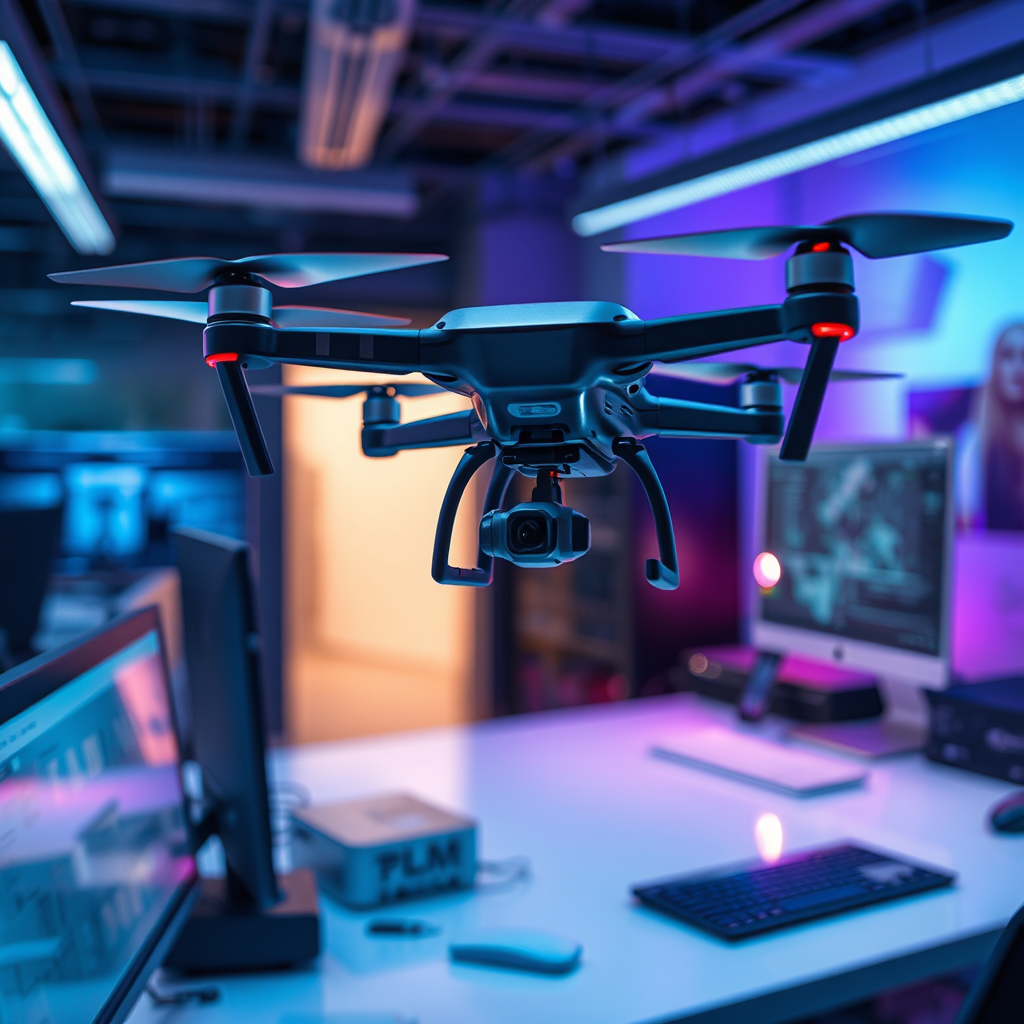
Drones cannot see through walls in the traditional sense; however, they can utilize specialized technologies to gather data from within structures. These advancements allow for innovative applications across various fields, from surveillance to search and rescue operations. In this article, we will delve into the capabilities and limitations of drones when it comes to penetrating barriers, as well as the technologies that enable enhanced surveillance.
Understanding Drone Imaging Technology
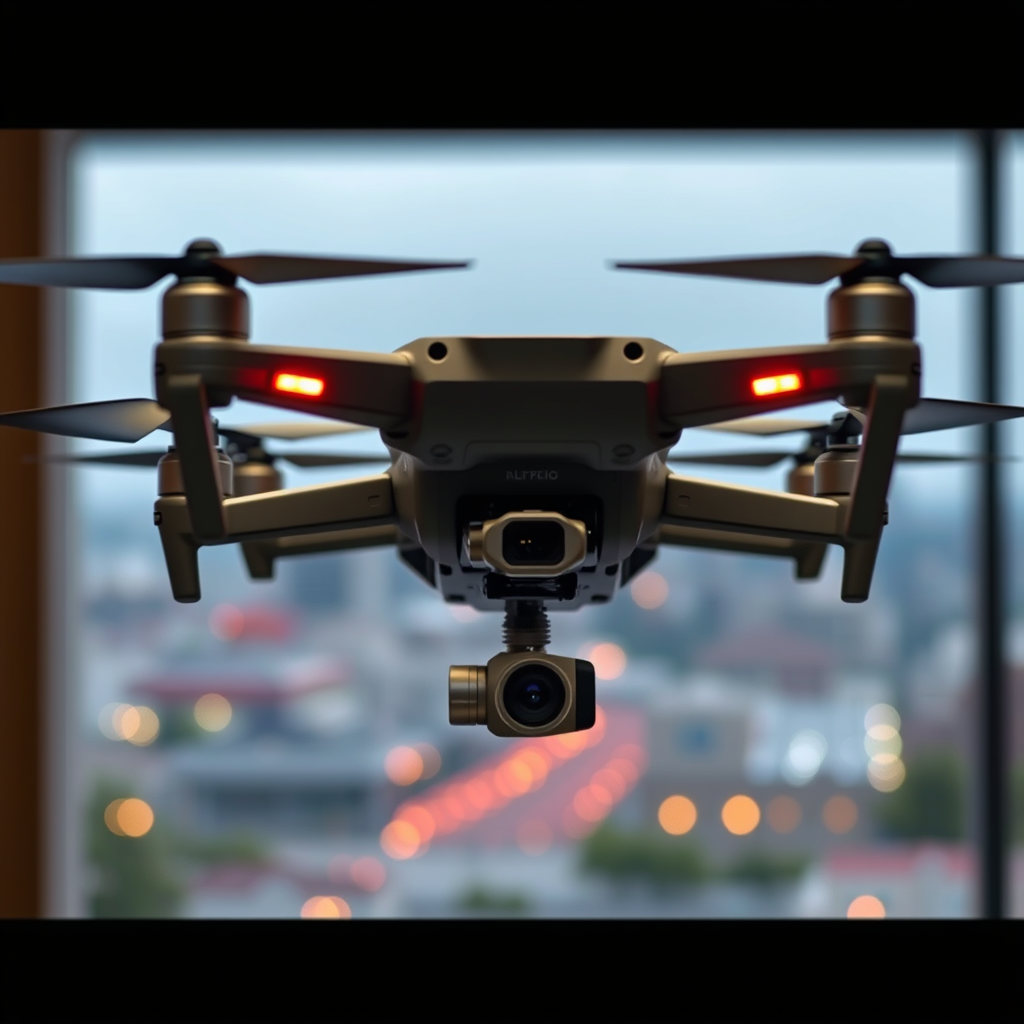
Drones typically rely on a combination of cameras and sensors to capture visual data. Standard imaging often involves high-definition cameras that provide clear visuals of the environment from an aerial perspective. However, when it comes to seeing through walls, the limitations of conventional imaging become evident.
Advanced imaging technologies such as thermal and infrared sensors can detect heat signatures emitted from objects and living beings within structures. For instance, thermal imaging can help identify individuals hiding behind walls by capturing their body heat. However, these technologies do not allow drones to “see” through walls in the literal sense; rather, they provide indirect data that can suggest the presence of objects or people inside a building.
For example, drones equipped with thermal cameras have been extensively used in law enforcement and firefighting operations, allowing responders to identify hotspots in fires or locate missing persons in dark environments. While these technologies enhance situational awareness, they are not foolproof and depend heavily on the materials of the walls and ambient temperature conditions.
The Role of Radar Technology
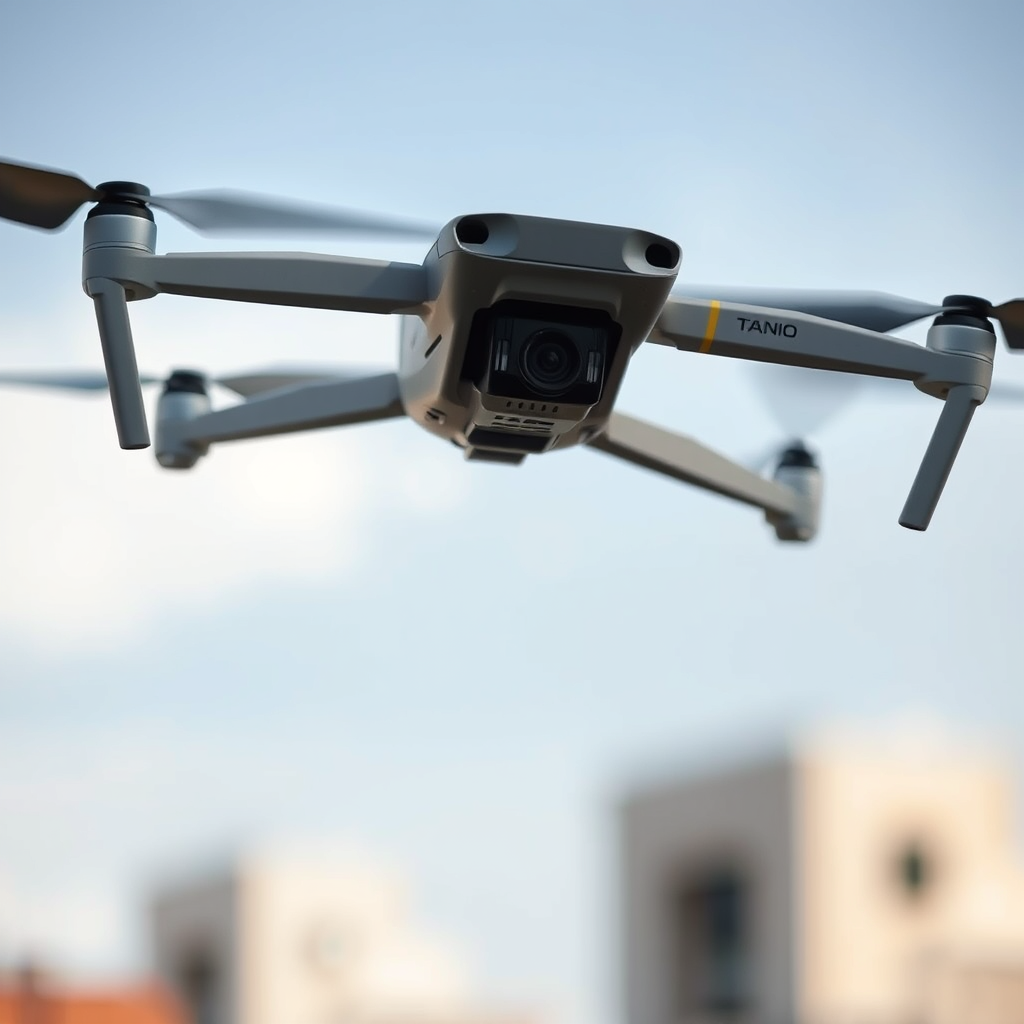
Ground-penetrating radar (GPR) is a technology that can identify objects beneath surfaces, such as soil or concrete, but it is not commonly used in consumer drones. GPR works by sending pulse radar waves into the ground and measuring the reflected signals to determine the presence and location of underground objects.
Some higher-end drones are equipped with radar systems that can detect movement behind walls to a limited extent. These radar systems can identify changes in electromagnetic waves that occur when an object moves, providing a level of situational awareness even when direct line-of-sight is obstructed. For instance, military applications have utilized radar-equipped drones to monitor enemy movements in urban environments, allowing for strategic operations without exposing personnel to direct danger.
Nevertheless, the use of radar technology in consumer drones is still in its infancy. The complexity of integrating such equipment, coupled with the high costs, has kept it primarily within specialized fields. As technology progresses, we may see more widespread adoption of radar systems in commercial drones.
Applications of Drones in Surveillance
Drones have found numerous applications in surveillance, particularly in law enforcement and security sectors. Their ability to monitor suspicious activity without a direct line-of-sight provides significant strategic advantages. For instance, during large public events or demonstrations, drones can be deployed to maintain situational awareness and ensure public safety without requiring officers to be in potentially dangerous positions.
In search and rescue missions, drones equipped with thermal imaging capabilities are invaluable. They can quickly survey vast areas to locate individuals trapped in buildings or lost in remote locations. For example, during natural disasters such as earthquakes or floods, drones can be used to assess damage and locate survivors without risking human lives. The speed and efficiency of drone technology in these scenarios have revolutionized emergency response efforts.
Moreover, industries such as agriculture and infrastructure monitoring have started to deploy drones for surveillance purposes. By using high-resolution cameras and multispectral sensors, farmers can monitor crop health, while inspectors can assess the condition of bridges and buildings, identifying potential issues before they become catastrophic.
Limitations of Current Drone Technologies
Despite their advanced capabilities, drones face significant restrictions when it comes to penetrating barriers effectively. One of the primary limitations is the nature of building materials. Walls made from concrete, brick, or metal can absorb or reflect signals emitted by thermal and radar technologies, making it challenging to detect anything behind them. Consequently, the effectiveness of these technologies can vary significantly based on the construction material and wall thickness.
Additionally, legal and ethical considerations limit the use of drones for intrusive surveillance. Many regions have strict regulations governing drone operations, particularly concerning privacy rights. These regulations often require operators to obtain special licenses or permits, particularly when using drones for surveillance purposes in populated areas.
As public awareness of privacy concerns grows, the ethical implications of using drones for surveillance must be carefully navigated. Balancing the benefits of drone technology with respect for individual privacy rights remains a critical challenge for developers, regulators, and users alike.
Future Developments in Drone Technology
Ongoing research and development aim to enhance drone capabilities in penetrating barriers and gathering data from within structures. Potential advancements include improved radar systems that can better differentiate between various materials and provide more accurate readings. This could revolutionize how drones are utilized in search and rescue operations, law enforcement, and other fields requiring surveillance capabilities.
Integration with artificial intelligence (AI) is another area of focus. AI can enhance data analysis, allowing drones to interpret complex data sets and make real-time decisions based on the information gathered. For instance, AI could help automate the identification of heat signatures or movement patterns, improving operational efficiency in critical situations.
Additionally, collaborations between tech companies and regulatory bodies are essential for shaping the future of drone technology. By establishing clear guidelines and standards for drone usage, stakeholders can help ensure that advancements are made in ways that respect privacy and ethical considerations.
Legal and Ethical Implications
The legal landscape surrounding drone use is complex and varies significantly by region. In some countries, regulations are stringent, requiring operators to adhere to strict guidelines that dictate how and where drones can be deployed. This is particularly true for surveillance applications, where privacy concerns are paramount.
Public privacy concerns must be addressed as drone technology evolves. The ability of drones to capture high-resolution imagery and data raises questions about surveillance overreach and the potential for misuse. As such, it is crucial for drone operators to remain informed about local laws and engage in ethical practices to maintain public trust.
Engaging with communities to discuss drone use and its implications can also help alleviate fears and build a foundation for responsible drone operations. Stakeholders, including developers, regulators, and users, must collaborate to create a framework that balances technological innovation with public accountability.
In conclusion, while drones cannot literally see through walls, advancements in imaging and radar technologies provide some capabilities for surveillance. Applications in law enforcement, search and rescue missions, and infrastructure monitoring demonstrate the potential benefits of drone technology. However, limitations due to building materials, legal restrictions, and ethical considerations must be acknowledged and navigated carefully. As technology progresses, the potential applications and implications of these tools will continue to expand. Staying informed about the latest developments in drone technology and its ethical considerations is essential for all stakeholders involved.
Frequently Asked Questions
Can drones see through walls using thermal imaging?
Drones equipped with thermal imaging cameras can detect heat signatures emitted from objects, which can sometimes indicate the presence of people or animals behind walls. However, this does not mean they can “see through” walls in the traditional sense, as thermal imaging only captures temperature differences rather than clear visual images. Therefore, while thermal drones can provide some insights into what’s behind a wall, their capabilities are limited and not foolproof.
What technologies allow drones to see inside buildings?
Drones primarily use thermal imaging and LiDAR (Light Detection and Ranging) technology to gather data about structures. Thermal cameras detect heat, while LiDAR uses laser light to create detailed 3D maps of the environment, which can help locate structural features. However, neither technology allows drones to literally see through walls; they can only provide indirect information about what is inside a building.
Why can’t drones see through solid walls?
Drones cannot see through solid walls because most common building materials, such as wood, concrete, and brick, block electromagnetic waves, including visible light and infrared radiation. This means that the walls prevent drones from capturing clear images or data about what is behind them. The physics of electromagnetic wave propagation dictates that solid objects absorb or reflect these waves, making it impossible for drones to penetrate them visually.
What are the privacy concerns regarding drones and their ability to detect activity inside buildings?
The use of drones equipped with thermal imaging and other advanced sensors raises significant privacy concerns. Individuals may feel their privacy is violated if drones can detect their movements or heat signatures inside their homes. Many regions have laws governing drone surveillance to protect privacy; therefore, it’s important for drone operators to understand and comply with these regulations to avoid legal issues.
Which drones are best for surveillance with thermal imaging capabilities?
Some of the best drones for surveillance that include thermal imaging capabilities are the DJI Mavic 2 Enterprise Dual, FLIR SkyRanger R70, and Parrot Anafi USA. These drones are designed for professional use, featuring high-resolution thermal cameras that can effectively monitor heat signatures. When selecting a drone for surveillance, consider factors like camera quality, battery life, and the specific needs of your project to ensure optimal performance.
References
- https://en.wikipedia.org/wiki/Drone_technology
- https://www.sciencedirect.com/science/article/pii/S1877050919310685
- https://www.bbc.com/news/technology-41205678
- https://www.nytimes.com/2019/06/25/technology/drone-technology.html
- https://www.researchgate.net/publication/329771469_Concepts_of_Drone_Applications_in_Security_and_Military
- https://www.nist.gov/news-events/news/2020/01/nist-research-drones-boost-safety-reliability-construction-sites
- https://www.technologyreview.com/2020/01/17/844032/drones-military-surveillance-privacy/
- https://www.wired.com/story/what-drones-can-see/
