
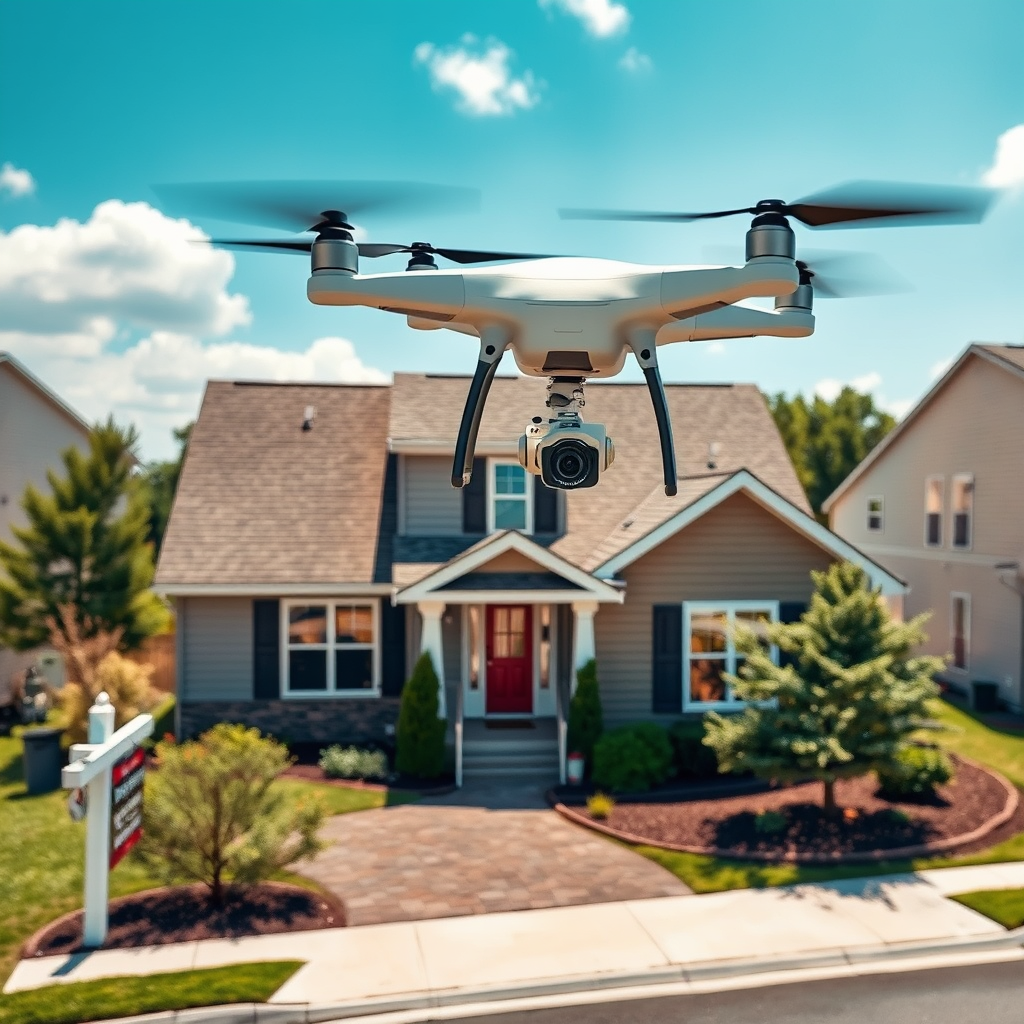
Yes, you can fly a drone over private property in Michigan, but there are specific regulations and considerations you must follow. Understanding both state laws and property rights is crucial to ensure compliance and avoid legal issues. Drones have become increasingly popular for recreational and commercial use, but their operation is governed by a complex framework of federal, state, and local regulations. This article delves into the various aspects that drone pilots in Michigan should consider when flying over private property.
Understanding Drone Regulations in Michigan
In Michigan, drone operators must adhere to federal regulations established by the Federal Aviation Administration (FAA). The FAA requires that all drone pilots register their drones if they weigh more than 0.55 pounds and follow the Part 107 rules if they are using the drone for commercial purposes. These regulations cover essential aspects such as altitude limits, no-fly zones, and the need to maintain visual line-of-sight with the drone during operation.
In addition to federal regulations, local laws may impose further restrictions on drone flying. For example, some municipalities may have ordinances that limit where drones can be flown, especially in densely populated areas or near sensitive locations such as schools and hospitals. It is essential for drone pilots to research local rules and regulations to ensure that they are flying within the law and avoid potential fines or legal action.
Property Rights and Airspace
Landowners in Michigan have rights to the airspace directly above their property, which can influence drone usage. While the FAA governs navigable airspace, the legal interpretation of what constitutes “navigable airspace” can vary. Generally, airspace above 500 feet is considered navigable and is under FAA jurisdiction; however, the airspace directly above someone’s home is often viewed as private property. This means that while you may legally fly a drone at higher altitudes, doing so directly over private property without permission can lead to disputes.
The Michigan Supreme Court has established precedents indicating that property owners may have rights to control the use of airspace above their land. Thus, drone pilots should be mindful of engaging with property owners before flying overhead, especially in cases where the drone may capture images or video footage that could infringe on privacy rights.
Privacy Concerns
Flying over private property can raise significant privacy issues. Homeowners may feel that their personal space is being invaded when drones hover above their properties, even if the operator is abiding by drone regulations. This can lead to confrontations or, in some cases, legal action if homeowners believe their privacy rights have been violated.
To mitigate potential conflicts, drone operators should exercise discretion and respect for personal privacy. It’s advisable to avoid flying over residential areas unless necessary and to seek permission from property owners when feasible. Clear communication and consideration can help maintain good relations and prevent misunderstandings between drone pilots and homeowners.
Local Ordinances and Restrictions
Drone regulations can vary significantly from one locality to another in Michigan. Some cities and towns have enacted specific drone restrictions that may include designated no-fly zones, operational time restrictions, or outright bans in certain areas. For instance, cities like Detroit and Grand Rapids may have stricter regulations that aim to protect citizens’ privacy and safety.
Before flying your drone, it is critical to check local laws and ordinances to ensure compliance. Many municipalities publish their regulations online, making it easier for drone operators to stay informed. Ignoring local rules can result in penalties and could also damage a drone pilot’s reputation within the community.
Safety and Liability Considerations
When flying a drone, safety should be a top priority. This includes ensuring that the drone is operated at a safe distance from people, structures, and vehicles. The FAA mandates that drones cannot be flown over groups of people or moving vehicles, and operators should maintain a minimum distance from buildings unless they have obtained explicit permission from the property owner.
Liability issues can also arise from drone accidents, which can lead to property damage or personal injury. Drone operators should consider obtaining liability insurance to cover potential damages. This insurance can provide peace of mind and protect operators from financial repercussions in the event of an incident. Additionally, familiarizing oneself with best practices for drone operation can significantly reduce risks associated with flying.
Best Practices for Flying Drones
To ensure compliance with laws and regulations, drone operators should follow several best practices. First and foremost, if you plan to use a drone for commercial purposes, it is essential to obtain the necessary permits and permissions. This may include obtaining a Part 107 certification from the FAA for commercial operations.
Additionally, drone pilots should adhere to all safety guidelines provided by the FAA and local authorities. This includes following altitude restrictions, maintaining a visual line of sight, and avoiding restricted airspace. When flying near private property, obtaining permission from the landowner is not only courteous but can also enhance safety and reduce the likelihood of conflicts.
Drone operators should also stay abreast of any changes in regulations at both the federal and local levels. This can be done by subscribing to updates from the FAA, local government websites, or drone pilot networks. Staying informed will help ensure that you remain compliant and can enjoy your drone flying experience without unnecessary complications.
In conclusion, while you can fly a drone over private property in Michigan, it’s essential to navigate the complex landscape of laws and regulations. Understanding federal and local drone regulations, respecting property rights, and being mindful of privacy concerns are crucial steps for responsible drone operation. By adhering to best practices and maintaining open communication with property owners, you can ensure a positive flying experience while minimizing legal risks. Always stay informed and respectful of individual property rights to foster goodwill and safety in the growing world of drone technology.
Frequently Asked Questions
Can you legally fly a drone over private property in Michigan?
Yes, you can legally fly a drone over private property in Michigan, but there are specific regulations you need to follow. According to federal law, drone operators must adhere to the FAA regulations, which generally allow flying over private property as long as you are not violating the privacy rights of individuals or infringing on property boundaries. It’s crucial to check local ordinances, as some municipalities may have additional restrictions.
What are the privacy laws regarding flying a drone over someone’s home in Michigan?
In Michigan, privacy laws state that you cannot use a drone to invade someone’s privacy, which includes capturing images or video of individuals in situations where they have a reasonable expectation of privacy. While flying over private property is permitted, doing so with the intent to surveil or capture private activities may lead to legal repercussions. Always ensure your drone activities are respectful of others’ privacy to avoid potential conflicts.
How high can you fly a drone over private property in Michigan?
In Michigan, the FAA regulates drone altitude, allowing you to fly up to 400 feet above ground level when operating in uncontrolled airspace. While you can technically fly at this altitude over private property, it’s essential to maintain a safe distance from buildings and other structures to minimize risks and respect the rights of property owners. Always check for any local regulations that could impose additional height restrictions.
What should you do if a property owner asks you to stop flying your drone over their land in Michigan?
If a property owner requests that you stop flying your drone over their property in Michigan, it is advisable to comply with their request. While you may have the legal right to fly over private property, respecting the wishes of the landowner can help avoid conflicts and potential legal issues. Open communication can often lead to a better understanding and may even allow for future collaboration if they see the value in drone photography or surveying.
Which permits or licenses do you need to fly a drone for commercial purposes over private property in Michigan?
To fly a drone for commercial purposes over private property in Michigan, you must obtain a Remote Pilot Certificate from the FAA, which involves passing an aeronautical knowledge test. Additionally, if you plan to conduct commercial operations in specific areas or for certain applications (like real estate or agriculture), you may need to apply for additional permits depending on local regulations. Always ensure compliance with federal, state, and local laws to operate legally and safely.
References
- https://www.michigan.gov/dnr/things-to-do/outdoors/drone-flying
- https://www.michigan.gov/egle/about/initiatives/drone-flying
- https://www.oregon.gov/odot/Programs/Pages/Drone.aspx
- https://www.nolo.com/legal-encyclopedia/drone-laws-michigan-32806.html
- https://www.theverge.com/2018/8/1/17640320/drone-laws-regulations-what-you-need-to-know
- https://www.cnet.com/tech/mobile/drone-laws-in-the-us-where-you-can-and-cant-fly/
- https://www.mlive.com/news/2021/01/michigan-drone-law-and-what-you-need-to-know.html
