
Yes, you can use a drone to recover deer in Minnesota, but there are specific regulations and considerations to keep in mind. Drones can be a valuable tool for locating downed deer, especially in dense terrain where traditional tracking methods may fall short. However, to effectively utilize drones for this purpose, hunters must adhere to state laws and be aware of the ethical implications involved in their use.
Understanding Minnesota’s Drone Regulations
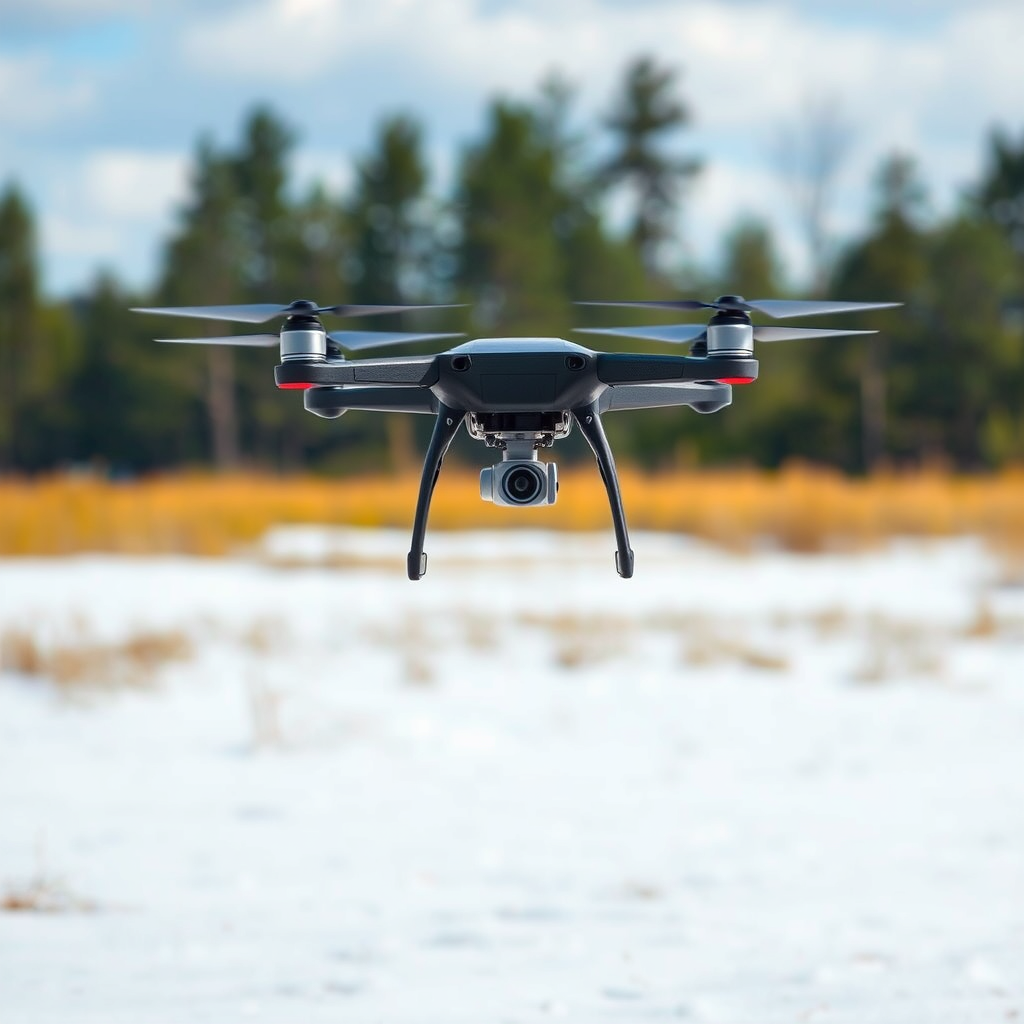
In Minnesota, the use of drones is governed by both federal and state regulations. The Federal Aviation Administration (FAA) has established rules that apply to all drone operations, which include restrictions on altitude and designated no-fly zones. For recreational users, drones must be flown at or below 400 feet and away from populated areas and airports to ensure safety and compliance with aviation laws.
Additionally, Minnesota has specific laws regarding the use of drones during hunting seasons. According to the Minnesota Department of Natural Resources (DNR), using drones to assist in hunting or to locate game animals is generally prohibited during the hunting season. This means that hunters must be cautious about the timing of their drone use and ensure that they only employ drones for recovery after the hunt has concluded. Furthermore, the use of drones for scouting before the hunting season is also regulated, so it is crucial to familiarize yourself with the specific guidelines before taking to the skies.
Benefits of Using Drones for Deer Recovery
One of the primary advantages of using drones for deer recovery is their ability to quickly cover large areas of land. When a deer is downed in a vast or heavily wooded terrain, it can take hours or even days for hunters to locate it using traditional methods. Drones, however, can efficiently scan the landscape, reducing recovery time significantly. This capability is particularly beneficial in Minnesota’s expansive wilderness areas, where visibility can be limited.
Moreover, many modern drones are equipped with advanced thermal imaging technology, allowing them to detect heat signatures even in low-light conditions or amidst dense foliage. This feature can be invaluable for locating a downed deer that may be hidden from view due to underbrush or other obstacles. For example, a drone with a thermal camera can identify a deer lying motionless in the brush, guiding the hunter directly to it. This efficiency not only saves time but also aids in the ethical retrieval of the animal, minimizing any potential suffering.
Limitations and Challenges
Despite their advantages, there are notable limitations and challenges associated with using drones for deer recovery. Weather conditions can significantly impact drone performance; strong winds, rain, or snow can hinder flight capabilities or reduce visibility. For instance, drones may struggle to maintain stability in gusty conditions, which could lead to crashes or loss of signal.
Another challenge is the battery life and flight time of drones. Most consumer drones have a limited flight time—typically ranging from 20 to 30 minutes on a single charge. This limitation can restrict the range of recovery efforts, especially in larger hunting areas where multiple flight paths may be necessary. Hunters should plan their drone usage carefully, ensuring they have sufficient battery life for the intended recovery area and considering backup power sources if needed.
Best Practices for Using Drones in Deer Recovery
To maximize the effectiveness of drones in deer recovery, hunters should adhere to best practices that promote responsible usage. Before deploying a drone, it is imperative to check local regulations and ensure compliance with both state and federal laws. This includes verifying the timing of drone use to avoid any legal repercussions.
Additionally, hunters should not rely solely on drones for recovery. Instead, they should use drones in conjunction with traditional tracking methods, such as employing tracking dogs or following blood trails. Combining these methods can enhance overall recovery success rates and ensure that the animal is located in a timely and ethical manner. Furthermore, practicing drone operation skills and familiarizing oneself with the equipment prior to a recovery effort can lead to improved results.
Ethical Considerations
Ethical considerations play a crucial role in the use of drones for deer recovery. Hunters must ensure that their drone usage does not disturb wildlife or interfere with the hunting experiences of others. For instance, flying a drone over a hunting area could potentially scare away other game animals or disrupt other hunters actively pursuing their quarry. It is essential to maintain respectful distance from other hunters and wildlife to foster an environment of shared respect in the field.
Moreover, privacy concerns must also be taken into account when operating drones. Hunters should avoid flying drones over private property without permission, as this could lead to legal issues and violate the privacy of landowners. Engaging in open communication with neighboring landowners can help mitigate these concerns and foster a cooperative hunting community.
Technological Advancements in Drone Use
The field of drone technology is advancing rapidly, leading to the emergence of new models with enhanced features that can significantly benefit hunters. For example, many new drones offer features such as obstacle avoidance technology, which can prevent crashes when flying in complex environments. Additionally, improved camera quality allows for clearer imaging and more precise identification of downed deer.
Looking ahead, future developments in drone technology may lead to even more efficient recovery methods for hunters. Innovations such as artificial intelligence (AI) could enable drones to autonomously identify heat signatures or movement patterns, further streamlining the recovery process. As technology continues to evolve, hunters should stay informed about new capabilities that could enhance their recovery efforts while remaining compliant with regulations.
In conclusion, using a drone to recover deer in Minnesota is a viable option, provided hunters follow regulations and consider ethical implications. The ability of drones to quickly cover large areas and utilize thermal imaging technology can significantly enhance recovery efforts, making it a valuable tool in the field. However, it is essential for hunters to remain informed about local laws and best practices to ensure responsible and ethical use. If you’re interested in exploring this option, consider investing in a quality drone, familiarizing yourself with local laws, and practicing safe operation to maximize your success in deer recovery.
Frequently Asked Questions
Can you legally use a drone to recover deer in Minnesota?
Yes, you can legally use a drone to recover deer in Minnesota, provided you follow specific regulations set by the Minnesota Department of Natural Resources (DNR). It’s important to ensure that the drone is flown in compliance with federal FAA regulations and that it does not disturb wildlife or other hunters. Always check for any local rules or hunting season regulations that might affect drone use as well.
What are the benefits of using a drone for deer recovery?
Using a drone for deer recovery offers several advantages, including enhanced visibility over large areas of terrain and the ability to cover difficult-to-reach locations quickly. Drones equipped with thermal imaging can help locate deer that may be hidden in dense cover or lying down, significantly increasing the chances of finding a downed animal. This technology can save time and effort during the recovery process, making it a valuable tool for hunters.
How do I effectively use a drone to locate a downed deer?
To effectively use a drone for locating a downed deer, start by mapping out the area where you believe the deer may be. Make sure to fly the drone at a height that allows for a good field of view while being cautious of any obstacles like trees or power lines. Utilize the drone’s camera features, such as zoom or thermal imaging, to identify any signs of the deer, such as blood trails or the deer itself. Be patient and methodical in your search, covering all potential areas.
Which drone features are best for deer recovery?
The best drones for deer recovery typically come with features such as high-resolution cameras, GPS capabilities, and thermal imaging technology. Drones like the DJI Mavic 2 Enterprise or the Skydio 2 are popular choices among hunters due to their advanced imaging systems and reliability. Additionally, drones with long flight times and robust battery life are advantageous for extended searches in the field.
Why should hunters consider using drones for deer recovery instead of traditional methods?
Hunters should consider using drones for deer recovery because they enhance efficiency and accuracy compared to traditional tracking methods. Drones can cover vast areas in a fraction of the time it would take to search on foot, reducing the stress on both the hunter and the animal. Additionally, drones minimize the disturbance to the surrounding environment and wildlife, allowing for a more humane and effective recovery process.
References
- https://www.dnr.state.mn.us/hunting/deer/index.html
- https://www.dnr.state.mn.us/hunting/deer/faq.html
- https://www.wildlife.state.nm.us/hunting/deer/
- https://www.nytimes.com/2021/11/10/us/deer-hunting-drones.html
- https://www.mprnews.org/story/2022/11/09/minnesota-drones-hunting-deer
- https://www.minnesotadnr.gov/
- https://www.nass.usda.gov/Stats_by_State/Minnesota/Publications/Annual_Statistical_Bulletin/2022/Deer.pdf
- https://www.nrdc.org/stories/how-technology-changing-hunting-and-fishing
- https://www.sciencedirect.com/science/article/pii/S2351989418303202
