
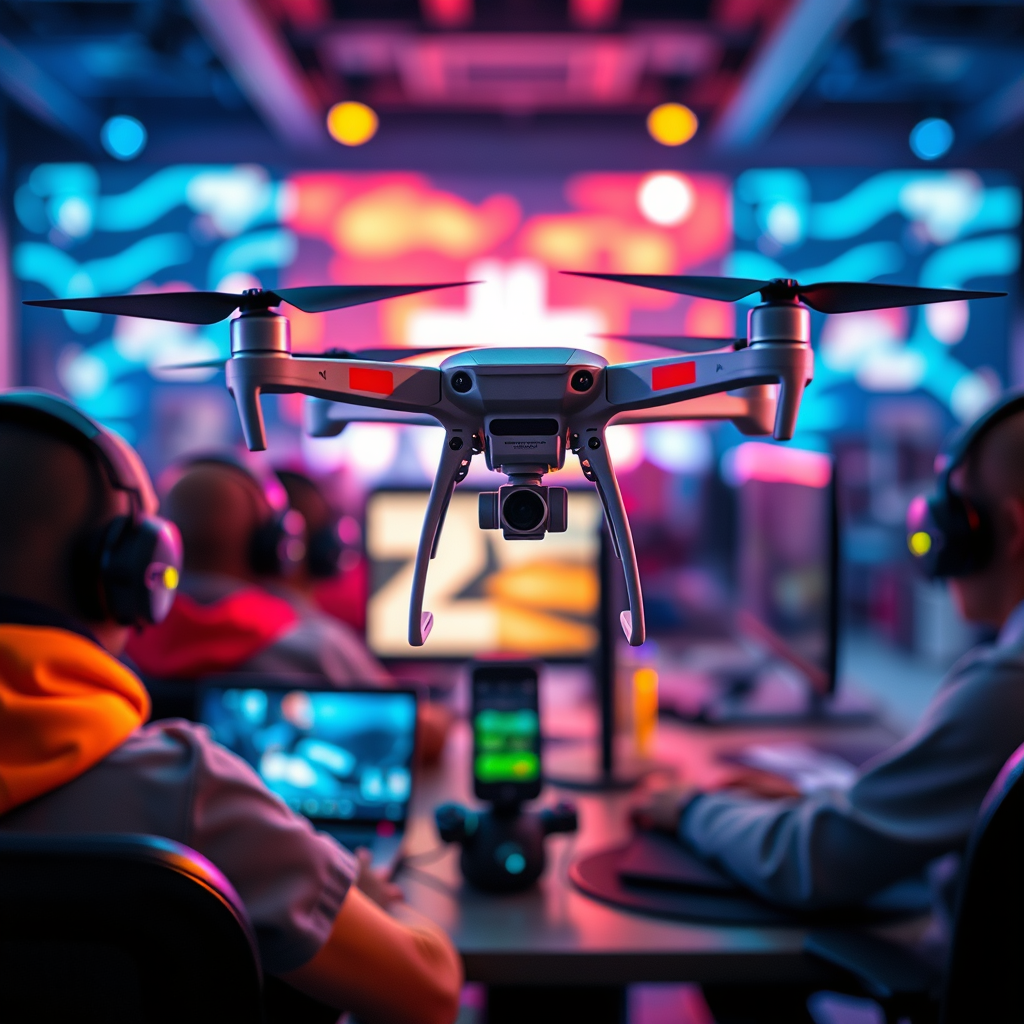
Drones can typically fly anywhere from a few hundred meters to several kilometers away from their controller, depending on various factors such as technology, regulations, and environmental conditions. The distance a drone can cover is influenced by its design, the quality of its components, and the operational environment. Understanding these elements is essential for both hobbyists and professionals utilizing drones for various applications, including photography, surveying, and recreational flying.
Understanding Drone Range
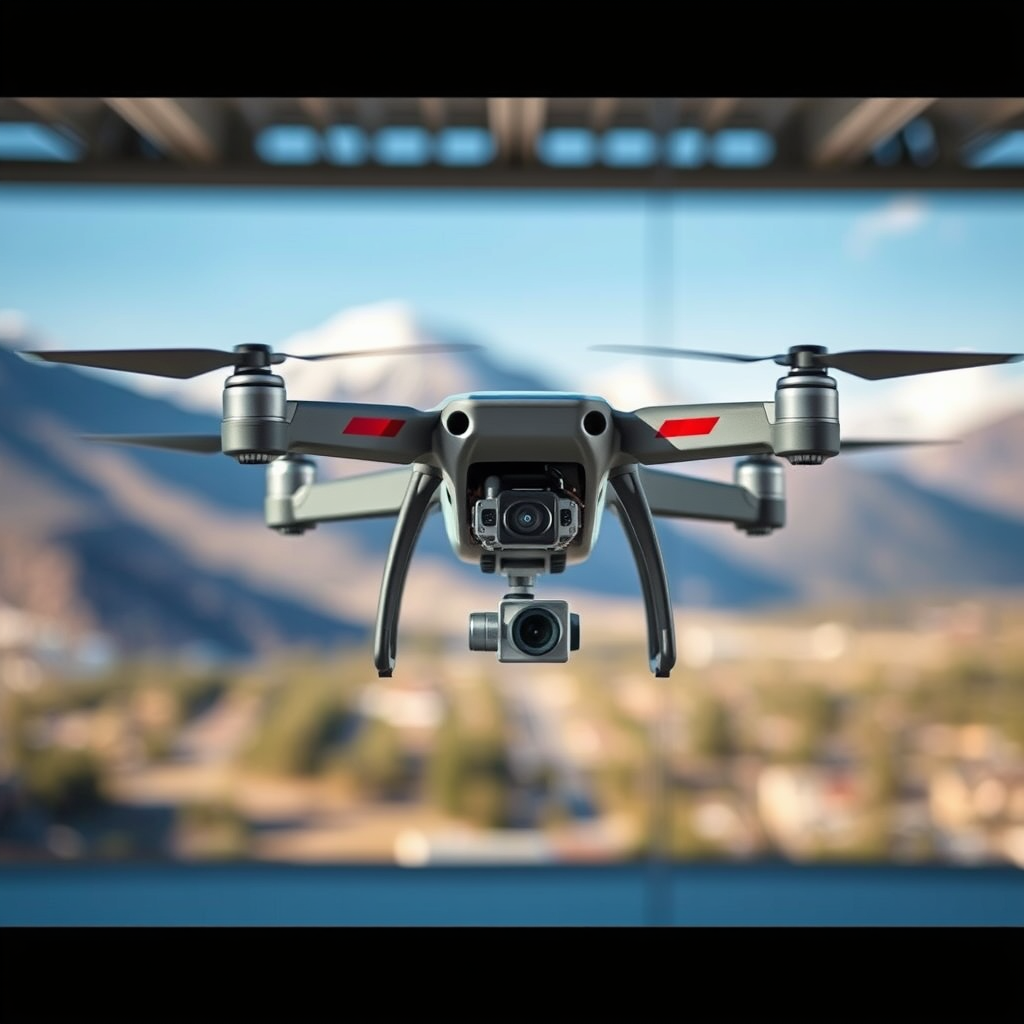
The range of a drone is not a one-size-fits-all measurement; it varies widely based on the drone model and technology employed. Most consumer-grade drones are designed for short-range flights, often limited to a few kilometers. In contrast, high-end models utilized in commercial applications can achieve impressive distances, sometimes extending beyond 10 kilometers.
Key factors that influence drone range include battery life, which determines how long a drone can stay airborne, and signal strength, which affects how far a drone can operate away from its controller. As the drone flies further away, the signal can weaken due to obstacles or interference, resulting in reduced control and potential loss of signal. Additionally, advancements in technology, such as the integration of GPS and enhanced communication systems, have significantly improved the reliability and range of modern drones.
Types of Drones and Their Distances
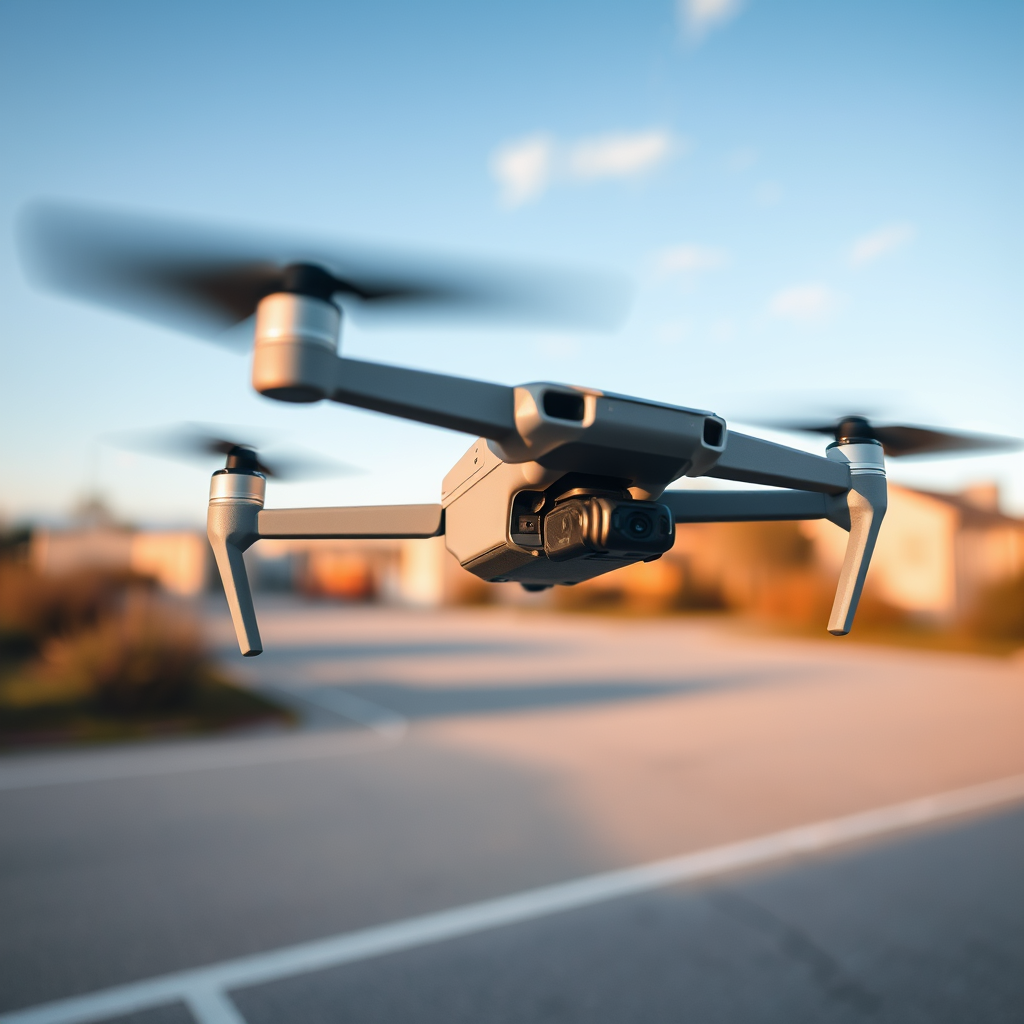
Drones can be categorized into several types, each with distinct capabilities concerning flying distance.
– Consumer Drones: These are designed for hobbyists and typically have shorter ranges, often between 1 and 5 kilometers. For instance, the DJI Mavic Mini has a maximum range of approximately 4 kilometers, depending on conditions and regulations. These drones are ideal for recreational use and light photography.
– Professional Drones: Used in industries such as agriculture, real estate, and filmmaking, professional drones can achieve ranges of 5 kilometers or more. For example, the DJI Matrice 300 RTK can operate at distances up to 15 kilometers under optimal conditions, making it suitable for surveying large areas or conducting inspections.
– Racing Drones: These drones, built for speed and agility, typically have ranges similar to consumer drones but are often operated within visual line-of-sight due to the nature of drone racing. They are engineered for quick maneuvers and may not prioritize range as much as stability and speed.
Understanding the distinctions between these types of drones is crucial for selecting the right model based on intended use and desired range.
Environmental Factors Affecting Range
The operational environment plays a significant role in determining how far a drone can effectively fly from its controller. Various obstacles can hinder signal transmission, including buildings, trees, and other structures. For example, flying in an urban environment with numerous tall buildings can lead to increased signal interference, reducing the effective range.
Weather conditions also significantly impact drone performance. Rain, fog, and strong winds can affect both the drone’s ability to maintain altitude and its communication with the controller. For instance, flying a drone in high winds can lead to instability, making it challenging to control, while heavy rain can damage the drone’s electronic components.
Being aware of these environmental factors is essential for optimizing the drone’s range and ensuring safe operation.
Regulatory Limitations
Regulatory frameworks governing drone operations vary widely from one country to another and even within regions of the same country. Many countries have established strict regulations that dictate maximum flight distances, altitudes, and operational zones to ensure public safety and privacy. For instance, in the United States, the Federal Aviation Administration (FAA) requires drone operators to maintain visual line-of-sight with their devices, effectively limiting the distance they can fly.
In some regions, drone operators may be required to obtain special permissions or licenses for operations beyond certain distances. For example, in the European Union, regulations from the European Union Aviation Safety Agency (EASA) outline specific rules for drone operations, including distance limitations based on the drone’s classification.
It’s crucial for drone enthusiasts and professionals to be aware of local laws and regulations to avoid penalties and ensure compliance.
Enhancements for Increased Range
For those looking to extend the operational range of their drones, several enhancements can be considered.
– Signal Boosters and Antennas: Upgrading antennas or adding signal boosters can significantly improve communication between the drone and its controller. High-gain antennas can increase the effective range and reliability of the connection, allowing for further flights without losing control.
– Firmware and Software Updates: Regularly updating the drone’s firmware can enhance performance and expand range capabilities. Manufacturers often release updates that improve GPS accuracy, battery efficiency, and signal strength, which can all contribute to a more extensive operational range.
– Choosing the Right Frequency: Many modern drones operate on multiple frequencies. Utilizing a 5.8 GHz frequency can provide a more stable connection over longer distances compared to the commonly used 2.4 GHz frequency, which may be more susceptible to interference.
Implementing these enhancements can lead to a more enjoyable and effective flying experience, allowing operators to maximize the potential of their drones.
Safety Considerations
Safety should always be a top priority when operating drones. One of the fundamental safety practices is maintaining visual line-of-sight with the drone. This means that the operator should always have the drone within their view, enabling them to respond quickly to any potential hazards or changes in the environment.
Additionally, understanding no-fly zones and other restrictions is critical. Many areas, such as airports, military installations, and densely populated regions, have specific regulations that restrict drone operations. Failing to adhere to these regulations can not only result in legal repercussions but also pose significant safety risks.
To enhance safety, operators should conduct pre-flight checks, familiarize themselves with their drone’s capabilities and limitations, and remain aware of weather conditions that could affect flight safety.
In conclusion, the distance a drone can fly from its controller varies greatly and is influenced by technology, environmental factors, and regulations. For drone enthusiasts and operators, it’s vital to be informed about these aspects to ensure safe and effective flying. Staying updated on local guidelines and advancements in drone technology will enhance the flying experience and optimize the capabilities of these remarkable devices.
Frequently Asked Questions
What is the maximum range that consumer drones can fly from their controller?
The maximum range for consumer drones varies significantly depending on the model and technology used. Most popular consumer drones can fly anywhere from 1 to 7 kilometers (0.6 to 4.3 miles) away from the controller, with advanced models utilizing enhanced transmission systems potentially reaching up to 10 kilometers (6.2 miles) or more. Factors such as obstacles, interference, and battery life can also impact this range.
How does the type of drone affect its flying range from the controller?
The type of drone plays a crucial role in determining its flight range. For instance, professional-grade drones equipped with advanced radio frequency (RF) technology can achieve greater distances compared to entry-level models. Additionally, racing drones typically prioritize speed and agility over range, while aerial photography drones are engineered for stable long-distance flights, making them suitable for various applications.
Why is it important to know the range limit of a drone?
Understanding the range limit of your drone is essential for safe operation and compliance with aviation regulations. Exceeding the range can result in losing control of the drone, which may lead to crashes or unintended airspace violations. By knowing the range, operators can plan their flights better and avoid potential accidents, ensuring a safe and enjoyable flying experience.
What factors can impact a drone’s flight distance from its controller?
Several factors can influence a drone’s flight distance, including environmental conditions, battery life, signal interference, and the physical design of the drone. Obstacles such as buildings, trees, and hills can block signals, significantly reducing the effective range. Additionally, weather conditions like wind and rain can affect both battery performance and the drone’s ability to maintain stable flight, further limiting its operational range.
Which drones offer the best range for long-distance flying?
Drones such as the DJI Mavic 3 and the Autel Robotics EVO Lite are known for their impressive long-distance capabilities, often exceeding 10 kilometers (6.2 miles) in optimal conditions. These drones utilize advanced transmission technologies like OcuSync and Lightbridge, which ensure a stable connection even at extended ranges. When selecting a drone for long-distance flying, consider not only the operational range but also the drone’s features, camera quality, and battery life to ensure it meets your specific needs.
References
- https://en.wikipedia.org/wiki/Drone
- https://www.faa.gov/uas/getting_started/fly_for_fun
- https://www.nasa.gov/centers/dryden/pdf/81035.pdf
- https://www.sciencedirect.com/science/article/abs/pii/S2213138821000794
- https://www.reuters.com/technology/what-you-need-know-about-drones-faa-rules-2021-04-15/
- https://www.ncbi.nlm.nih.gov/pmc/articles/PMC6747513/
- https://www.theguardian.com/technology/2020/jan/30/drone-flying-rules-uk-explained
- https://www.techrepublic.com/article/how-far-can-drones-fly/
