
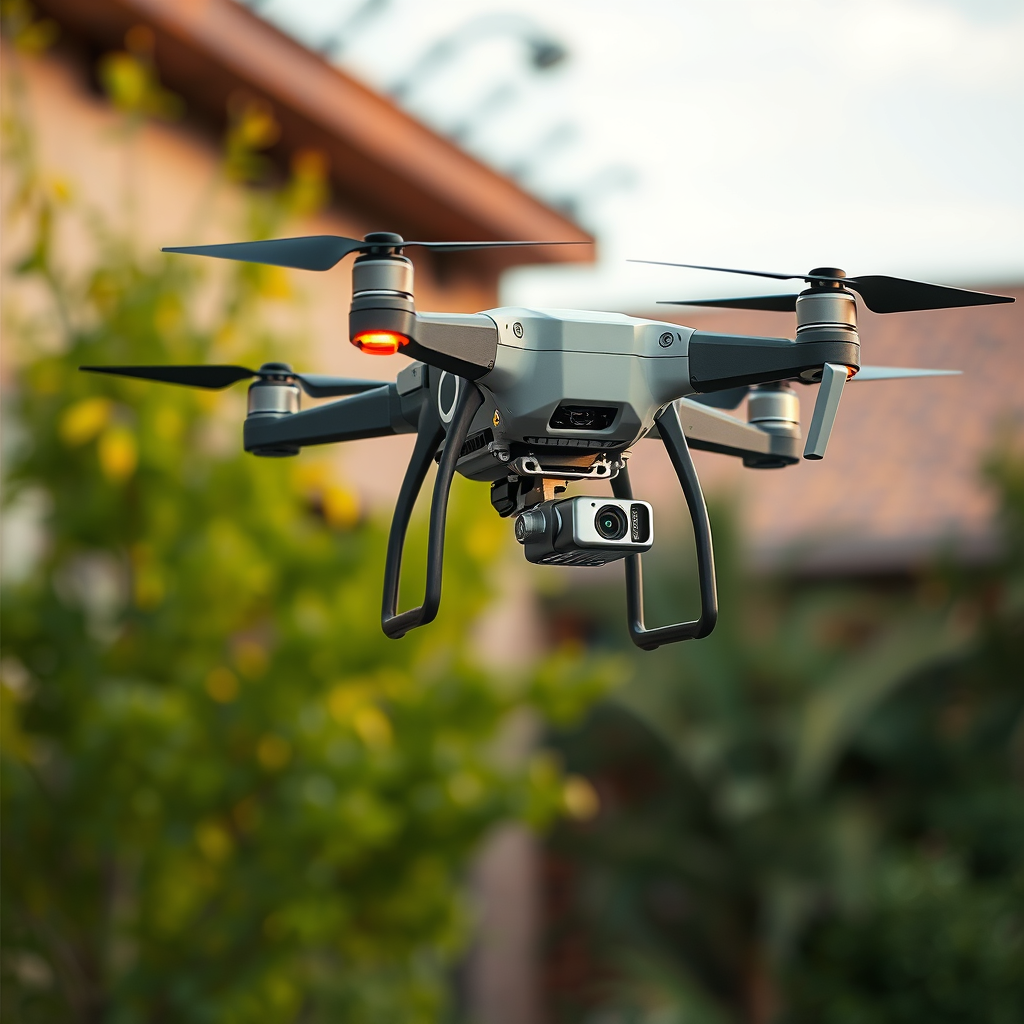
The amount of weight a drone can lift varies significantly depending on its type and design. Generally, consumer drones can lift between 0.5 to 5 kilograms, while professional and industrial drones can handle loads of up to 25 kilograms or more. Understanding these weight limits is crucial for selecting the right drone for your needs, whether you are a hobbyist, a commercial operator, or an industrial user. This article delves deeper into the factors that influence a drone’s lifting capacity and how to choose the right drone based on its capabilities.
Understanding Drone Weight Capacity
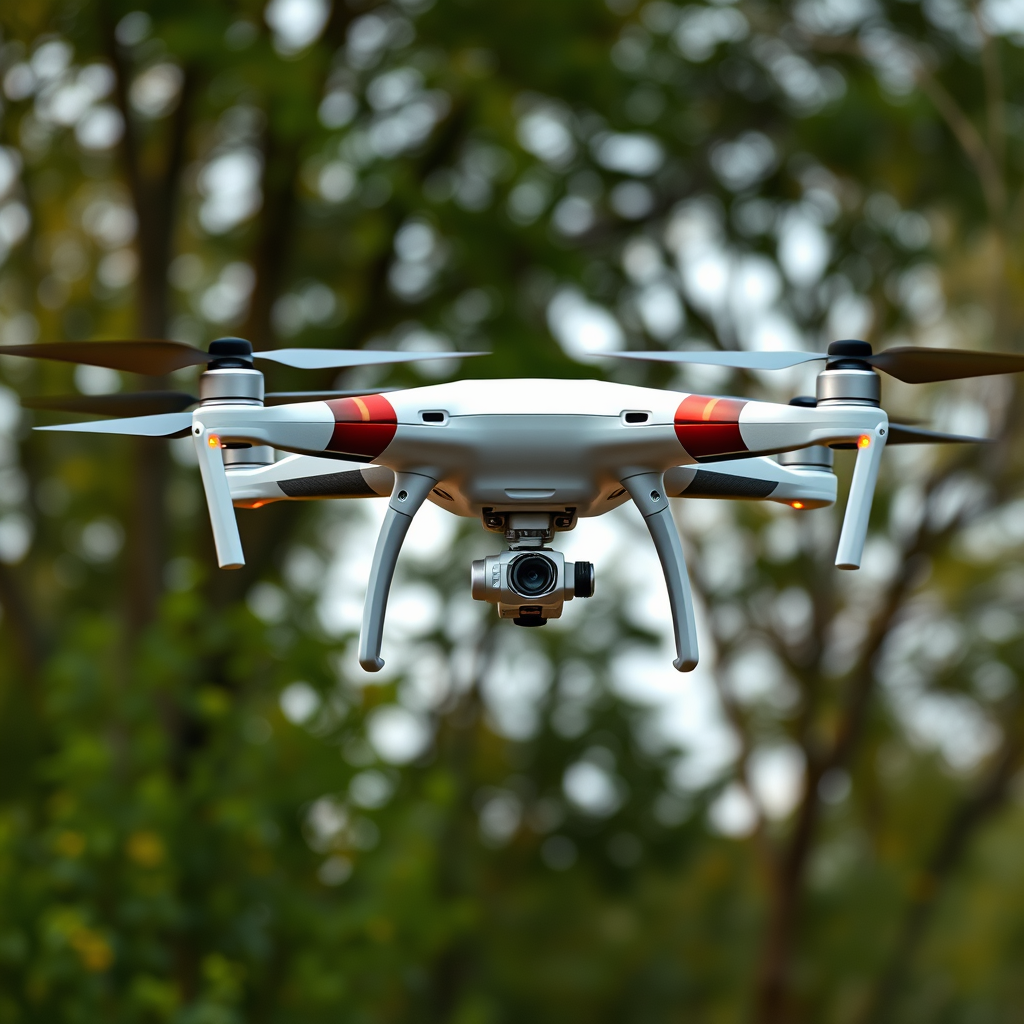
Drones are categorized by their lifting capabilities, which range from light-duty to heavy-duty. The weight a drone can lift is primarily determined by its design, motor strength, and battery capacity. Each drone’s specifications detail the maximum payload it can carry, typically expressed in kilograms or pounds. For instance, a consumer-grade quadcopter may have a maximum payload of 1.5 kg, while a heavy-lift drone designed for professional applications can exceed 30 kg. Understanding these classifications helps users select an appropriate drone based on the specific tasks they intend to perform.
It is essential to note that the weight capacity indicated by manufacturers is often the absolute maximum, which means that carrying close to this limit can affect flight performance and battery life. As a rule of thumb, it is advisable to operate drones at around 70-80% of their maximum payload capacity for optimal flight stability and efficiency.
Types of Drones and Their Lifting Abilities
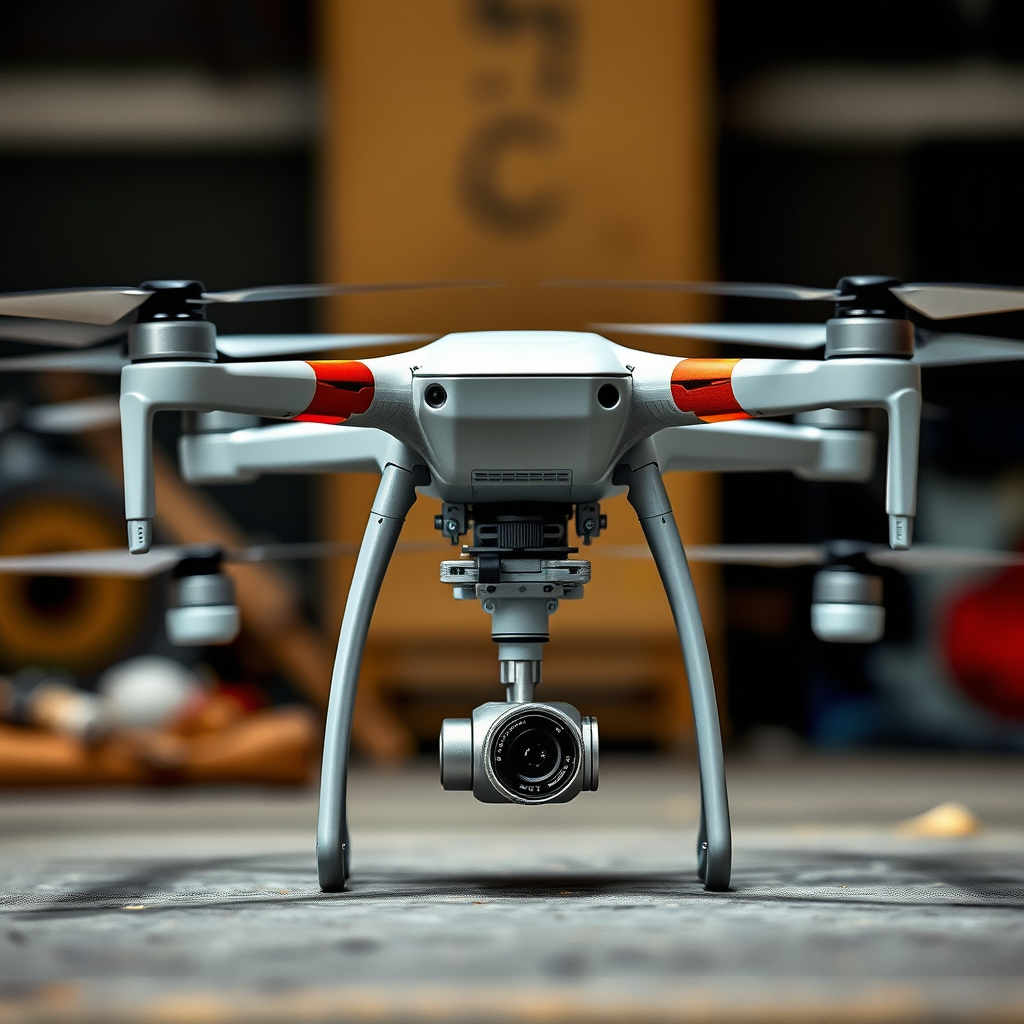
– Consumer Drones: These drones are generally designed for hobbyists and casual users, featuring lifting capacities that range from 0.5 to 5 kg. Popular models like the DJI Mavic Air 2 can carry small cameras and accessories, making them ideal for amateur photography and videography. While they are not suited for heavy payloads, they offer excellent maneuverability and ease of use.
– Commercial Drones: Built for professional use, commercial drones can often lift between 5 to 25 kg. For example, the DJI Matrice 600, widely used in the film industry, can carry heavy camera equipment and deliver high-quality aerial footage. These drones are also employed in sectors like agriculture and construction, where they can lift sensors, mapping devices, or even small packages for delivery services.
– Industrial Drones: These are specialized drones designed for heavy-duty applications, capable of lifting 25 kg or more. They are commonly used in construction, logistics, and agricultural sectors for tasks such as delivering tools to hard-to-reach locations or carrying heavy payloads for crop monitoring. Models like the Freefly Alta 8 can handle professional cinema cameras and other heavy equipment, showcasing their robust capabilities.
Factors Influencing Lift Capacity
Several factors influence how much weight a drone can effectively lift, and understanding these can aid in selecting the right model:
– Battery Power: The type and size of the battery play a critical role in a drone’s lifting capacity. Higher-capacity batteries provide more power, allowing drones to lift heavier loads for longer periods. However, larger batteries also increase the overall weight of the drone, which can affect its efficiency.
– Design and Material: The materials used in a drone’s construction significantly impact its strength-to-weight ratio. For instance, drones made from lightweight materials like carbon fiber can lift heavier payloads compared to those made from heavier plastics. Additionally, aerodynamics and design efficiency are crucial; a well-designed drone can achieve better lift even at lower power levels.
– Propeller Size and Type: The size and type of propellers also affect lift capacity. Larger propellers can generate more thrust, which is essential for lifting heavier payloads. However, they also require more power, necessitating a careful balance between propeller size, motor capability, and battery strength.
Applications of Drones Based on Lift Capacity
Drones are increasingly being utilized across various sectors, and their lifting capabilities dictate their applications:
– Agricultural Use: Drones capable of lifting heavier weights are often employed in agriculture for tasks such as spraying pesticides, distributing fertilizers, and carrying sensors for crop monitoring. For instance, the DJI Agras MG-1 can carry up to 10 kg, making it ideal for large-scale agricultural operations where efficiency is paramount.
– Delivery Services: Companies like Amazon and UPS are developing drones capable of carrying packages weighing up to 5 kg for urban deliveries. These drones utilize advanced navigation systems and autonomous flight capabilities to transport goods efficiently, reducing delivery times and operational costs.
– Emergency Services: Drones with significant lift capacities are also used in emergency services to transport medical supplies, equipment, or even small personnel in remote areas. They can be crucial in disaster relief scenarios where traditional transport methods may be hindered.
Regulations and Safety Considerations
Weight limits are often dictated by aviation regulations to ensure safety in airspace. Regulatory bodies like the Federal Aviation Administration (FAA) in the United States impose strict guidelines on drone operations, including weight limitations for commercial and recreational use. For example, the FAA mandates that drones operated for commercial purposes must not exceed a weight of 55 pounds (approximately 25 kg) including the payload.
Pilots must be aware of their local laws regarding drone weight limits to avoid penalties and ensure safe operations. Additionally, exceeding recommended weight limits can lead to reduced flight stability, increased risk of accidents, and violations of airspace regulations. It is essential to familiarize oneself with these regulations before operating a drone for commercial or personal use.
Choosing the Right Drone for Your Needs
When considering the purchase of a drone, it is crucial to assess your needs based on the weight of the items you intend to carry. If you are a hobbyist looking to capture aerial photographs, a consumer drone with a lift capacity of 1-2 kg may suffice. However, for commercial applications such as aerial surveying or package delivery, investing in a drone with a higher lift capacity of 5 kg or more would be wise.
Additionally, consider future needs and whether a drone with a higher lift capacity might be more beneficial. Anticipating potential growth in your operations or the introduction of new tasks requiring heavier payloads can justify investing in a more robust drone upfront. Consulting with manufacturers and reviewing detailed product specifications will help you make an informed decision.
In conclusion, understanding how much weight a drone can lift is essential for anyone considering their use for various applications. Whether you’re a hobbyist or a professional, knowing the specifications and capabilities of different drones will help you make an informed decision. Be sure to evaluate your specific requirements, consider the various factors influencing lift capacity, and consult the manufacturer’s guidelines for optimal performance. By doing so, you can select a drone that not only meets your current needs but also adapts to future challenges.
Frequently Asked Questions
What factors determine how much weight a drone can lift?
The lifting capacity of a drone is influenced by several factors, including the drone’s design, motor power, battery capacity, and overall weight. Generally, consumer drones can lift between 0.5 to 5 kilograms, while specialized agricultural or industrial drones can lift significantly more, often exceeding 10 kilograms. Additionally, payload distribution and aerodynamic efficiency also play crucial roles in a drone’s lifting ability.
How can I calculate the maximum payload capacity of my drone?
To calculate the maximum payload capacity of your drone, start with the manufacturer’s specifications, which usually provide the maximum takeoff weight (MTOW). Subtract the drone’s own weight from the MTOW to determine how much additional weight it can carry. Keep in mind that adding extra weight may reduce flight time and stability, so always ensure that the total weight remains within safe limits.
Why is it important to know how much weight a drone can lift?
Understanding a drone’s lifting capacity is essential for safety and performance. Exceeding the maximum weight can lead to reduced flight stability, shorter flight times, and potential damage to the drone. Moreover, knowing the lifting capacity helps users select the right drone for specific tasks, such as aerial photography, surveying, or carrying equipment, ensuring effective and efficient operation.
What are the best drones for carrying heavier payloads?
The best drones for carrying heavier payloads typically include models designed for commercial or industrial use, such as the DJI Matrice 600 or the Freefly Alta 8. These drones are equipped with powerful motors and robust frames capable of lifting significant weights, often exceeding 10 kilograms. When selecting a drone for heavy lifting, consider factors like battery life, flight stability, and compatibility with the payload you intend to carry.
Which industries benefit from drones with higher lifting capacities?
Several industries benefit from drones with higher lifting capacities, including agriculture, construction, and cinematography. In agriculture, drones can carry heavy payloads of seeds or fertilizers for efficient crop management. In construction, drones can transport tools and materials to remote locations, enhancing productivity. The film industry also utilizes heavy-lift drones to carry high-end cameras and equipment, allowing for dramatic aerial shots and unique perspectives.
References
- https://en.wikipedia.org/wiki/Drone
- https://www.faa.gov/uas/
- https://www.ncbi.nlm.nih.gov/pmc/articles/PMC6577900/
- https://www.researchgate.net/publication/328233650_The_impact_of_drone_technology_on_supply_chain_management
- https://www.sciencedirect.com/science/article/pii/S2351978916301395
- https://www.theguardian.com/technology/2021/jun/01/what-drones-can-do
- https://www.nasa.gov/mission_pages/UAVs/main/index.html
