
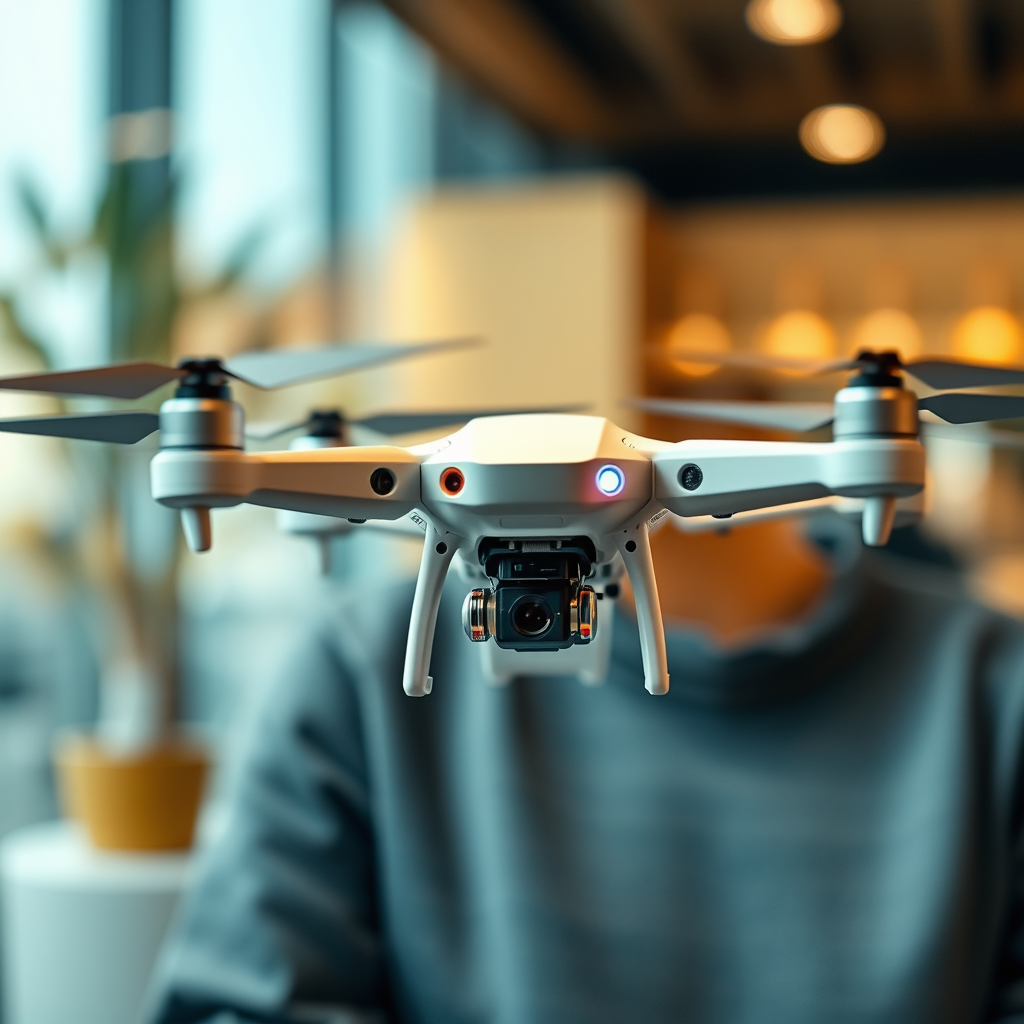
Yes, drones can deliver packages, and this innovative technology is rapidly evolving. Companies are testing and implementing drone delivery systems to enhance logistics and improve customer satisfaction. As advancements in drone technology continue to unfold, many businesses are keenly exploring how these unmanned aerial vehicles can streamline operations and offer unique solutions to traditional delivery challenges. Here’s a closer look at how this works and its implications.
Overview of Drone Delivery Technology
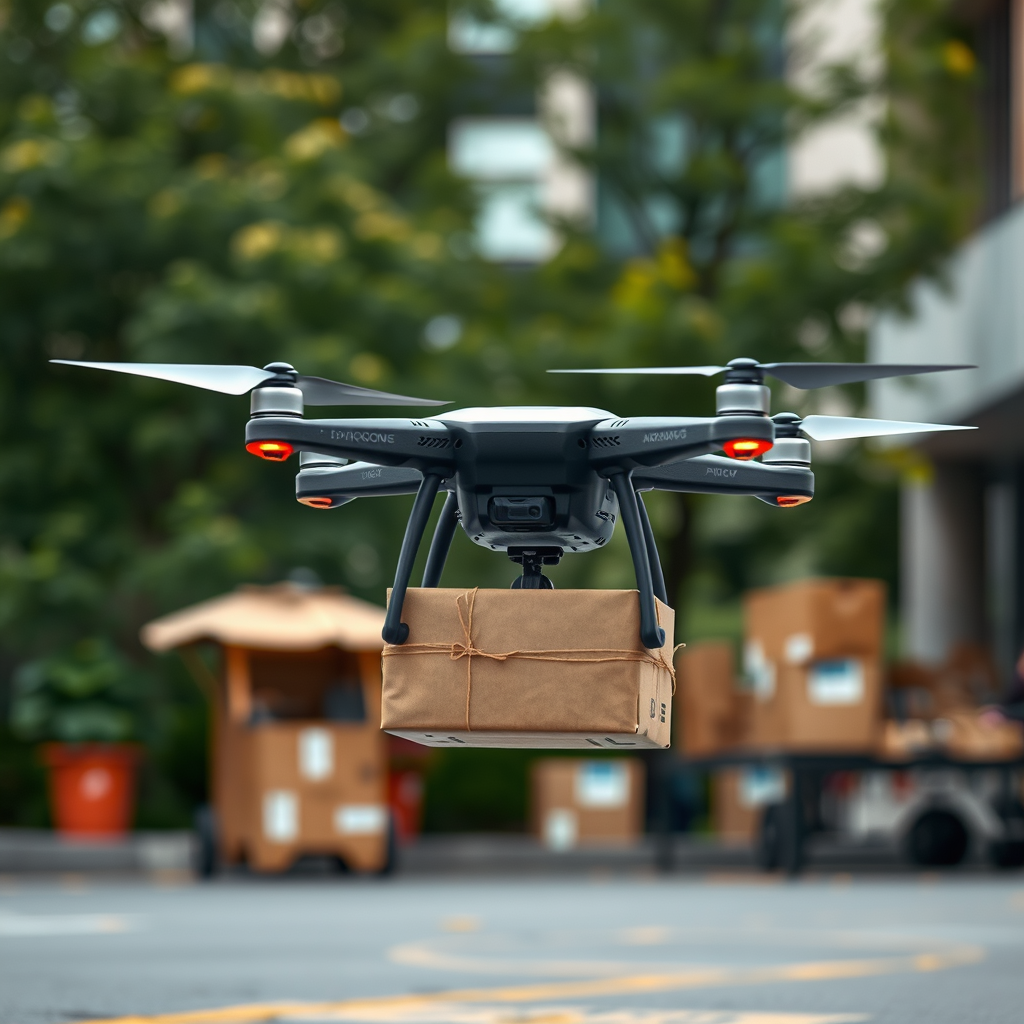
Drones are equipped with sophisticated technology that enables them to transport packages efficiently. Typically, these unmanned aerial vehicles (UAVs) come with GPS, cameras, and sensors that assist in navigation and obstacle avoidance, making them capable of flying autonomously to designated delivery locations. The payload systems of these drones are designed to securely carry various types of packages, from small consumer goods to medical supplies, ensuring that items are delivered safely and intact.
Key players in the drone delivery market include Amazon, UPS, and Google, each of which is investing heavily in research and development to bring drone delivery to the forefront of logistics. For instance, Amazon has been testing its Prime Air service, which aims to deliver packages within 30 minutes of an order being placed, while UPS has successfully conducted trials delivering medical supplies to remote locations. Google’s parent company, Alphabet, has also made significant strides in this area through its Wing project, which focuses on delivering consumer goods and food items in urban and suburban areas. These initiatives highlight the intense competition and innovation in the drone delivery landscape.
Current Applications of Drone Delivery
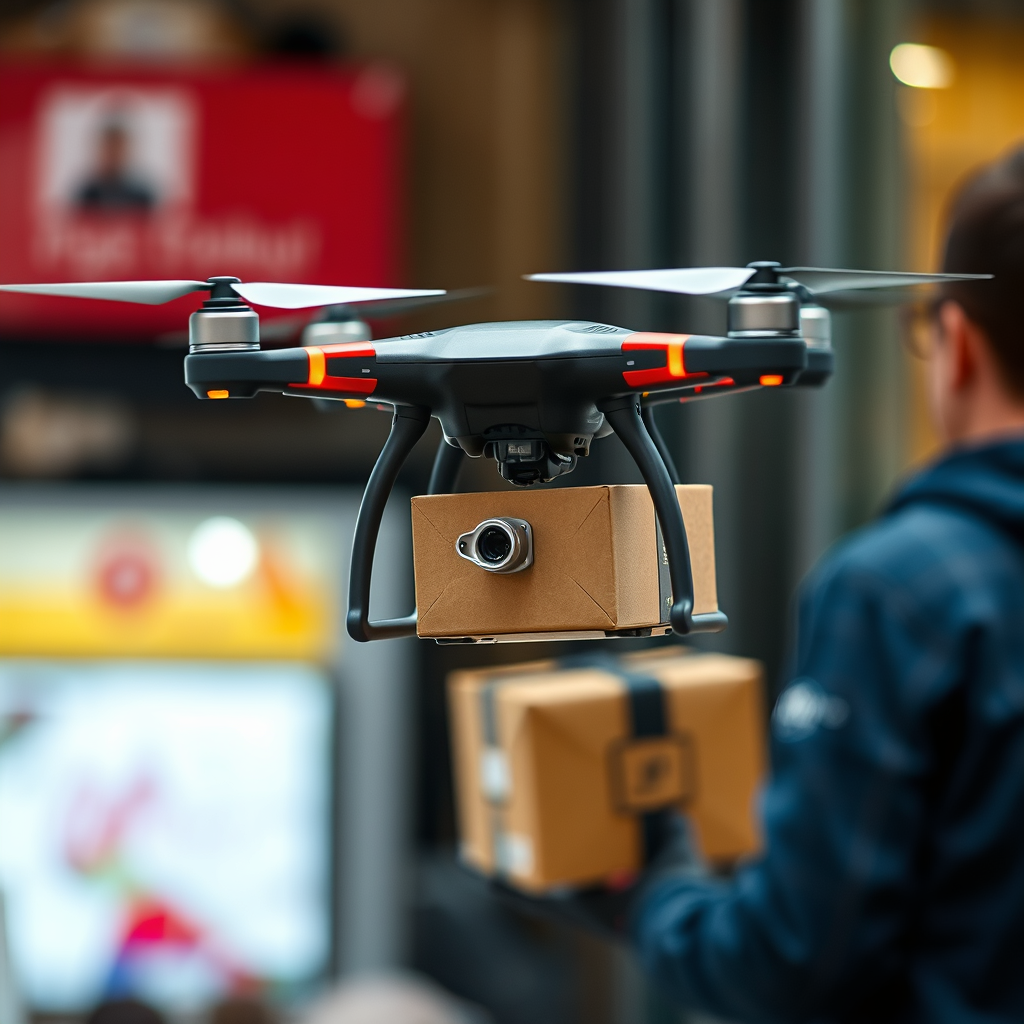
Several successful drone delivery trials and implementations provide insight into the practical applications of this technology. In recent years, companies like Zipline have made headlines by delivering medical supplies, such as blood and vaccines, to remote and underserved regions. Operating in countries like Rwanda and Ghana, Zipline has demonstrated how drones can overcome geographical barriers and improve healthcare access.
In the e-commerce sector, companies such as Amazon and Walmart are piloting drone deliveries to enhance customer experiences. For example, Walmart has conducted trials that include delivering groceries directly to customers’ homes, improving convenience and efficiency. The food delivery industry is also witnessing a transformation, with services like DoorDash exploring drone delivery options to expedite meal delivery times.
Industries benefiting from drone delivery are diverse, encompassing e-commerce, healthcare, and food distribution. The technology’s ability to quickly transport goods can significantly enhance supply chain efficiency, reduce costs, and improve customer satisfaction.
Regulatory Challenges and Safety Concerns
While the potential for drone delivery is substantial, regulatory challenges and safety concerns remain significant hurdles. The Federal Aviation Administration (FAA) in the United States, along with other global regulatory bodies, has established guidelines governing drone flights, including limitations on altitude, flight paths, and operational hours. These regulations aim to ensure air traffic safety and mitigate risks associated with drone operations.
Safety issues are paramount, especially concerning air traffic control and privacy. Drones operating in urban environments must navigate complex airspace, which raises concerns about potential collisions with manned aircraft. Additionally, privacy concerns arise as drones fly over residential areas, leading to apprehension among the public regarding surveillance and data collection.
As the drone delivery industry evolves, it is crucial for stakeholders to collaborate with regulatory agencies to develop comprehensive frameworks that address these safety and privacy issues while promoting innovation.
Advantages of Using Drones for Delivery
The advantages of using drones for delivery are manifold. One of the most compelling benefits is the speed and efficiency with which drones can deliver packages. Drones are capable of bypassing traffic congestion and navigating directly to delivery points, significantly reducing delivery times compared to traditional methods. This capability is particularly beneficial in urban areas, where traffic can delay conventional delivery vehicles.
Moreover, the use of drones can contribute to a reduction in carbon footprint. Drones typically consume less energy than traditional delivery trucks, especially when delivering small packages over short distances. As companies increasingly focus on sustainability, integrating drones into logistics can help reduce greenhouse gas emissions and alleviate traffic congestion on roads.
In addition, drone delivery offers the potential for cost savings for businesses. By reducing reliance on ground transportation and optimizing delivery routes, companies can lower operational costs, which can be passed on to consumers in the form of lower delivery fees.
Limitations and Challenges Facing Drone Delivery
Despite the promising advantages, several limitations and challenges hinder the widespread adoption of drone delivery. Technical challenges, such as battery life and payload capacity, remain significant obstacles. Most commercial drones have limited flight ranges due to battery constraints, which can restrict their operational capabilities. As a result, ongoing research and development efforts are essential to create longer-lasting batteries and more efficient power systems.
Public acceptance is another challenge facing drone delivery services. While some consumers are excited about the prospect of receiving packages via drones, others are skeptical or resistant to the idea. Concerns about noise pollution, safety, and privacy can contribute to public apprehension. Traditional delivery services may also resist the integration of drones due to fears of job displacement and the disruption of established business models.
To navigate these challenges, companies must engage in transparent communication with the public and stakeholders, emphasizing the safety and benefits of drone delivery while addressing concerns head-on.
The Future of Drone Delivery
The future of drone delivery holds immense potential, with predictions suggesting significant growth and development in this sector. As technology advances, we may see improvements in drone design, such as enhanced battery life, greater payload capacities, and more sophisticated navigation systems. Innovations like artificial intelligence and machine learning could also streamline logistics and optimize delivery routes, further enhancing efficiency.
Moreover, as regulations evolve to accommodate drone technology, we may witness broader acceptance and integration of drone delivery into everyday logistics. Urban air mobility initiatives are already being explored in various cities, indicating a shift toward more comprehensive urban transportation solutions that include drones.
Potential innovations on the horizon may include the development of drone hubs or vertical takeoff and landing (VTOL) aircraft, which could facilitate larger-scale operations and make drone delivery more viable in diverse environments.
In conclusion, while drones are indeed capable of delivering packages, several factors will influence their widespread adoption. From regulatory frameworks and safety concerns to technical challenges and public acceptance, the road to integrating drone delivery into mainstream logistics is complex. However, as technology continues to advance and regulations adapt, drone delivery could become a standard practice in logistics, revolutionizing how goods are transported and delivered. Staying informed about this exciting development in the world of delivery services will be essential for businesses and consumers alike.
Frequently Asked Questions
What types of packages can drones deliver?
Drones are capable of delivering a wide range of packages, including small consumer goods, medical supplies, and even food items. However, the weight and size limitations vary by drone model; most commercial delivery drones can handle packages weighing up to 5 pounds. As technology advances, we may see larger drones capable of carrying heavier items, but currently, lightweight packages are the most practical for drone delivery.
How does drone delivery work?
Drone delivery typically involves several key steps: first, a customer places an order through a retailer that offers drone delivery services. The retailer prepares the package and sends the drone to a designated launch point. The drone then autonomously navigates to the delivery address using GPS and onboard sensors, avoiding obstacles along the way. Once it arrives, the drone either lands to deliver the package or drops it from a certain altitude, depending on the service provider’s protocols.
Why are drones considered a viable option for package delivery?
Drones are seen as a viable option for package delivery due to their ability to bypass traffic and reduce delivery times, especially in urban areas. They can operate in remote or hard-to-reach locations where traditional delivery methods may be inefficient. Moreover, the use of drones can potentially lower operational costs for retailers and enhance customer satisfaction through faster shipping options.
What are the best companies offering drone delivery services?
Some of the best companies currently offering drone delivery services include Amazon Prime Air, Wing (a subsidiary of Alphabet), and Zipline, which specializes in medical supply deliveries. Each of these companies has developed innovative drone technology and logistics systems tailored to their delivery needs. When choosing a service, consider factors such as delivery speed, coverage area, and the types of products offered.
Which regulations affect drone package delivery?
Drone package delivery is subject to various regulations established by aviation authorities, such as the Federal Aviation Administration (FAA) in the United States. These regulations include requirements for drone registration, pilot certification, and restrictions on flying in certain airspace. Additionally, companies must comply with safety standards and operational guidelines to ensure safe deliveries, which can impact the scale and scope of their drone delivery operations.
References
- https://en.wikipedia.org/wiki/Drone_delivery
- https://www.faa.gov/uas/commercial_operators/
- https://www.reuters.com/business/autonomous-drones-could-revolutionize-logistics-2023-06-15/
- https://www.bbc.com/news/technology-52936448
- https://www.nytimes.com/2021/01/15/technology/drones-deliveries.html
- https://www.sciencedirect.com/science/article/pii/S2351978921000018
- https://www.mit.edu/research/drones-package-deliveries
- https://www.nap.edu/catalog/25998/delivery-drones-a-path-to-sustainable-logistics
- https://www.theguardian.com/technology/2021/jul/21/drones-deliveries-uk-2021
