

Military drones can stay in the air for varying lengths of time, typically ranging from a few hours to over 24 hours, depending on the type of drone and its mission profile. As technology advances, these unmanned aerial vehicles (UAVs) are becoming increasingly capable of extended flight durations. Factors such as fuel capacity, design efficiency, and payload weight significantly influence their endurance. This article delves into the different drone types, the intricacies affecting their flight times, notable examples, technological advancements, strategic implications, and future trends in military drone endurance.
Overview of Military Drone Types
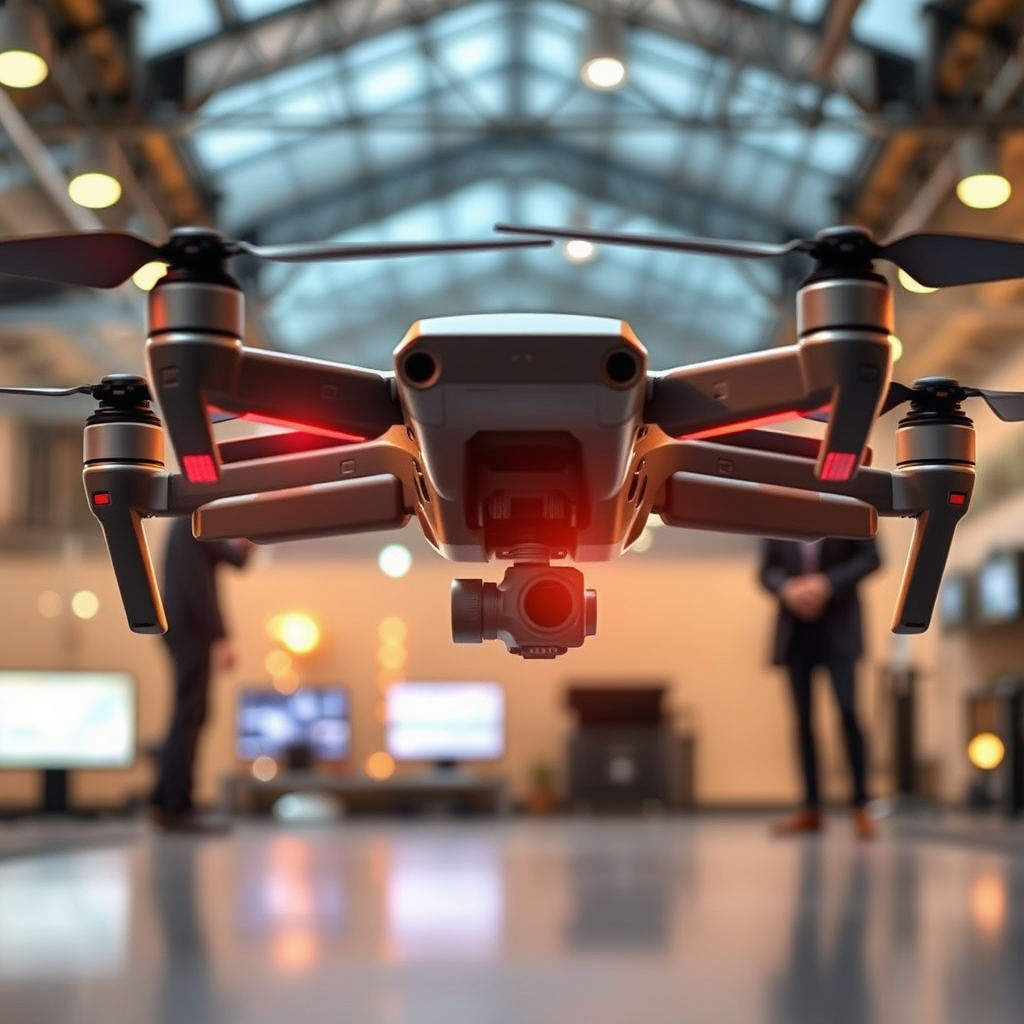
Military drones can be broadly categorized into two main types: tactical and strategic drones. Tactical drones, such as the RQ-11 Raven, are designed for short-range missions, typically lasting around 5 to 10 hours. These drones are often employed for surveillance, reconnaissance, and intelligence gathering in localized areas. On the other hand, strategic drones, like the MQ-9 Reaper, are engineered for longer missions, with flight times exceeding 24 hours. These drones are capable of conducting extended reconnaissance or strike missions over vast geographical areas, making them invaluable assets in modern military operations.
The variability in flight times is primarily based on the design and intended purpose of the drone. Tactical drones are built for agility and quick deployment, while strategic drones prioritize endurance and payload capacity. For instance, the Global Hawk, a high-altitude, long-endurance (HALE) drone, can remain airborne for over 30 hours, showcasing the technological advancements in the strategic category. This distinction is crucial for military planners when choosing the appropriate drone for specific mission requirements.
Factors Affecting Flight Duration
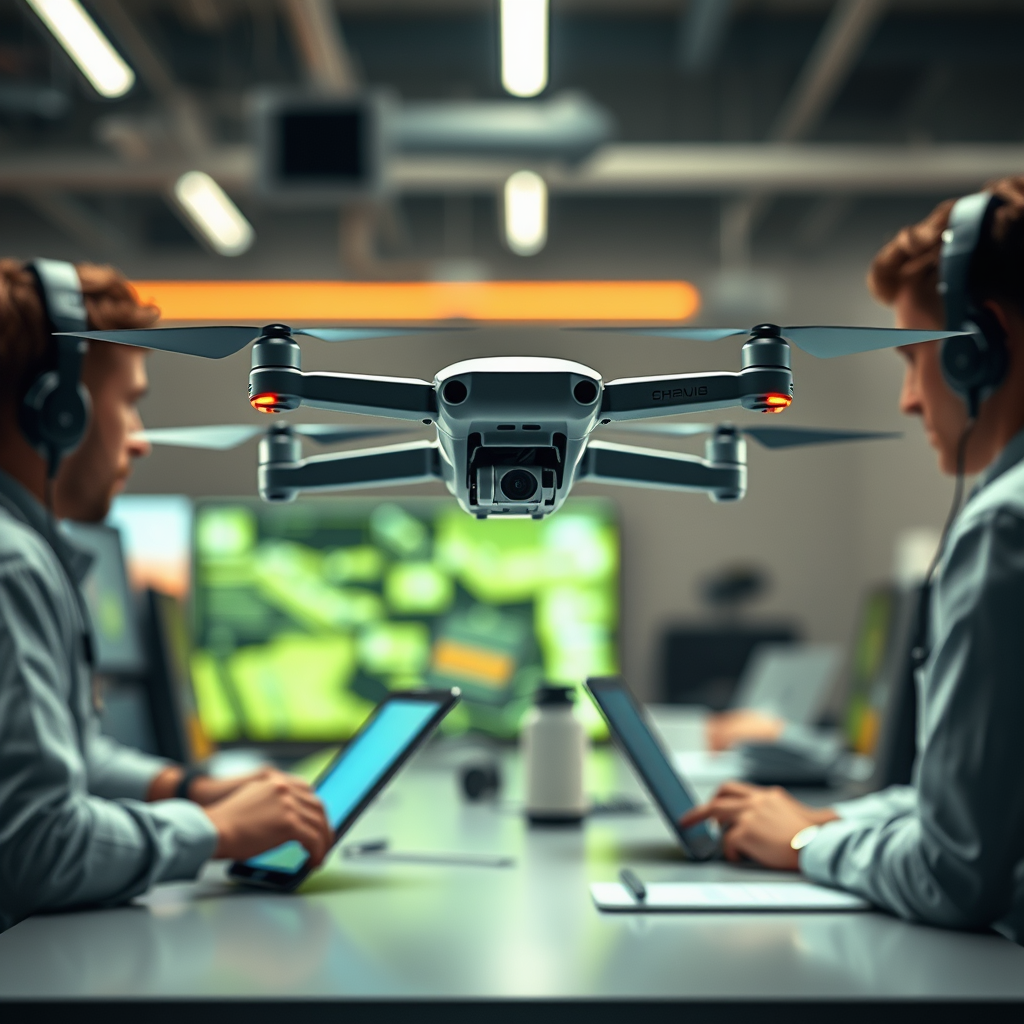
Several factors critically impact the flight duration of military drones, with fuel capacity and efficiency being paramount. The amount of fuel a drone can carry directly influences how long it can remain airborne. For example, larger drones often have greater fuel storage capabilities, which allows them to sustain longer missions. Additionally, advancements in fuel efficiency, such as the use of turbojet engines compared to traditional reciprocating engines, have significantly extended flight times.
Another vital factor is the weight of the payload. Drones are often equipped with various sensors, cameras, or weapons systems that can add considerable weight. This added weight can adversely affect endurance, as heavier drones consume more fuel and therefore have reduced flight times. Engineers and designers continuously strive to balance payload capabilities with aerodynamic efficiency to optimize flight durations without sacrificing mission effectiveness.
Notable Military Drones and Their Endurance
Among the most notable military drones, the MQ-1 Predator and MQ-9 Reaper stand out for their operational capabilities and endurance. The MQ-1 Predator, with a flight time of approximately 24 hours, has played a critical role in intelligence, surveillance, and reconnaissance (ISR) missions since its introduction. Its ability to loiter over targets for extended periods has made it a key asset in counter-terrorism operations.
Conversely, the MQ-9 Reaper boasts an impressive flight time of over 27 hours and is designed to carry a larger payload, including precision-guided munitions. This drone has become synonymous with modern warfare, allowing military forces to conduct strikes with minimal risk to personnel. Both drones exemplify the advancements in technology and design that enable longer flight durations, allowing for more comprehensive mission profiles.
In addition to these, the Northrop Grumman RQ-4 Global Hawk, with its ability to fly for more than 30 hours, provides persistent surveillance capabilities at high altitudes. The endurance of the Global Hawk allows it to cover vast areas with minimal operational disruption, providing valuable intelligence to commanders in real-time.
Technological Advancements in Drone Endurance
The evolution of military drone technology has led to significant advancements in endurance capabilities. Innovations in battery technology, particularly lithium-polymer batteries, have enhanced the energy density and efficiency of UAVs. These batteries allow drones to operate longer while maintaining a lightweight structure.
Moreover, hybrid systems have also emerged as a game-changer in drone technology. By combining traditional fuel engines with electric propulsion systems, these drones can benefit from the advantages of both power sources, leading to extended flight times. For instance, the use of hybrid power systems enables certain drones to achieve longer missions without the need for frequent refueling.
Solar power technology is another promising avenue being explored for drone endurance. Drones equipped with solar panels can harness solar energy to extend their flight durations, potentially allowing for continuous operation without the need for refueling. This renewable energy approach aligns with global efforts to reduce carbon footprints and enhance sustainability in military operations.
Strategic Implications of Drone Flight Times
The endurance of military drones has profound implications for reconnaissance and combat missions. Drones with longer flight times can conduct extensive surveillance operations, gathering continuous intelligence without the need for frequent returns to base. This capability enhances situational awareness and allows commanders to make more informed decisions in real-time.
In combat scenarios, long-endurance drones can loiter over targets for extended periods, waiting for the optimal moment to engage. This persistence enables military forces to maintain pressure on adversaries while minimizing risks to personnel. As the nature of warfare evolves, the role of long-endurance drones becomes increasingly central, shaping military strategies and operational planning.
Furthermore, the integration of drones into joint force operations enhances interoperability among various branches of the military. Drones can provide crucial support to ground troops, naval forces, and air units, facilitating coordinated efforts that maximize the effectiveness of military campaigns.
Future Trends in Military Drone Flight Duration
Looking ahead, the future of military drone flight duration appears promising, with continued advancements expected in technology. Predictions indicate that improvements in propulsion systems, materials science, and energy storage will significantly enhance drone endurance. Researchers are exploring new lightweight materials that can withstand harsh environmental conditions while reducing overall weight, thereby extending flight times.
Moreover, as artificial intelligence (AI) and machine learning technologies advance, drones will likely become more autonomous. This autonomy can enable drones to optimize their flight paths based on real-time data, maximizing their operational efficiency and endurance.
As military tactics evolve, longer flight capabilities will likely alter how military forces approach various missions. The ability to maintain persistent surveillance and rapid response capabilities will lead to new operational paradigms, enhancing the strategic edge of military forces in an increasingly complex global landscape.
In conclusion, understanding how long military drones can stay in the air is crucial for grasping their strategic advantages in modern warfare. As technology evolves, we can expect significant improvements in endurance, shaping the future of military operations. The increasing capabilities of military drones not only enhance operational effectiveness but also redefine the dynamics of warfare, making it essential for military leaders to adapt and innovate in response to these advancements.
Frequently Asked Questions
How long can military drones typically stay in the air?
Military drones, also known as unmanned aerial vehicles (UAVs), can generally stay in the air for anywhere between 10 to 40 hours, depending on the model and mission type. For instance, the MQ-1 Predator has a flight endurance of about 24 hours, while the larger MQ-9 Reaper can remain airborne for up to 27 hours. This extended flight time allows military operations to maintain constant surveillance and reconnaissance capabilities without frequent landings.
What factors influence the flight duration of military drones?
Several factors influence the flight duration of military drones, including the drone’s design, payload weight, fuel capacity, and mission profile. Environmental conditions, such as wind speed and temperature, can also affect performance. Additionally, operational settings, such as whether the drone is flying at a cruising altitude or engaging in maneuvers, can significantly impact how long it can remain airborne.
Why do military drones have such long flight times compared to traditional aircraft?
Military drones have longer flight times than traditional aircraft primarily because they are designed to be lightweight and have efficient propulsion systems that maximize fuel efficiency. Unlike manned aircraft, drones do not require onboard life support systems, allowing them to carry more fuel and equipment. Furthermore, drones often utilize advanced technologies that enhance aerodynamics, contributing to prolonged operational endurance.
What is the best military drone for long-duration missions?
The best military drone for long-duration missions is often considered to be the Global Hawk (RQ-4), which can stay in the air for over 30 hours and is designed for high-altitude, long-endurance reconnaissance missions. Its advanced sensors and communication systems allow for significant data collection over vast areas, making it ideal for intelligence gathering. Other notable mentions include the MQ-9 Reaper, which also excels in endurance and versatility.
How do military drones recharge or refuel during long missions?
Military drones typically do not have the capability to refuel mid-air like some manned aircraft; instead, they rely on onboard fuel for their endurance. However, drones can be equipped with a variety of fuel sources, including advanced battery technology for electric models or additional fuel tanks for larger UAVs. In missions requiring extended operational time, drones may return to base for refueling or recharging, or they may be deployed in relay configurations to provide continuous coverage.
References
- https://en.wikipedia.org/wiki/Military_drone
- https://www.researchgate.net/publication/323186007_Military_Drones_and_their_Technological_Advancements
- https://www.rand.org/research/projects/drones.html
- https://www.airforce.com/drones
- https://www.bbc.com/news/world-us-canada-49066832
- https://www.nytimes.com/2019/07/16/us/politics/drone-military.html
- https://www.defense.gov/Explore/Spotlight/Unmanned-Systems/
- https://www.c-span.org/video/?457992-1/military-drones-analysis
