
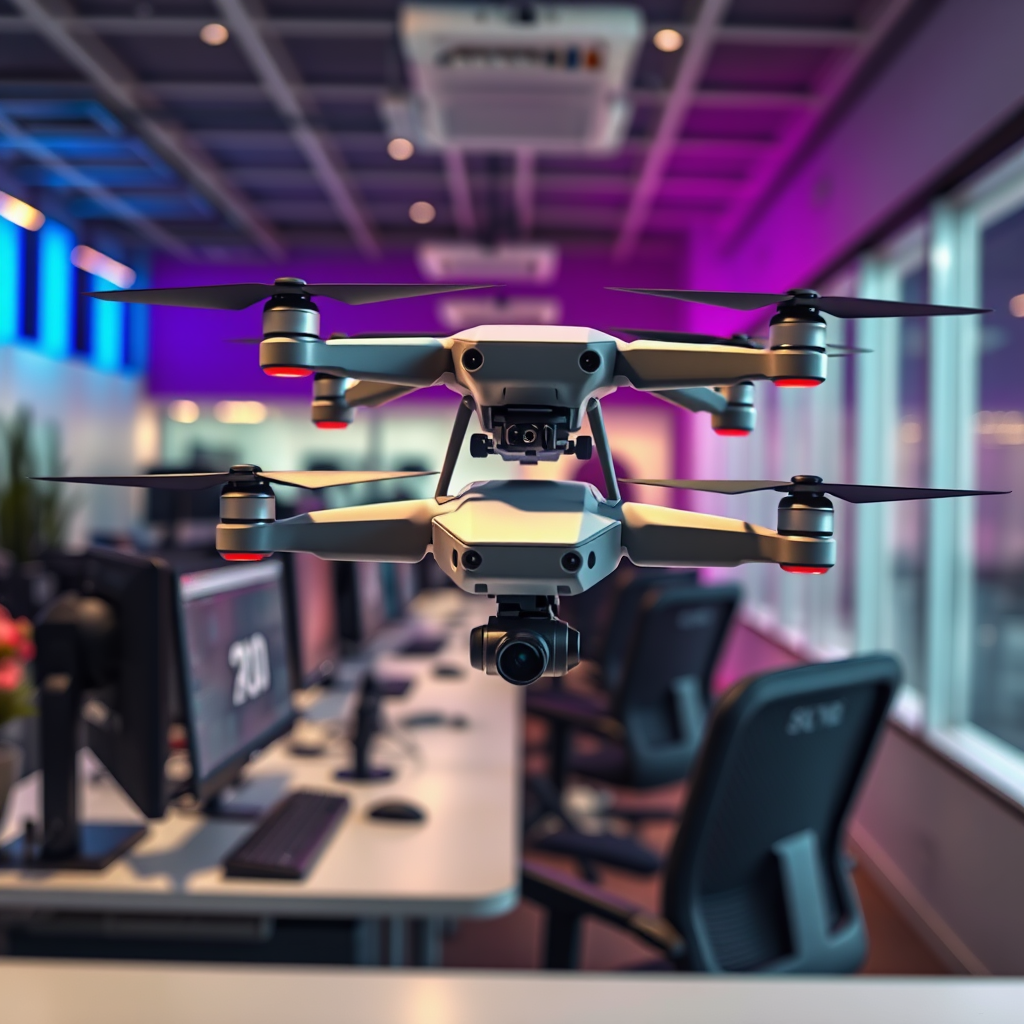
Drones can typically fly between 3 to 10 miles, depending on various factors such as battery capacity, type of drone, and environmental conditions. Understanding these variables is crucial for both hobbyists and professionals aiming to maximize their drone’s performance. This article will explore the different elements that influence a drone’s flight range and provide insights into methods for extending that range effectively.
Understanding Drone Flight Range
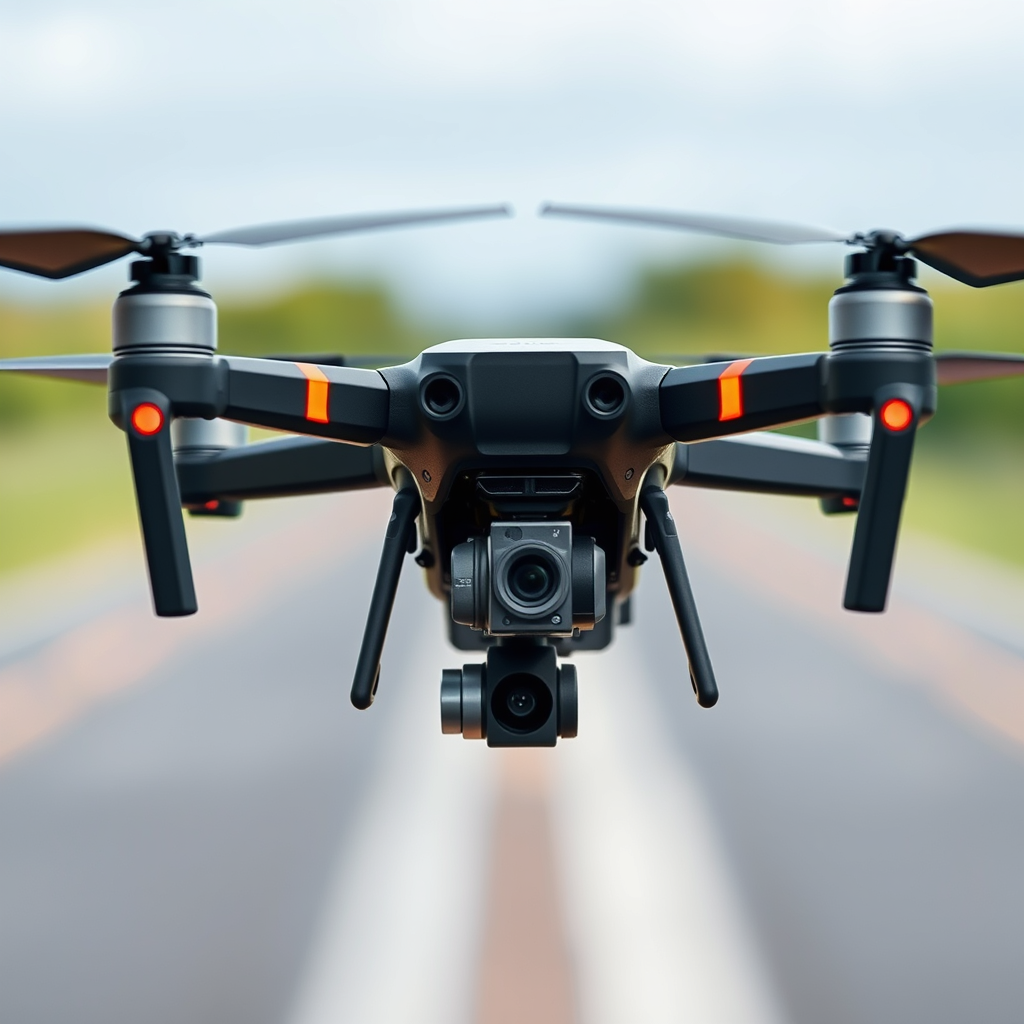
Drones are designed with various flight ranges based on their intended use, which can significantly impact their functionality and application. Consumer models, often used for recreational purposes, generally have a limited range, while professional-grade drones are engineered for extended operations. For instance, consumer drones like the DJI Mini series are predominantly optimized for casual use, often capping their range at around 3 miles. In contrast, professional drones, such as the DJI Matrice series, can cover distances exceeding 10 miles, enabling applications in fields like surveying, agricultural monitoring, and filmmaking. The diversity in design goals reflects the broader capabilities and limitations inherent in different drone types, making it essential for users to match their choice of drone to their specific needs.
Factors Affecting Drone Range
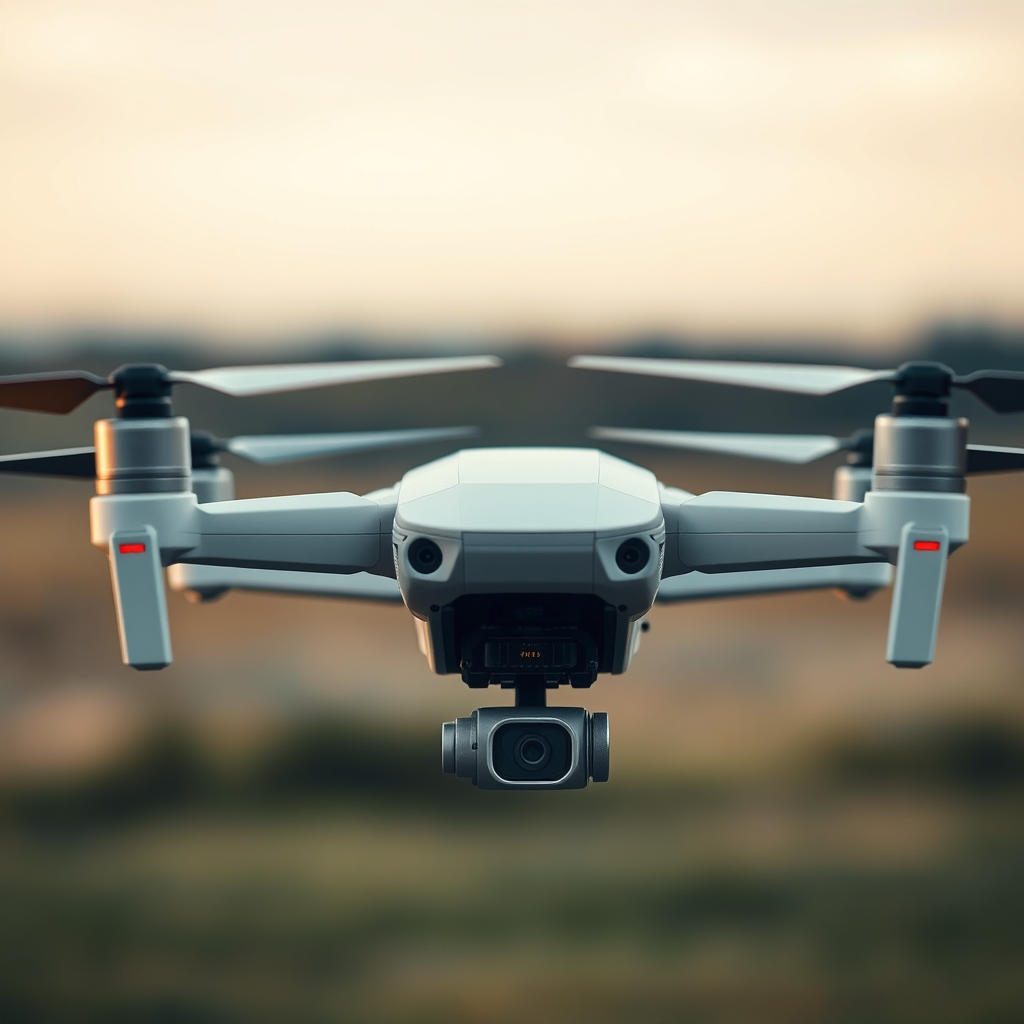
Several critical factors influence how far a drone can fly, and understanding these can help users make informed decisions.
– Battery life: The capacity of the battery directly impacts how far a drone can fly. Most consumer drones come equipped with lithium-polymer batteries, which can range from 1,500 to 6,000 mAh. A drone with a higher mAh rating typically enjoys a longer flight time, translating to greater distances. For example, a drone with a 3,000 mAh battery might provide a flight time of up to 25 minutes under optimal conditions, whereas a drone with a 6,000 mAh battery can nearly double that, thus allowing for a greater range.
– Weight: The weight of a drone plays a significant role in determining its flight range due to increased power consumption. Heavier drones require more energy to maintain altitude and maneuver, leading to quicker depletion of battery life. This is particularly evident in drones designed for carrying payloads, such as those used for photography or delivery. For instance, a drone designed to carry a heavy camera may have its range reduced by 20-30% compared to its lighter counterpart, emphasizing the importance of weight management for maximizing distance.
Types of Drones and Their Ranges
The type of drone one chooses can dramatically affect the range of flight.
– Consumer drones: Most consumer drones typically have a range of 1 to 5 miles. Models like the DJI Spark and Mavic Air are great examples, often marketed toward hobbyists and casual users. Their flight range allows for enjoyable recreational use, but it is limited by design to ensure user safety and compliance with regulations.
– Professional drones: On the other hand, professional drones can often exceed 10 miles, especially those designed for commercial use. Examples include the DJI Matrice 300 RTK, which is engineered for complex tasks such as mapping and inspection over vast areas. Such drones not only offer extended range but are also equipped with advanced features like obstacle avoidance and real-time data transmission, making them indispensable in various industries.
Environmental Considerations
Environmental conditions significantly impact a drone’s flight range, and being aware of these can enhance operational efficiency.
– Weather conditions: Wind, rain, and other weather variables can affect battery life and aerodynamics. For instance, strong winds can require a drone to expend more energy to maintain stability, thus reducing its effective range. Similarly, flying in rain can lead to emergency landings due to performance degradation, as moisture can affect electronic components. It is advisable for drone operators to check weather forecasts before flying and to avoid adverse conditions whenever possible.
– Terrain: The terrain over which a drone is flown can also influence its range. Drones flying over open areas, such as fields or water bodies, can maintain a more consistent signal to the controller, thereby extending their operational range. In contrast, flying in urban areas with many buildings can lead to signal interference, which may decrease flight distance and increase the likelihood of losing connection.
Enhancing Drone Flight Distance
There are several practical steps users can take to enhance their drone’s flight distance.
– Use high-capacity batteries: Upgrading to high-capacity batteries can significantly increase flight range. For example, if a user owns a drone that can accommodate different battery sizes, investing in a higher capacity option may yield extended flight times and, consequently, greater distances.
– Optimize flight settings: Adjusting flight settings such as speed and altitude can help conserve battery life. Drones typically consume less power at lower speeds and altitudes, making it beneficial to plan flights that prioritize efficiency over speed. Additionally, utilizing “eco” flight modes, if available, can help maximize range during longer missions.
Legal Regulations on Drone Flight
Navigating legal regulations is essential for safe and compliant drone operation, particularly when it comes to flight distance.
– Understanding local laws: Some regions impose restrictions on flight distances and areas where drones can operate. For example, flying near airports or in densely populated urban areas often comes with stringent regulations. Users must familiarize themselves with local laws to avoid penalties and ensure safe operations.
– Registration and licensing: In many jurisdictions, drone operators are required to register their drones and obtain licenses, especially for commercial use. Ensuring compliance with these regulations not only promotes safety but also enhances the legitimacy of drone operations. Regularly checking for updates in regulations is advisable, as they can change based on technological advancements and safety assessments.
Future of Drone Technology and Range
The future of drone technology promises exciting advancements that may significantly enhance flight range.
– Advancements in battery technology: Innovations in battery technology, such as solid-state batteries, could allow for longer flight distances and shorter charging times. As research continues into more efficient energy storage solutions, drones equipped with these advanced batteries may revolutionize industries reliant on aerial data collection and delivery.
– Potential for solar-powered drones: The development of solar-powered drones poses a fascinating opportunity for extending operational range. By harnessing solar energy, these drones could potentially remain airborne for hours or even days, significantly expanding their application in fields such as environmental monitoring and disaster response. As the technology matures, we can expect to see a rise in drones capable of sustained flight over long distances without frequent recharging.
In conclusion, the distance a drone can fly is influenced by several factors, including its type, battery life, and environmental conditions. Understanding these elements can help users maximize their drone’s performance and stay compliant with regulations. For those interested in drone technology, staying informed about advancements will be key to exploring new possibilities, whether for recreational enjoyment or professional applications. By optimizing equipment and adhering to best practices, drone operators can ensure they make the most of their flying experience.
Frequently Asked Questions
What is the average range of consumer drones?
The average range of consumer drones typically falls between 1 to 3 miles, depending on the model and environmental conditions. Higher-end models, like those from DJI, can achieve ranges of up to 7 miles or more, thanks to advanced transmission technology. Factors such as battery life, signal interference, and line-of-sight restrictions can significantly affect the operational range of a drone.
How far can commercial drones fly for delivery services?
Commercial drones designed for delivery services can typically fly between 5 to 15 miles per trip, depending on their payload capacity and battery life. Companies like Amazon and Wing are developing drones with specialized designs that accommodate longer distances and heavier loads, aiming for efficient delivery within urban areas. Regulatory compliance and air traffic management systems also play crucial roles in determining their operational range.
Why do some drones have a limited flight range?
Drones have a limited flight range primarily due to battery life and signal transmission capabilities. Most consumer drones rely on lithium-polymer batteries, which provide a certain amount of flight time, usually between 20 to 30 minutes. Additionally, the quality of the signal between the drone and the remote controller can diminish with distance, leading to potential loss of control or video feed, which is why manufacturers set specific range limits.
Which factors affect how far a drone can fly?
Several factors influence how far a drone can fly, including battery capacity, weight, weather conditions, and the presence of obstacles. Heavier drones or those carrying payloads may experience reduced flight range due to increased energy consumption. Environmental factors such as wind speed and temperature can also impact battery performance and signal strength, ultimately affecting the drone’s maximum distance.
What is the best drone for long-distance flying?
The best drone for long-distance flying is typically the DJI Mavic 3, known for its impressive range of up to 9 miles and exceptional battery life of around 46 minutes. Its advanced transmission system, called O3+, provides a stable connection even at longer distances, making it ideal for aerial photography and surveying. Other options include the Autel Robotics EVO Lite, which also offers excellent range and performance for long-distance applications.
References
- https://en.wikipedia.org/wiki/Drone
- https://www.faa.gov/uas/getting_started/remote_id
- https://www.nasa.gov/mission_pages/airplanes/technologies/technology/what-is-a-drone.html
- https://www.reuters.com/technology/drone-delivery-gets-closer-as-faa-issues-new-rules-2021-12-18/
- https://www.aau.edu/research-innovation/drones-future-research
- https://www.nist.gov/news-events/news/2020/12/researchers-explore-how-drone-flight-distance-impacts-delivery-time
- https://www.theguardian.com/technology/2021/sep/23/drones-deliveries-what-to-know
- https://www.sciencedirect.com/topics/engineering/unmanned-aerial-vehicle
- https://www.abc.net.au/news/science/2020-06-15/drone-flights-what-you-need-to-know/12349584
